
Commercial Roofing at Miami International Airport Real Estate District
Service Areas
Miami International Airport's commercial real estate inventory covers about 3,000 acres and includes 8.7 million square feet of cargo warehouses, offices, hangars and maintenance shops. The airport portfolio includes about 3,000 acres and 8.7 million square feet of commercial real estate; we measure roof quantities at the specific building after reviewing its plans and access. We begin with the precise building address, facilities contact and roof plan, then inspect accessible sections and document the actual system and condition before estimating repair or replacement.
The airport's commercial area extends from NW 36th Street and Dolphin Expressway toward LeJeune Road and NW 72nd Avenue. The boundary references orient the property search; the site contact confirms current route, roof access, staging and operating rules. The report ties each image to a roof section and separates confirmed work from a concealed layer that needs testing.
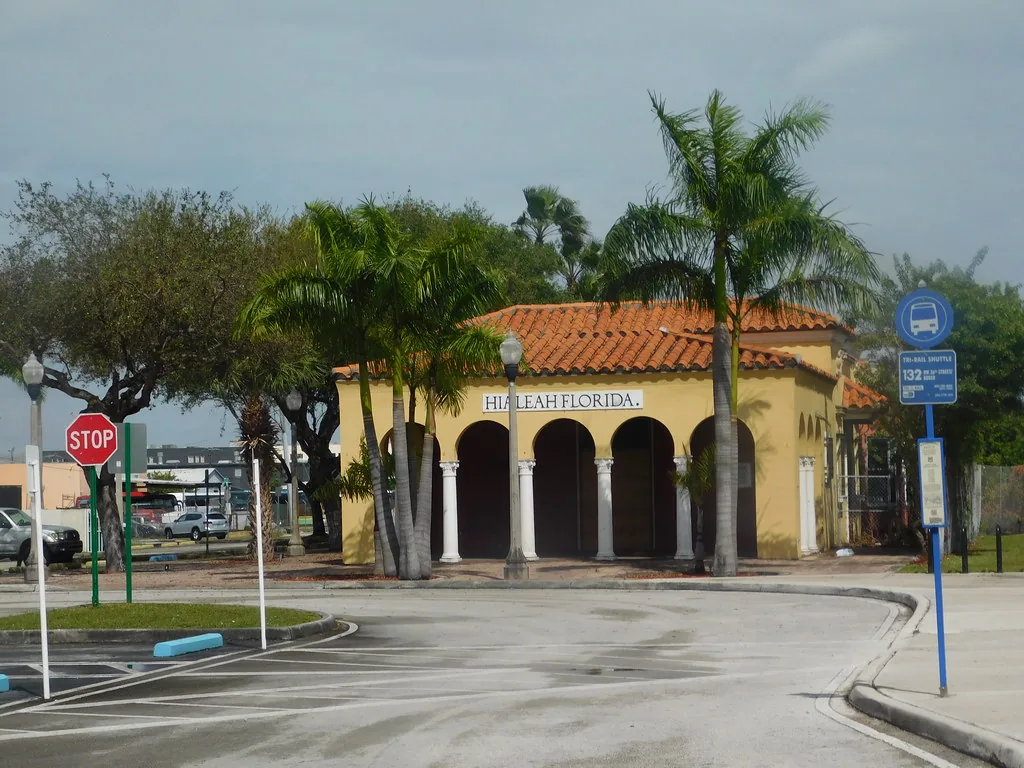
Match the roof plan to the property inventory
Cargo warehouses, offices, hangars and maintenance shops appear in the airport's property inventory. We establish the membrane, metal system, roof age records and current condition from plans, repair history and field inspection. We review available plans, repair history and warranties, then verify visible details on the roof. The inspection records seams, flashing, penetrations, curbs, drains, scuppers, edge terminations and any patch that affects the work boundary.
A complex estate can include separate buildings, additions and roof sections. We assign each finding a location and photograph a nearby reference so facilities can return to it. If the roof plan leaves out an addition or a surface is inaccessible, that gap stays named in the scope. A roof due-diligence review can organize existing plans and maintenance records for an acquisition or capital decision; an aerial roof survey can document areas that are difficult to view from the access point.
Before equipment or materials move, the site representative confirms access hours, delivery path, any escort or credential process, lift staging and restricted zones. We record only the rules that apply to the address under inspection. The plan names who can authorize temporary protection, test openings and permanent work so the job does not rely on an informal handoff.
Trace leaks through the roof section
A water report from an office, cargo space or maintenance area is compared with roof details above and upslope. We inspect seams, curbs, vents, wall transitions, skylights and drains, then mark the likely entry and any evidence that needs moisture testing. Water can travel before it reaches the interior. The report separates what is visible from a suspected condition that would require an approved opening.
Hialeah's wet-season normal is 48.19 inches. For airport-property roof visits, we use the building's own outlets and slope to plan work before early-summer storms, which peak from mid-May into early July. For this adjacent airport market, we use Hialeah's seasonal benchmark as regional context and measure each building's actual slope and outlet route. The walk checks drains, scuppers, overflow paths, visible discharge and standing water. A drainage repair can be priced as its own task when an outlet or connection needs correction.
South Florida's greater tropical-storm and hurricane risk falls between late August and mid-October. We inspect roof edges, parapets, penetrations and temporary patches before exposing a section. Hialeah is in Miami-Dade's High-Velocity Hurricane Zone, where roofing plans can address pressure zones, drainage and parapets. The project documents and selected product's installation requirements govern the repair detail.
Limit open work to a secure sequence
Hialeah's summer heat index can exceed 100 degrees in July and August, making midday roof work a scheduling constraint. We plan roof access, lifting, surface preparation and material handling for safe conditions, then set a daily removal limit that can be closed before the crew leaves. The status record lists the section opened, temporary cover, interior protection and follow-up check. If weather changes the sequence, facilities receives the revised task by roof area.
Repair is one option when an opening is local and surrounding materials remain sound. Wet insulation, damaged deck, repeated seam failure or failed edge details can support a wider scope. We compare a metal retrofit option with repair or replacement only when the observed structure, slope and existing assembly support that comparison. Cost and timing reflect removal depth, material quantity, access equipment, staging, disposal, testing, restricted hours and the safe weather window.
The proposal separates measured work from allowances for layers that remain hidden. If removal exposes more damage, we photograph and measure the condition, submit the schedule effect and wait for approval before expanding the boundary. A phased roof sequence can stage work across occupied areas when the property contact confirms operating restrictions.
Coordinate airport-area records by address
Owners with more than one local property can schedule a visit for the airport's cargo and maintenance area and a separate appointment in the Miami Springs NW 36th Street district. Each address keeps its own roof map, access contact, condition photos, quantities and approvals. A portfolio capital plan can show which decision belongs to each building without pooling the underlying findings.
The next approval may concern a test opening, temporary protection, repair, recover or replacement. We write down the person authorized to decide and the location affected. A Hialeah or Doral Free Zone property receives its own work order and roof scope; a combined calendar coordinates timing across addresses.
For an active leak, crews can respond overnight, on weekends or holidays. A leak stabilization visit protects the exposed area while permanent work moves through review. We document the area protected, the approval contact and the follow-up date so the owner can distinguish immediate control from completed repair.

Return a measured airport property record
The completion file lists the address and building, inspected roof sections, installed materials, finished details, tagged images and unresolved items. It records any temporary cover still in place, access limit or follow-up assigned to facilities. A later visit can return to the same plan references and compare the next finding with this inspection.
Share the building address, roof plan, access contact, leak history and approved visit requirements. We will inspect available sections, mark the repair boundary and return options tied to the building's actual findings. The scope separates confirmed quantity, testing and any broader project so ownership can approve the next step with a clear record.
Questions
WHAT OWNERS ASK
Does the 8.7-million-square-foot inventory describe roof area?
No. It describes commercial real estate space across cargo warehouses, offices, hangars and maintenance shops. We measure the roof areas at the specific building after reviewing its plans and access. No portfolio total is applied to an individual roof quantity.
What does the airport area boundary mean for roof scheduling?
The district extends from NW 36th Street and Dolphin Expressway toward LeJeune Road and NW 72nd Avenue. We use those references to confirm the property location, then the site contact supplies the current access route, staging rules and work window for that building.
How do you inspect a hangar or cargo building without interrupting operations?
Facilities confirms operating hours, roof access, escorts, equipment movement and restricted zones. We plan a section that can be safely reached and secured during the approved window. The proposal lists staging and any shutdown or interior protection needed at that address.
Which drainage checks matter in the Hialeah service market?
We follow each roof's runoff path to the drain or scupper, check visible blockages and document the outlet condition. Hialeah's wet-season normal is 48.19 inches, with the stormiest period in late spring and early summer. The field report applies the finding to the inspected airport building.
Related Roofing Work
Set the roof inspection for the airport property
Provide the exact address, roof plan, access contact and reported condition. We will document reachable sections, identify the repair boundary and return a measured scope for review.