
Commercial Roof Recover and Overlay in Hialeah, FL
Commercial Roofing Services
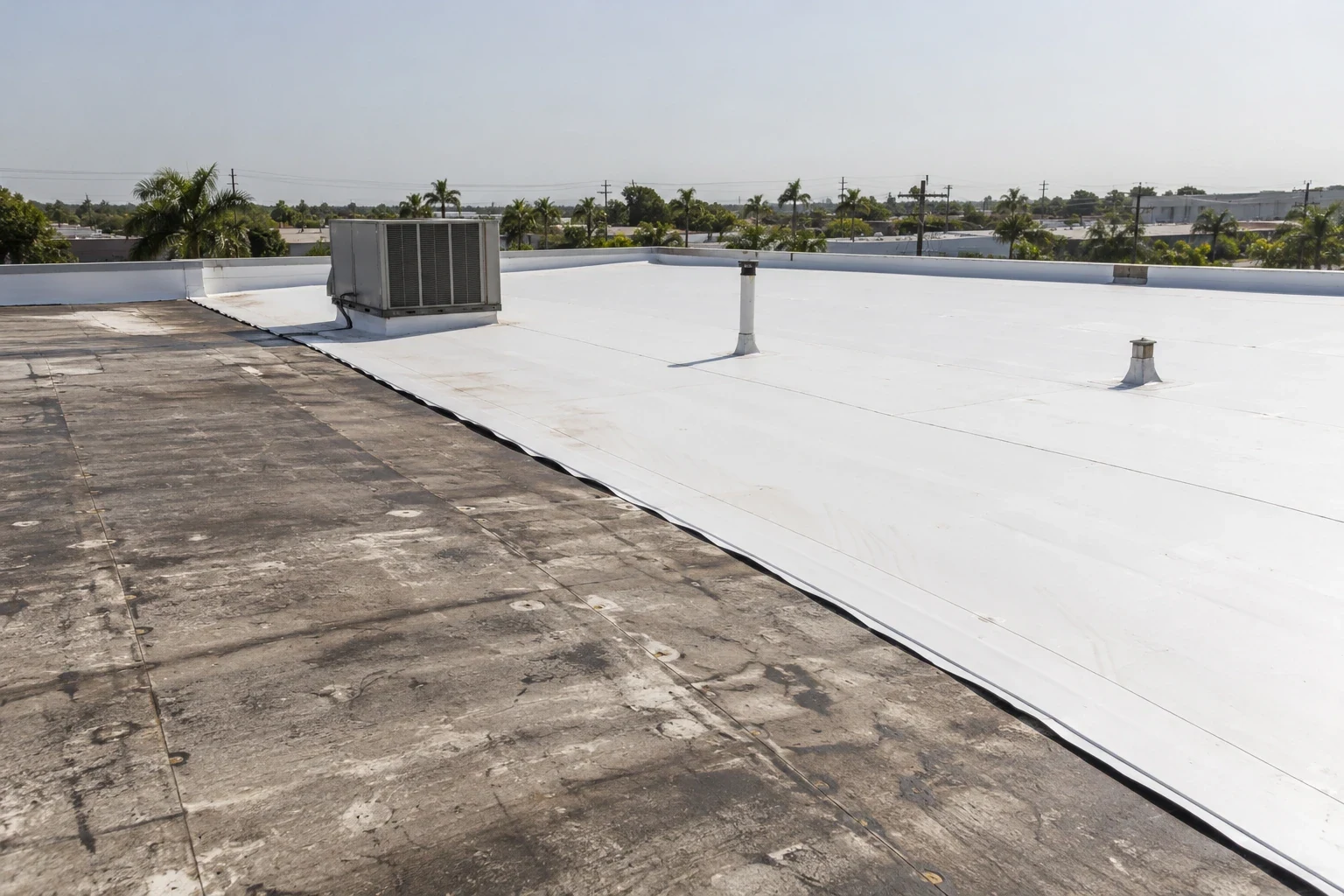
A recover keeps an existing roof assembly in place and installs a new roof layer over it. That can reduce removal, hauling and interruption, but it only works when the existing roof is a suitable base and the proposed assembly meets current project requirements. We inspect the layers, test for trapped moisture, check attachment and drainage, and identify details that an overlay would conceal. Near West 49th Street, Palm Springs Mile or Hialeah Heights, we compare measured roof conditions with recover criteria before recommending an overlay.
Prove the base can carry another assembly
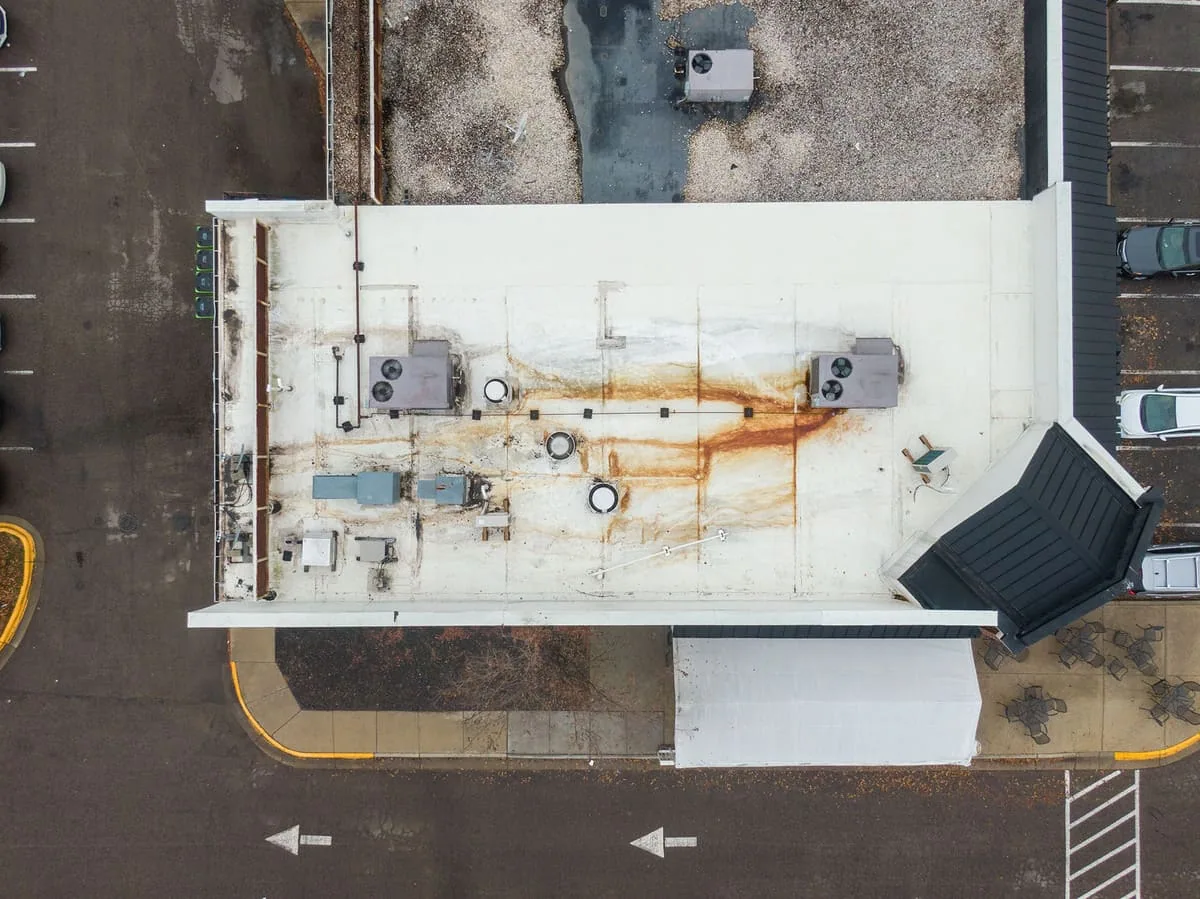
The first question is not which new membrane to buy. It is whether the existing construction can remain. We review the roof history, available warranties and any prior overlays, then inspect representative areas for blisters, open seams, ponding, soft insulation, loose fasteners and damaged perimeter details. Test cuts can show how many layers are present, whether insulation is dry, and what condition the deck is in. A dry spot at one test location does not establish that the full roof is dry, so we place tests where leak history and visible changes make the answer important.
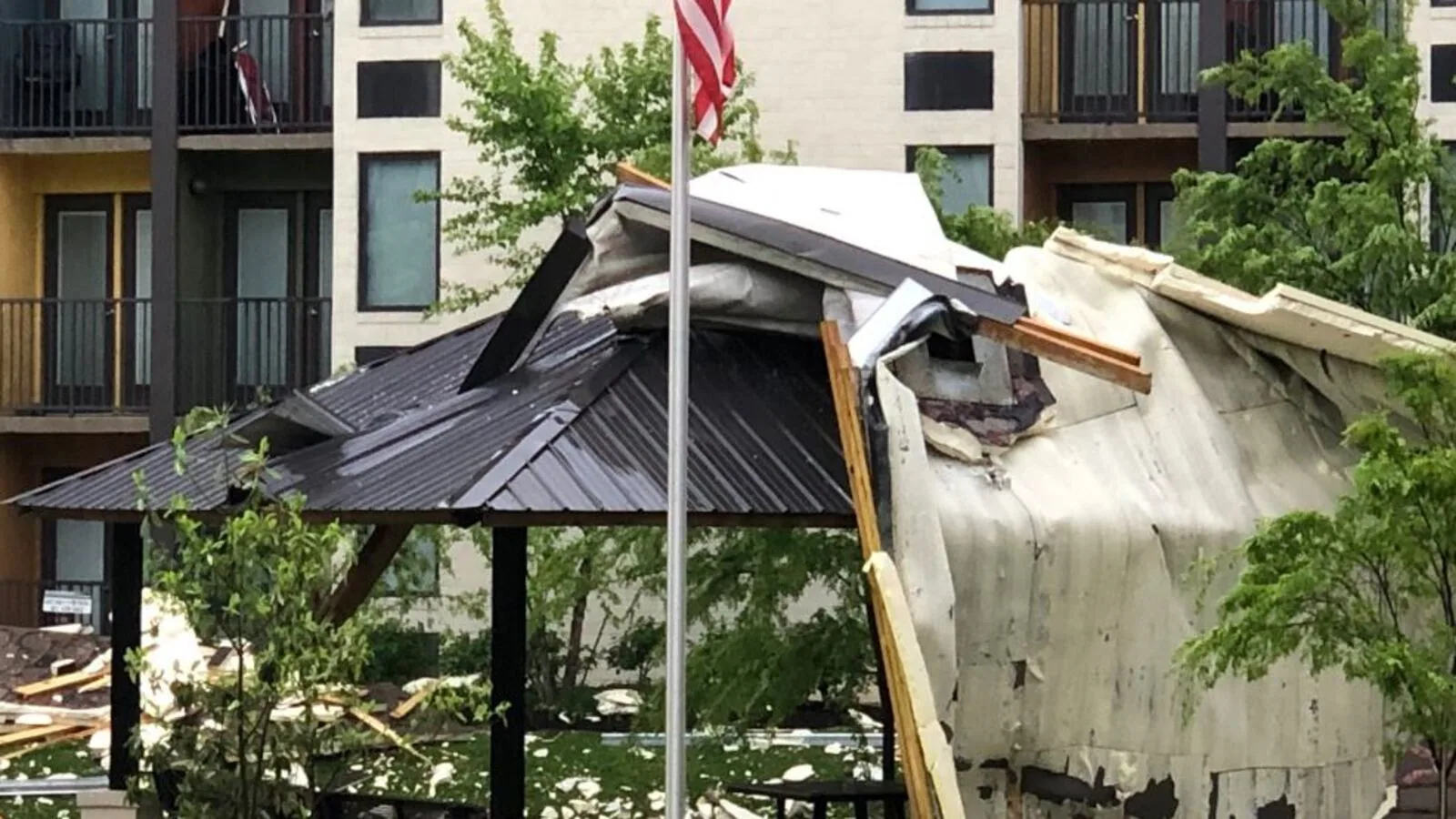
If moisture is widespread, the deck is deteriorated, the old assembly has unreliable attachment or the existing layers exceed applicable limits, a recover may hide defects and add risk. We document the reason to reject it and compare removal with targeted repairs or phased replacement. When test results support an overlay, the scope still identifies any wet or loose areas to remove first. Our commercial roof inspection records these conditions by roof section so the decision can be reviewed by ownership and facilities staff.
Check drainage, height and wind details
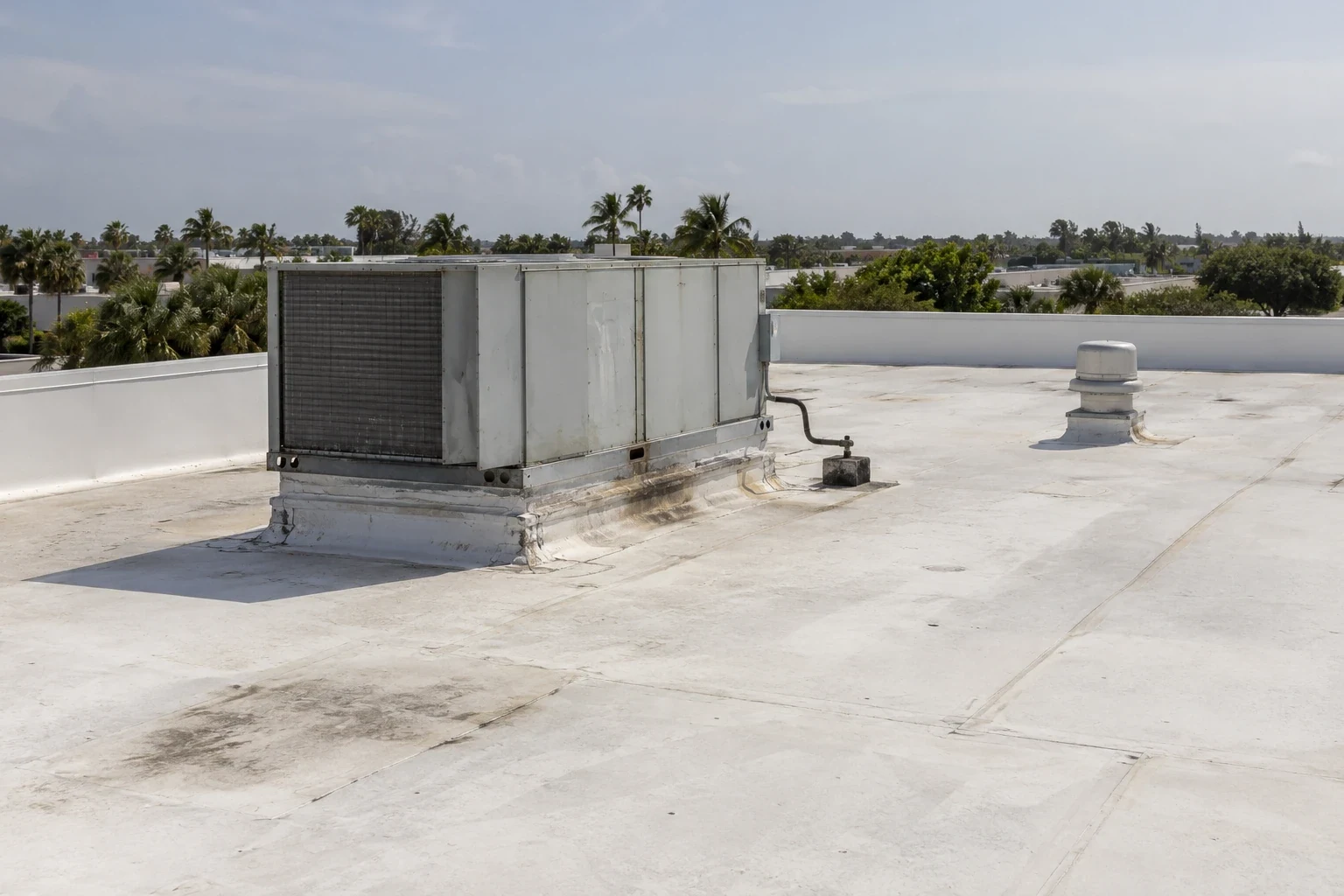
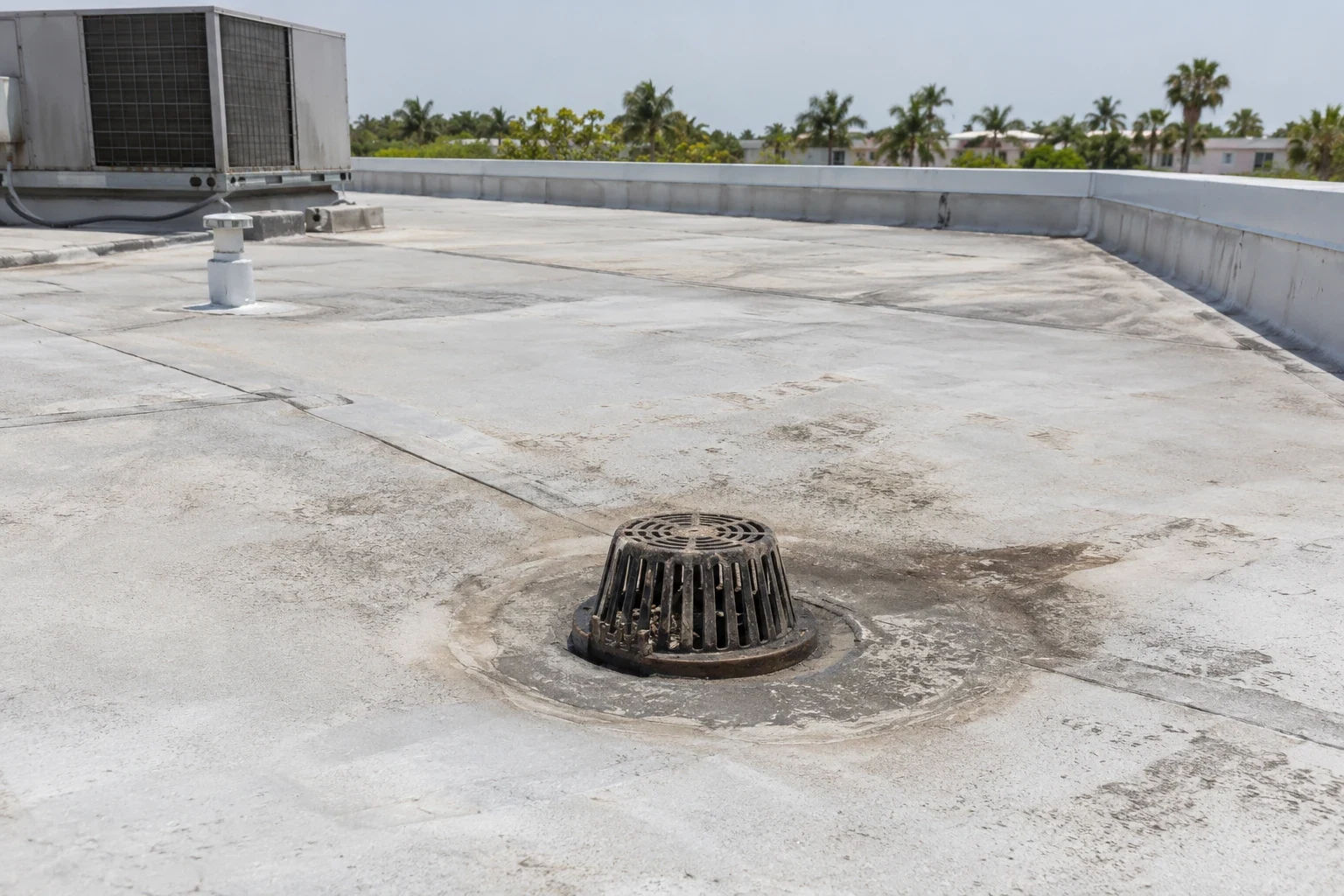
An overlay changes roof height and adds load. That affects drains, scuppers, door thresholds, equipment curbs, edge metal and transitions to adjacent roofs. We measure the assembly build-up at critical points and note whether drains need extensions or perimeter metal needs replacement. A recover that leaves a drain too low can preserve a leak path, while a new edge detail must still secure the assembly through the building perimeter. The design record should show these interfaces before materials arrive.
Hialeah roof plans identify drain and overflow routes, roof levels, section dimensions, pressure zones and parapets. Assembly records specify components, product approvals and limits. We check the proposed recover against those site details and coordinate permit questions with the design professional. An old roof approval does not automatically approve an overlay assembly. We confirm the specified components and attachment for the actual substrate and building conditions, then coordinate permitting questions with the project design professional. Compare drain and scupper work and edge metal details as part of the same scope when raised height changes them.
Select a compatible overlay system
The existing membrane, surface condition and new-system requirements narrow the choices. Some assemblies require a particular substrate, separation layer, fastening pattern or adhesive. A roof with incompatible surface treatments may need preparation or a different design. We identify the actual roof layers rather than assuming that a visual membrane color reveals the product. The proposal describes surface preparation, repairs, insulation or cover board, attachment, seams, flashings and terminations, including any manufacturer conditions that apply.
A recover is not simply a new sheet placed over an old one. The interface must stay stable, the new system must drain, and penetrations must be flashed to the finished elevation. If the existing membrane is sound but the new assembly needs a separation layer, that requirement belongs in the scope and material takeoff. If an approved TPO system or PVC system is being considered, we compare its specific attachment and detail rules against the roof evidence, not just the product category.
Compare total scope rather than headline price
An overlay may reduce tear-off labor and disposal, but that saving can be offset by drain alterations, edge height, substrate preparation or repairs that remain necessary. A tear-off may cost more at the start and provide a direct view of the deck and concealed conditions. We itemize both paths on equivalent roof areas, with assumptions for wet insulation, deck repair, perimeter metal, equipment curbs, access and temporary protection. If concealed conditions would change the price, the proposal states how they will be documented and approved.
For a multi-building owner, sequence can matter as much as the first bid. Hialeah Heights has a notable industrial and distribution footprint, and properties along the West 49th Street corridor can have different tenant and loading needs. We confirm the loading and tenant requirements at the property before setting its sequence. We can put current repairs, likely replacement timing and remaining risk into a roof capital plan, keeping each address and its findings distinct. Owners comparing an overlay with full replacement should see what each option resolves and what it leaves in place.
Control the work over occupied space
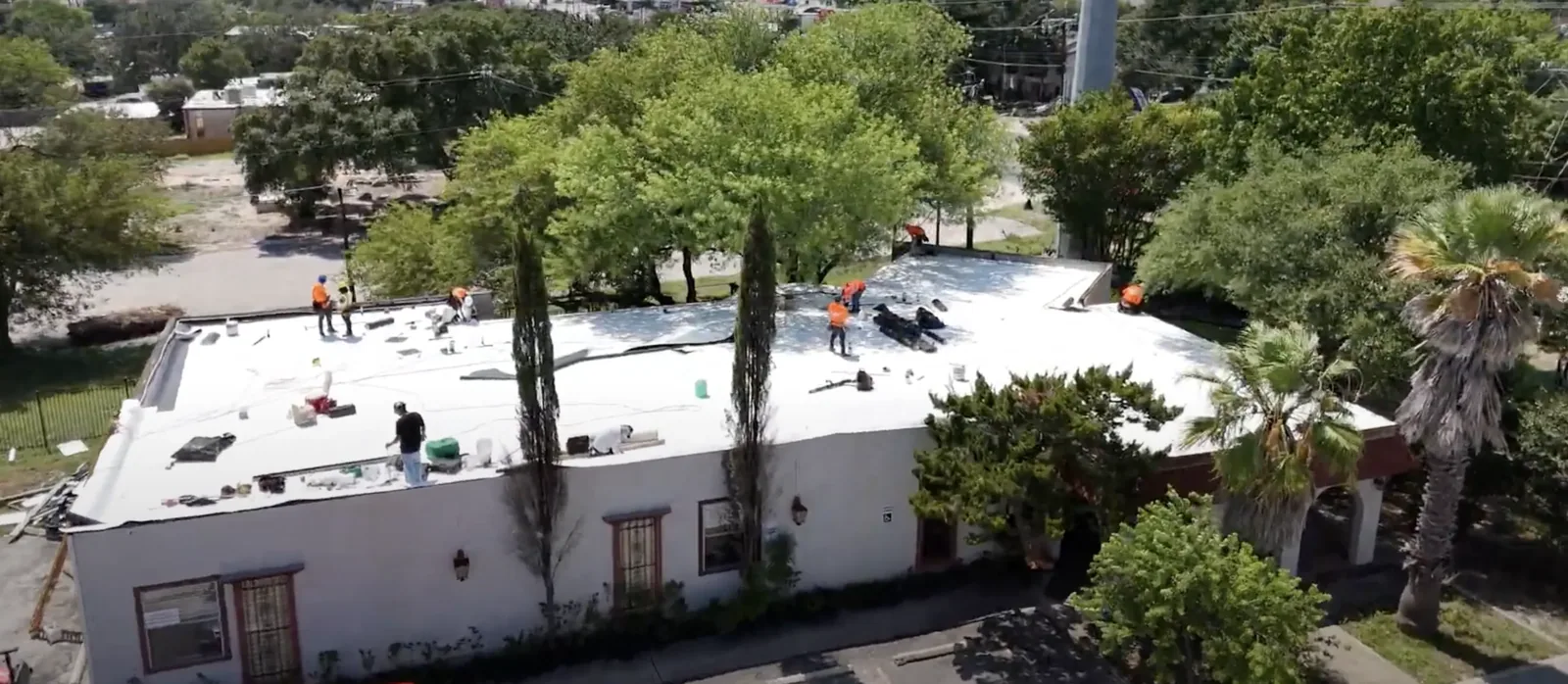
Recover work still includes hot, noisy or access-limited activity, even when tear-off is limited. We set delivery windows, staging areas, roof access, occupied entrances, tenant notices and protection for rooftop equipment before mobilization. Work proceeds in defined sections so existing drains and temporary water paths remain functional. The crew keeps materials secure, protects open edges and closes each work area before a weather change can expose the building.
Hialeah's wet-season rainfall is concentrated from mid-May into early July, so exposed areas need careful daily limits and a clear dry-in plan. Summer thunderstorms can arrive quickly; the site team must know who can stop work and what protection is ready. Near Palmetto General Hospital, Miami Dade College's Hialeah Campus or the Westland Mall area, we confirm access and service windows with the facility contact before setting the sequence. If an active leak requires attention before the recover mobilization, a documented leak repair can stabilize the affected area while preserving the larger assembly decision.
Make the recover decision easy to audit
The deliverable should state why the existing assembly qualifies, where testing occurred, what must be removed or repaired, what system is proposed and which details change because of added height. We include photographs, roof-section labels, test results, drainage observations and open questions. That makes it easier for the asset manager to compare bid scope, confirm the permit path and revisit assumptions if field conditions differ.
Send the Hialeah property address, roof plans, leak history, prior recover records and the capital approval contact. We will assess the existing assembly and show whether a recover remains viable beside repair or tear-off. For a property near Palm Springs Mile or in Hialeah Heights, the recommendation uses verified roof layers and drainage at that address. The closeout record can include the approved product information and photos of seams, penetrations and edges near Palm Springs Mile. No overlay should be treated as approved until the owner accepts the defined scope and the required project approvals are in place.
Questions
WHAT OWNERS ASK
When is a commercial roof recover appropriate?
A recover may fit when the existing roof is dry enough, firmly attached, structurally suitable and within applicable layer and approval limits. Test results, roof history, drainage and perimeter conditions all matter. We document the basis and compare removal when the evidence leaves uncertainty.
Does an overlay always cost less than replacement?
No. It can reduce tear-off and disposal, but preparation, drain extensions, edge-metal changes and concealed repairs affect the total. We compare equivalent roof areas and disclose assumptions so the owner can compare the cost and remaining risks for each path.
Can wet insulation remain under a recover?
Wet material should not be covered simply to preserve an overlay. We locate and map affected areas, determine the removal boundary and identify whether broader moisture makes the base unsuitable. The decision depends on field evidence, not surface appearance alone.
Will a recover affect drains and roof edges?
Added height can change drain elevations, scuppers, curbs, door thresholds and perimeter metal. The design should measure those transitions and show any needed extensions or replacement details before work begins.
What records help assess my Hialeah roof?
Send roof plans, prior repair and recover records, leak locations, warranties, access restrictions and the person who approves capital work. We compare those records with inspection and test findings, then return a section-based recommendation.
Related Roofing Work
Verify the base before approving an overlay
Share the property address, roof history and available plans. We will test the existing assembly, review drainage and attachment, and compare recover, repair and tear-off scopes.