
Commercial Roofing at Westland Mall, Hialeah, FL
Service Areas
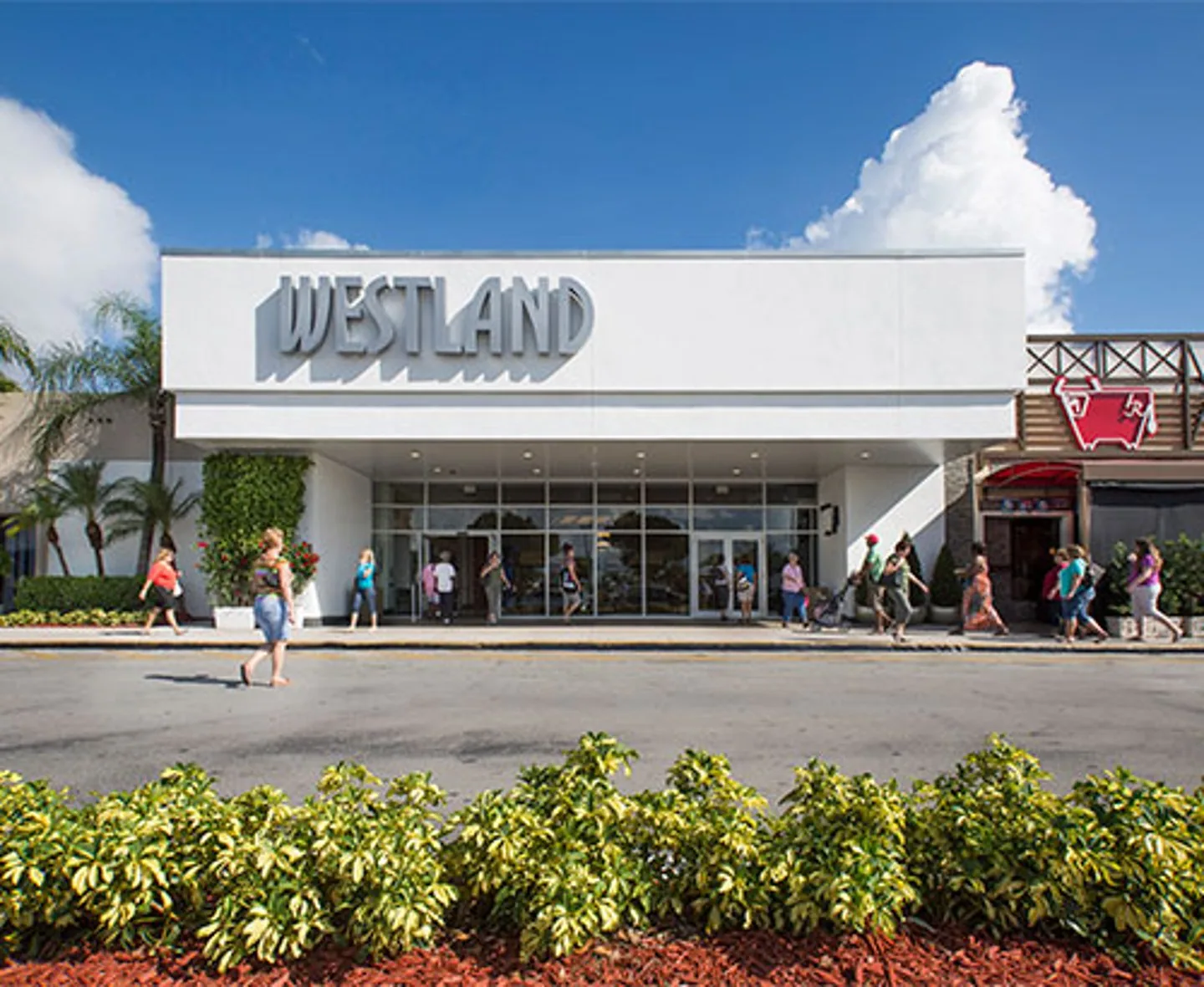
Westland Mall is a Hialeah commercial destination that draws shoppers from across South Florida. Roof work in this district needs an address-specific access plan, inspection record and repair boundary. We coordinate the building contact, customer routes and delivery windows before staging materials. The city groups Westland Mall with Palm Springs Mile and West 49th Street as major retail areas. We inspect the specific roof and set its repair boundary from field evidence.
Our report identifies which sections were reached, what condition was observed and what remains for owner approval. It keeps a public-facing work area separate from the roof detail under repair.
Access coordination: Protect public routes
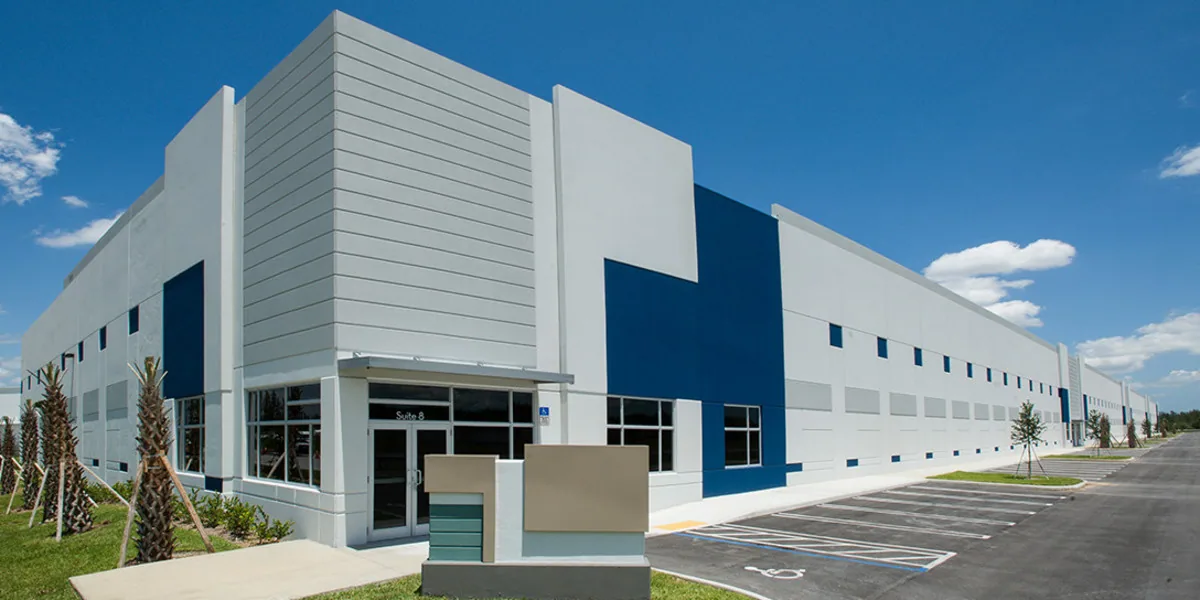
Before mobilization, we confirm opening hours, roof entry, receiving schedule, lift access and areas that must remain available to customers. The property contact identifies entrances, loading paths and any restricted work period. Barriers are placed around overhead tasks, and the daily closeout records when paths reopen. If the roof can only be reached after business hours, the schedule names that window and the person responsible for access.
We coordinate the work zone with the building representative and tenants. Materials are moved along an approved route and stored where the site allows. A phased occupied-building plan can separate active roof work from customer or tenant areas. The proposal lists any closure, noise period or service interruption that needs notice.
When an owner has additional retail properties in Hialeah, the Palm Springs Mile and West 49th Street corridor can be coordinated for visit planning. We keep their contacts and roof records distinct from the Westland Mall district property.
Roof condition: Connect each finding to a section
We review roof plans, leak reports, prior repair tickets and access limits before inspection. On the roof, we identify the system where visible details support it and examine seams, flashing, penetrations, curbs, drains, scuppers, edges and previous patches. A wide photograph shows the location; a close view shows the defect. Each image is tagged with date, section and direction so a repair crew can find it again.
Water inside a tenant or public area may travel below the membrane before it appears at the ceiling. We compare the reported room with roof details upslope and record any testing needed. A commercial inspection can establish the baseline. A condition report preserves photographs, access limits and repair priorities for the facilities file.
The report names each area that could not be entered and any concealed layer that remained unopened. A follow-up test or access visit can resolve those items.
Rain readiness: Check drainage before opening material
The wet months bring an average 48.19 inches of rainfall to Hialeah, with the strongest storm activity concentrated from mid-May into early July. At a Westland Mall district property, we verify each outlet, scupper and discharge route before scheduling roof work. The scope separates cleaning from repairs and names a safe stopping point for every opening.
South Florida's higher tropical-storm exposure comes in late summer and early fall, especially late August through mid-October. Hialeah permit work is reviewed under Miami-Dade's High-Velocity Hurricane Zone provisions, including details for wind pressure, drainage and parapets when affected by the project. We record the existing condition and coordinate design review for changes. A drainage correction can address a defined outlet condition; a storm inspection documents a reported event and current roof condition.
July and August heat index can reach or exceed 100 degrees. We plan safe access and installation windows against the selected material requirements. If the forecast changes, the crew secures the active section and updates the return plan.
Repair boundary: Keep visible work and hidden layers separate
A localized opening, seam failure or flashing defect may support repair if adjacent materials remain sound. We identify the section, removal limit, preparation and tie-in. If testing confirms wet insulation or deck damage, the owner reviews the added quantity and schedule effect before work extends. The approved scope describes the repair boundary in terms a manager can match to a roof plan.
When the inspection points to a broader project, we compare repair with coating, recover or replacement using the same measured areas. A repair estimate can price a localized condition. A replacement scope identifies the new assembly and related edge, curb and drainage work. We separate allowances for concealed conditions from confirmed tasks.
Cost and timing may change with customer access, after-hours labor, lift equipment, material staging, roof assembly and disposal. We list those factors before the owner approves mobilization.

Emergency plan: Secure an active opening
If a leak develops during a busy period, the building contact can direct interior protection and safe roof access. We locate the opening, install temporary protection when conditions permit and record the section, material and approval. Emergency work is separated from the permanent scope. The closeout notes which route or room can return to normal use and when the temporary measure needs inspection.
Our response is available day and night, weekends and holidays. A 24-hour roof response can protect an active opening while facilities reviews the permanent repair. The report ties each action to the Westland Mall district address so a later inspection can compare the same area.
Temporary protection is checked against rain and wind conditions. We set a return visit when the permanent detail or a broader test remains open. The site contact receives the next action and any access requirement.
Closeout: Return the work and access record
Closeout lists repaired roof sections, materials, drainage or flashing work, photographs and conditions deferred. It records when customer paths or loading access were returned and whether any temporary cover remains. The manager can file the report with prior service records and assign follow-up to the right contact.
Provide the Westland Mall district address, roof plan, reported leak, business hours and facilities contact. We will inspect accessible sections, coordinate the customer-access plan and return a measured repair scope.
Questions
WHAT OWNERS ASK
How do you keep roof work from blocking Westland Mall customer access?
We confirm public entrances, delivery routes, business hours and roof access with the property contact. The work plan lists barriers, overhead protection and any temporary restriction. The crew closes the approved section and records when affected routes can reopen.
Can an inspection cover a mall and nearby retail buildings at once?
A visit program can coordinate several addresses, but each roof receives its own access boundary, findings and report. We identify the building contact and roof section for every photograph. Shared scheduling does not merge approval or repair decisions.
What does the roof inspection include?
We examine accessible seams, flashing, penetrations, drains, scuppers, edges and visible repairs. Tagged photographs connect findings to a location. Any inaccessible section or concealed condition that needs testing is listed separately from observed work.
How does Hialeah weather affect roof repairs near Westland Mall?
Heavy wet-season rain makes drainage and temporary closure part of the work sequence. Tropical conditions and summer heat can change safe access or installation windows. We document the forecast-related adjustment and secure each active roof area before leaving.
Related Roofing Work
Set a roof inspection around site access
Share the Westland Mall district address, roof plan, operating hours and facility contact. We will inspect accessible sections and return a documented repair scope.