
Manufacturing Plant Roofing in Hialeah, FL
Property Types We Roof
A roof leak near a production line can affect equipment, product handling and the next scheduled run. We inspect the membrane, insulation, deck and penetrations, then connect the repair boundary to the plant's operating limits. Hialeah's industrial and light-manufacturing base includes activity around its industrial area and Hialeah Heights. We review the plant's records and field conditions to identify process exposures and the installed roof assembly. A distribution-center roof can share access constraints but not the plant's process schedule.
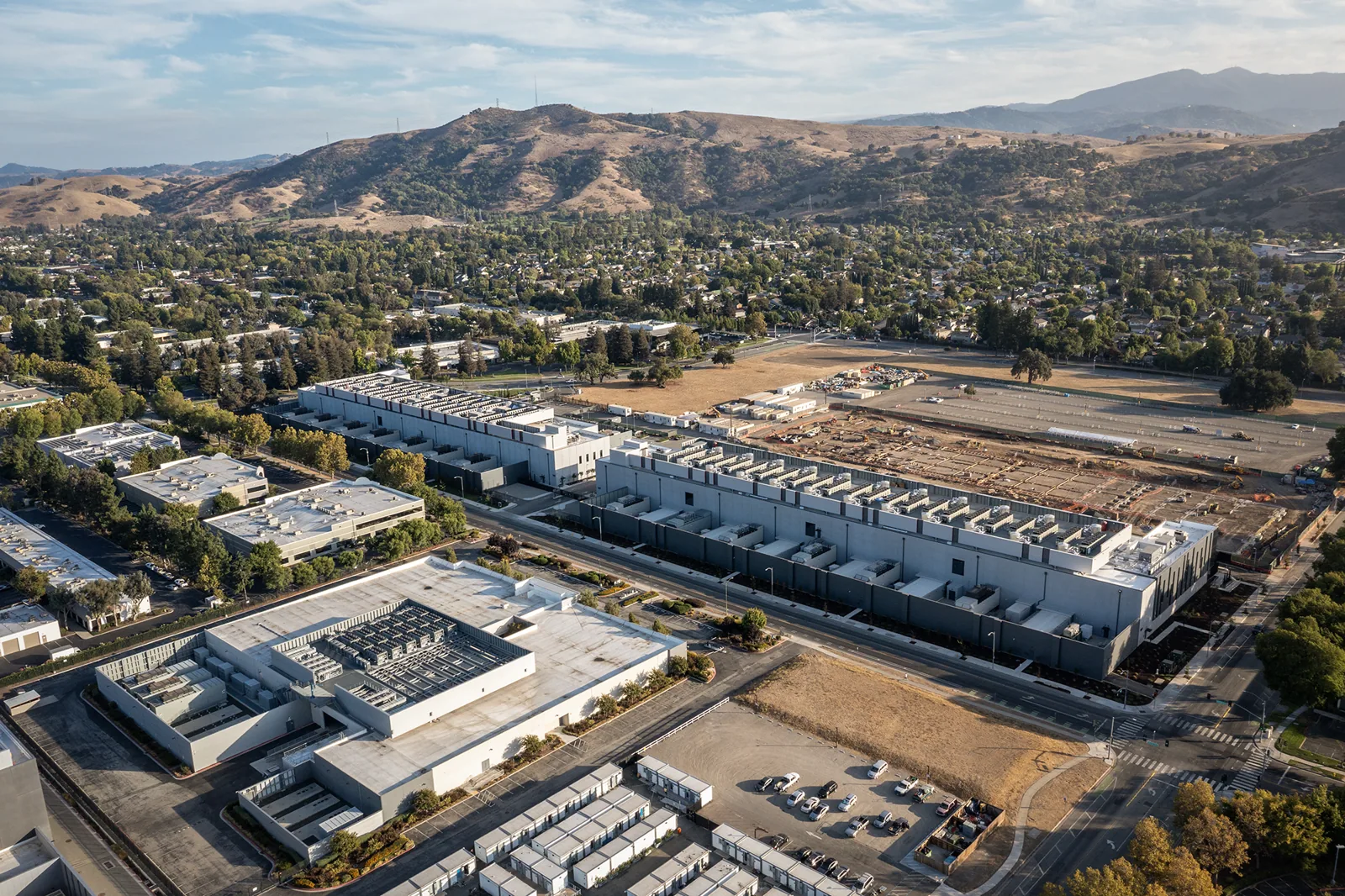
Locate exposure around process equipment
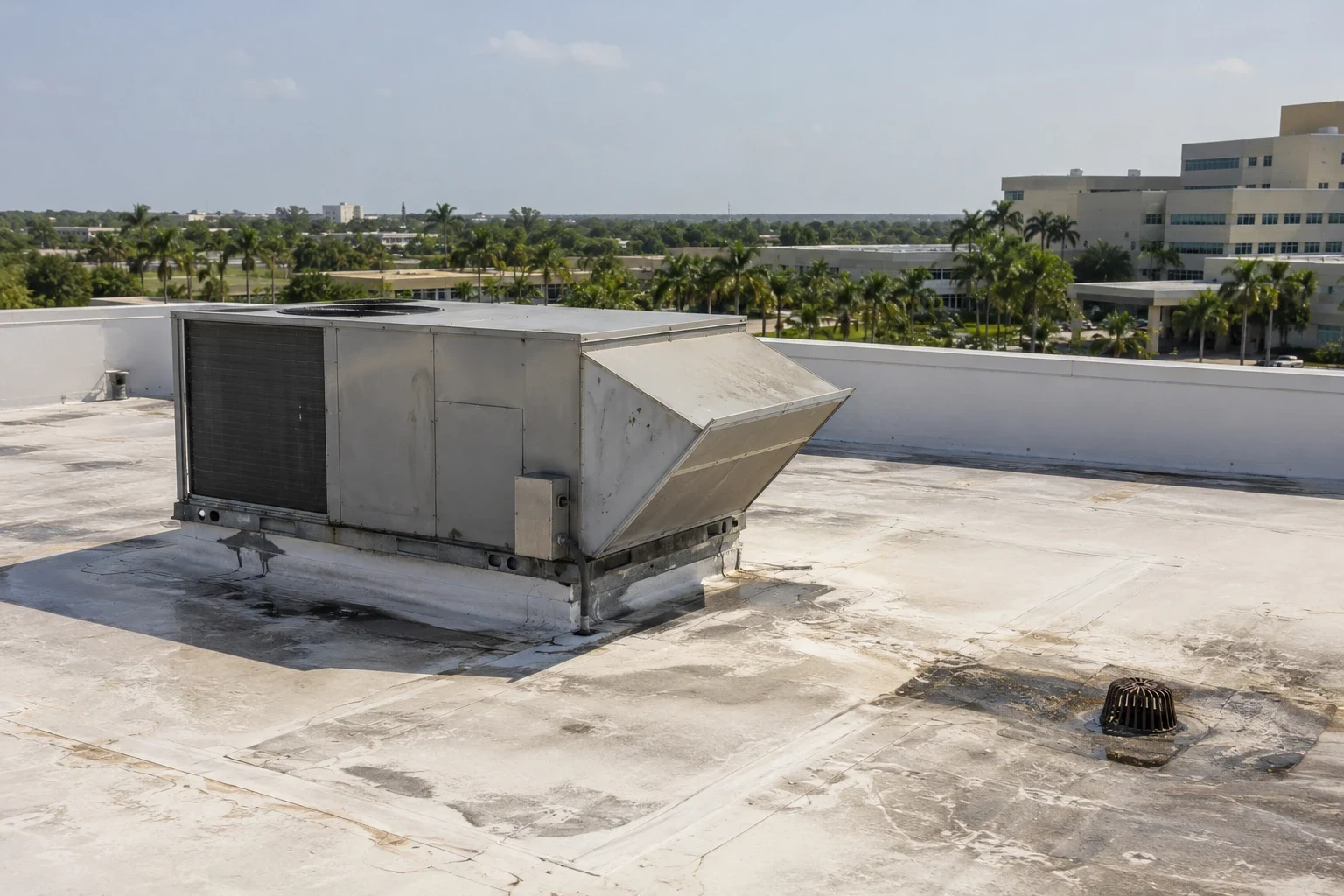
Manufacturing roofs can carry exhaust fans, process vents, piping, curbs and service routes, but each property's equipment has to be verified. We inspect the membrane around those details for heat effects, chemical discharge, vibration, foot traffic or repeated repairs. If fumes or liquids reach the roof, the facility contact identifies the substance and maintenance pattern. We compare that information with the material and coating condition before suggesting any system or repair.
Inside the plant, the leak location may sit several feet away from the roof entry, especially near steel framing or service runs. We mark the ceiling location, inspect above and upslope, and check seams, flashings, drains and penetrations. Moisture testing can establish whether insulation has absorbed water or the deck needs repair. A moisture survey can guide test cuts, while a written condition report links findings to each production area without assuming the whole roof has failed.
Sequence repairs between production demands
Work planning begins with the plant's operating calendar. We ask which lines can pause, where deliveries and forklifts travel, whether overhead work needs isolation and what safety procedures govern roof access. For tear-off, we limit the open section to material that can be dried in within the agreed shift. Staging and debris routes are set so they do not cross raw-material receiving or finished-goods movement.
Plant shutdowns and maintenance windows can create useful access periods, but a roof project may need several stages if the building runs continuously. We identify equipment that must remain powered, coordinate protection below the work area and document who can approve a temporary system interruption. Where an insulation replacement is part of the work, a roof insulation and cover-board scope can be compared with a repair that retains dry material. A warehouse roof may use similar materials; we schedule plant work around its own production plan.
Control water and heat exposure
A Hialeah wet-season normal of 48.19 inches comes with a storm peak from mid-May into early July. Rain during plant operations can threaten equipment and materials, so we confirm temporary dry-in, outlet capacity and interior protection before opening a roof area. Drains and scuppers are checked for blockage and water paths are mapped around equipment. A recurring low spot requires a drainage review before a new membrane covers the condition.
Summer heat can constrain both roof labor and plant cooling demand. We schedule material handling and exposed-deck work around product instructions and safe work windows, then restore the weather barrier at the end of each shift. Tropical conditions later in the season can shorten the period available for broad tear-off. If water enters during production, emergency roof service can protect the affected area while the plant manager reviews a permanent scope.
Price production protection with the roof
Plant roofing cost reflects the assembly, tear-off depth, wet insulation, deck repairs, equipment density, flashing, access and production controls. Protection below the roof, line stoppages, temporary enclosures or after-hours work can change labor and sequence. We identify which operating restrictions are included and what the facility must provide, then separate base work from concealed-condition approvals. That makes the estimate useful to both facilities and operations teams.
Hialeah's industrial and service sectors are a central part of the city's economy, and Hialeah Heights includes commercial and industrial development. We verify each property's exposure, operating schedule, roof type and installed equipment from facility records and field inspection. A capital plan can rank plant roofs by actual condition and production risk, then show which work can occur during planned maintenance windows.
Before approval, we list any decision points that could interrupt a line, such as utility isolation, material movement through a production bay or temporary protection over sensitive equipment. The facility can assign an operations owner to each item. That makes the roof proposal usable in a shutdown meeting instead of leaving production questions for the morning work begins.
Return a repair map to operations
Closeout records identify the roof sections repaired, material installed, insulation or deck changed, equipment details disturbed and any areas deferred. We provide photos and a marked plan that the maintenance team can use at the next shutdown. If an exhaust line or rooftop unit is later moved, the record helps identify which new penetrations need review and which original details were left untouched.
Send the plant address, process-area restrictions, roof plan, leak history and approval contact. We will inspect the roof and prepare a sequence that accounts for production access. Work near the Hialeah industrial area or Hialeah Heights may require different vehicle routes, but the building's own gate rules and line schedule set the plan. We return the scope with immediate controls, permanent work and the next approval separated.
Questions
WHAT OWNERS ASK
Can roofing proceed without stopping plant production?
Some repairs and staged replacements can proceed while operations continue if overhead protection, access and dry-in are coordinated. The facility identifies which lines, utilities and routes cannot be interrupted. We divide work into roof sections and plan around maintenance windows. A production shutdown may still be needed where the scope affects equipment or safety controls.
How should chemical exhaust affect roof-system selection?
We identify the substance, discharge location, concentration and exposure duration before checking membrane compatibility. A plant type alone does not tell us what reaches the roof. The manufacturer documentation for the proposed product must cover the verified conditions. If discharge is localized, the scope may need a changed outlet, a protective detail or a compatible repair material in that zone.
What plant information helps define a roof leak repair?
A marked ceiling location, production schedule, equipment layout, roof plan and recent process or maintenance changes help us trace the water. We inspect above the affected line and map moisture and penetrations. The report separates emergency containment from permanent repairs and notes any area that could not be tested. Include the operations contact who can approve access and isolation.
Why might insulation need to be replaced beneath a plant roof?
Wet insulation can lose performance and hold moisture against the deck. We use inspection and testing to map affected material, then identify what can remain dry and sound. The proposal shows the removal limits and any deck repair separately. Replacing insulation only where evidence supports it avoids treating a single leak as a reason to remove every section.
Related Roofing Work
Tie the plant roof scope to operations
Provide the plant address, operating calendar, equipment layout and approval contact. We will inspect roof sections, map exposure and return a coordinated work plan.