
Roof Systems in Hialeah, FL
Compare commercial roof systems for Hialeah buildings by substrate, drainage, exposure and repair history before selecting a scope.
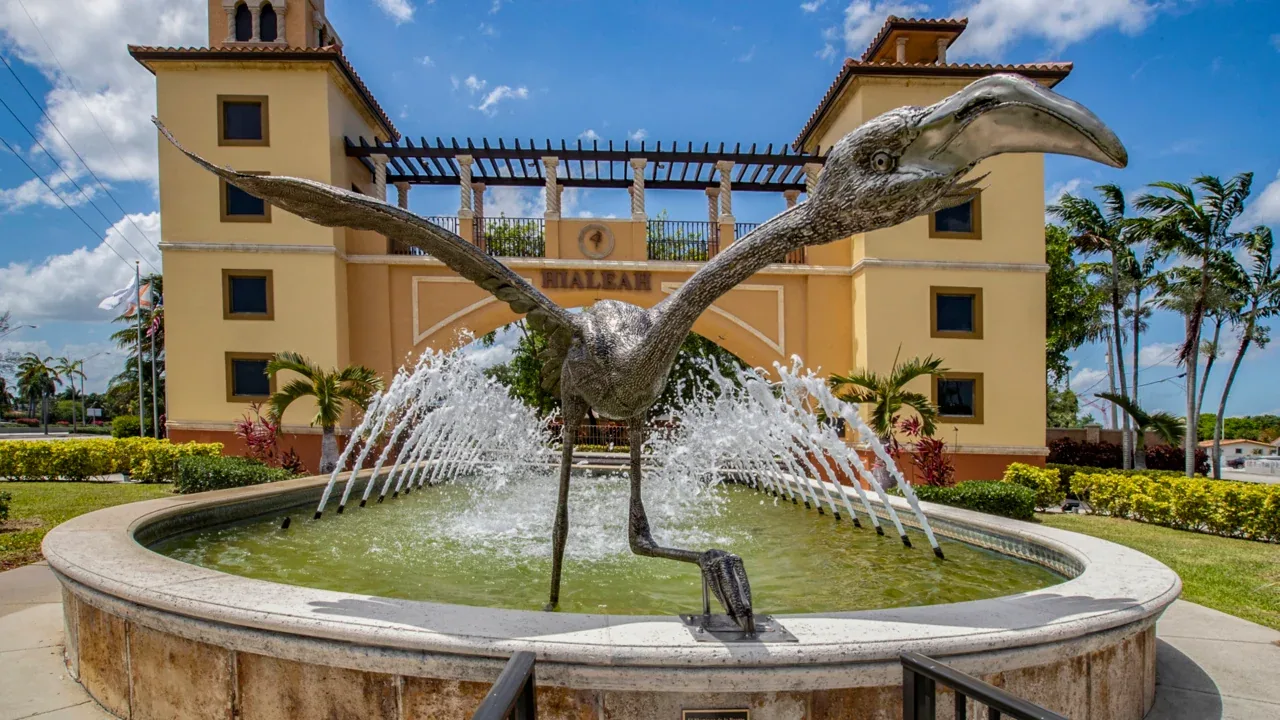
The roof assembly sets the repair method, replacement sequence and future maintenance burden. In Hialeah, summer rain tests drains and transitions while heat places recurring stress on exposed materials. We identify what is installed, how it is attached, where water moves and which layers can remain before recommending work. Hialeah Heights has distribution development, and West 49th Street is a major commercial corridor. We confirm roof access and equipment needs, then identify the assembly through inspection.
TPO Roofing
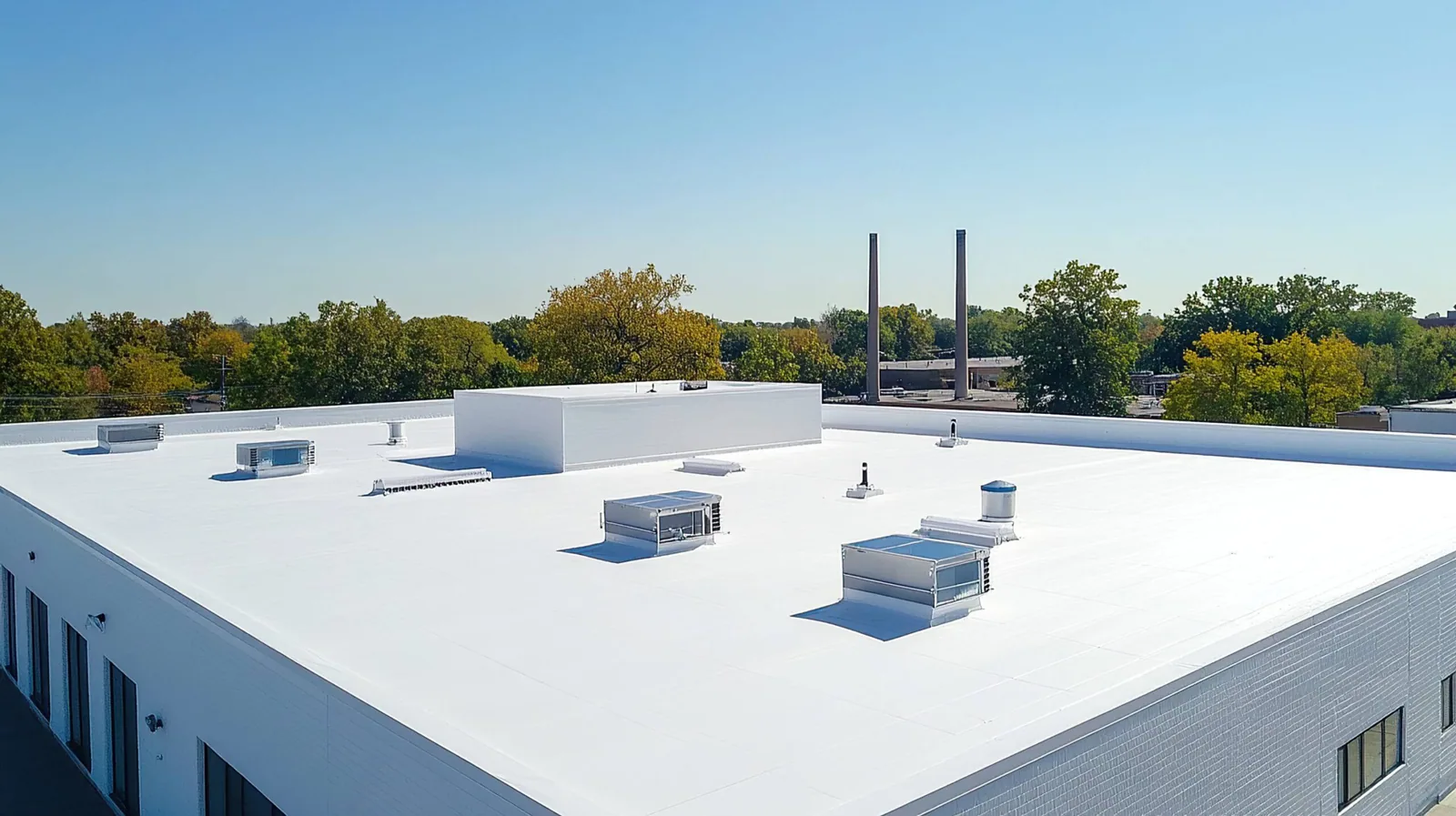
Evaluate TPO roofing in Hialeah with attention to seams, insulation, drainage, wind approvals and the work sequence for an occupied commercial property.
PVC Roofing
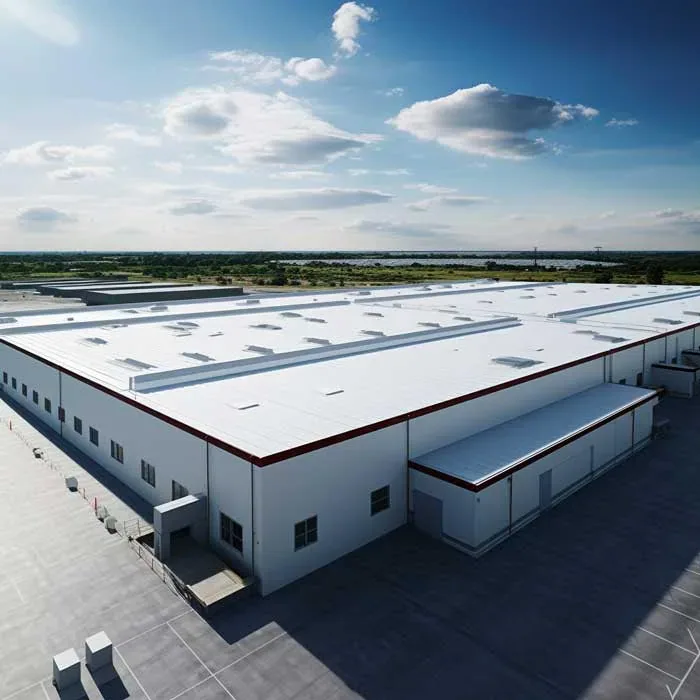
Review PVC roofing for a Hialeah property by checking seams, chemical exposure, attachment, drainage and the details that set a sound scope.
EPDM Roofing
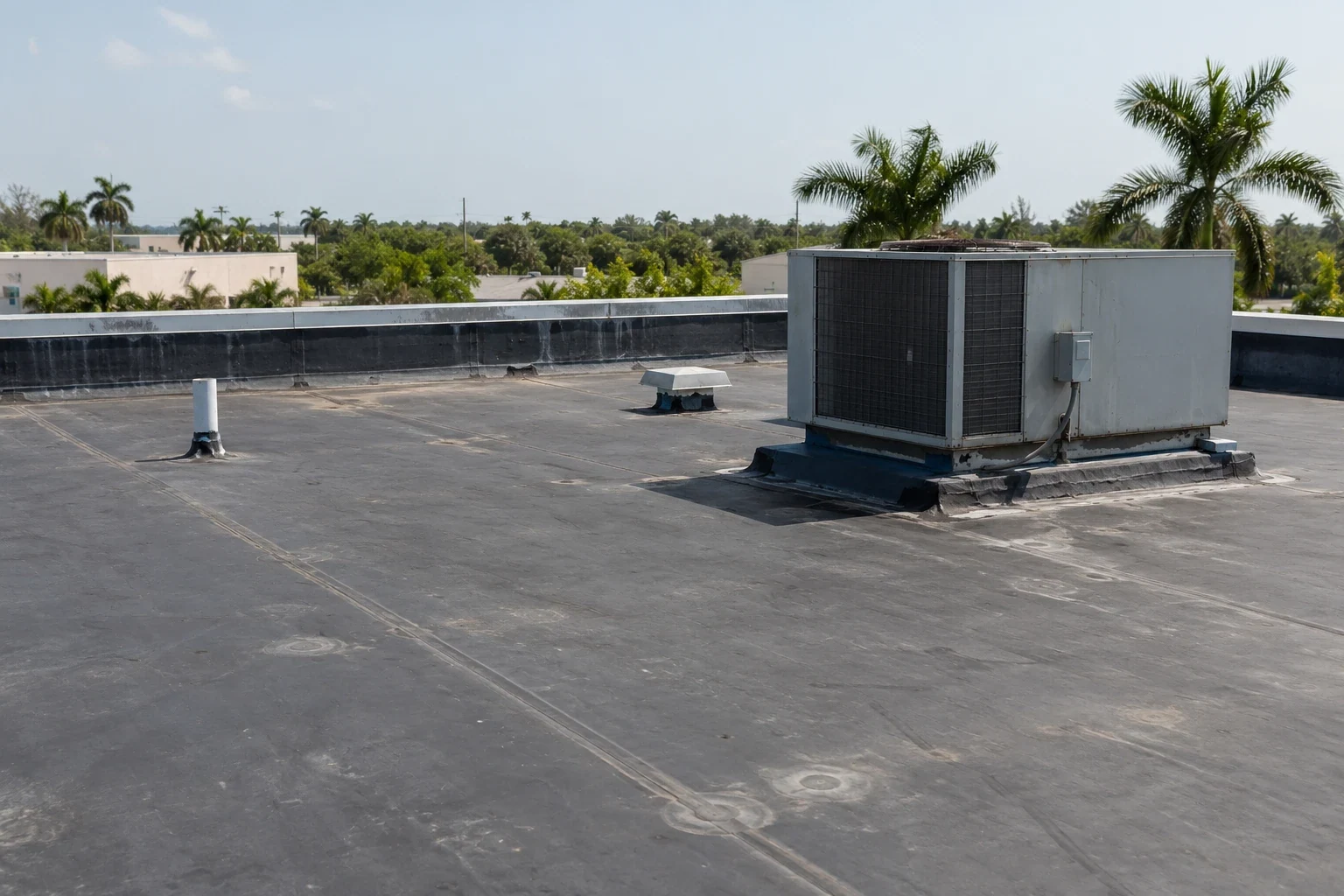
Assess EPDM roofing in Hialeah by examining seams, adhesive, flashing, drainage and the substrate before choosing repair, recover or replacement.
KEE Roofing
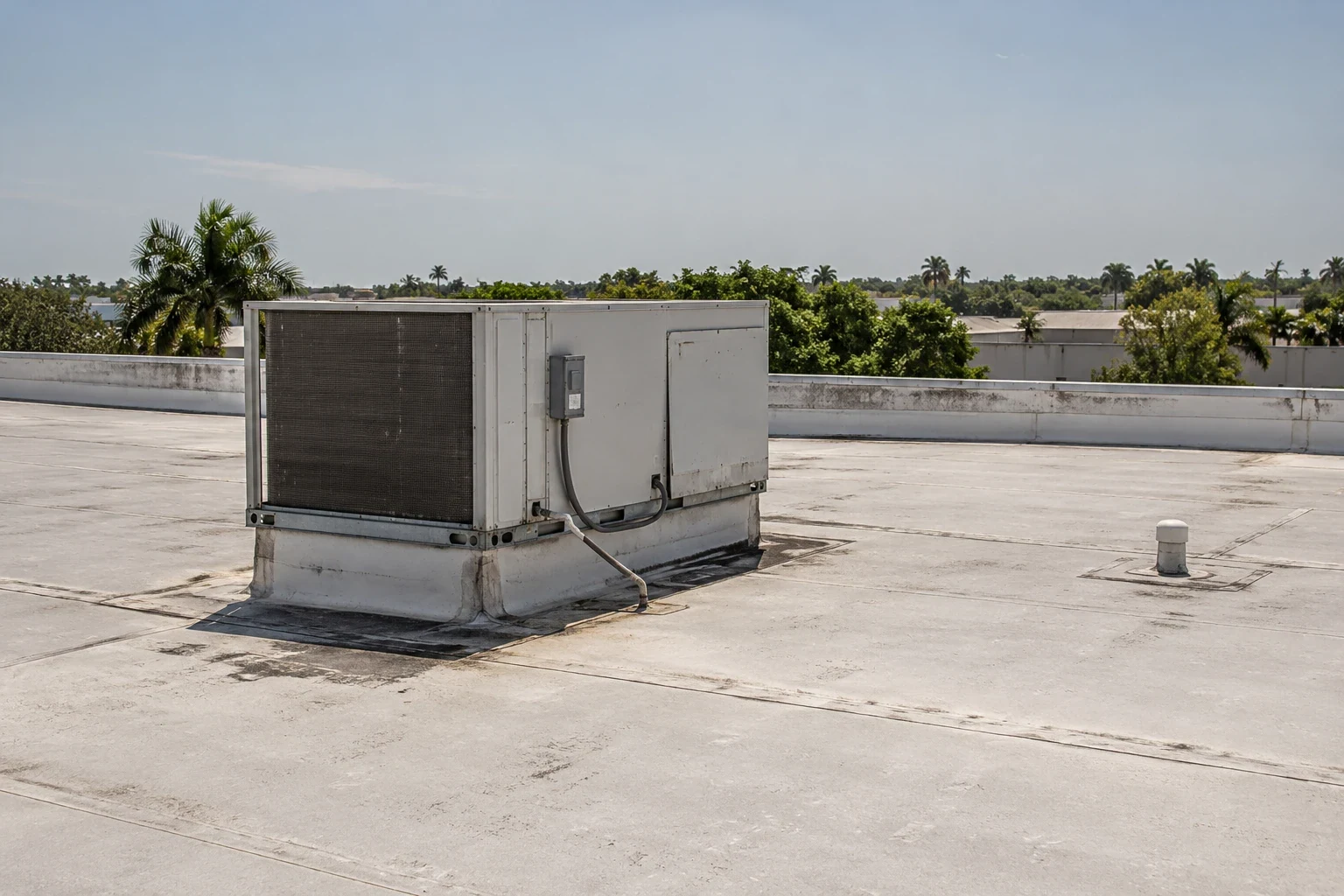
Consider KEE roofing in Hialeah by reviewing membrane exposure, seams, flashing, wind approval and the service plan for the full assembly.
Modified Bitumen Roofing
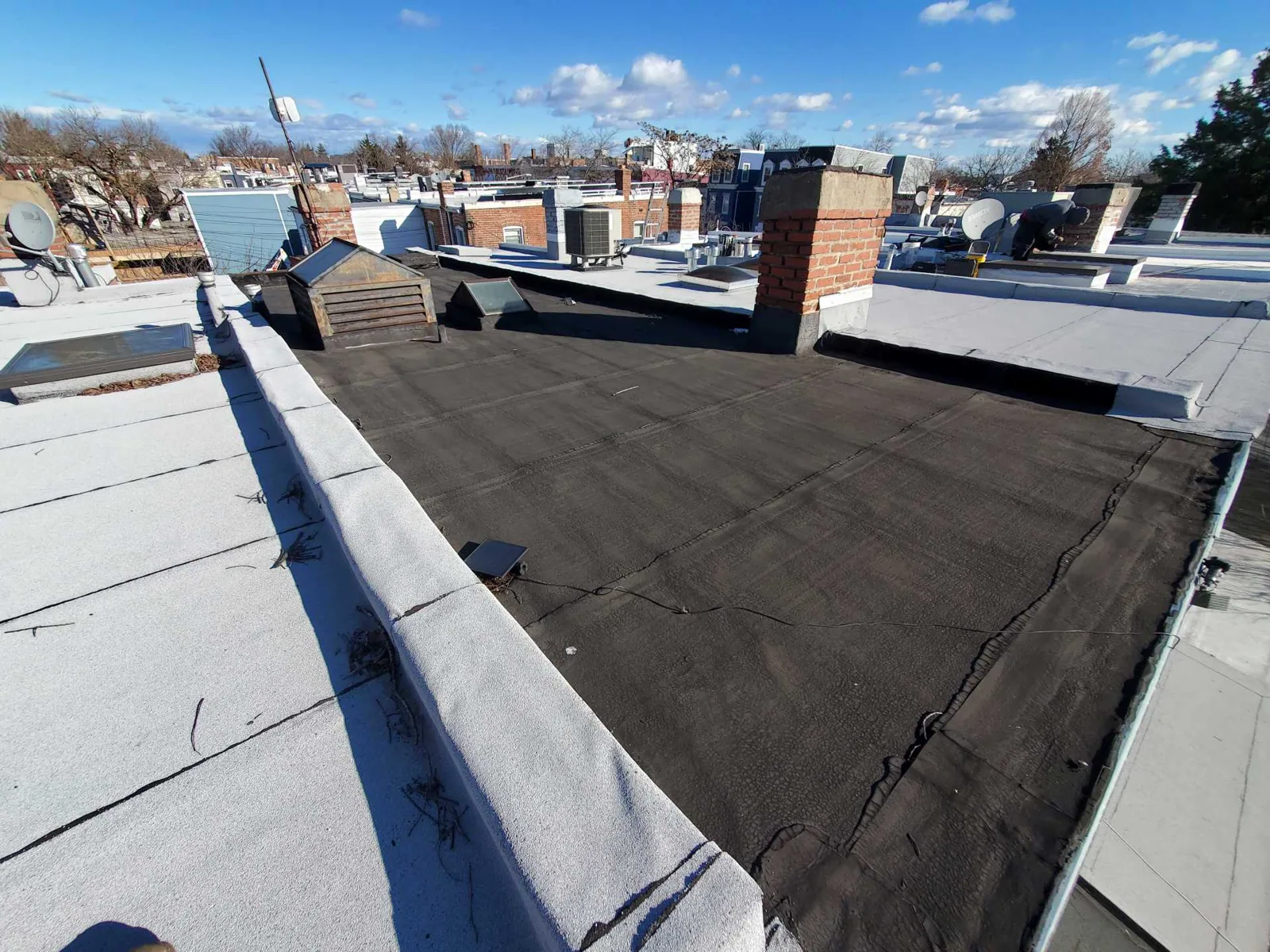
Plan modified bitumen roofing in Hialeah by checking ply condition, flashing, drainage, heat exposure and the repair or replacement boundary.
Built-Up Roofing
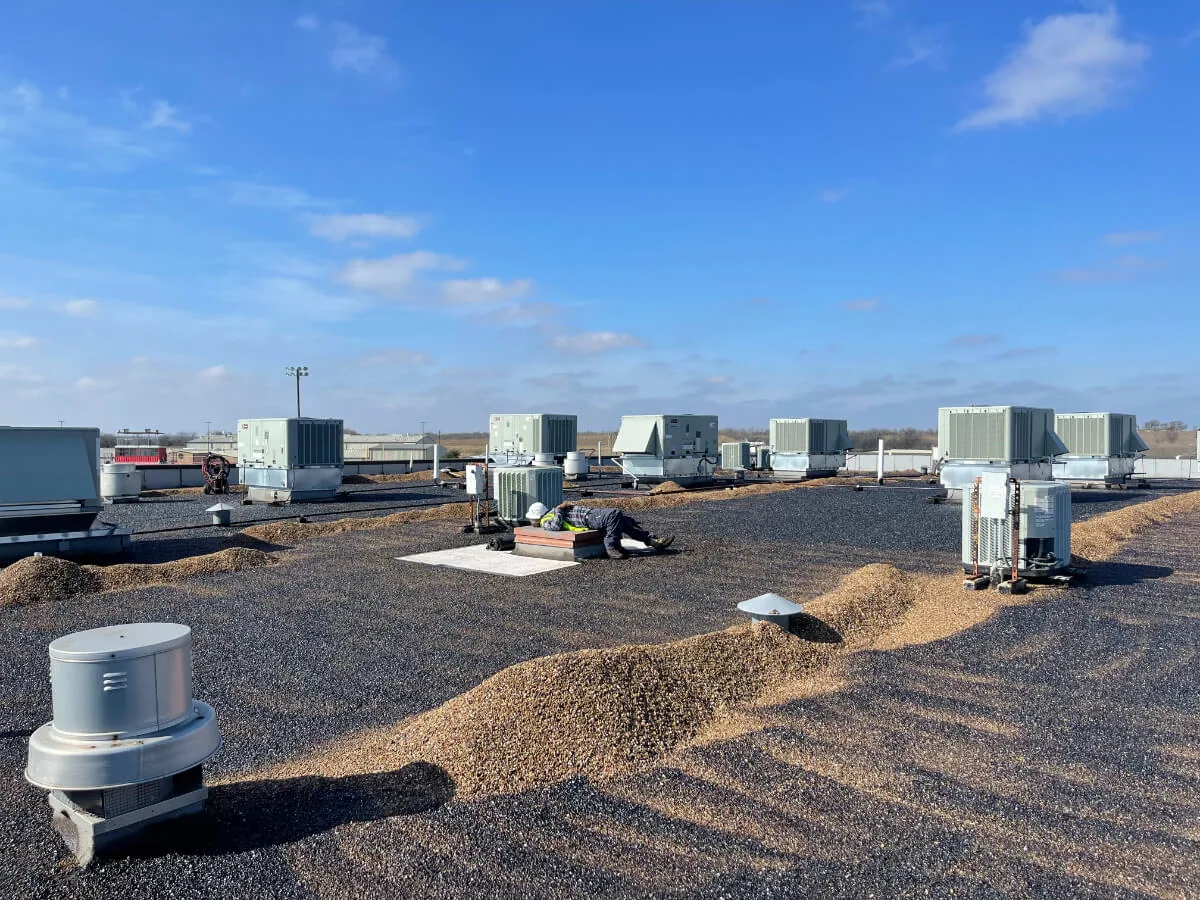
Review built-up roofing in Hialeah by checking ply adhesion, surfacing, drainage, flashing and the layers that affect repair or replacement.
Standing Seam Metal Roofing
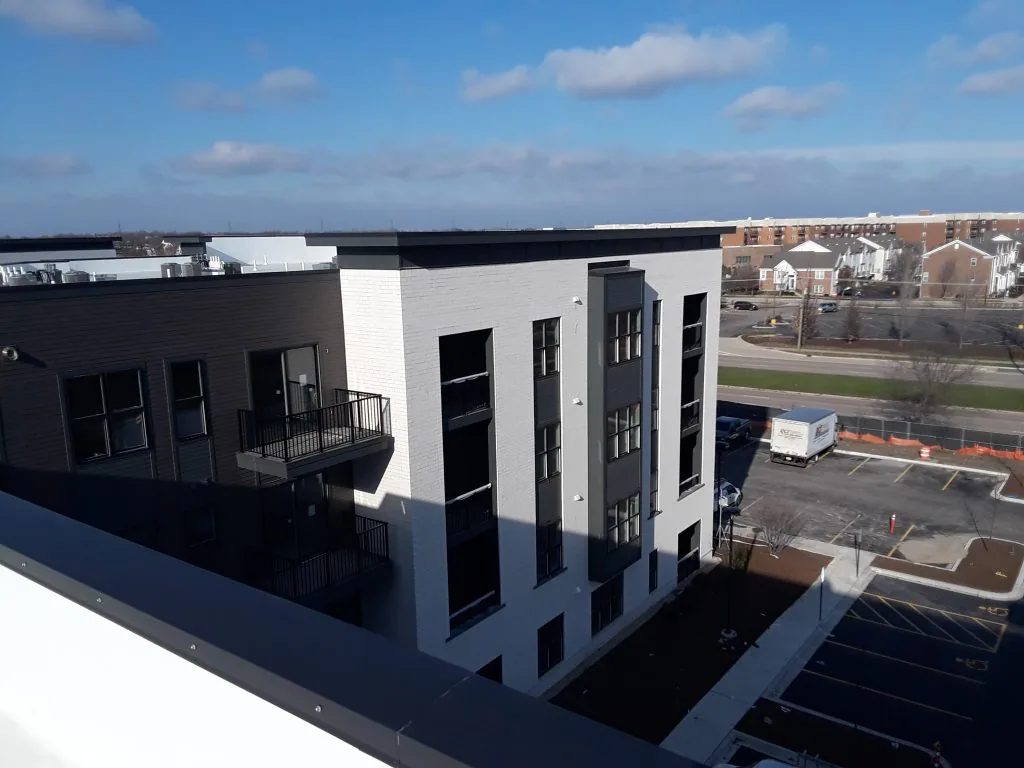
Specify standing seam metal roofing in Hialeah by reviewing panel movement, clips, edges, penetrations, wind design and the existing structure.
Metal Roof Retrofit
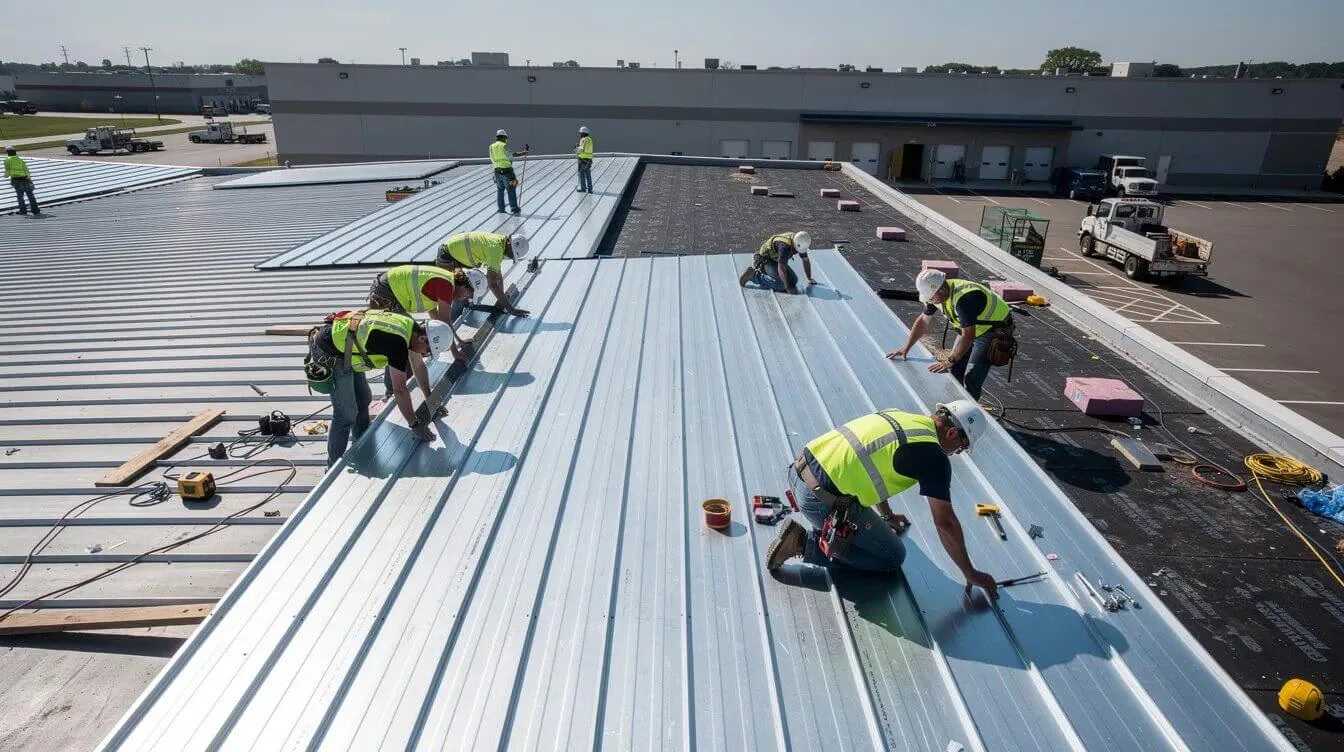
Evaluate a Hialeah metal roof retrofit by checking panel attachment, corrosion, seams, substrate condition, drainage and approval requirements.
Spray Polyurethane Foam Roofing
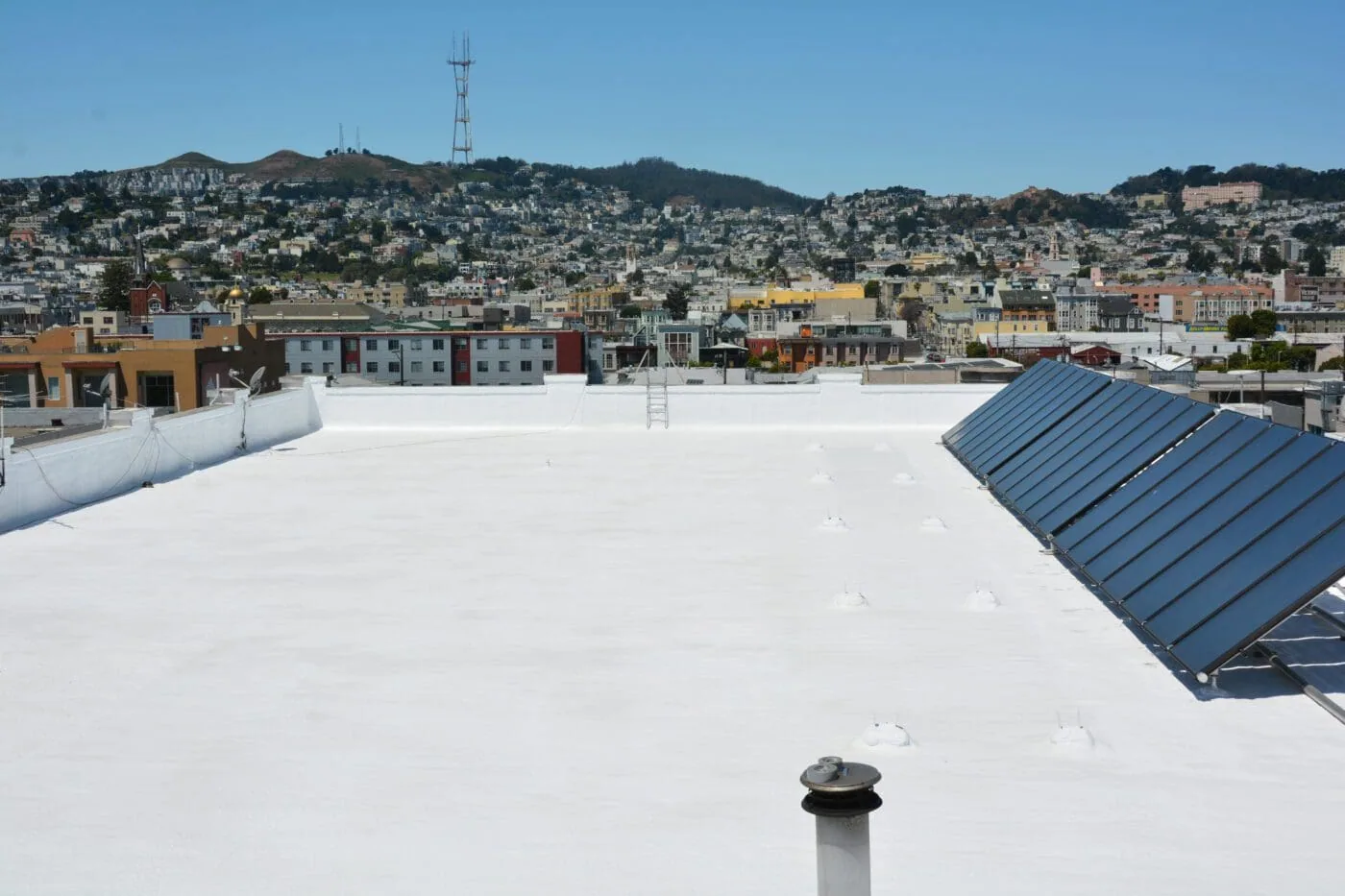
Assess spray polyurethane foam roofing in Hialeah by checking adhesion, drainage, protective coating, penetrations and ongoing maintenance needs.
Silicone Roof Coatings
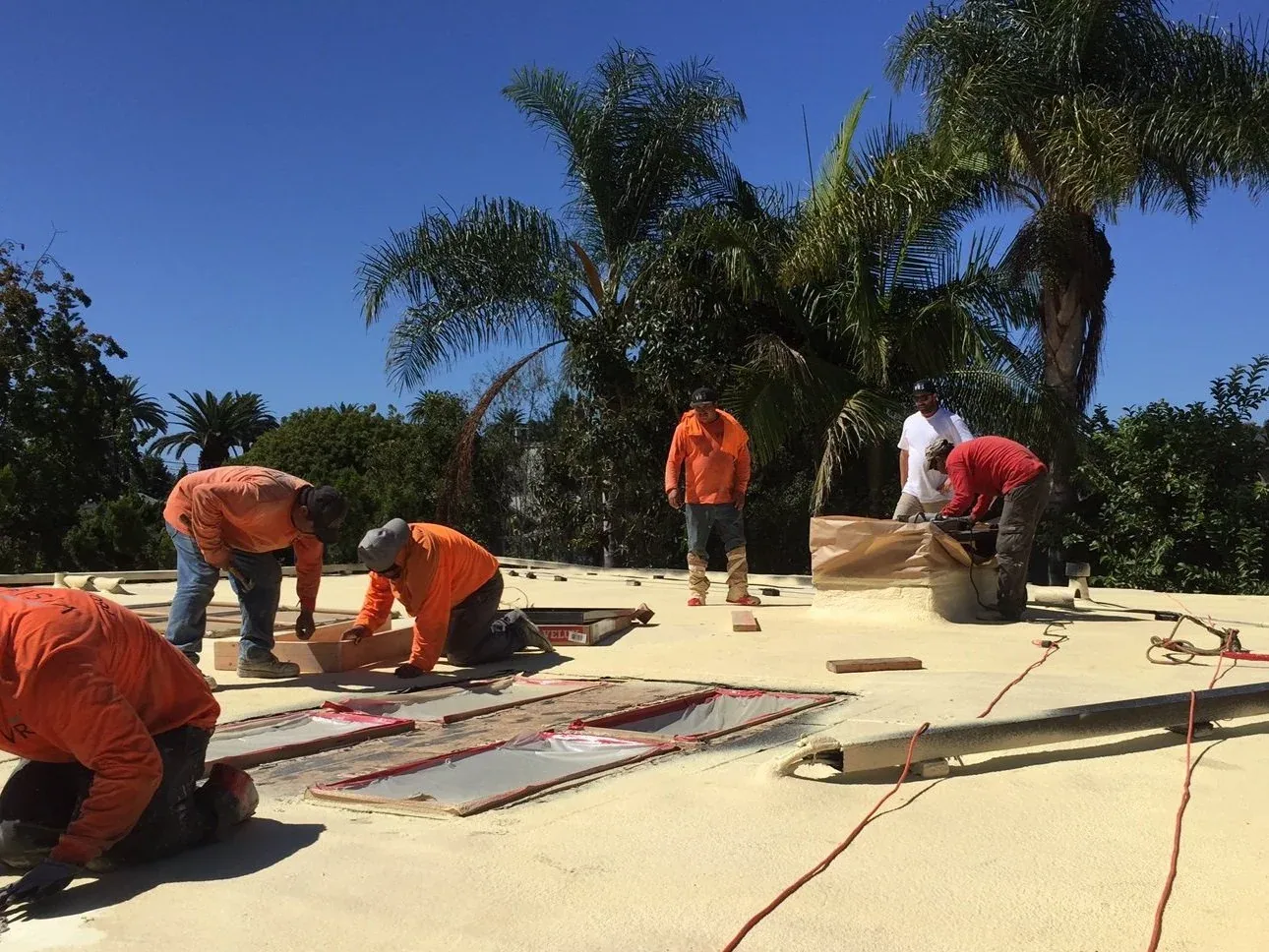
Determine silicone coating eligibility for a Hialeah roof by examining adhesion, moisture, ponding, repairs, drainage and product requirements.
Acrylic Roof Coatings
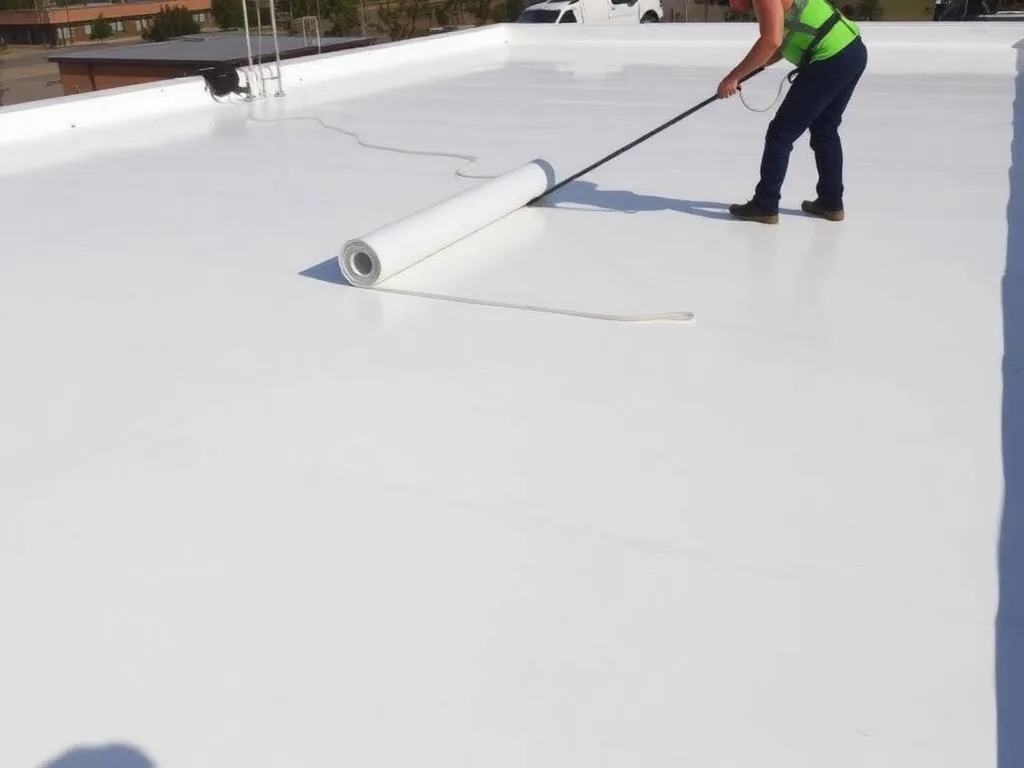
Review acrylic roof coatings in Hialeah by checking slope, ponding, adhesion, surface preparation, repair needs and application weather.
Identify the assembly before pricing work
We check membrane or panel type, seam construction, insulation, cover board, attachment, edge details, penetrations and prior coatings. Those observations matter because repair products and preparation are not interchangeable. A weldable thermoplastic field, an adhered EPDM sheet and a metal panel roof each call for different testing and detail work. Unknown layers or repeated patches may justify selective testing before a replacement scope is fixed. We record the roof section and its condition so an owner can compare current findings with earlier maintenance.
On low-slope buildings, drainage review belongs beside the assembly review. We note drains, strainers, scuppers, overflow routes and low areas. Hialeah's 48.19-inch wet-season rainfall normal makes discharge capacity a recurring operating concern, particularly before the mid-May to early-July stormiest period. A coating cannot correct a blocked drain or weak slope. Where evidence supports it, a separate drain and scupper scope addresses that detail.
Match materials to the roof condition
Thermoplastic systems such as TPO and PVC use heat-welded seams. EPDM relies on compatible seam tapes and adhesives. Modified bitumen and built-up roofs use layered assemblies with their own repair and surfacing methods. Metal systems depend on panel seams, fasteners, clips and penetrations. The existing substrate, moisture condition, attachment and expected access all influence whether repair, recover or replacement is supportable.
We can inspect standing-seam metal, or evaluate silicone restoration where the existing roof is a suitable candidate. Each option has limits. Wet insulation, unstable attachment, incompatible surfaces and unresolved drainage can change the recommendation. We connect each proposed system to its supporting findings and list any field confirmation needed before mobilization.
Plan around weather and occupied space
Summer heat and frequent storms affect staging, exposed work and daily closeout. We divide work into roof sections, protect edges and openings, and keep a watertight stopping point for each shift. On an occupied building near Palm Springs Mile or Palmetto General Hospital, access routes and operating hours need to be confirmed with the property contact. If the roof serves tenants, medical functions or distribution activity, the schedule must account for rooftop equipment and ground-level movement instead of treating the building as empty.
A commercial roof inspection can establish present conditions. If the assembly is repairable, we define a repair boundary; if widespread deterioration or moisture changes the equation, we compare replacement with a recover evaluation. A Hialeah Heights property and a site near West 49th Street receive a recommendation tied to their own observed roof, not a citywide assumption.
Keep the next approval tied to evidence
The owner should be able to see the roof type, observed condition, likely work area, access assumptions and unresolved questions in one record. We pair photos with locations and explain whether testing is needed to confirm wet layers or attachment. That record supports a practical comparison of present repair, planned capital work and continued monitoring. Send the property address, available roof history, plans and approval contact, and we can identify the inspection or scope that fits the decision.
Commercial Roofing Questions
Can one roof system be installed over another?
The existing assembly, moisture, attachment, deck condition and code requirements decide whether an overlay is appropriate. We inspect those conditions and document any testing needed before confirming a recover scope.
What decides whether a recover is suitable?
The inspected assembly must be dry, stable, attached and compatible with the proposed system and code requirements.
How should two system bids be compared?
Compare removal, retained layers, drainage, attachment, edge details and the same measured roof area.
Which detail is easiest to overlook in a system price?
Drains, curbs, parapets and edge transitions can change preparation and should appear in the construction scope.