
Data Center Roofing in Hialeah, FL
Property Types We Roof
A ceiling alarm, water mark or roof penetration above a critical room needs a controlled response. We locate the source, map the affected roof section and coordinate access with the facility contact before touching the assembly. Hialeah has direct access to Miami International Airport and Opa-locka Executive Airport, and Hialeah Heights has industrial and distribution development. We verify the data-center address, equipment map and roof assembly before setting scope.
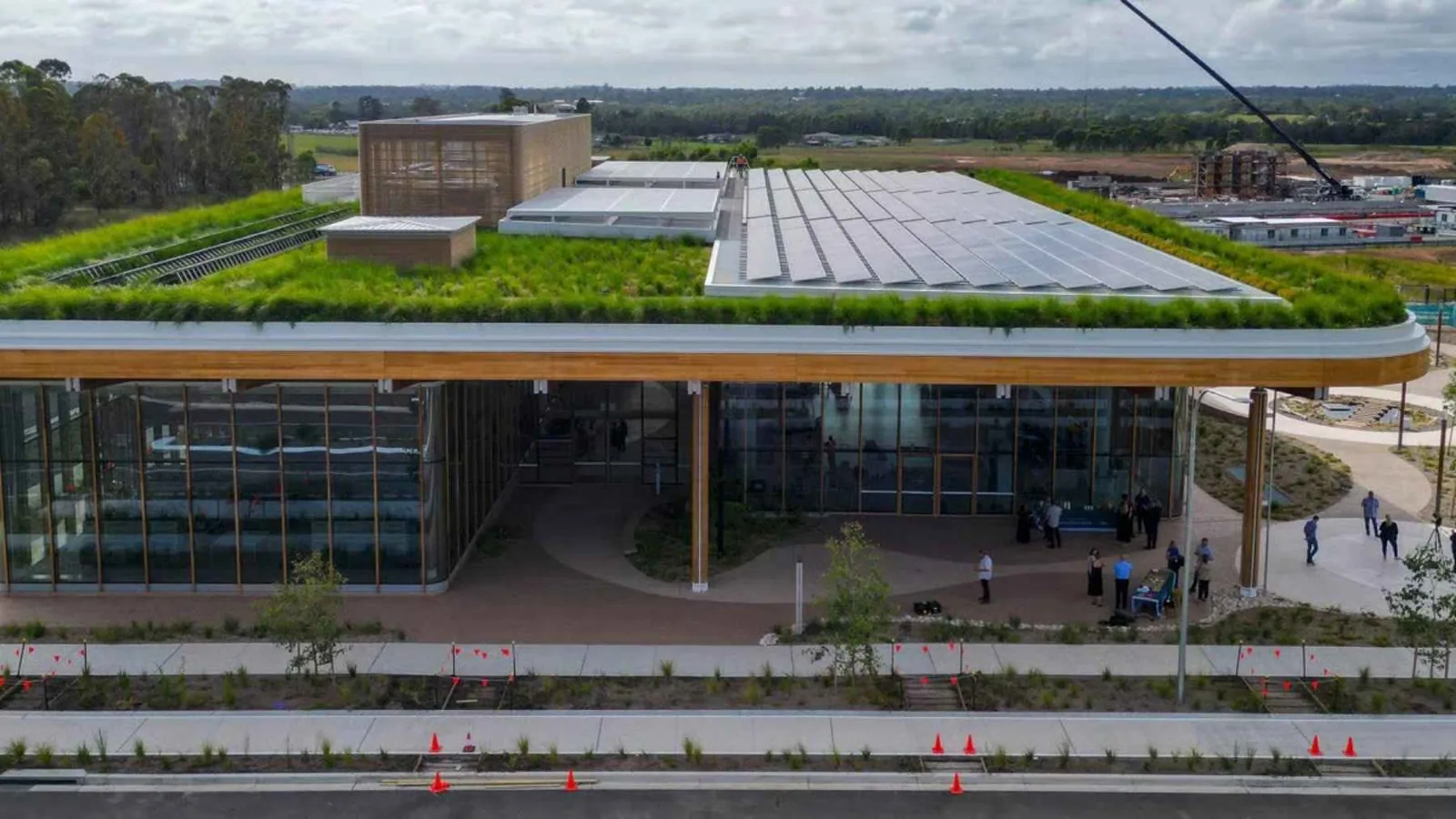
Trace water without losing the equipment map
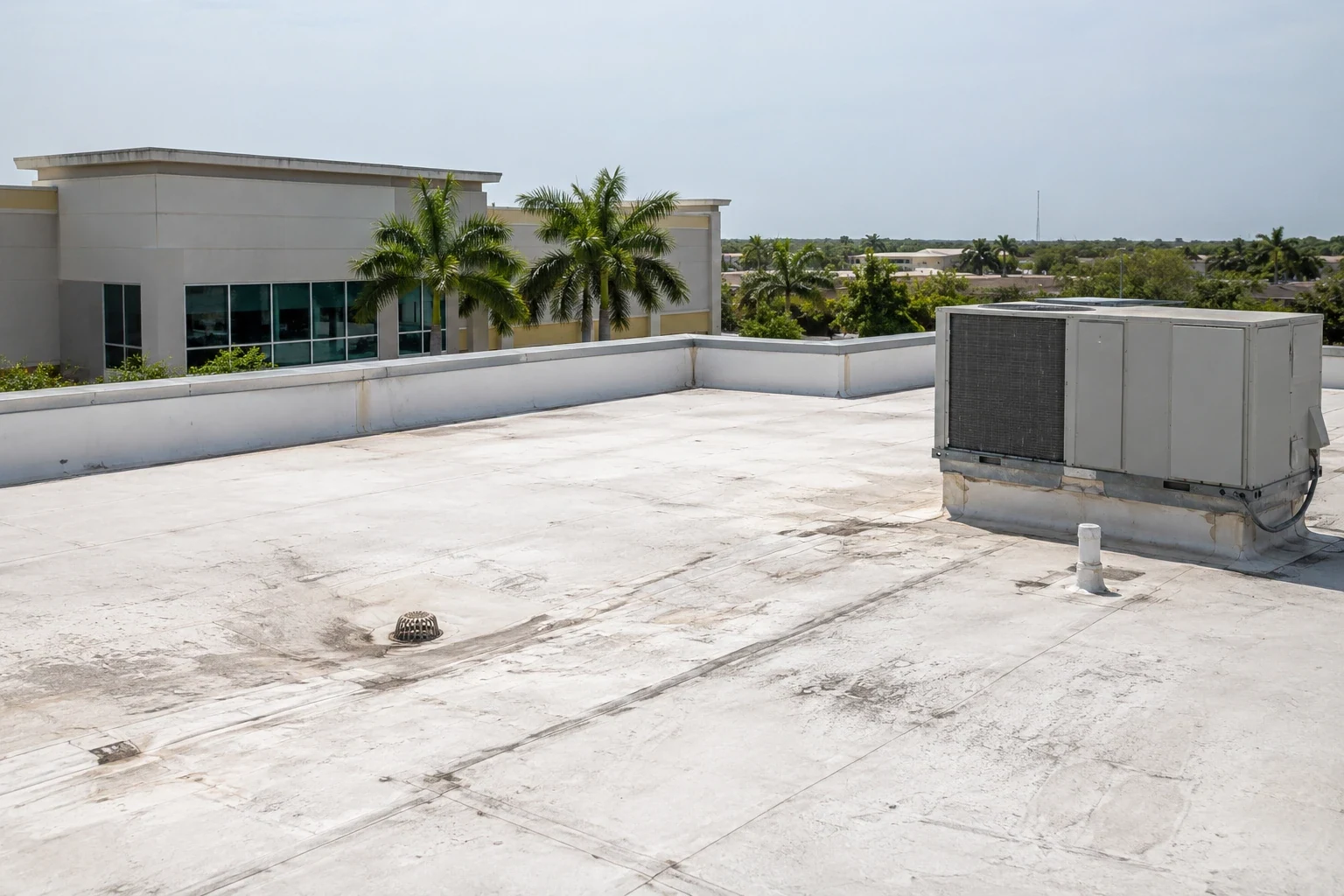
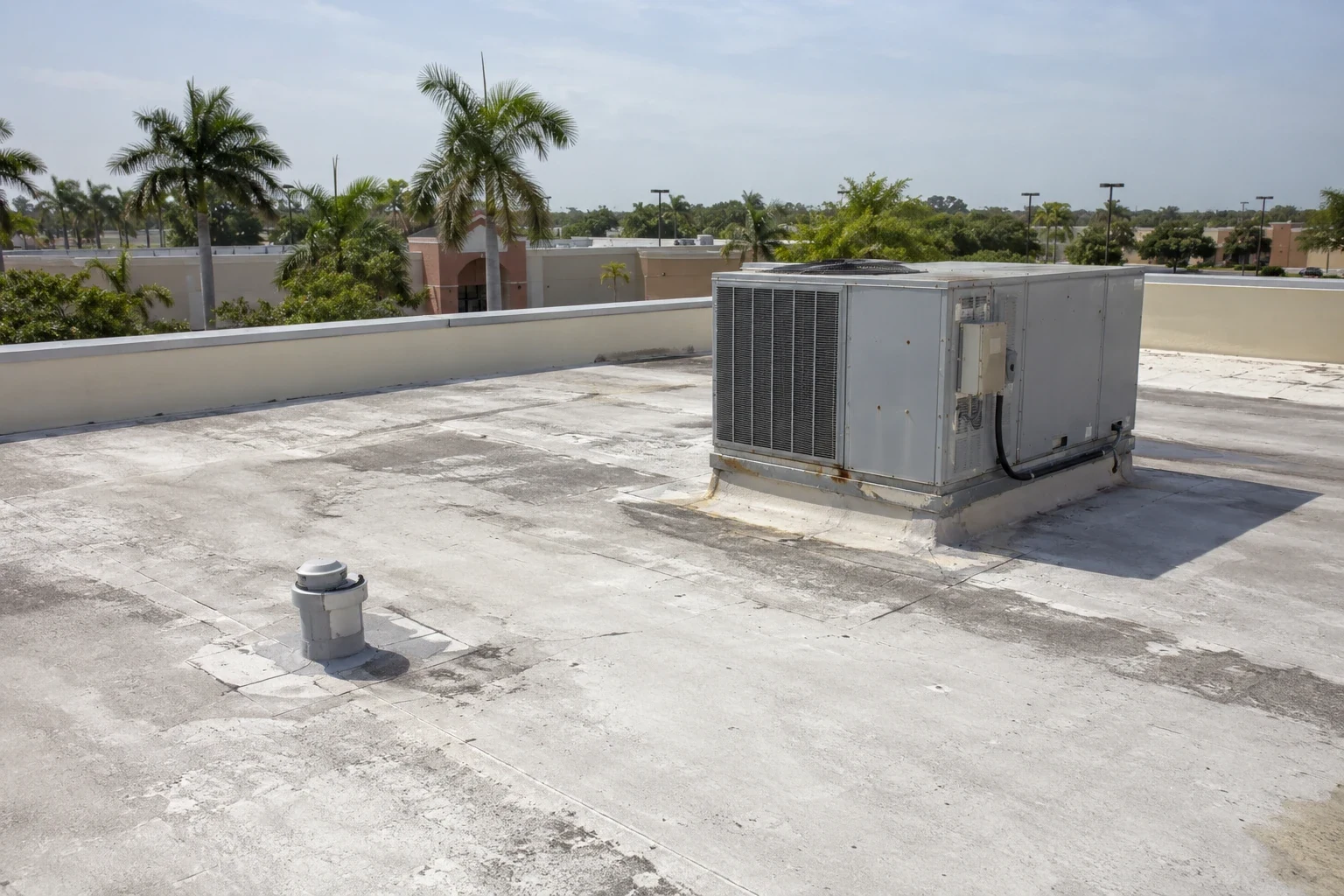
We compare interior alerts and visible moisture with roof seams, drains, flashings, curbs and nearby equipment routes. A stain can travel along a deck or conduit before showing below. We document the room or corridor, the overhead service zone and the corresponding roof section, then inspect around the likely entry. Moisture readings and selective test cuts can establish whether insulation or deck material has been affected.
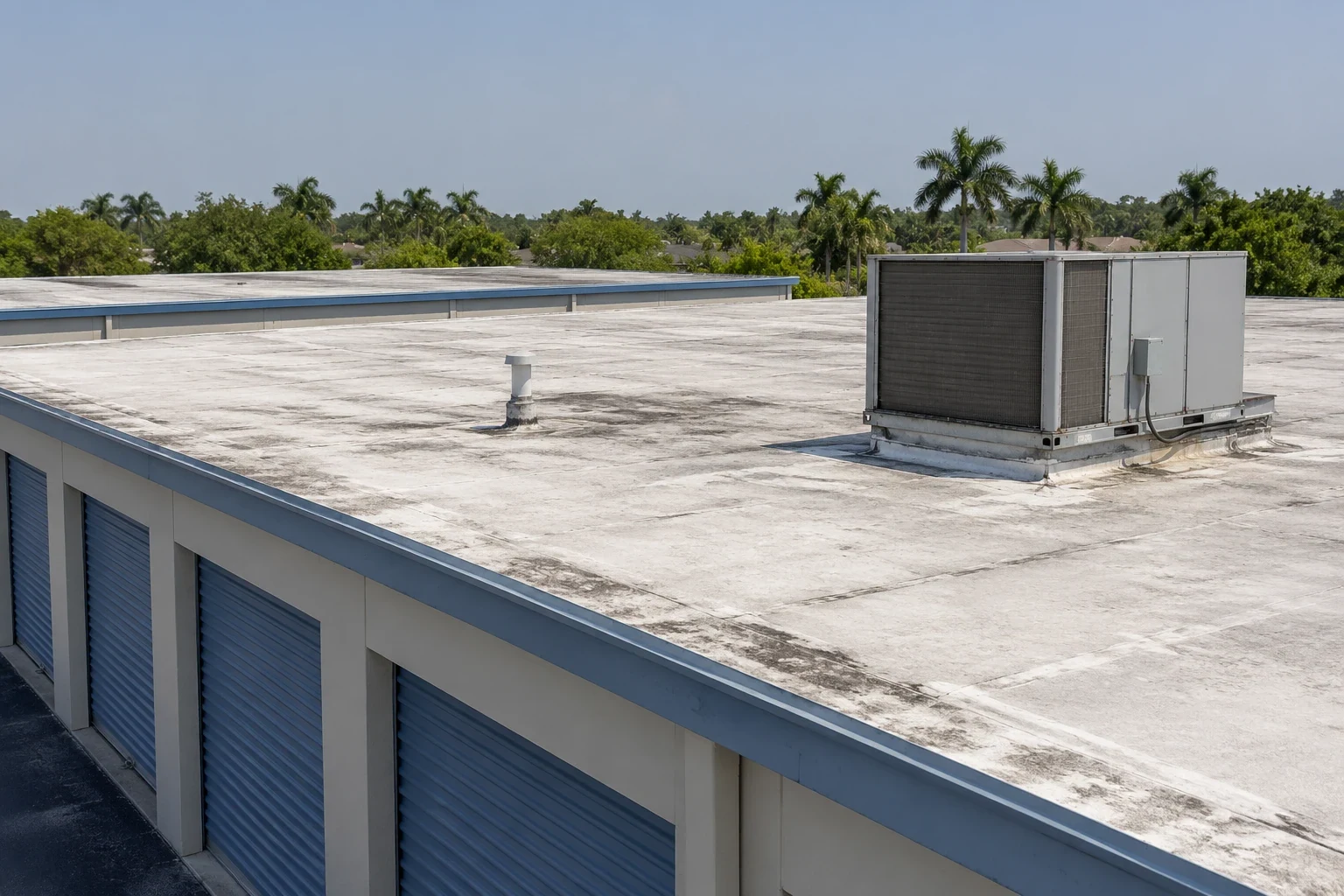
Critical facilities often have several roof penetrations for mechanical, electrical or communications systems, but each opening must be identified at the property. We confirm which penetrations remain active, which were abandoned and who controls an equipment outage. Unsealed abandoned curbs can leak just as readily as active ones. A commercial roof inspection records the condition and access limits; an infrared survey can help prioritize test locations when evidence supports further investigation.
Plan work around critical service windows
Before mobilization, we review badging, escort rules, roof-hatch access, tool control, delivery routes and restrictions on photography or equipment shutdown. The facility assigns the authorized contact for each work zone. Roofing crews protect cable routes and service equipment, and any required isolation stays with the facility's operations team. The agreed work window may be shorter than a normal shift if access requires escort or a room has limited redundancy.
We divide the roof into sections that can be closed and checked before the next service window. Temporary dry-in is inspected at the end of work, and no opening is left dependent on an unverified overnight seal. If an equipment curb, pipe or conduit moves, the interface needs a coordinated support and flashing detail. A curb and equipment-support scope can be coordinated with a new office roof project, but data-center access rules and uptime controls need their own plan.
We confirm how the facility tracks requested changes after a crew enters the roof area. A newly discovered crack, wet insulation or damaged support should be reported through the site's change-approval path before materials or work limits are altered. The field lead and facility representative agree on what can be stabilized immediately and what needs a revised scope. That record protects continuity planning and makes the final work history usable at the next maintenance review.
Access is re-confirmed if the roster, escort or work window changes. The facility contact re-clears any new roof area or equipment interface against current operations before the crew proceeds.
Secure the roof before weather shifts
Hialeah's wet-season normal is 48.19 inches, and the stormiest stretch runs from mid-May into early July. A small opening can be consequential if water reaches power, cooling or network equipment. We check the drain path, protect penetrations and limit tear-off to what can be securely closed during the approved work window. The site representative confirms interior monitoring and response contacts before an active section is opened.
Later tropical risk and summer heat also shape mobilization. We stage materials so equipment routes stay clear and follow the specified installation conditions. If a leak threatens an operating room, emergency roof response can secure the entry point while the facility coordinates any internal safeguards. A repair is recorded separately from a broader replacement so the operations team can track both the immediate control and remaining exposure.
Price security and uptime controls explicitly
Data-center roof work can include detailed access coordination, escorts, security check-in, limited work windows, interior protection, redundant-system restrictions and extra closeout documentation. Roof costs also move with tear-off, moisture extent, deck repairs, insulation, penetrations, perimeter details and drainage. We list which site controls are included and which the facility provides. If test openings uncover additional wet material, the approval path is documented before scope expands.
Hialeah Heights has industrial and distribution development, and nearby airports serve aviation operations. The data facility's team supplies its access protocol, equipment map and critical work window. A condition report can show verified roof findings and unresolved tests, while a Hialeah Heights location review establishes only the market context, not a facility claim.
Give facilities a recoverable work record
The closeout record lists the roof sections opened, the temporary closures used, final assembly details, tested locations and any conditions not resolved. We include photos only where site rules permit and label them to the authorized facility map. The owner should also retain product documents, change approvals, maintenance recommendations and the name of the operations contact who accepted the completed work.
Provide the site address, roof plans, access protocol, leak alerts and the person who approves work. We will inspect within the permitted access window and return the findings in a format that facilities can reconcile with its maintenance records. At a building near Miami International Airport properties, the facility contact confirms vehicle and security procedures for roof work. For parallel coordination practices, a hospital campus roof project also requires facility-led protection of critical operations.
Questions
WHAT OWNERS ASK
Can roof repairs happen while a data center stays online?
They can when the facility defines the work zone, equipment restrictions and escalation contact, and the roof opening can be secured within the approved window. We coordinate overhead protection and access with operations. Some conditions may require a planned shutdown or a smaller repair stage. The facility's continuity plan governs those decisions.
How do you handle roof access at a secure facility?
We follow the property's check-in, escort, tool and photography rules. The facility identifies authorized areas, work hours and any system interfaces that cannot be disturbed. We provide the crew and material details needed for entry in advance and keep roof access limited to the approved route. Any change to scope is reviewed through the site's designated contact.
What is needed to investigate a roof leak above a critical room?
An interior alert location, roof plan, equipment map, access rules and recent maintenance record help direct the inspection. We trace the leak to roof details, document moisture evidence and identify tests that require approval. We do not assume a ceiling alarm marks the entry point. The report separates confirmed conditions from areas that remain inaccessible.
What should a data-center reroof proposal include?
It should define assembly, drainage, penetrations, security controls, work windows, temporary dry-in, protection below and the approval route for concealed conditions. We also identify closeout records and any testing needed before removal. The facility should review operating constraints with the roofing sequence before work is scheduled. Each assumption is tied to the address and roof plan.
Related Roofing Work
Coordinate roof work with facilities
Provide the site address, access rules, roof plan and operations contact. We will map the condition, coordinate a secure inspection window and document the next approval.