
Commercial Roof Inspection in Hialeah, FL
Commercial Roofing Services
A useful roof inspection answers what is happening, where it is happening and what decision should follow. We examine the roof assembly, drainage, penetrations, edges and accessible interior conditions, then sort findings by urgency and evidence. Hialeah Heights has industrial and distribution development; Palm Springs Mile and Westland Mall are major commercial areas. At each address, we record the roof age and construction where the plans and field evidence establish them.
Set inspection limits before the site visit
We review the reason for the inspection, roof history, available plans, known leaks, prior repairs and any warranty conditions. The owner identifies roof sections, tenant rules, escort requirements and sensitive areas. We clarify whether the request is a general condition review, leak investigation, pre-purchase survey, maintenance check or evaluation for a proposed repair. Those scopes answer different questions and require different levels of testing.
At the site, we confirm access and visible roof construction before walking. Unsafe edges, wet surfaces, lightning, high winds or fragile materials can restrict access. We record areas that could not be inspected and explain what additional access or equipment would be needed. A visual review does not expose concealed layers; test cuts or other diagnostics are separate steps when the decision depends on conditions beneath the surface. For an active water issue, a focused commercial leak investigation may be more appropriate than a general survey.
Examine the roof system and its vulnerable interfaces
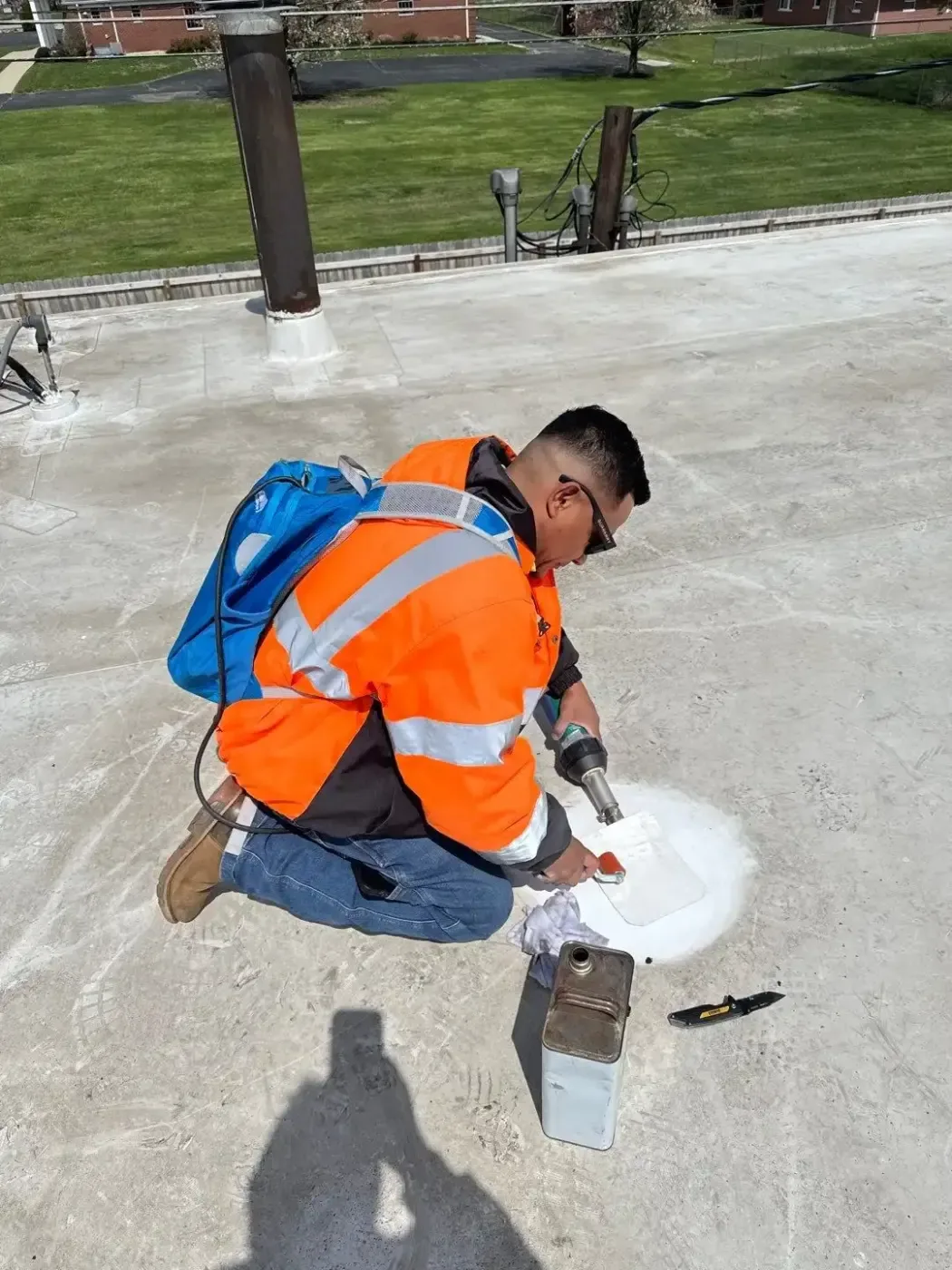
We identify visible membrane, panels or surfacing and inspect seams, laps, fasteners, flashing, terminations, parapets, curbs, skylights and transitions between roof areas. We note punctures, open joints, displaced materials, failed sealants, corrosion, exposed reinforcement and evidence of prior patching. We label visible findings as observations and use testing to establish concealed substrate conditions. Where a defect is measurable, we record its location and approximate extent so the owner can compare it later.
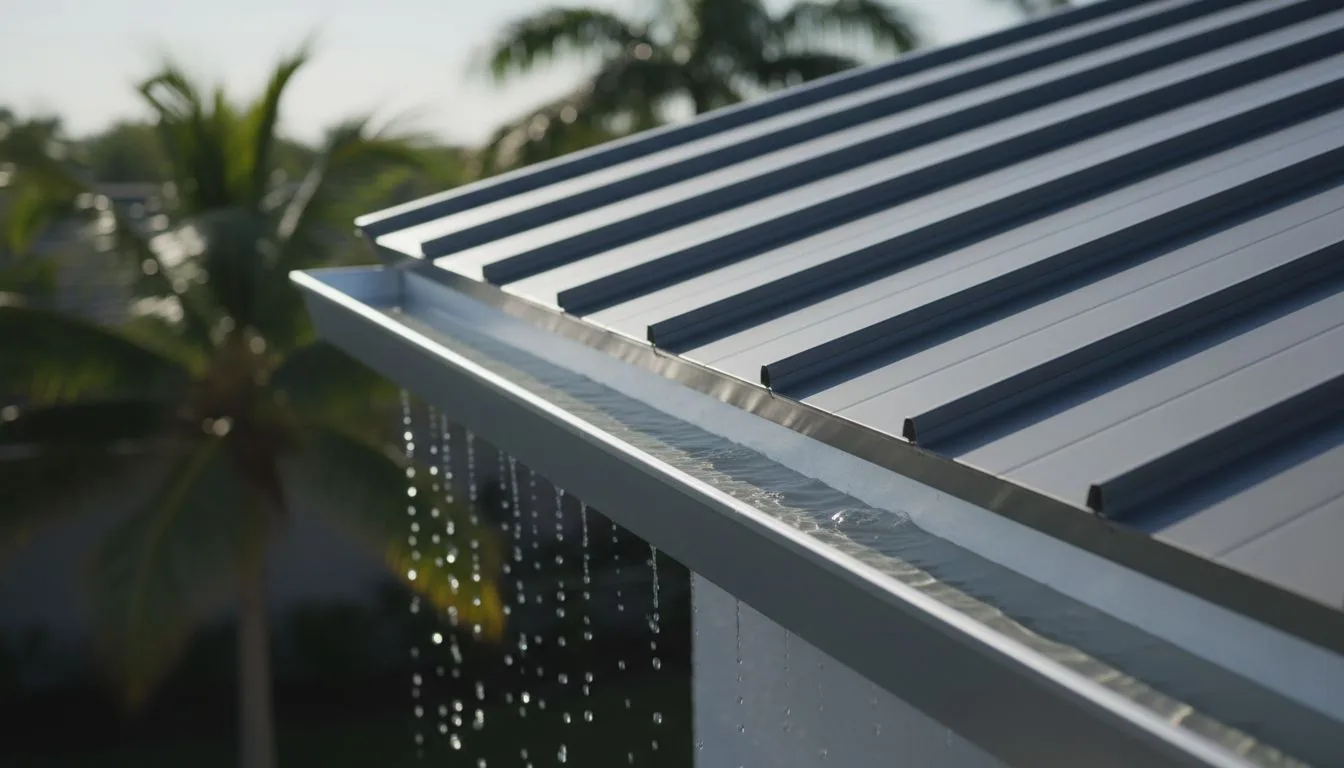
Drainage review considers inlets, strainers, scuppers, overflow paths, slope changes and debris. A blocked opening can be a maintenance issue; persistent ponding may require further evaluation of the roof plane and drain capacity. Equipment curbs and rooftop service pathways can damage membranes when supports, access or protective surfaces are inadequate. We compare the observed condition with roof details, water paths and available repair history to identify the supported cause. Related drainage work or edge and coping repairs can be scoped separately where findings support them.
Connect roof observations with interior evidence
When access is available, we compare roof observations with interior leaks, stains, corrosion, damaged ceiling material or reports from facility staff. A stain may not sit directly below its source because water moves along insulation, deck flutes or framing. We record the reported location and timing, then inspect relevant roof details above and around the affected area. If multiple stains appear, we test whether they share an assembly or drainage path before treating them as one defect.
Moisture meters, infrared imaging, test cuts or other diagnostic methods may help resolve uncertainty, but each has limits and should be selected for the question at hand. A reading needs context such as roof layers, recent weather and comparison areas. We state where testing occurred and which sections were not sampled. If testing identifies wet insulation or a failing attachment pattern, the report can compare a targeted repair with a replacement or recover evaluation.
Interpret Hialeah conditions without overgeneralizing
Hialeah's wet season brings concentrated rainfall, with the stormiest period from mid-May through early July. That makes open drains, intact flashings and reliable temporary repairs important to track before heavy rain. We note visible debris or discharge restrictions and recommend clearing or further evaluation where appropriate. The report records Hialeah's wet-season rainfall context alongside the roof's observed drainage, flashing and temporary-repair conditions.
Hialeah's commercial activity includes logistics and distribution in Hialeah Heights, the West 49th Street corridor, shopping near Westland Mall and institutions such as Miami Dade College's Hialeah Campus. These property uses inform access and schedule questions; inspection records identify the assembly, roof-equipment density and observed defects at each address. If your site is near Hialeah Heights or West 49th Street, provide the property's access rules and contact before scheduling. We keep each building's findings separate, even within one portfolio.
Deliver a decision record, not a photo dump
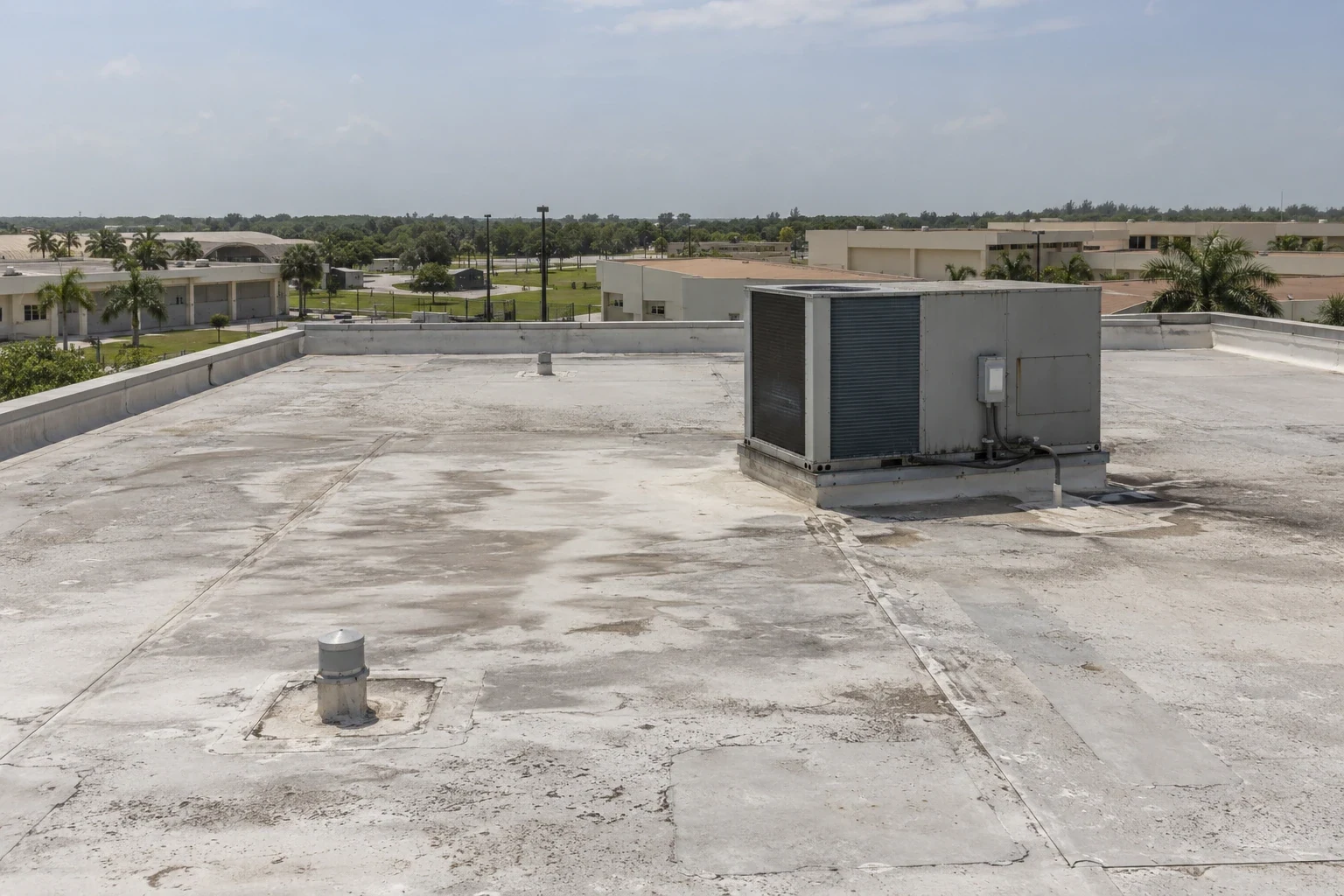
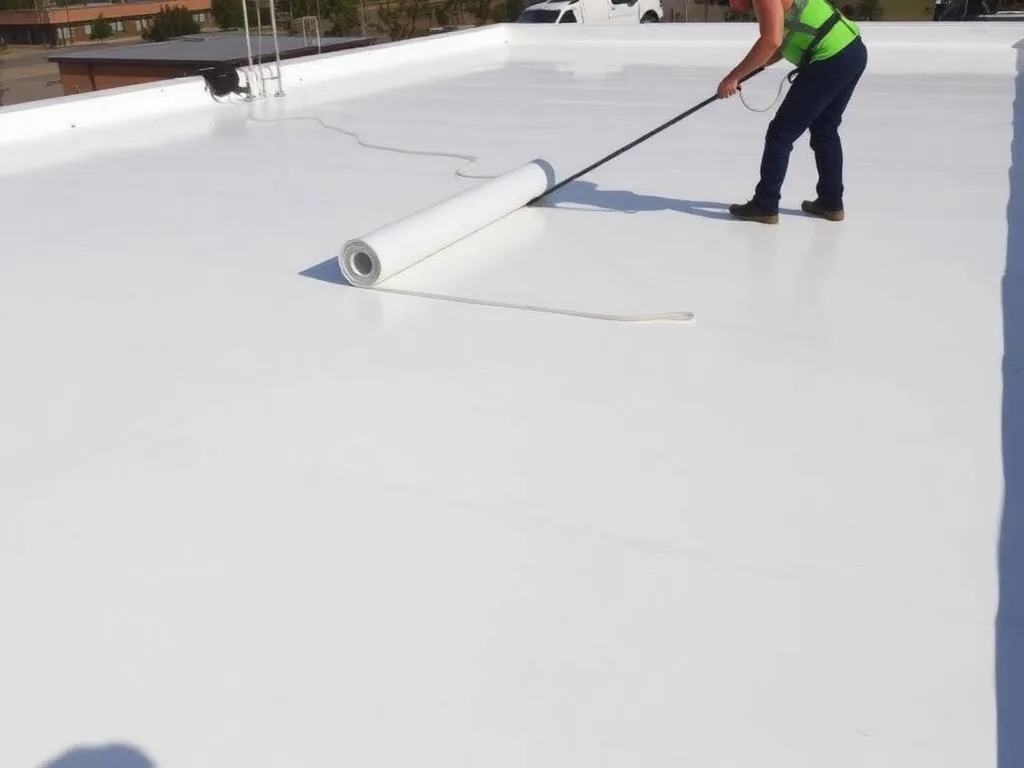
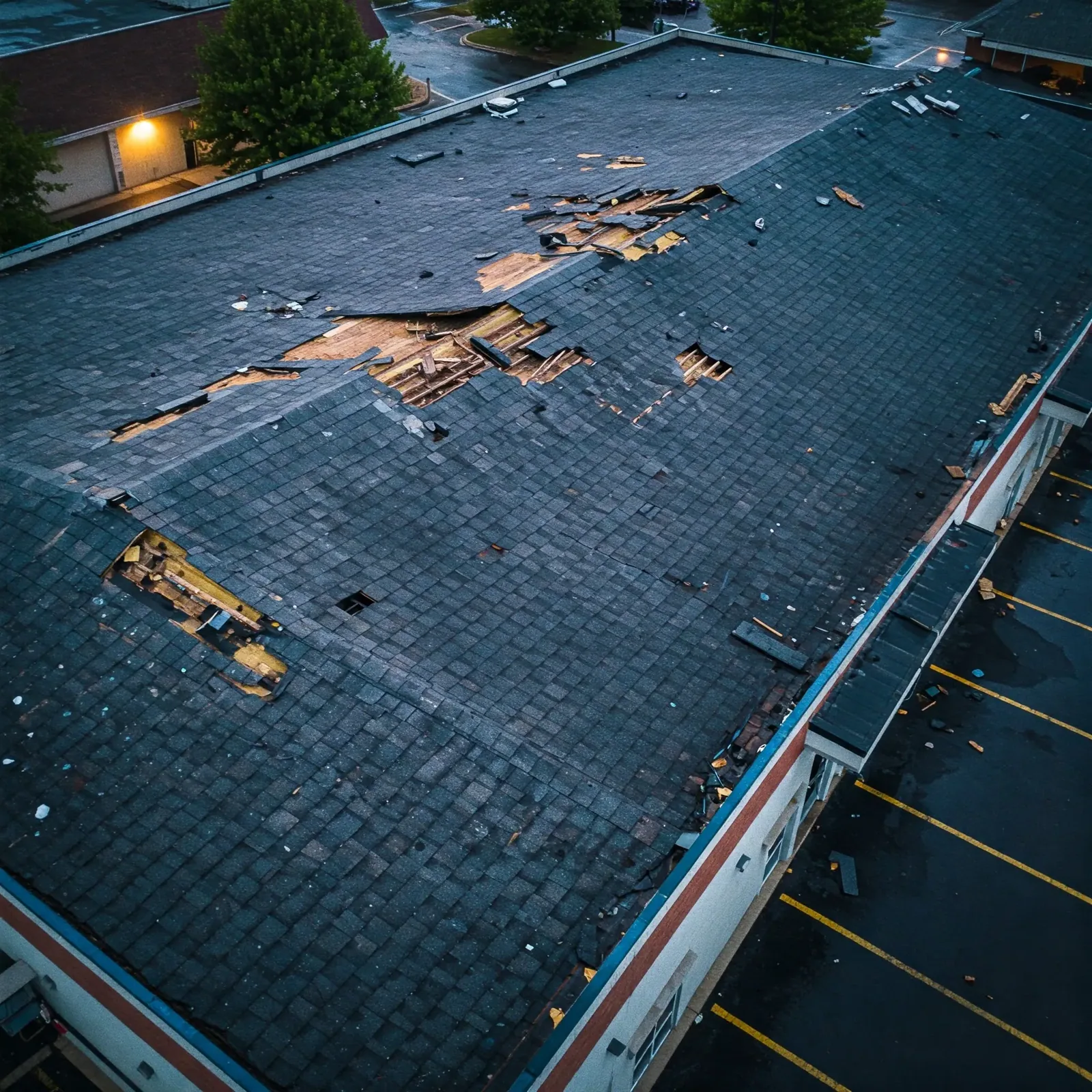
The report names inspected sections, records the date and conditions, maps findings and pairs photographs with locations. Each item is described as observed, tested or reported so the reader can distinguish direct evidence from a facility history. We prioritize immediate water entry or safety concerns, near-term repair needs and routine maintenance separately. For each item, we state a recommended next action and any uncertainty that affects scope.
Owners need enough detail to compare proposals. We include visible assembly notes, drainage and edge observations, leak history supplied by staff, test locations when applicable and areas we could not access. We can group findings by roof section, building elevation or operational zone when those identifiers are available. This structure helps facilities staff match an observation to a work order and lets ownership compare areas without relying on a general condition label. When conditions change after inspection, the original record remains a dated baseline rather than being silently overwritten. The report states when an owner should request a separate warranty review or structural engineering opinion. A condition report can support an owner review, and a capital plan can track repair priorities against replacement timing across separate properties. Photos are labeled for reference so later teams can find the same roof section.
Make the next action clear to facilities and ownership
After inspection, we review urgent findings with the site contact and deliver the written record for ownership. If the evidence is incomplete, we say what a test or follow-up visit would resolve. A repair recommendation defines its boundary; a monitoring recommendation names what change would prompt another visit. This keeps unresolved conditions visible instead of burying them under a broad rating.
Send the address, reason for inspection, roof plans if available, known leaks, prior repair records and the person who approves follow-up work. Tell us about ladders, keys, escorts, operating hours and areas that cannot be entered. We can schedule separate buildings as distinct inspections and keep each report tied to its own property. For a Hialeah asset manager overseeing warehouse, retail or medical space, that consistent record helps compare condition and urgency without treating different assemblies as interchangeable.
Questions
WHAT OWNERS ASK
What is included in a commercial roof inspection?
The scope can include visible roof coverings, seams, flashings, edges, penetrations, drains and accessible interior symptoms. We define limits in advance, record inaccessible areas and recommend testing separately when concealed conditions affect the decision.
Does a visual inspection find wet insulation?
Not always. Moisture meters, infrared methods or test cuts may be needed, and each has limits. We identify the method, locations and interpretation so the owner understands what was tested and what remains uncertain.
What inspection interval fits my commercial roof?
Frequency depends on roof condition, warranty requirements, weather exposure, maintenance history and property operations. We can recommend a schedule based on observed needs and any applicable manufacturer or owner requirements.
Will the report include repair prices?
The inspection report prioritizes observed conditions and next steps. A repair estimate may follow once the work boundary, materials, access and any concealed conditions are clear.
What should I prepare before an inspection?
Provide the address, leak history, prior repair notes, available plans, access rules and site contact. Identify roof sections and operating restrictions so we can plan the visit and state any inspection limits.
Related Roofing Work
Get findings your team can act on
Share the property address, inspection purpose, roof history and access requirements. We will map observed conditions, state limitations and identify practical next steps.