
Cold Storage Roofing in Hialeah, FL
Property Types We Roof
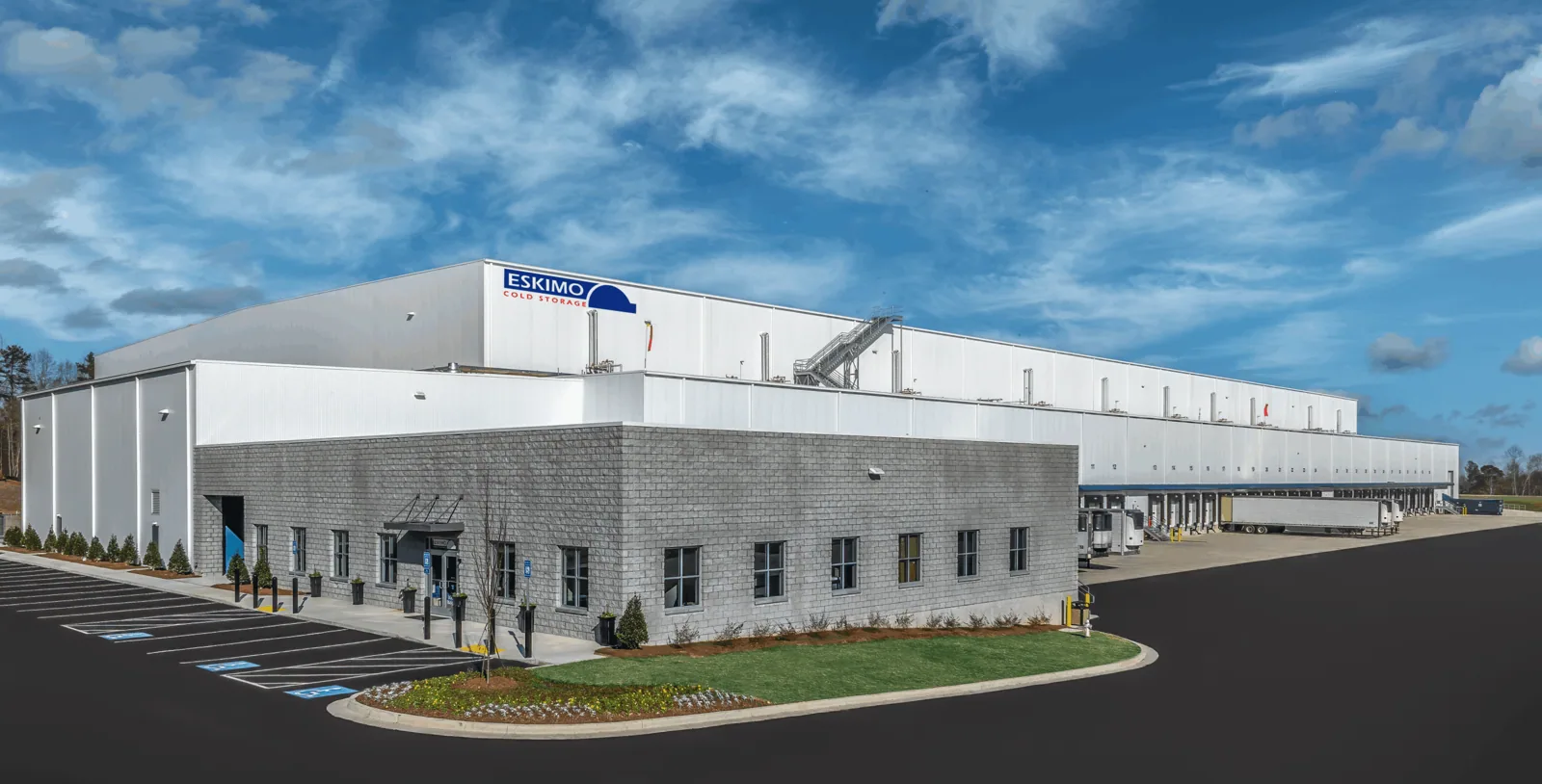
Condensation at a freezer ceiling, a wet patch near a cooler door or water above a pallet bay can point to different roof and envelope conditions. We map the interior symptom, inspect insulation and vapor-control details, and trace any active leak before choosing repair or replacement. Hialeah Heights has warehouse and distribution development, and Medley has cold-storage and distribution operations. At a refrigerated property, we verify the current use and inspect the roof assembly before setting scope.
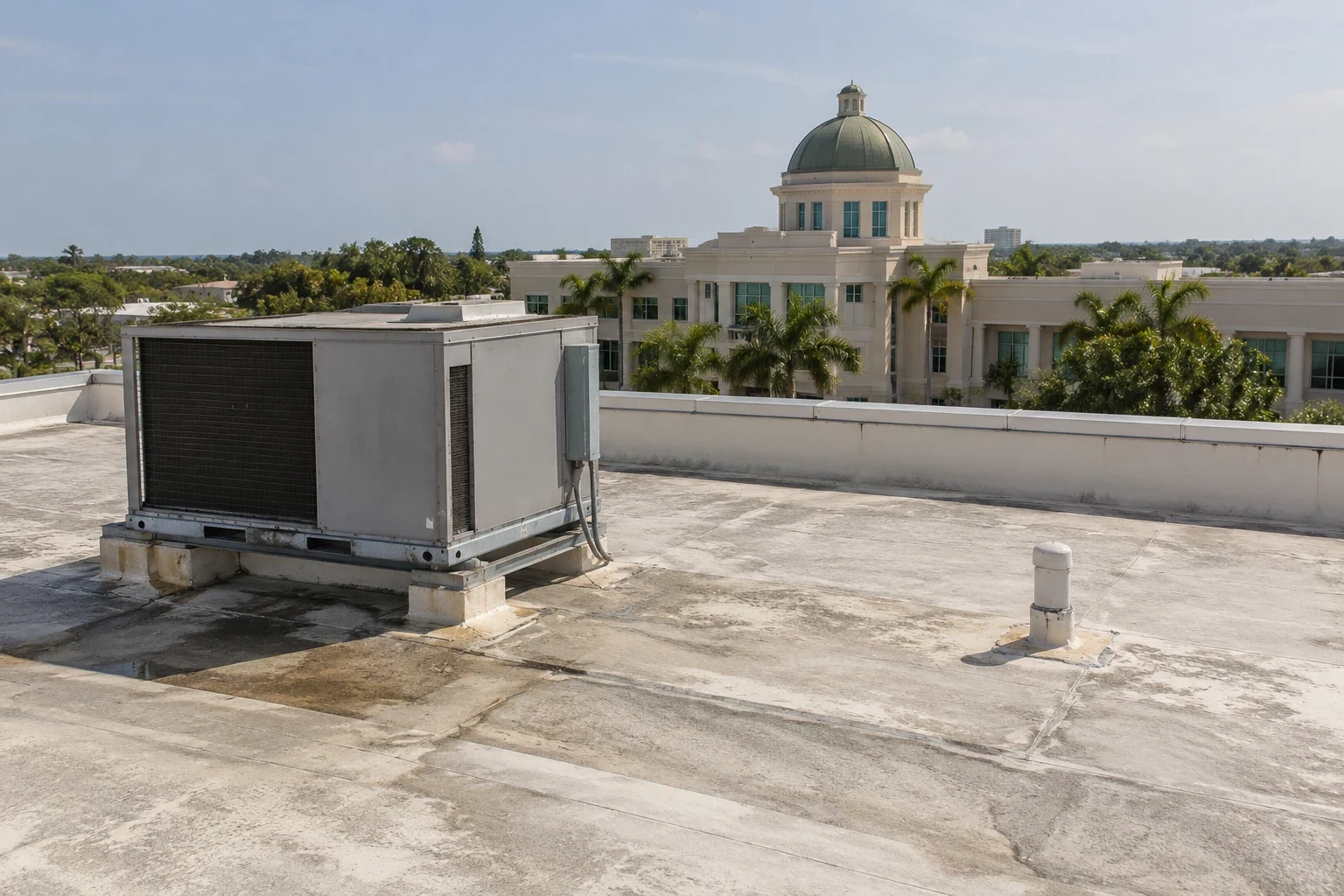
Separate roof water from condensation
A refrigerated building can create a strong temperature difference across the roof assembly. Gaps at penetrations, unsealed joints or damaged vapor-control layers may allow moist air to reach colder surfaces, while a failed roof membrane can introduce water from outside. We distinguish the two mechanisms by comparing leak timing, interior temperature conditions, roof details and moisture evidence, then identify where testing is needed. We compare leak timing, interior temperature conditions, roof details and moisture evidence, then identify where testing is needed.
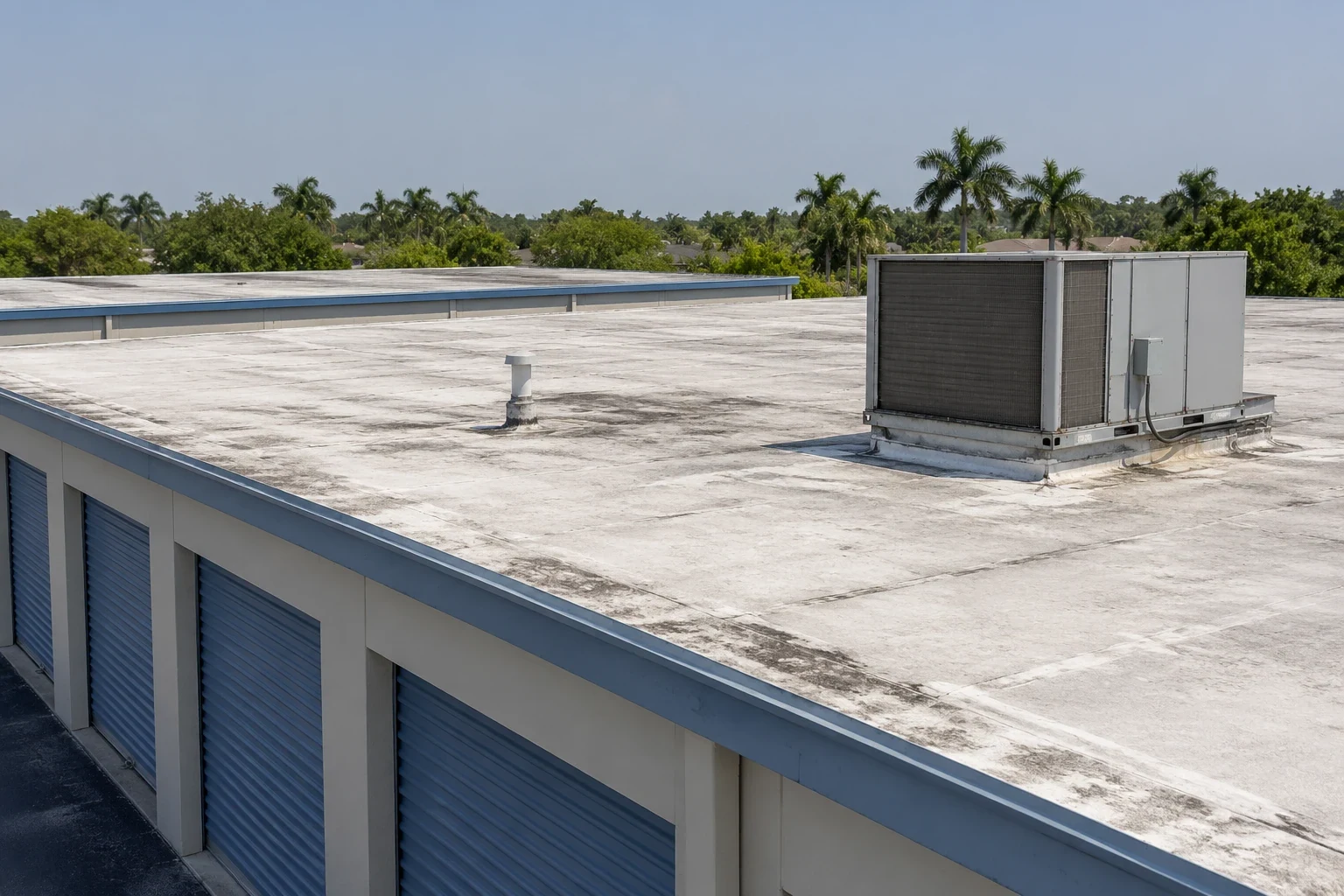
We inspect the membrane, seams, insulation, deck, curb transitions, drains and penetrations around refrigeration equipment. Test cuts help establish whether insulation is wet and how far a defect extends. If the roof itself is sound but a vapor detail has failed, the repair scope differs from a membrane replacement. A moisture survey can guide selective openings, while insulation and cover-board work can be scoped where testing confirms damage.
We also look for roof-to-wall transitions and joints where an addition meets an older room. Temperature zones can meet at these boundaries, and a gap in insulation or air control can create a condensation path that resembles a roof leak. We record the assembly change and coordinate the finding with the facility team before proposing membrane work. The roof scope should describe the actual defect rather than attribute every ceiling mark to exterior water.
Coordinate work with the temperature envelope
Before roof work, we ask which storage rooms must remain within operating limits, whether access panels or ceilings can be opened and where product is staged below the active work area. A roof opening over a freezer requires a tighter protection plan than a non-sensitive corridor. We agree on temporary barriers, work hours, sanitation controls where applicable and the person who can approve equipment shutdown or relocation.
Material removal is staged so the roof can be closed at the end of each shift. We protect exposed insulation from rain, coordinate temporary dry-in and document any condition found at the deck or vapor-control plane. A new curb or pipe penetration needs a sealed transition compatible with both roof and interior temperature conditions. A warehouse roof plan can address loading and stored goods; a distribution-center sequence adds shift and dispatch considerations that may overlap with cold-chain operations.
Keep outside moisture away from cold rooms
Hialeah's wet-season normal is 48.19 inches, concentrated in summer, with the stormiest weeks beginning in mid-May and continuing into early July. Roof drainage and temporary closures are critical when outside rain can reach a cold space or load. We inspect drains and scuppers, verify the water path around rooftop equipment and limit the roof area opened at one time. Moisture trapped in insulation can reduce thermal performance even after a leak stops.
Heat and high humidity outside the building can put additional stress on roof and vapor details during service work. The plan needs to keep penetrations sealed and avoid leaving open joints between shifts. If an active leak threatens stored product, emergency stabilization can secure the opening while testing confirms the extent of wet material. The incident record should note whether the interior temperature range changed and what protective action operations took.
Price the envelope and product protection
Cold-storage roof costs include membrane and insulation scope, vapor-control repairs, curb detailing, test cuts, interior protection, temporary enclosures and staging around active rooms. An assembly with wet insulation may require removal beyond the visible ceiling mark. We show the test results and removal limits, then state how concealed deck damage will be approved. If refrigeration equipment must be isolated, the facility coordinates that action and any separate system work.
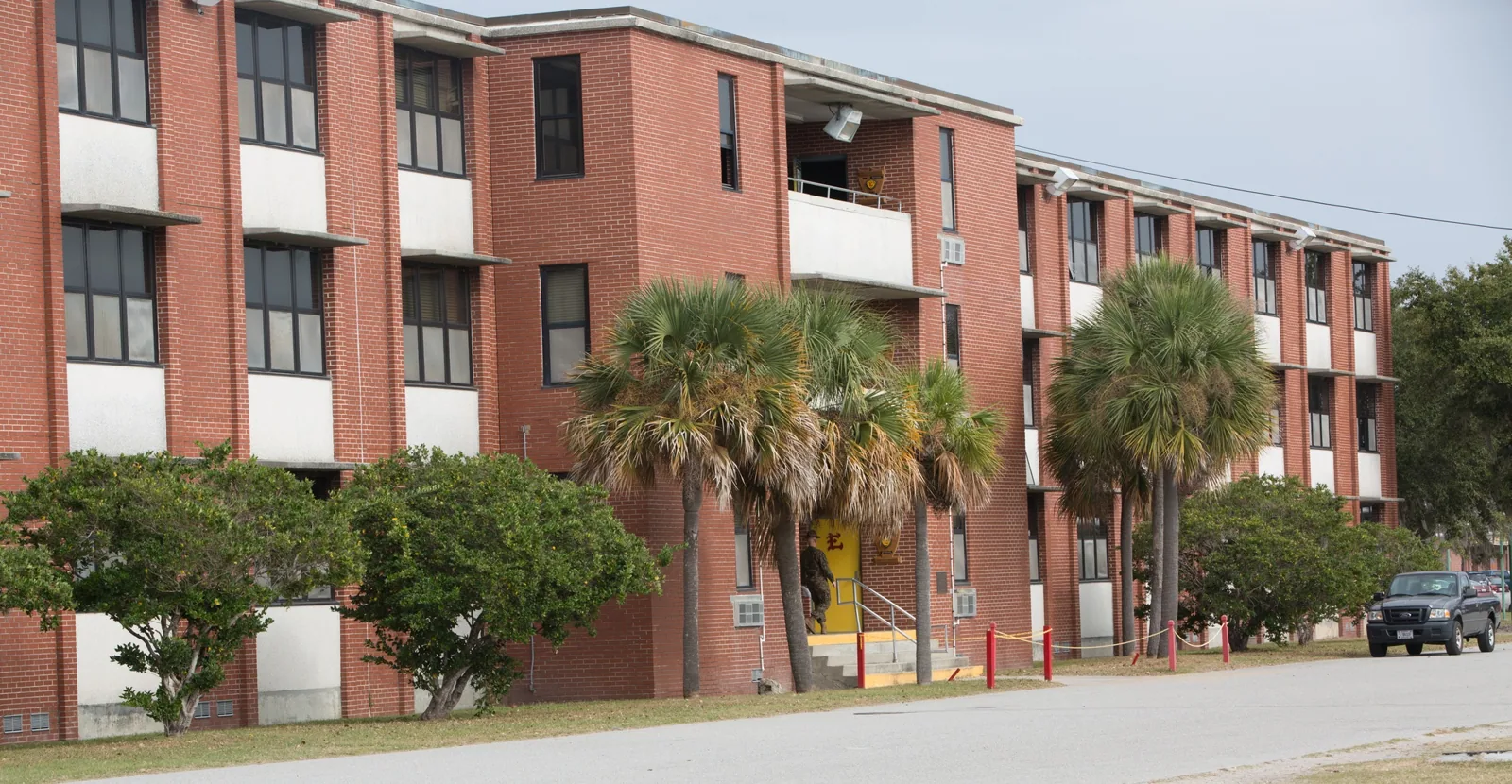
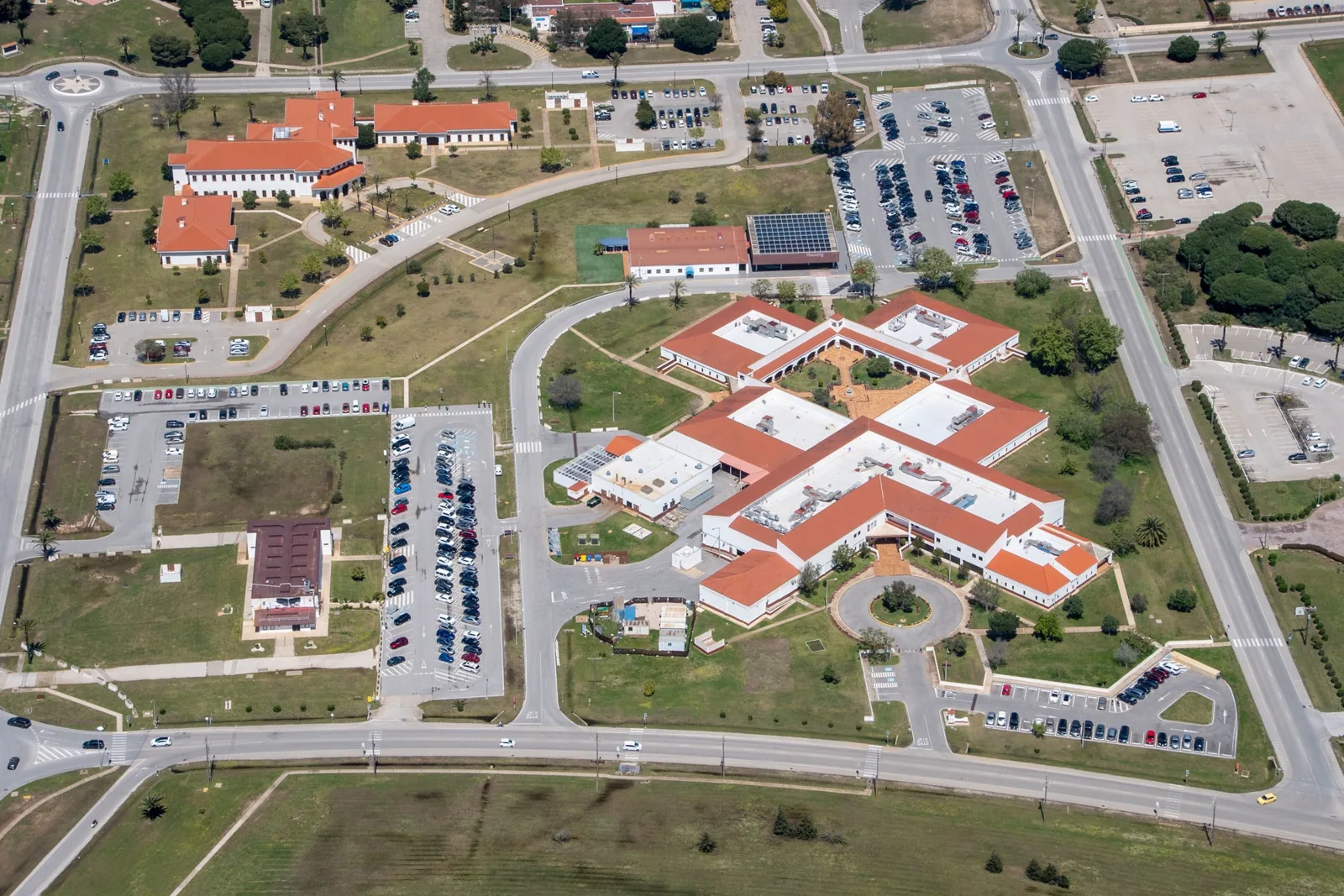
Hialeah Heights has industrial and distribution development; Medley connects major roads with freight rail and supports cold-storage operations. We confirm shipment peaks, truck access, loading temperature requirements and safe work windows with the site manager. We confirm shipment peaks, truck access, loading temperature requirements and safe work windows with the site manager. A condition report can keep roof findings separate from mechanical-system issues and give the approver a clear next step.

Protect the record behind the temperature line
Closeout identifies repaired roof sections, insulation depth and replacement locations, vapor-control details, new penetrations and any areas not tested. We photograph critical transitions and note where ceilings or interior protection were disturbed. The facility should retain the roof documents beside refrigeration service records so future condensation can be compared with roof condition and equipment performance.
Share the building address, room temperature requirements, equipment layout, roof plan and approval contact. We will map the leak or condensation evidence, coordinate safe access and return a scope tied to the assembly. For a property near Hialeah Heights or Medley, the site contact confirms the delivery route and cold-chain schedule before the crew sets its work sequence.
Questions
WHAT OWNERS ASK
How can you tell if ceiling moisture comes from the roof or condensation?
We compare the timing and location of moisture with weather, room conditions and roof details. A roof leak may follow a membrane defect or penetration, while condensation can develop where warm moist air reaches a cold surface. Inspection, moisture readings and selective openings help distinguish the causes. We document what the evidence supports before selecting roof repairs.
Can roof work proceed while refrigerated rooms stay online?
Sometimes, with a work zone, temporary barrier and access plan that protect room temperature and stored product. The facility identifies sensitive areas, approved shutdown windows and sanitation requirements. We limit exposed roof sections and coordinate each day's closure. If safe isolation cannot be maintained, the operation may need a planned pause for the affected area.
Why does wet insulation matter in a freezer building?
Wet insulation can lose thermal value and add moisture to the roof assembly. We test suspect areas and map the extent before deciding how much material to remove. The proposal separates confirmed wet sections from the remaining roof and notes any deck condition found. Drying or replacing insulation must be coordinated with the building's vapor-control details.
What should be included around new refrigeration piping?
The roof opening needs a curb or penetration detail that sheds water and ties into the membrane without leaving gaps in the vapor-control plane. We coordinate dimensions, support, insulation and equipment access before the opening is made. The mechanical and roofing scopes should identify who seals each interface and who inspects the completed transition.
Related Roofing Work
Map the cold-storage roof and envelope
Send the property address, room requirements, roof plans and equipment layout. We will inspect moisture paths, coordinate access and return a section-based repair plan.