
Commercial Roofing in Miami Lakes, FL
Service Areas
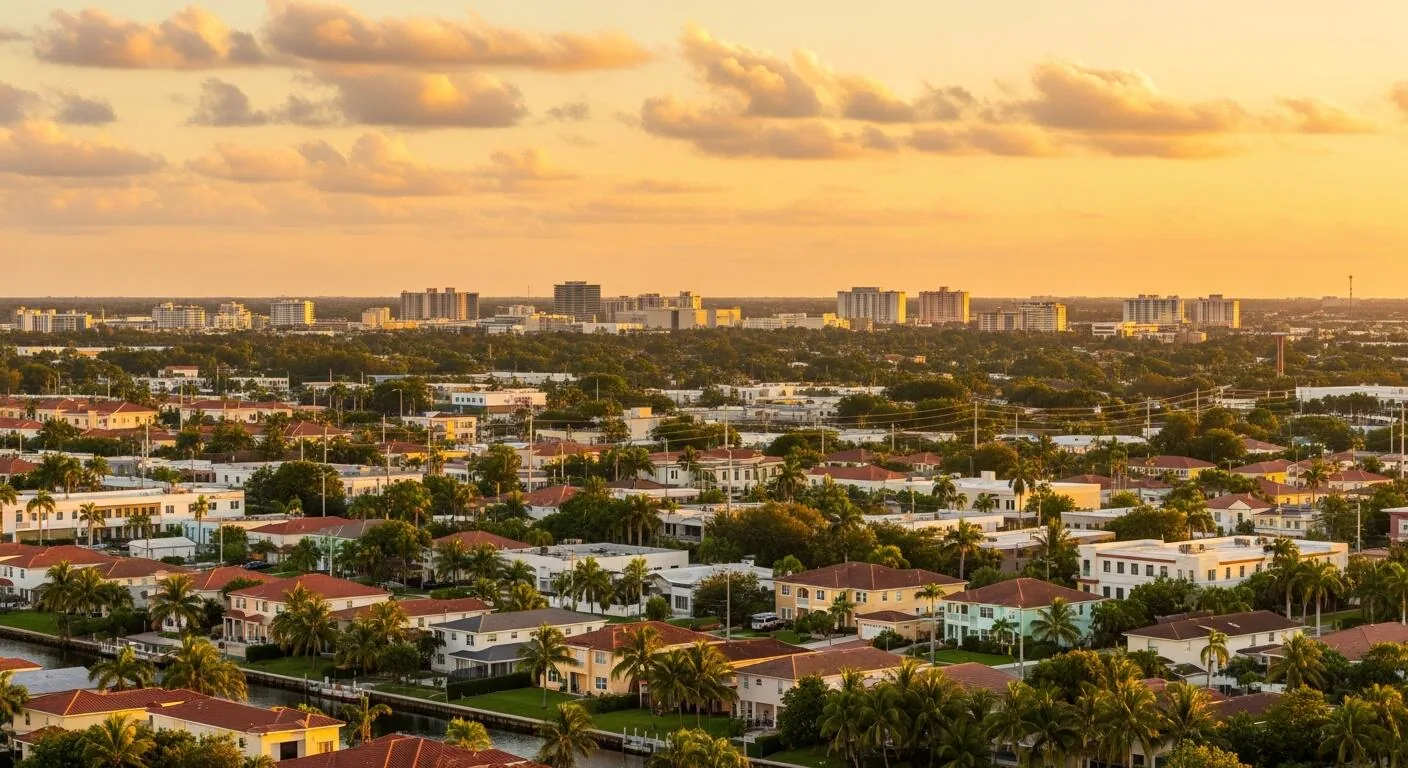
Miami Lakes planning manages neighborhood, commercial and industrial districts. That mix makes the parcel and current use the first roofing questions. We confirm the address, roof plan and facilities contact, then inspect the sections available and map each visible seam, drain, edge and penetration. The report separates a measured repair from a suspected layer that needs testing, so ownership can compare options against the same roof boundary.
The town's economic-development committee promotes its commercial and industrial areas for business. An operating property may have access windows, loading rules or tenant paths that affect the work sequence. We confirm those conditions with the site representative rather than infer them from the district name. A tagged photo record gives facilities a clear view of what was observed, what needs approval and which item can move forward first.

Map the roof to its actual use
Before mobilization, we collect available plans, prior repair records, leak reports and the person authorized to arrange access. Miami Lakes distinguishes neighborhood, commercial and industrial districts in its planning work. Those categories help frame the site questions, but the property contact confirms occupancy, receiving hours, equipment restrictions and roof entry at the address. We identify ladders, lifts, escorts, staging and any route that must remain clear.
On the roof, the inspection maps sections and fixed references, then checks seams, flashings, penetrations, curbs, drains, scuppers, parapets and edge metal. Wide images show the location; close views capture the defect. If a roof area is locked or unsafe to reach, the record names that limit instead of counting it as inspected. A drone-assisted roof survey can document surfaces that are difficult to view from the access route, while a building roof record keeps observations together for future decisions.
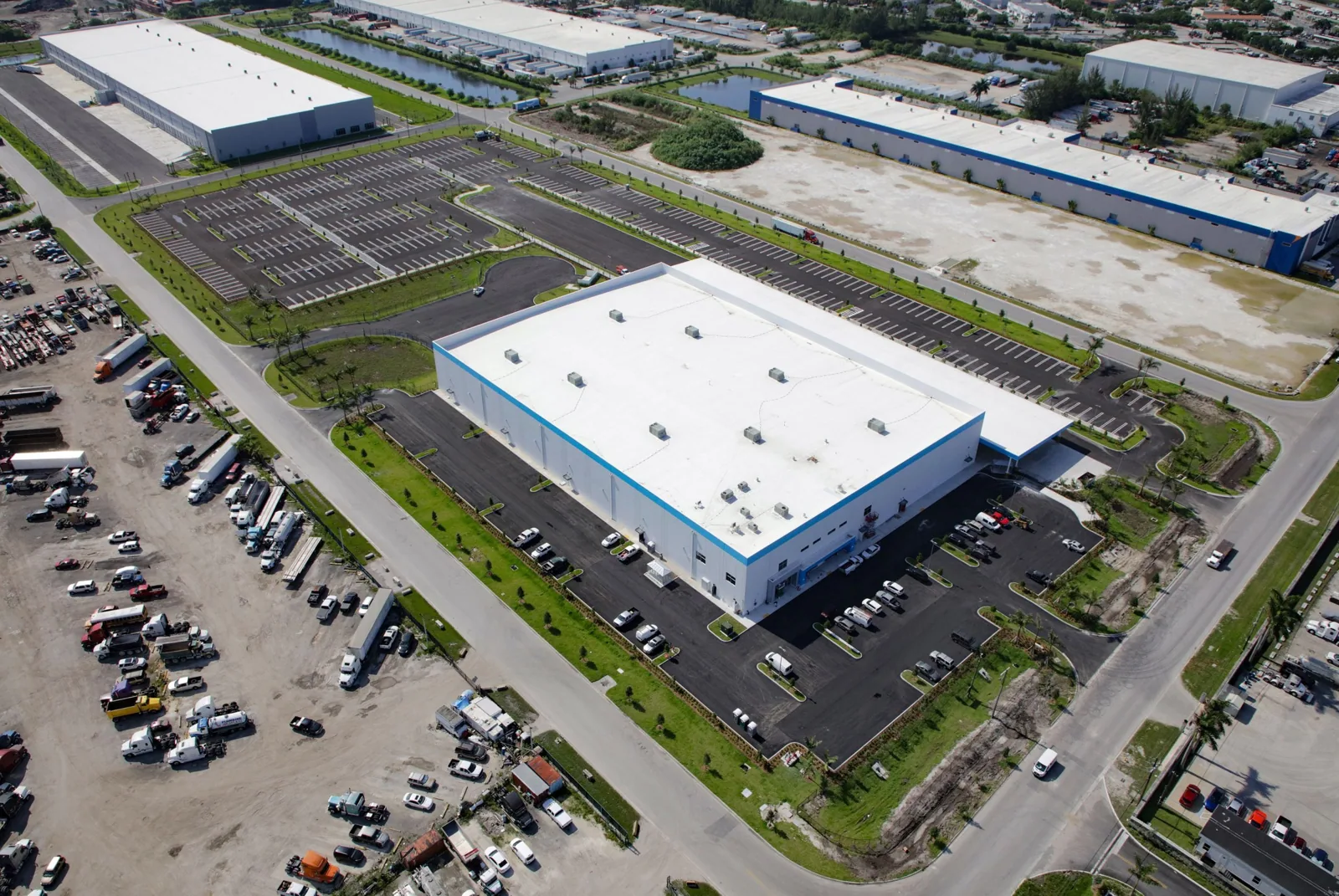
Owners with activity in the Miami Lakes Business Park may have separate office, warehouse or manufacturing addresses. Each roof gets its own plan and scope. A manager may group visit dates, but inspection findings and repair approvals stay tied to the building where the crew observed them.
Follow the roof's water route
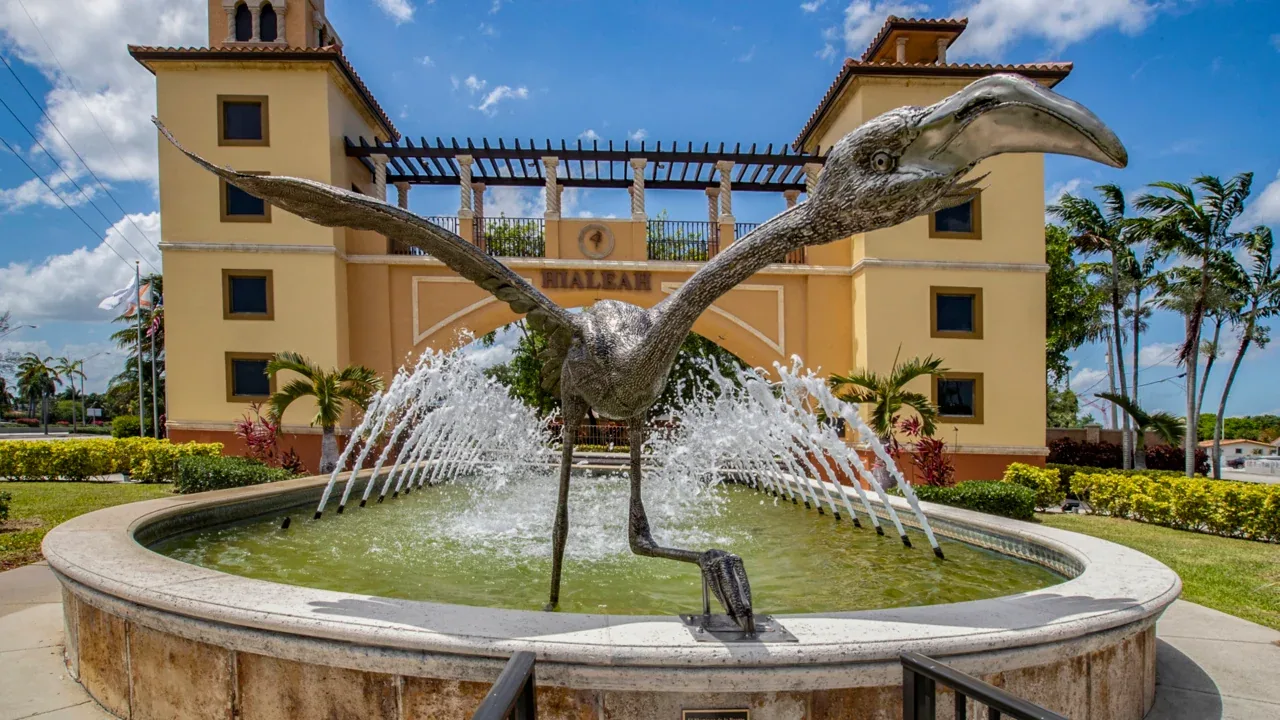
Hialeah's wet-season normal is 48.19 inches, with its stormiest period running from mid-May through early July. We use that nearby market timing when checking a Miami Lakes roof, then base drainage recommendations on the property's outlets and slope. The walk traces water toward drains and scuppers, records blocked paths or standing water, and notes whether a low area needs correction or further measurement.
A stained ceiling does not locate an entry by itself. We compare the interior report with roof details above and upslope, inspect seams and transitions, then mark where moisture readings or a test opening could change the repair boundary. A drainage service scope can price outlet work separately from membrane repair. If water has reached insulation or deck, we document the exposed condition and seek approval before expanding removal.
Late summer brings South Florida's greater tropical threat, from the end of August through mid-October. We review temporary covers, edge conditions and open penetrations ahead of that season. Miami-Dade's High-Velocity Hurricane Zone requirements can call for roof pressure-zone, drain and parapet details in project plans. A storm-related roof inspection records current conditions at the property rather than treating a regional forecast as a damage finding.
Set an installation window that can close
In South Florida, maximum heat-index readings during the two hottest months, July and August, can rise past 100 degrees. We plan roof access and material handling for safe working conditions, then size each exposed section to the shift. The closeout log says what is watertight, where temporary protection remains and who will check an affected interior area after rain. If a forecast change interrupts work, facilities receives a revised return plan tied to the active roof section.
When the visible defect is local and adjacent material is sound, repair may be the right scope. Wet insulation, poor attachment, repeated seam failure or drainage problems can support another option. We compare a commercial repair with a coating or replacement using the same mapped area, identified assembly and available test results. A maintenance visit can record recurring conditions before they become a larger repair quantity.
Cost and timing reflect assembly, removal depth, lift access, staging, disposal, testing, operating hours and any shutdown or tenant protection. The proposal shows measured quantities separately from allowances for concealed conditions. If opening a test area could change the recommendation, we name its location, purpose and patch method before it is made.
Keep district records separate
A property group with buildings in Miami Lakes and Doral can coordinate visits through one facilities calendar. Each address still receives its own roof map, contact, access assumptions, findings and authorization. A multi-property schedule can show open inspections, test approvals and planned work without merging the underlying building records.
At Miami Lakes Business Park, we confirm whether the address is among the park's industrial and office uses described in town development records. The roof plan and inspection identify what is actually present. A replacement proposal lists removal limits, insulation, cover board, membrane, edge work, drainage and disposal where applicable; it does not assume that all properties within a district share one assembly.
Approval routes matter when ownership, facilities and tenants have different roles. We identify who can approve temporary protection, a test opening and permanent work. If removal exposes wet layers or damaged deck, the crew pauses at the approved boundary, photographs the condition and submits the added quantity before continuing.

Return the work record with open items named
Closeout identifies the Miami Lakes address, roof sections inspected, materials installed, completed details, tagged photographs and any item deferred. It says whether temporary cover remains and who owns the next check. Facilities can attach the report to the building file and use the same reference points on a later inspection.
Emergency roof response is available every day, overnight and on holidays. A temporary roof response can limit active water entry while a permanent scope is reviewed. We document the approving contact, protected section and return task separately. Share the address, roof plan, leak history and access contact to set the first inspection boundary and next approval.
Questions
WHAT OWNERS ASK
What does Miami Lakes planning tell you about a commercial roof?
It distinguishes neighborhood, commercial and industrial districts, while the roof assembly and condition come from records and field inspection. We confirm current use and access with facilities, then tie each finding to a roof section. A district category alone does not set removal limits or repair quantities.
How do you inspect a roof when some areas are difficult to reach?
We map the accessible route, photograph visible details and identify the portions that remain out of view. If a drone survey, escort or additional access equipment could resolve the gap, we list that step and its purpose. The repair scope excludes uninspected areas until they are documented.
What should be checked before Hialeah's stormiest months?
Trace each roof section to its drains and scuppers, then inspect edges, flashings and temporary repairs. Hialeah's typical wet-season rainfall is 48.19 inches. Storm activity there is strongest from mid-May into early July, so we plan access and dry-in around conditions at the Miami Lakes address. We document an outlet issue by location and distinguish cleaning from corrective work.
Can repair and replacement be compared for one property?
Yes, when the options use the same inspected boundary and confirmed assembly. We list the repair detail, removal limit, concealed-condition allowance and testing still needed. The owner can review the work that is known now and the decision that depends on opening a test area.
Related Roofing Work
Set a Miami Lakes roof inspection
Send the address, roof plan, reported condition, access rules and facilities contact. We will document reachable sections and return a repair boundary for review.