
Built-Up Roofing in Hialeah, FL
Roof Systems
A worn cap sheet does not show how many layers remain sound beneath it. We inspect built-up roofing from the surface through the plies, flashings and drainage details before defining repair or replacement. Hialeah's summer rain and industrial building mix make both water control and safe access part of that review. Near Hialeah Gardens and the NW 107th Avenue corridor, work staging must follow the property's actual entrances and daily activity.
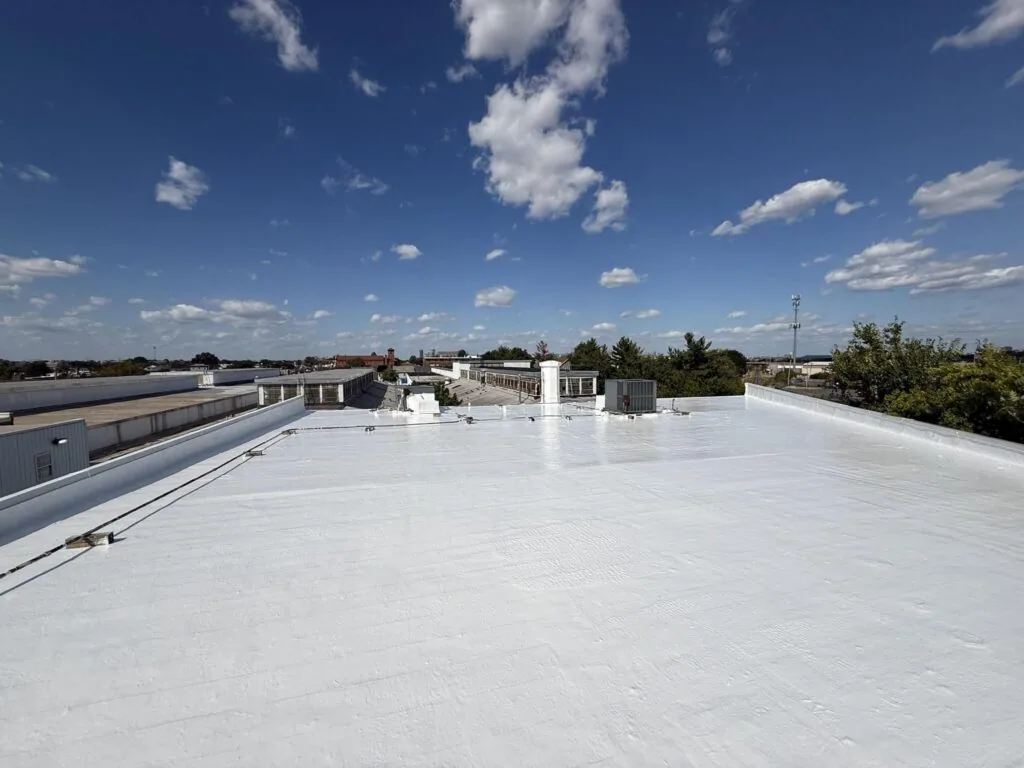
Open the record one layer at a time
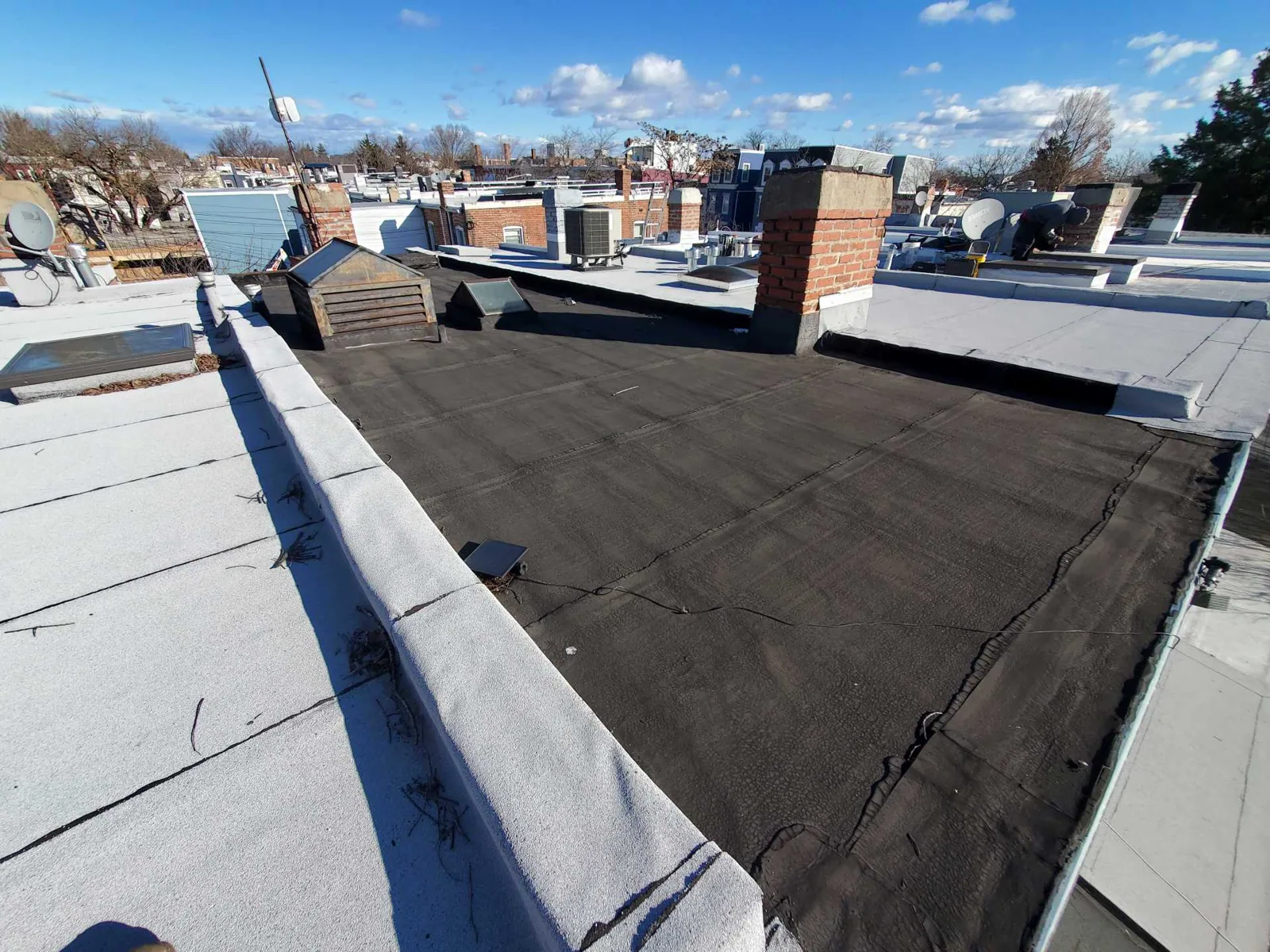
Built-up roofing, or BUR, typically combines multiple reinforcing plies with asphalt or bitumen and a protective surface. The exact assembly varies; gravel, mineral surfacing or a coating may cover the field. We check for displaced surfacing, exposed bitumen, splits, blisters, open flashing and signs of repeated patching. At drains, scuppers, parapets and equipment bases, water entry can begin at a transition even while much of the field remains intact. Where original plans are unavailable, selective openings can confirm the layer count and bond between plies. We photograph each test location and state how it was closed, so later repairs do not mistake that inspection point for a new defect. The result can also clarify whether adding another layer is allowed.
The layers beneath the surface matter. We assess adhesion, insulation, cover board and deck where accessible, and use test cuts when visual inspection cannot establish moisture depth. A dry assembly with isolated defects may support a repair. Delamination, widespread wet material or a weakened deck can make a new roof more defensible. A written roof inspection maps conditions by section so the owner can compare immediate work with a larger capital scope.
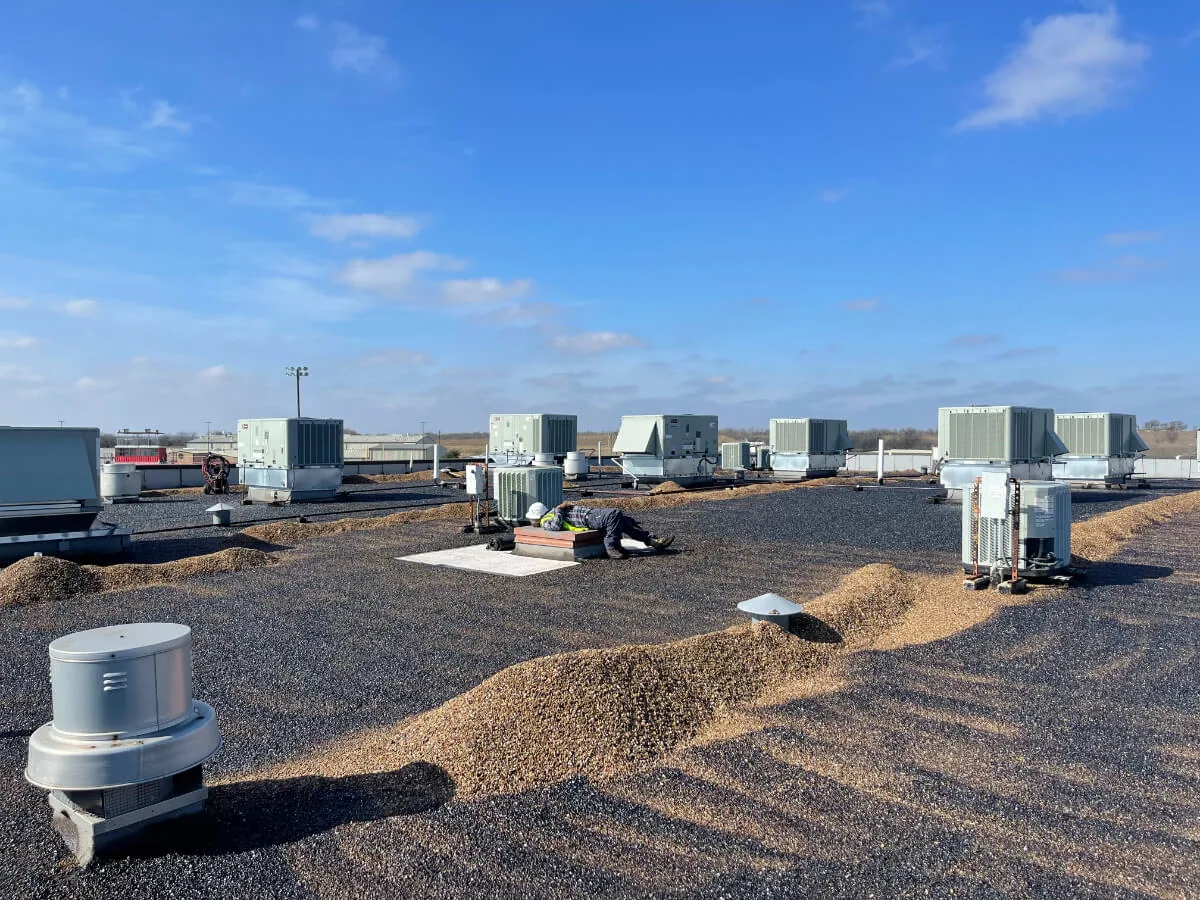
If the roof includes gravel surfacing, we document where it has moved, where bitumen is exposed and whether drains are collecting debris. Surfacing should not be pushed into outlets during inspection or repair. We identify any areas needing redistribution or replacement, then check the membrane beneath the affected zone. That sequence protects the drainage path while preserving useful information about wear and water exposure.
Select compatible plies and surfacing
A BUR scope specifies the number and type of plies, bitumen, attachment, flashing and finish. Surfacing protects the membrane from exposure and physical wear, but it must be compatible with the assembly and roof use. We review rooftop traffic, service areas, drainage and existing material before proposing a new layer. The proposal also says whether old material is removed, repaired or retained as a base.
Miami-Dade's High Velocity Hurricane Zone requirements apply to approved roofing assemblies and their installation limits. The permit set identifies water outlets, wind-pressure regions and parapet conditions for review. We verify that the product documents match the deck and roof geometry, including edge conditions. If a multi-ply replacement is not the right path, compare modified bitumen or a silicone coating system only after substrate condition and eligibility are documented.
Protect the roof during the wet months
Hialeah's wet-season normal reaches 48.19 inches, and the stormiest period falls from mid-May through early July. BUR work must keep each active section watertight as plies are installed. We plan tear-off in manageable areas, maintain a temporary closure at unfinished edges and keep drains open. If the roof has ponding, we trace the route and look for blocked or low outlets before placing another layer over the field.
Summer heat also matters for crew work and material handling. July and August heat-index readings often meet or exceed 100 degrees, while late summer carries the higher tropical risk. The schedule and daily work limit account for changing conditions. We inspect the completed plies and flashings before the crew leaves each area. An active leak can be handled with commercial roof repair to control entry while the owner evaluates the full assembly.
Count removal, repair and access work
BUR pricing depends on existing ply count, surfacing removal, wet insulation, deck repairs, new layer quantities, flashing, drain details and access. Gravel removal and disposal can add handling steps; equipment, parapets and restricted staging can slow progress. We note which material is included in the base work and how concealed conditions will be documented. When comparing proposals, match the number of plies, surface protection and perimeter detailing, not just the stated roof area.
NW 107th Avenue connects Hialeah and Hialeah Gardens, and county records document roadway and stormwater improvements along the corridor. We measure roof areas and verify drainage at the property. We walk the site's loading routes and confirm delivery windows with the manager. A condition report can tie observed layers to an approval decision, while a Hialeah Gardens work plan reflects the actual property logistics.
Keep the layer history with the asset
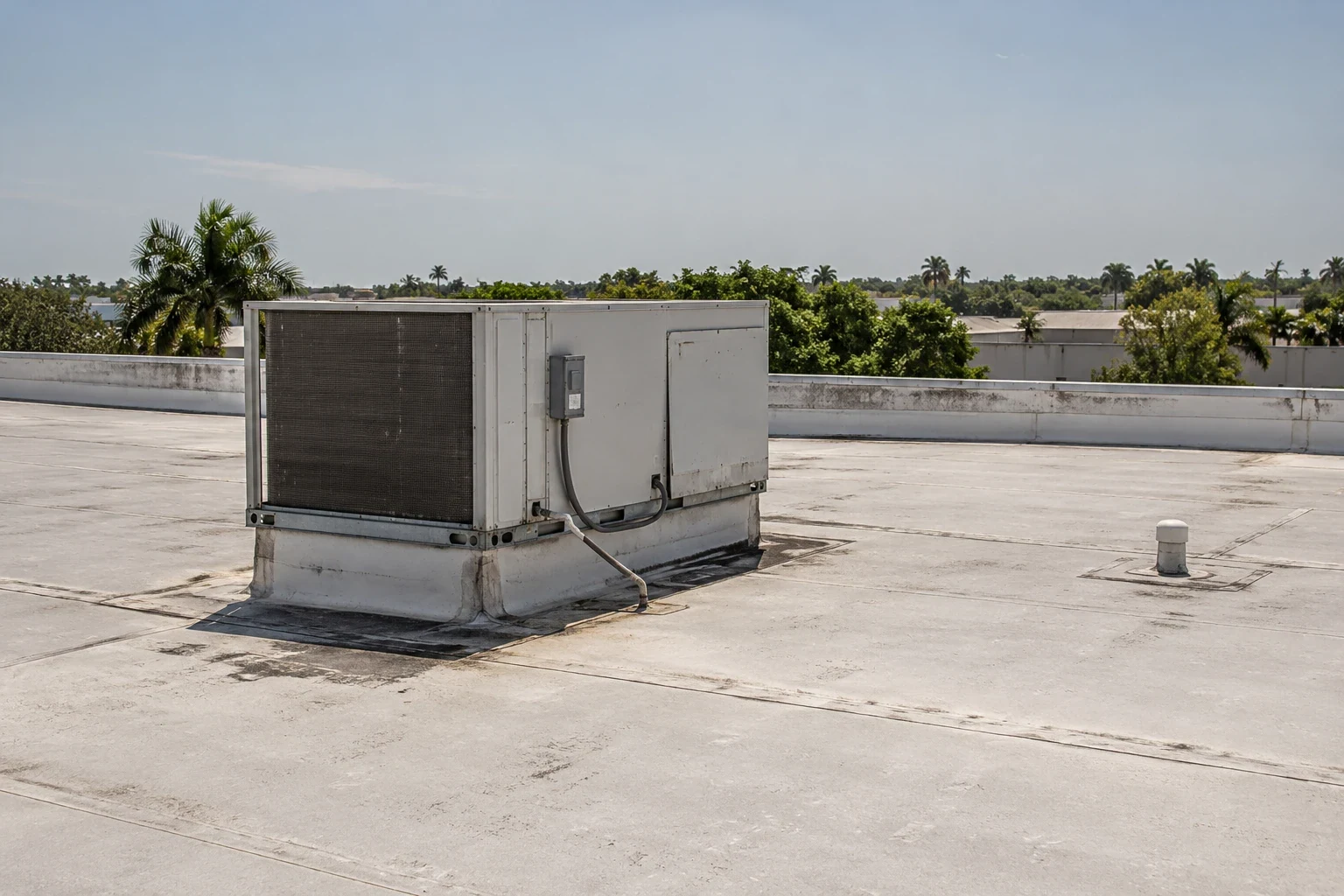
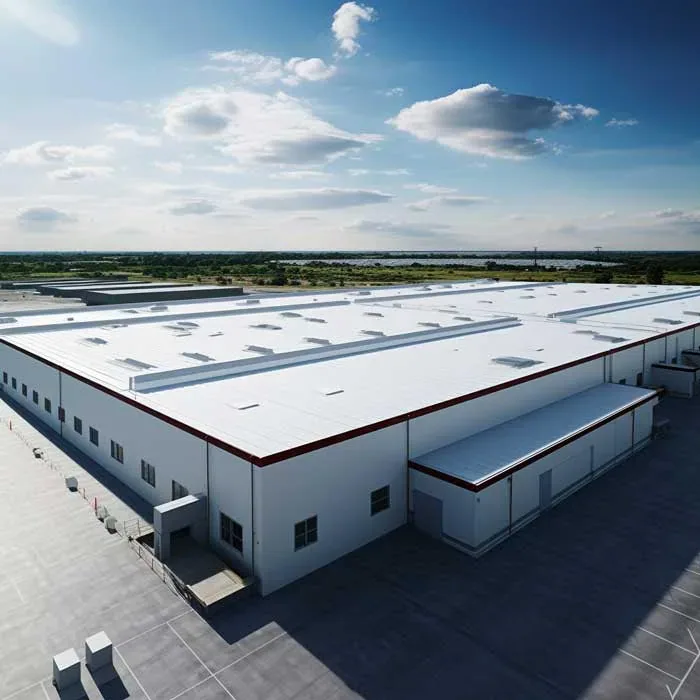
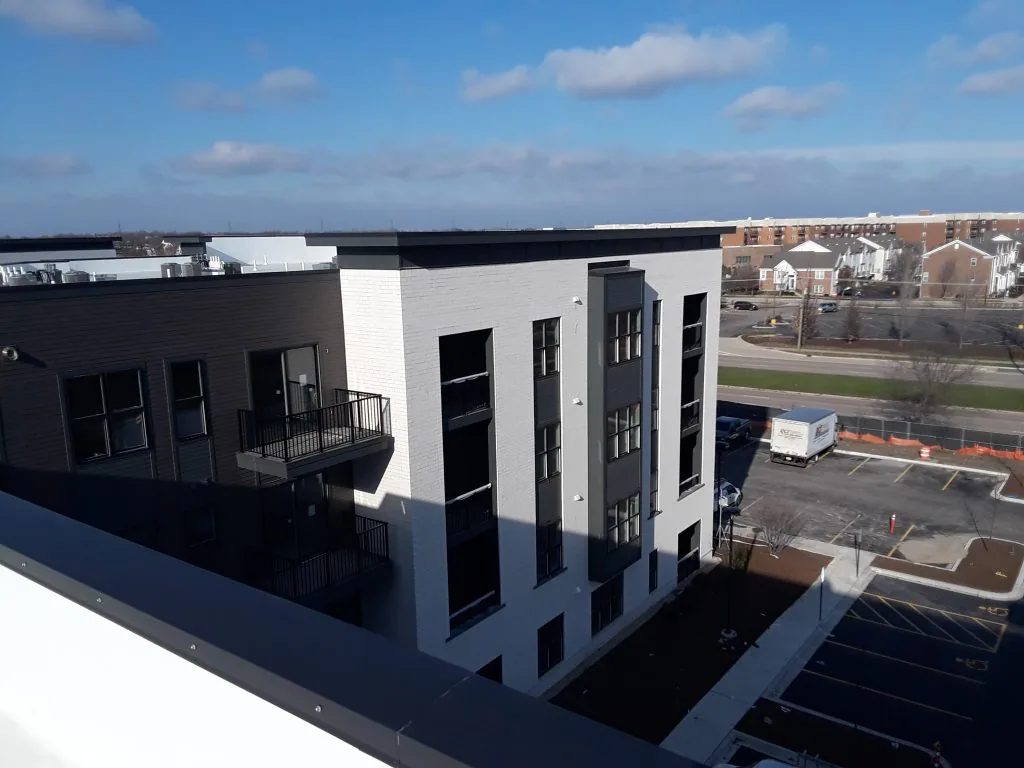
The closeout file should describe the installed plies, bitumen, surfacing, flashings and any substrate repairs. Photos of drains, parapets, equipment bases and roof sections provide a baseline for future maintenance. We also note areas that were excluded or left for later approval. That prevents a future inspector from treating a partial repair as a complete replacement.
Send the roof plan, repair history, property address and approval contact. We will inspect the existing layers and return a scoped repair, recover or replacement recommendation. For a site along NW 107th Avenue, we confirm access and active construction near the property; for one in Hialeah Gardens, the site contact sets loading and operating limits. Each conclusion remains specific to the roof inspected.
Questions
WHAT OWNERS ASK
How can you tell if a BUR roof has moisture between plies?
Surface checks, infrared indications and test cuts each reveal different evidence. We use them to map the suspect area and verify the layers when needed. Moisture at one test point does not automatically define the whole roof, so results are recorded by section. The scope then states how much wet material must be removed and what areas remain untested.
Can gravel-surfaced BUR be repaired locally?
A localized repair may work when the surrounding plies, insulation and substrate remain sound. We remove or move surfacing as needed to inspect the membrane, identify the entry point and tie the repair into compatible material. If water has traveled beneath multiple plies, a larger area may need opening. The final repair record includes the location and treatment of the affected layers.
Can another roof layer be installed over existing BUR?
An overlay requires a dry, stable base, acceptable attachment and details that can accommodate added thickness. Drains, curbs and flashings may need adjustment, and the proposed assembly must meet current approval requirements. We inspect the existing layers before comparing recover with tear-off. If the substrate is wet or delaminated, covering it will not resolve the underlying condition.
What should be included in a BUR replacement estimate?
The estimate should identify removal depth, number of plies, surfacing, insulation, deck repair, flashing, drains, access and disposal. Concealed-condition pricing should be written clearly, with an approval step before added work. We also state the daily dry-in method and closeout records. Those details let the asset manager compare actual scopes rather than broad system labels.
Related Roofing Work
Inspect the layers before pricing BUR work
Share the property address, roof plan and repair history. We will map the existing plies, inspect drainage and flashings, and document the next approval.