
Commercial Roofing for Real Estate Investors in Hialeah, FL
Industries We Serve
A roof line in an acquisition model needs field evidence behind it. We inspect the assembly, map moisture and identify repairs, remaining exposure and the next approval before an investor treats the roof as a known condition. Hialeah Heights has commercial and industrial development, while Westland Mall and Palm Springs Mile mark retail activity. Those asset types can carry different roof scopes and lease questions; we tie each recommendation to the inspected property.
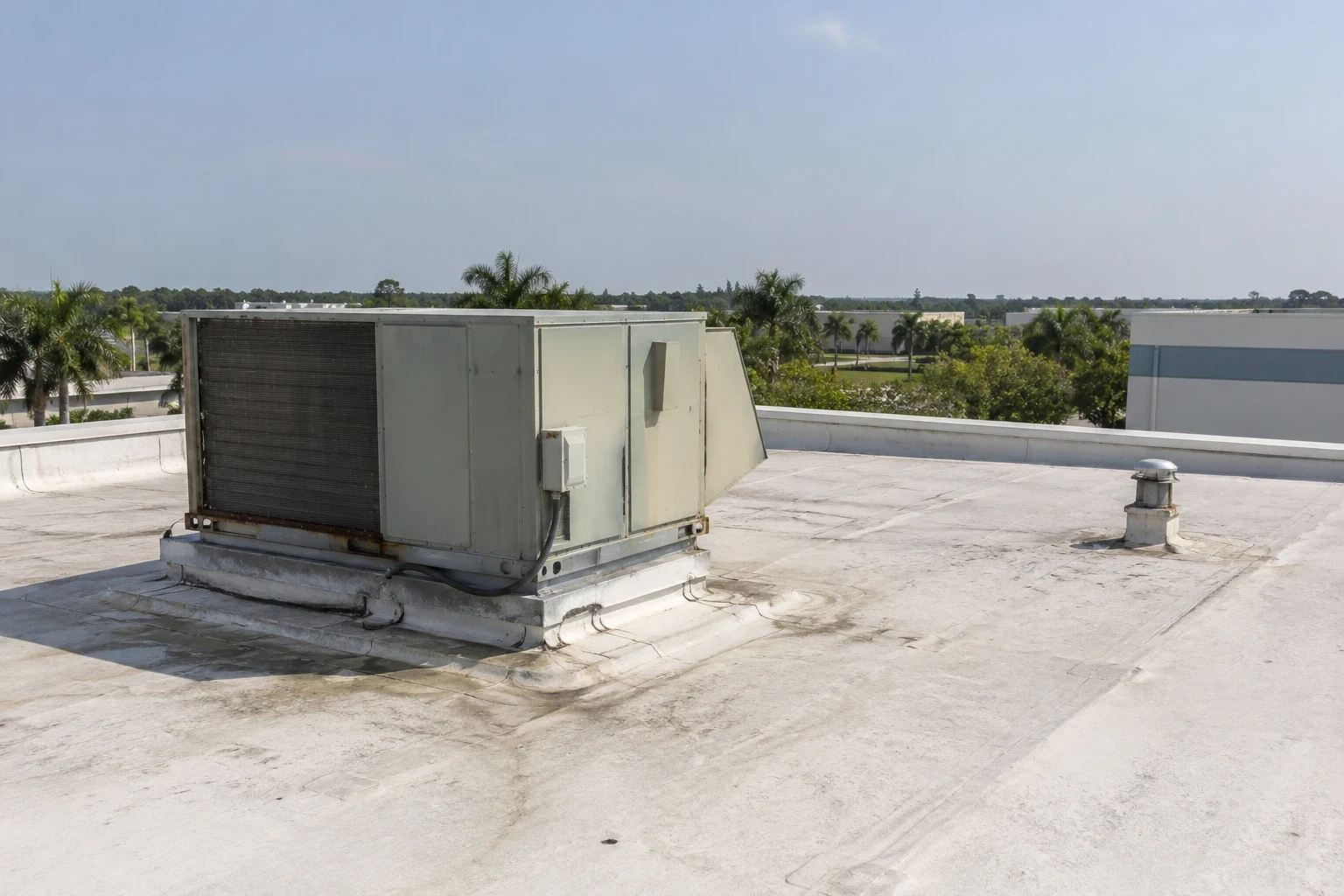
Separate observed condition from underwriting assumptions
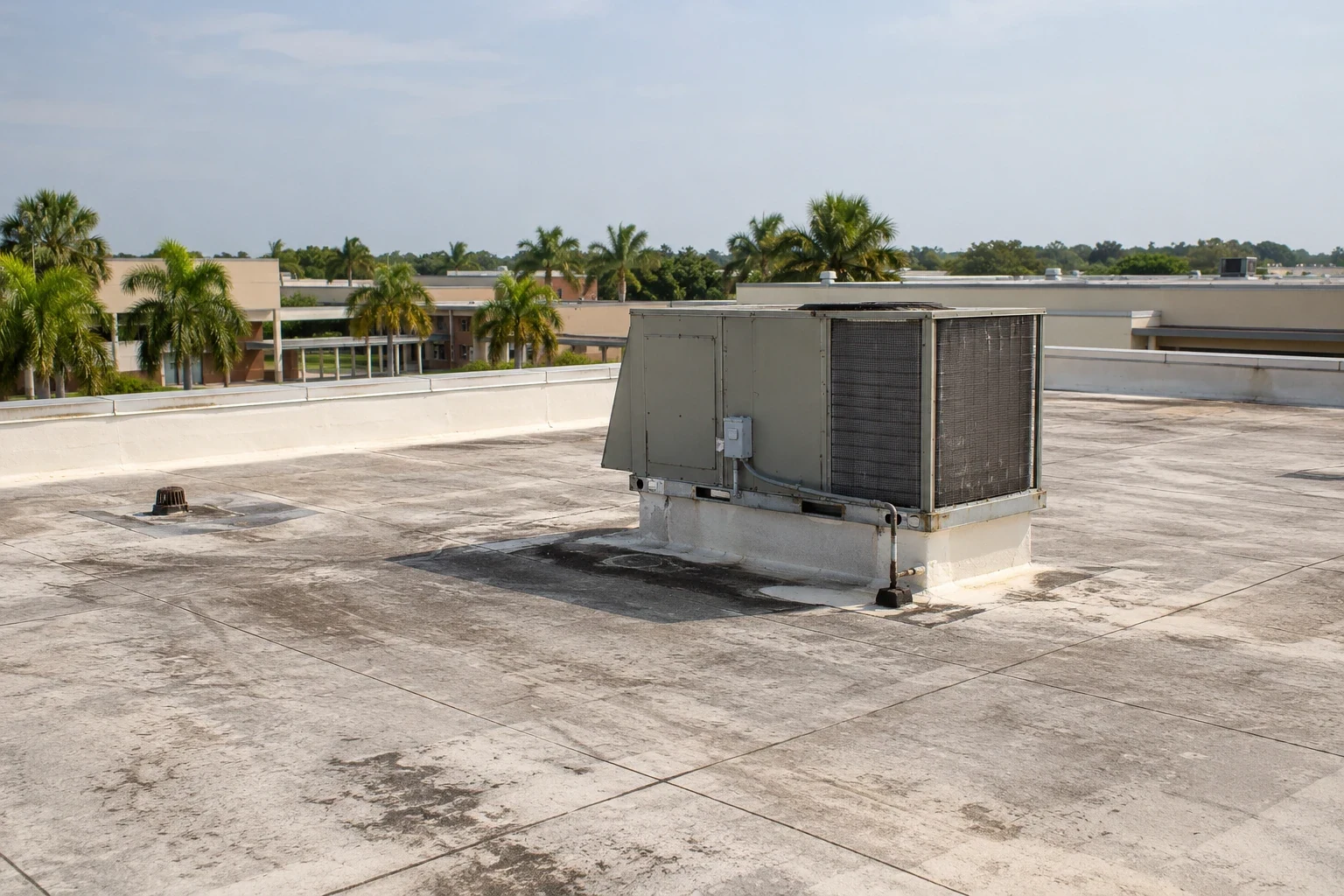
We review roof plans, prior repair records, available warranties and leak reports, then compare them with field conditions. The survey records the assembly where identifiable, roof sections, penetrations, drainage, perimeter details and test results. We flag areas that could not be accessed and state where moisture or deck condition remains unverified. That distinction gives an acquisition team a usable basis for a reserve or further investigation without treating an estimate as a final commitment.
Hialeah Heights has substantial commercial and distribution development, and the city's named retail corridors include West 49th Street and Palm Springs Mile. The location does not establish a building's roof age or condition. We use the property address, measurements and test openings to define the scope. A roof due-diligence survey can support transaction review; property-management teams can carry the same asset record into day-to-day operations after closing.
Model repair and replacement as separate choices
We present immediate leak work, deferred repairs, replacement sections and unresolved test areas separately. The owner can see which items protect current operations and which belong in a later capital cycle. Cost is affected by tear-off, wet insulation, deck repairs, drainage corrections, penetration density, access and occupied-building limits. We identify those drivers and state how concealed damage would be reviewed during removal.
If a roof might qualify for recover, we inspect the existing layers, attachment, moisture and added height at drains and curbs. A recover is not assumed from the listing or system name; the assembly needs to support the proposed work and meet current requirements. A replacement scope can be compared with repair by section, while a capital plan can sequence the work against ownership timing, tenant commitments and asset strategy.
At acquisition, roof findings can affect escrows, seller repairs, tenant notices or the first-year capital plan. We separate observations made during the survey from work that requires access after closing. If an occupied asset has limited access, the report names those areas and the steps needed to inspect them later. That lets ownership assign a reserve without presenting an untested section as a confirmed defect or a confirmed sound area.
For a hold-and-improve strategy, repairs can be scheduled for tenant turnover or planned mechanical upgrades. We record which details should be revisited when rooftop equipment changes, since new curbs can alter drainage and warranty documents. The owner can keep a decision register with responsible contact, approval status and expected scheduling window.
Each asset keeps its own version of that register and condition map.
Make tenant and access exposure visible
For an occupied property, the work plan notes entrances, tenant hours, loading routes, restricted spaces and who communicates temporary access changes. We schedule tear-off in sections that can be secured each day and identify interior protection below active work. Retail along Palm Springs Mile may need customer access maintained; an industrial property in Hialeah Heights may have truck or receiving routes to protect. We verify the building's actual use rather than assuming the district controls the schedule.
Lease language can assign maintenance duties differently by property. We identify roof findings and the needed scope, while the owner and counsel determine responsibility under the lease. That keeps a roof condition record separate from a legal interpretation. A public-agency owner may have a formal bid and appropriation calendar; an investor can set its own approval sequence while keeping tenant notices and field documentation ready.
Place Hialeah exposure in the reserve cycle
A Hialeah reserve model should account for 48.19 inches of normal wet-season rain and the early-summer peak from mid-May through early July. Drainage checks and temporary protection can be scheduled ahead of that period where a leak remains active. We inspect outlets, scuppers and low areas before proposing a new membrane. Late-summer tropical risk also belongs in the operating plan, but it does not establish damage at a specific property.
Heat-index conditions in July and August can reach or exceed 100 degrees, affecting safe roof access and installation hours. We plan work windows around the system instructions and site operations, then note where a temporary repair remains in place. If an acquisition closes before permanent work is approved, emergency roof repair can control a current opening while the investor completes the larger capital review.
Give ownership a record that survives turnover
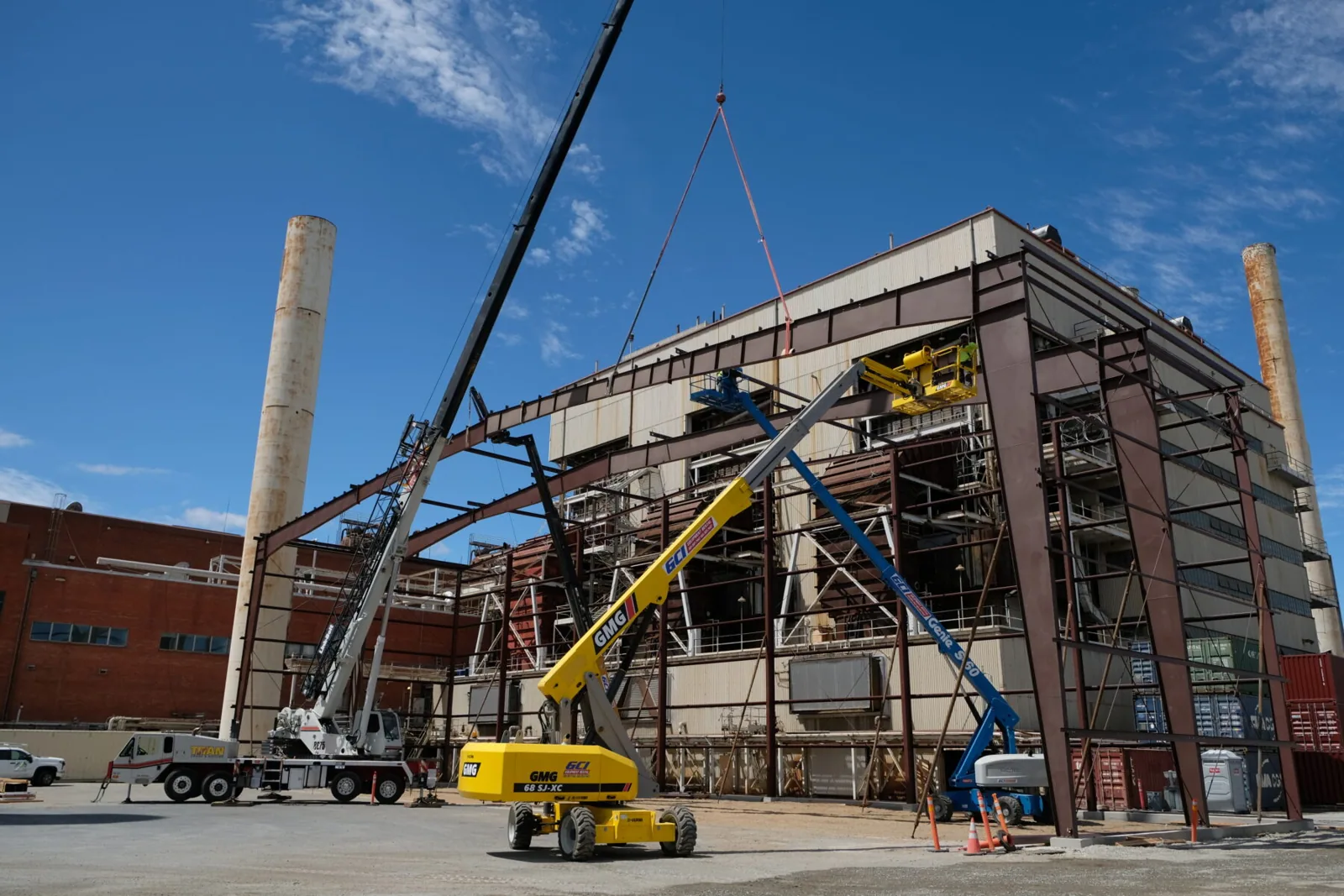
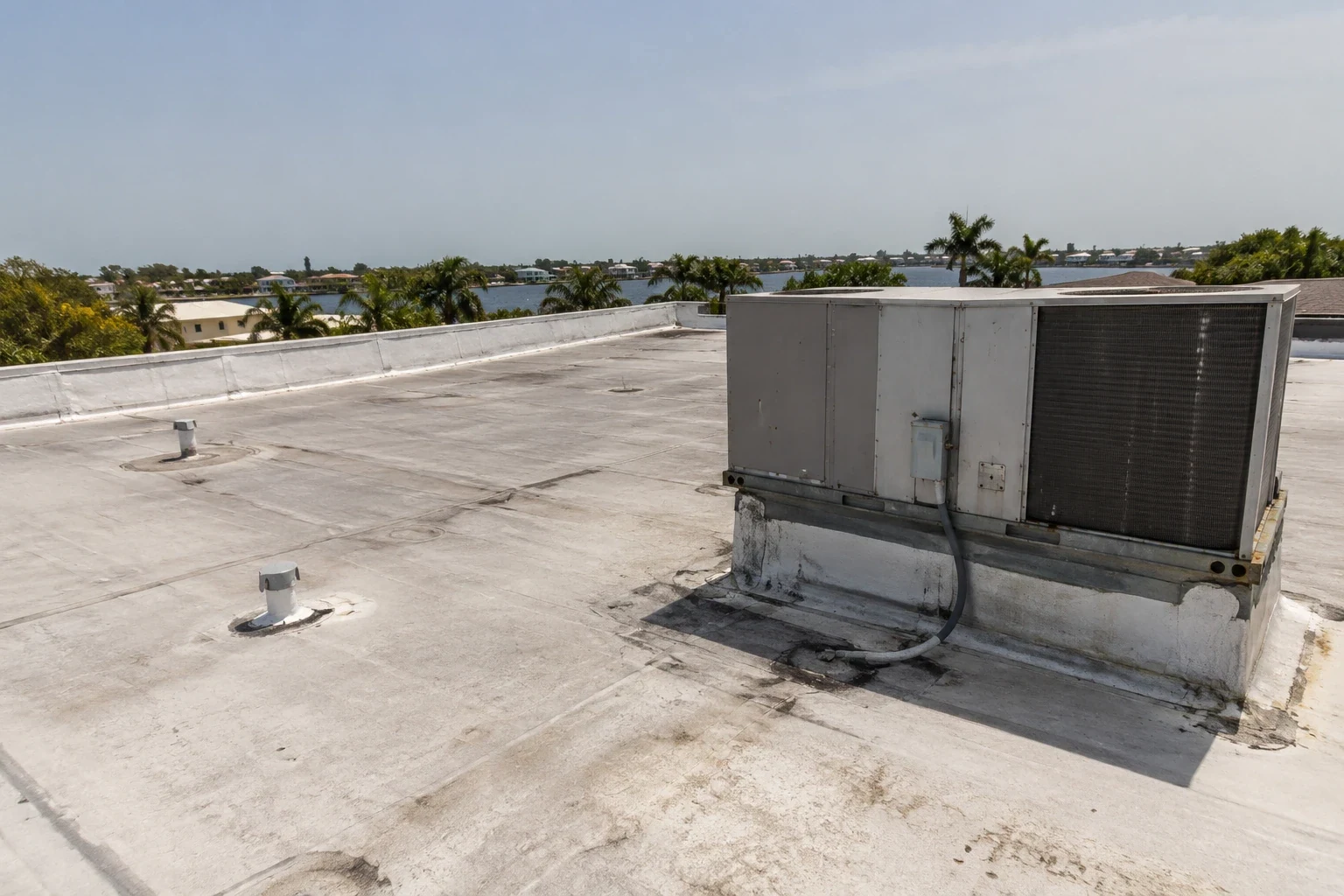
We close with the inspected sections, photos, assembly information, approved repairs and conditions that remain open. The portfolio file should show who authorized work, what was replaced and which tests were deferred. A later asset manager can compare new leak reports with that history and decide whether a repair belongs to the original scope or a new event.
Provide the address, transaction timeline, roof records, tenant constraints and investment contact. We will return a scope that distinguishes verified condition from follow-up work. For an asset near Hialeah Heights or Westland Mall, we confirm the property's use, access and operating calendar on site. The reserve decision should track that address rather than a market-level assumption.
Questions
WHAT OWNERS ASK
Can a roofing survey support acquisition due diligence?
Yes. We inspect accessible roof areas, document assembly and defects, map moisture and identify tests or repairs that need additional approval. The report states inspection limits so an investor can separate observed conditions from unknown areas. It can support a reserve discussion, but it does not replace structural review or transaction counsel.
How do you estimate remaining roof life?
We assess visible wear, repairs, drainage, attachment and moisture evidence, then describe the condition and near-term work needs. A remaining-life estimate carries uncertainty when records are missing or concealed layers were not opened. We explain the evidence and limitations instead of assigning a precise service period unsupported by the inspection.
Should a REIT repair a roof before a tenant renewal?
The decision follows the roof condition, lease responsibilities, tenant operations and capital schedule. We document immediate risk and compare repair with replacement so ownership can review the options before renewal terms are set. The tenant's use and access window are confirmed at the property. Legal responsibility remains a lease question for the owner and counsel.
What should a portfolio roof report include?
Include the asset address, roof sections, photos, assembly details, test locations, active leaks, repair boundary and unresolved items. We identify access limits and link each recommendation to an approval step. That format lets asset managers compare urgency and cost without treating buildings with different uses as identical.
Related Roofing Work
Verify the roof behind the asset plan
Send the property address, transaction or reserve timeline, roof records and approval contact. We will map condition, identify repair choices and return a capital-ready scope.