
Modified Bitumen Roofing in Hialeah, FL
Roof Systems
A blister, open lap or split at a curb can leave an owner weighing a targeted repair against a broader modified-bitumen project. We inspect the plies, seams, surfacing, flashing and substrate before setting that choice. In Hialeah, wet-season rain and intense summer heat give drainage and surface condition practical weight. Commercial properties near the Hialeah Market Station and the city's industrial district also need work sequenced around the building's real access routes.
Read each ply and transition
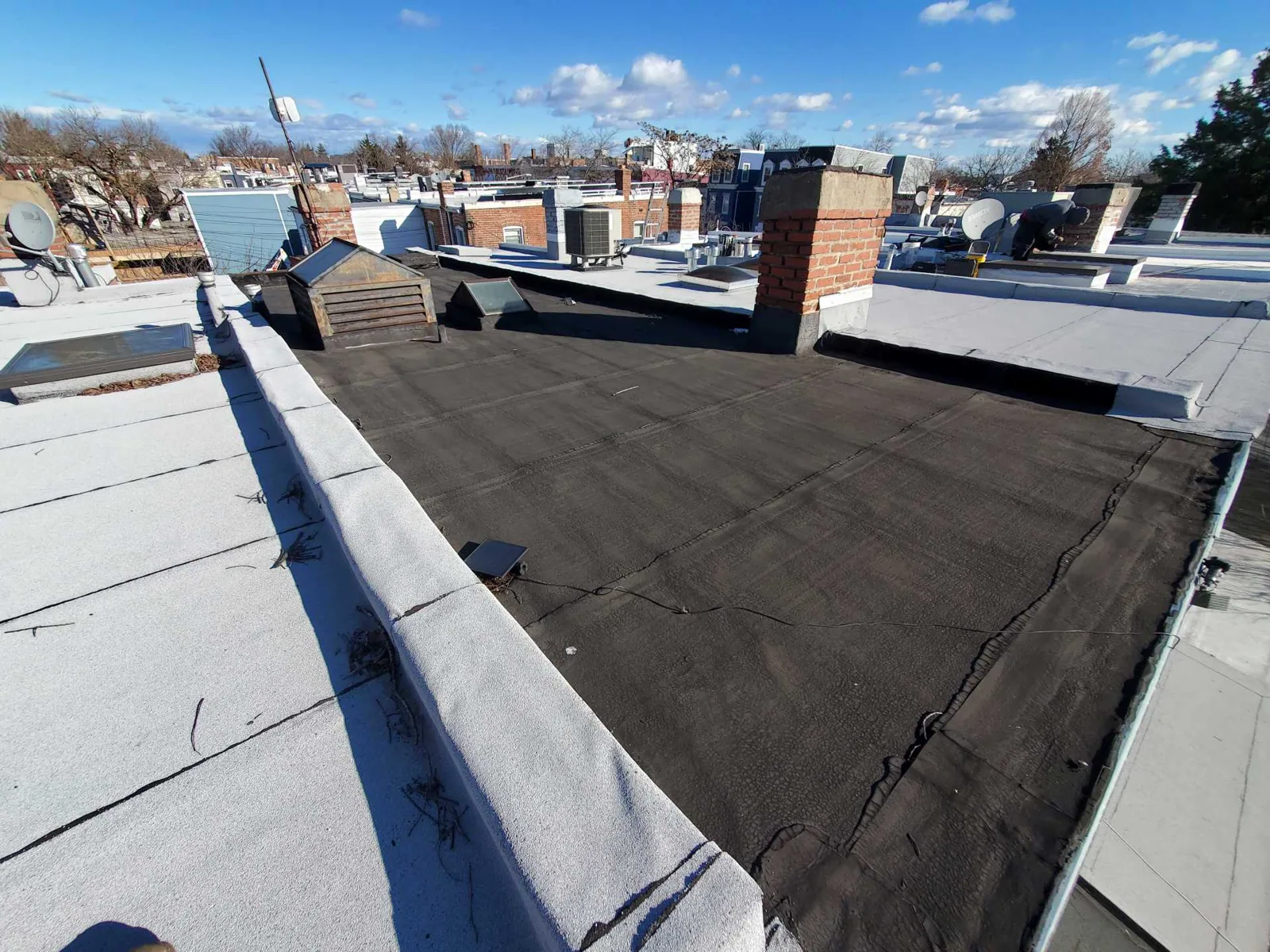
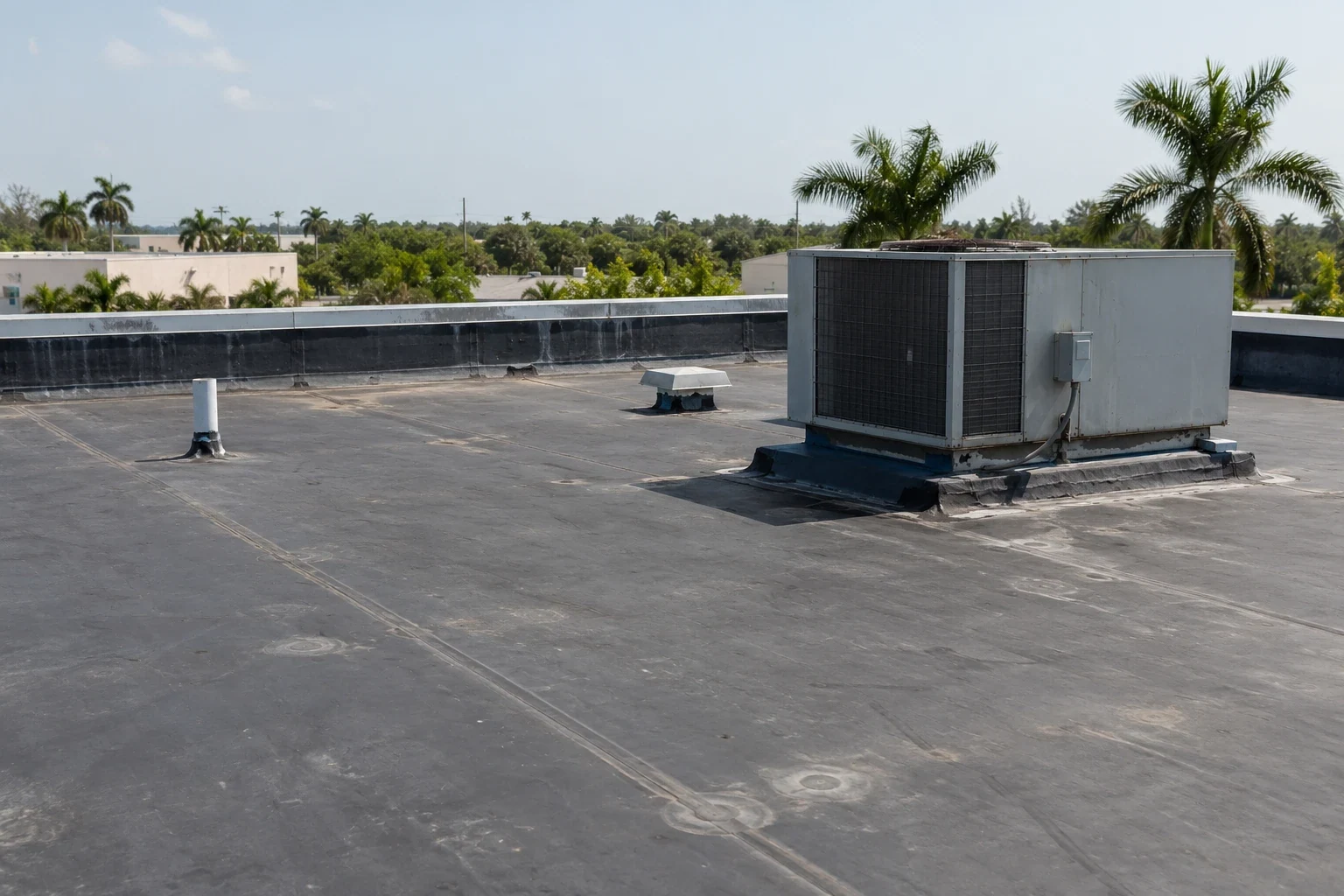
Modified bitumen uses asphalt sheets modified with polymers, commonly installed in multiple layers. The cap sheet may have a mineral surface or another finish, while the base plies and attachment method vary by assembly. We inspect laps, patches, blisters, ridges and areas where water collects. At a wall, curb, drain or edge, we look for the transition failure that can admit water even when the field surface appears intact.
Moisture below the membrane changes the scope. We note soft insulation, deck movement, trapped water, corrosion or conditions that warrant a test cut. A small surface split over dry material may be repaired locally; broad wet areas or recurring failures can justify removal and replacement. The report maps each roof section and distinguishes immediate protection from permanent work. Our leak-repair service can address an active entry point while testing determines the larger repair boundary.
Choose the installation approach
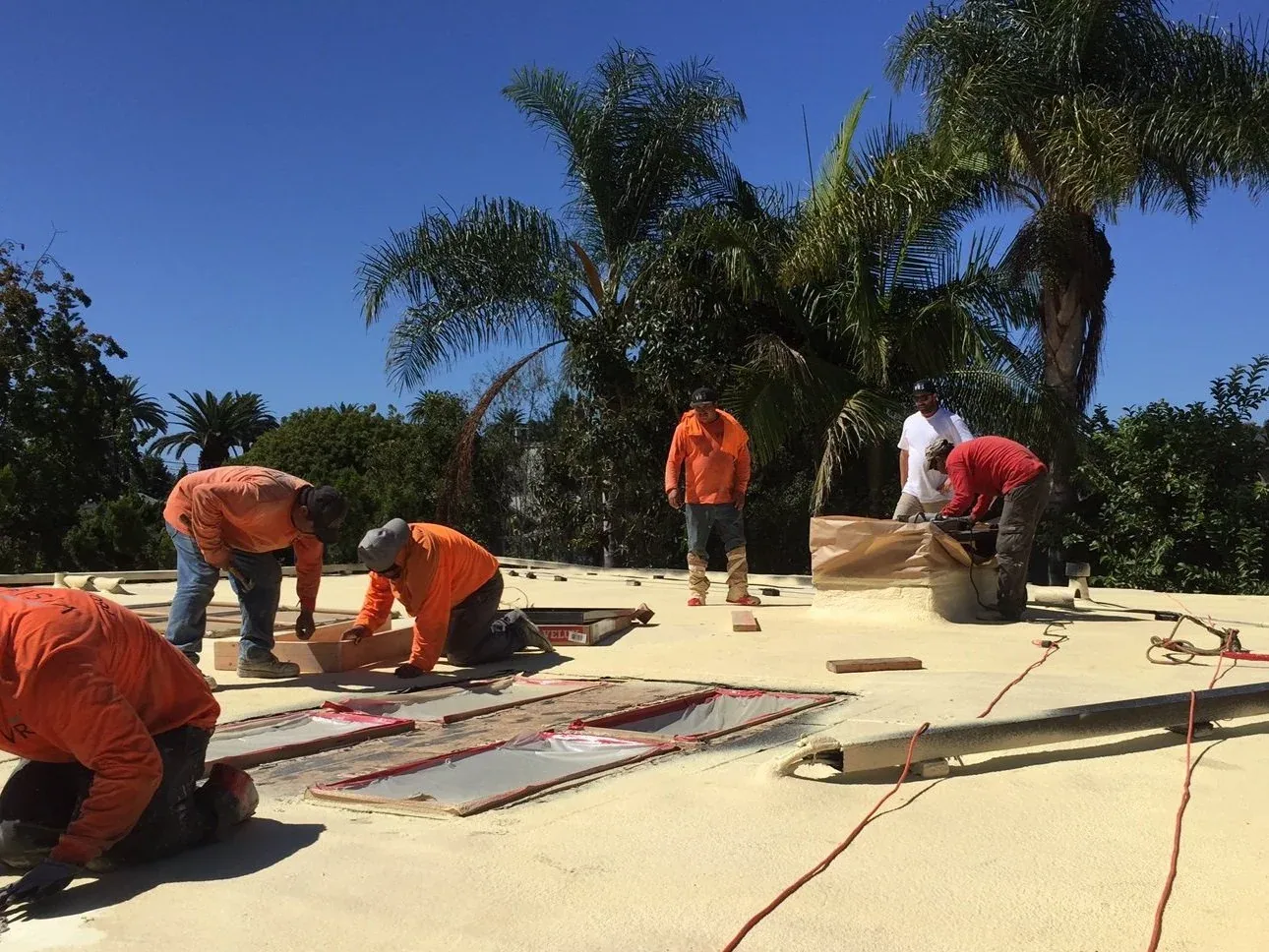
Modified-bitumen sheets can be installed with different methods, including torch application, cold adhesive or self-adhered products. Each method has product-specific requirements and site constraints. We identify the existing assembly, deck, insulation, fire conditions and nearby operations before recommending an approach. Torch work, where specified and allowed, requires fire controls and monitoring. A product suitable for one substrate or building use may not be suitable for another. For torch work, we document the required fire watch, nearby combustibles and how the area will be monitored after application. The site contact confirms where deliveries and occupants can move during that work window.
The proposal also covers base layers, cap sheet, flashing, perimeter attachment, drain details and termination bars or metal. Hialeah is in Miami-Dade's High Velocity Hurricane Zone, and roof plans must show drainage, pressure zones and parapets. The selected system has to match the approval documents and the building's details. For a different membrane configuration, compare built-up roofing or TPO using equivalent scope, substrate preparation and edge treatment.
The repair should also account for traffic from HVAC and other service work. A new patch can be punctured if equipment crews cross it without a marked route or protection. We note walk paths and service zones while mapping the roof, then include compatible pads or access protection where they suit the assembly. That reduces avoidable damage and makes the maintenance plan clearer for the next facility team.
Schedule around heat and rain
Hialeah's 48.19-inch wet-season rainfall normal is concentrated in the summer rainy season; mid-May through early July is the stormiest stretch. A multi-ply installation needs dry substrate and protected tie-ins as each day's work closes. We check that drains remain open and that new work does not block the path from low points to outlets. If water is ponding, the cause needs attention before a new cap sheet hides the surface.
July and August bring heat-index conditions that often reach or exceed 100 degrees. Material staging, rooftop work hours and crew breaks have to reflect those conditions. Late summer also carries greater tropical risk, which can change the available installation window. We set a daily work limit and inspect completed laps and flashings before moving on. A property with immediate water entry can use emergency stabilization while a full scope is prepared.
Compare the layers and access needs
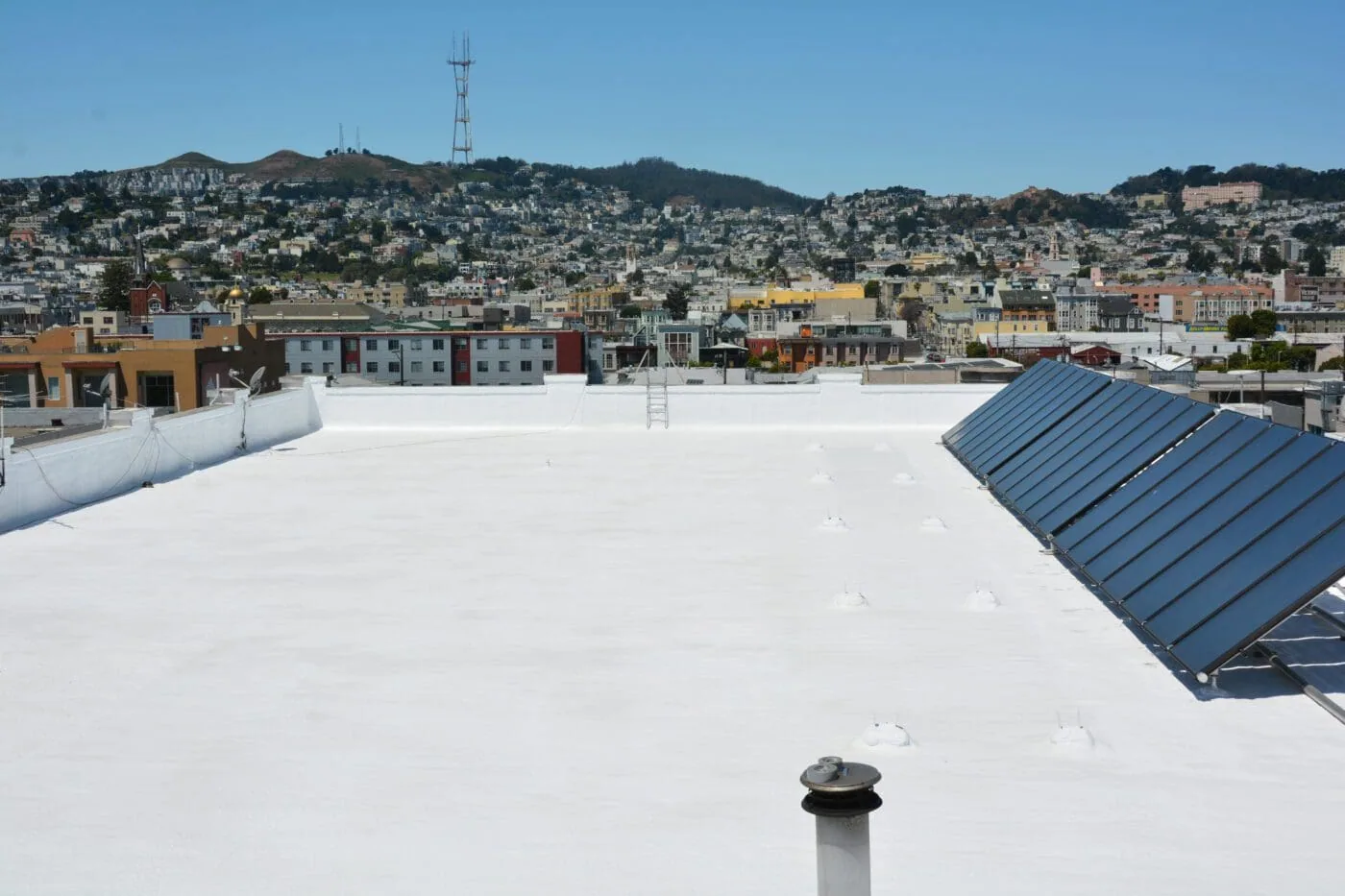
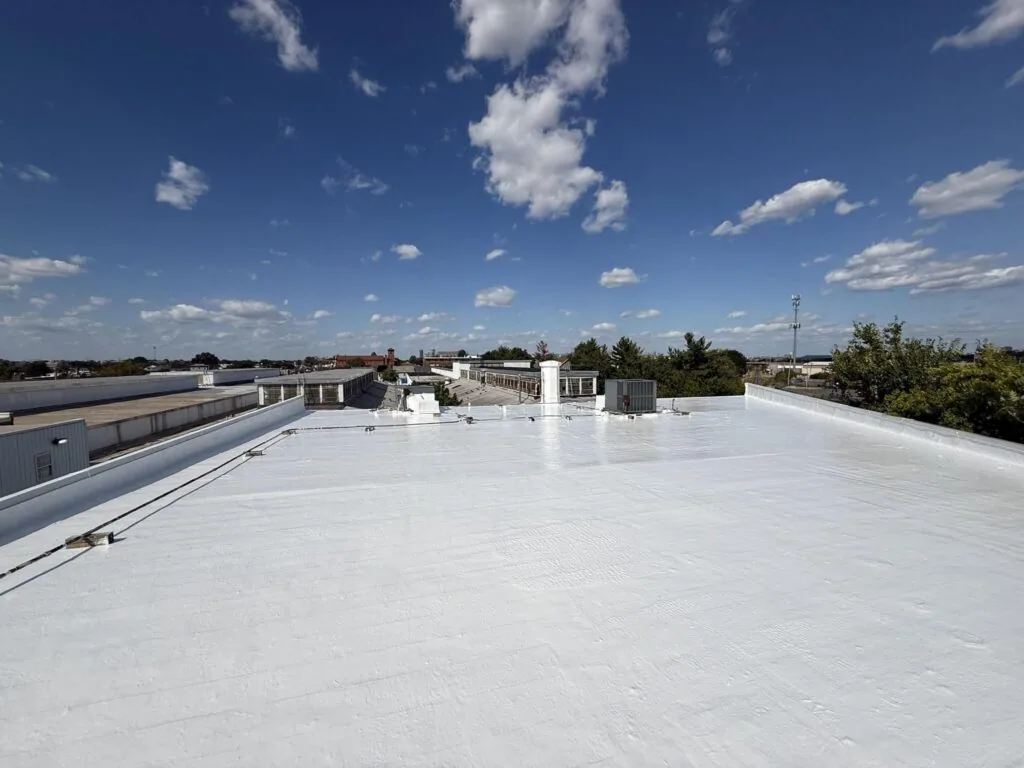
Installed cost reflects the number of layers, tear-off depth, insulation replacement, deck repairs, membrane finish, attachment method, flashing complexity and roof access. Work near equipment, parapets or occupied areas can add staging and protection requirements. We state what the base proposal includes and how hidden deck or insulation conditions will be priced if they appear during removal. That is more useful than comparing roll costs without the labor and detail scope.
The Hialeah Market Station and Transfer Station are transit-oriented development areas; each building's plans and installed roof assembly determine its work scope. Access and staging are set from the property's actual entrances and operating hours. Retail near the Westland Mall district and the West 49th Street commercial corridor can need customer-route protection, while industrial operations may require loading access to stay available. A roof capital plan can compare repair with replacement phases and preserve the reason for each budget decision.
Keep the assembly history intact
After installation, the owner should retain product names, ply count, attachment method, repaired substrate locations and photos of drains, perimeters and transitions. We document the work section by section and list any excluded repairs or conditions that remain. That record helps the next inspection locate prior patches and compare new moisture findings with the known assembly.
Share the property address, roof drawings, prior leak notes and approval contact. We will inspect the existing system, confirm where the roof remains serviceable and explain the next scope. Near Hialeah Market Station, access coordination may be part of the plan; around Westland Mall, customer and delivery movement can guide staging. The field record determines the repair or replacement boundary.
Questions
WHAT OWNERS ASK
Can a modified-bitumen roof be patched after a leak?
A patch can stop a localized opening when surrounding plies and substrate remain sound. We inspect the lap or flashing, remove failed material as needed and tie compatible repair material into the existing assembly. If moisture extends beyond the visible stain, we map the area and price the affected layers. The repair report should identify what was checked and what remains untested.
Which modified-bitumen installation method is appropriate?
The selected product, substrate, fire conditions and occupied-site restrictions narrow the method. Torch-applied work needs specific fire controls, while cold-applied and self-adhered products have their own surface and temperature limits. We verify the product instructions and project conditions before specifying an approach. The installation method must fit the roof, not just the crew's preference.
Why does the roof have blisters or raised areas?
Trapped air or moisture, bond loss and movement can raise a section of membrane. We check the blister edges, nearby seams and substrate condition before deciding whether it can be cut and repaired or whether the assembly has a broader problem. Cutting without knowing what lies below can spread damage. The inspection identifies the cause we can observe and any test needed to confirm it.
What changes the cost of replacing modified bitumen?
Removal depth, wet insulation, deck condition, ply count, surfacing, flashing, equipment access and daily dry-in all affect the work. We list these components separately and document assumptions for concealed areas. Miami-Dade assembly approvals and roof plan details also need to align with the chosen configuration. A comparable proposal should describe the same layers, edges and drainage work.
Related Roofing Work
Define the modified-bitumen scope
Send the property address, roof history and available plans. We will inspect the plies, laps and substrate and return a repair or replacement scope for review.