
Drone Roof Inspection for Commercial Buildings in Hialeah, FL
Commercial Roofing Services
A drone can record roof areas that are difficult to see from a ladder or roof edge, including long runs, upper roof sections and rooftop equipment layouts. It does not determine whether insulation is wet or attachment is sound, and it cannot replace close inspection where a detail is damaged. We use aerial imagery to document visible conditions, map the areas that need closer review and help property teams plan access. This is useful for large industrial roofs in Hialeah Heights and for occupied commercial buildings along West 49th Street, where a safe overview can organize a more targeted site visit.
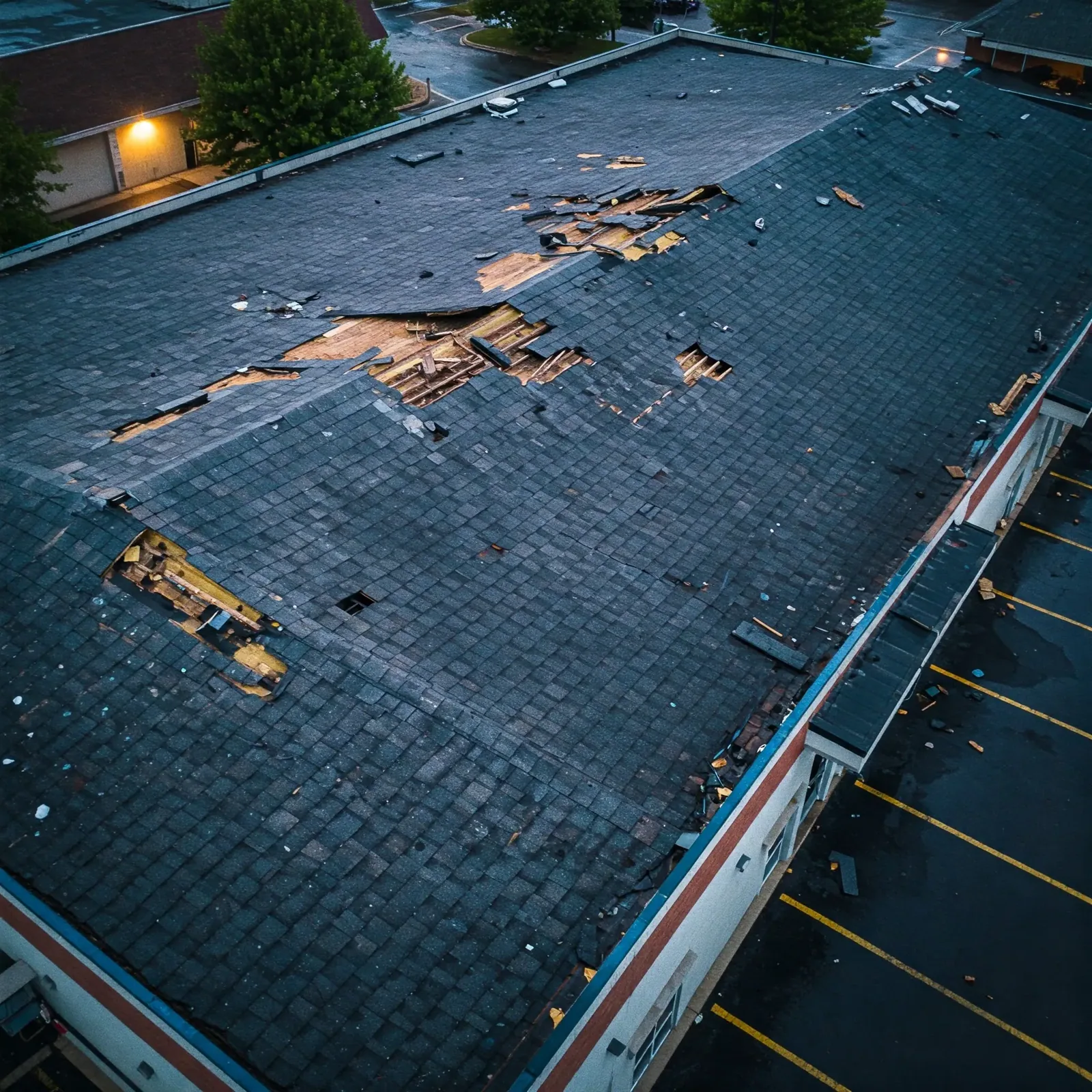
Plan the flight around the property and airspace
Before flight, we confirm property permission, takeoff and landing areas, nearby people, vehicle movement, wind, rain and site restrictions. The remote pilot checks applicable FAA requirements and current airspace information for the exact location and time. If authorization is required, the flight waits until approval is received. The FAA states that flights near airports in controlled airspace require authorization before operation, with altitude limits and possible conditions. We do not assume that a building's location or a prior flight establishes permission for another visit.
Site-specific planning matters in a dense area. Roof height, trees, overhead lines, cranes, security rules and adjacent operations may limit camera angle or safe distance. If weather, airspace or access makes flight unsuitable, we use another inspection method or reschedule and explain the limitation. Drone imagery can help plan a walk, but a technician still needs safe access to verify questionable seams, penetrations and drainage details. Our commercial roof inspection can pair aerial overview with close visual assessment.
Capture useful views instead of generic aerial photos
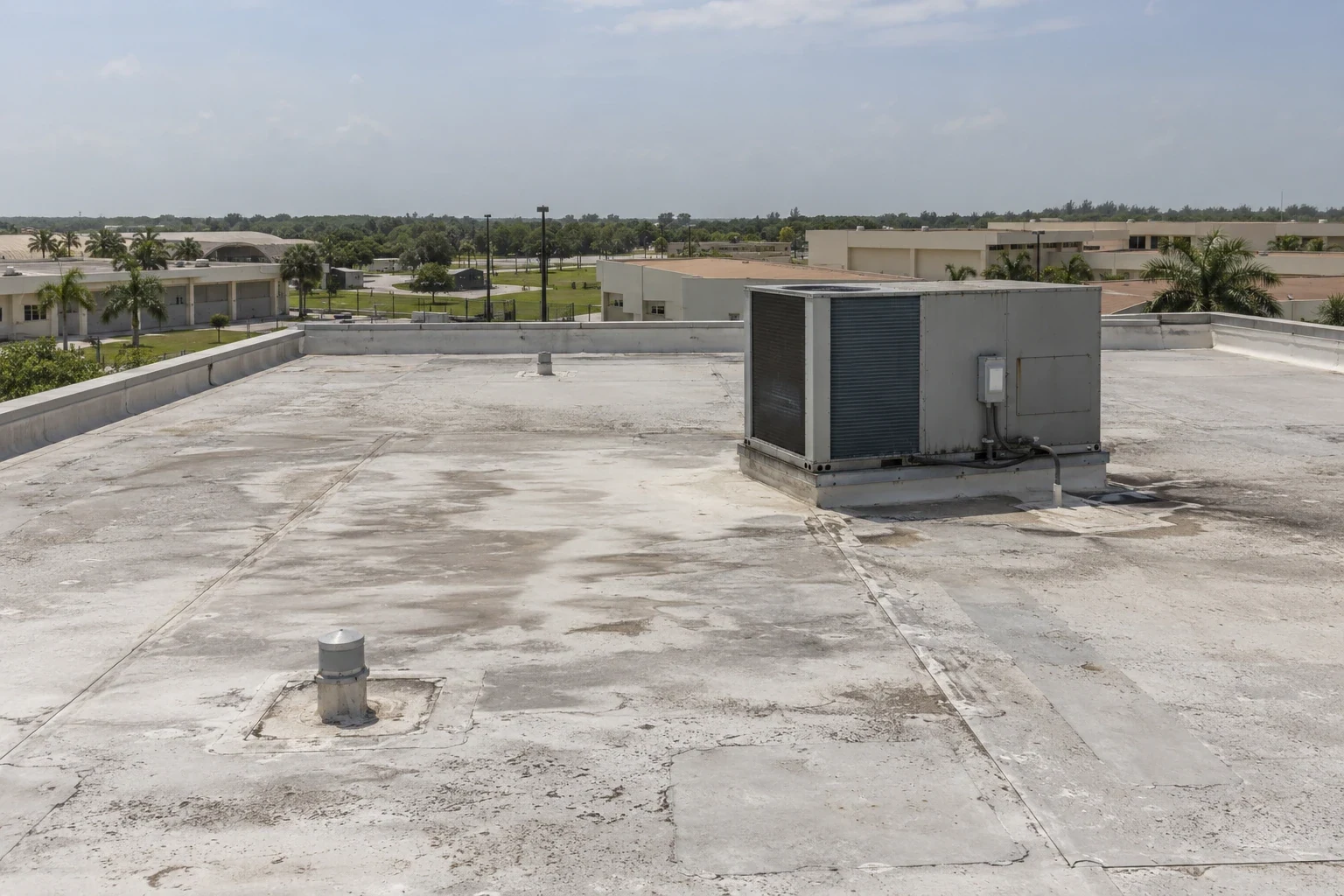
We plan images by roof section and question: where are drains located, how are rooftop units arranged, which areas show visible ponding or debris, and where does the roof transition to a wall or addition? Overlapping images can help compare roof sections and support a visual record. We note the date and conditions and identify areas blocked by equipment, shadows, glare or obstructions. A broad photograph without a location reference can be difficult to use later, so the deliverable labels the sections and ties images to a roof plan or annotated map when available.
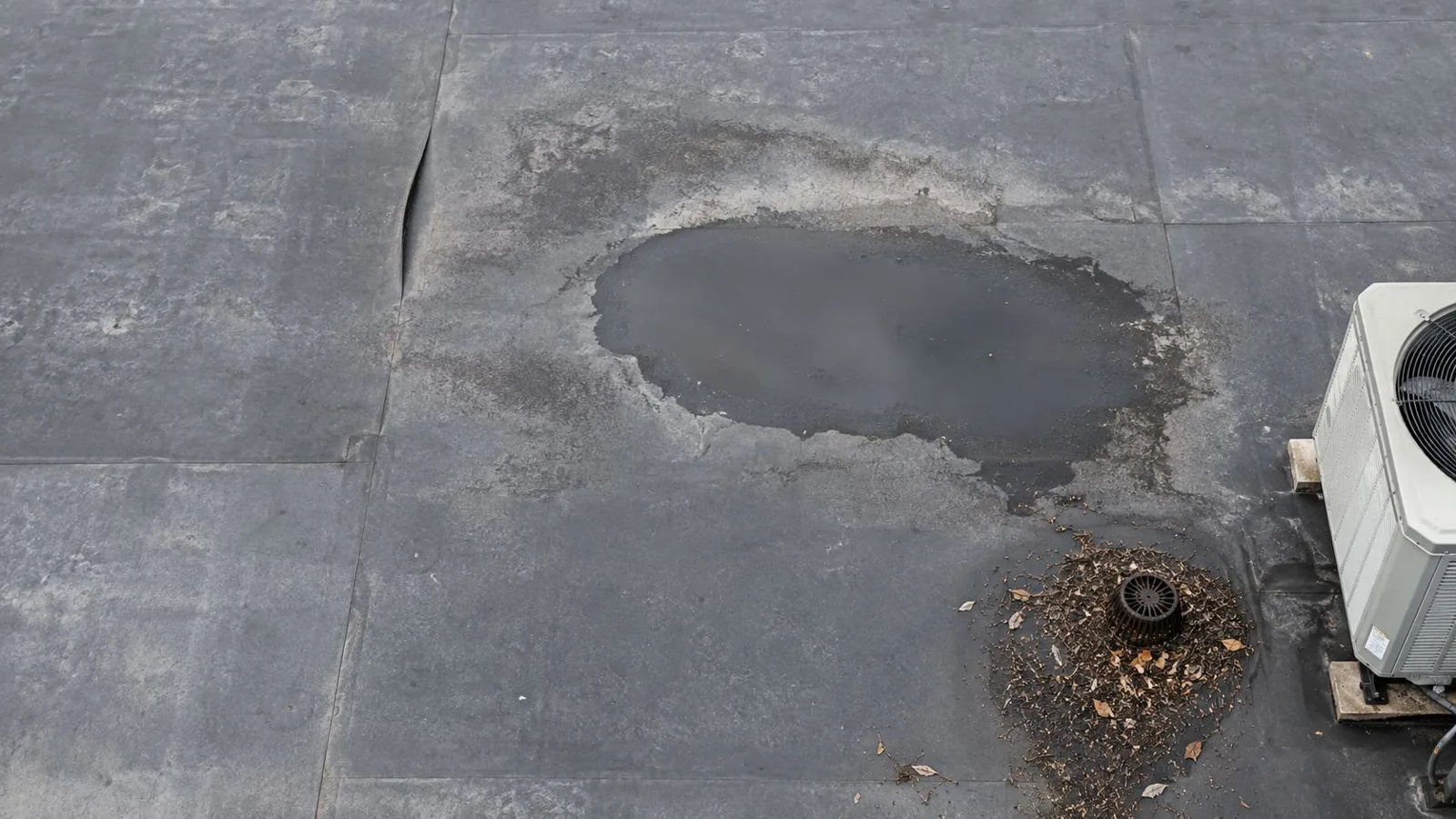
High-resolution views may show open seams, displaced flashing, debris, surface wear, standing water or visible patch history. Images may not reveal the cause of a condition, the material below the membrane or whether an apparently intact layer is bonded. We identify observations as visible evidence, not an internal diagnosis. If an image suggests a potential problem, a field visit can confirm the detail. For broad roof records, we organize images with a roof condition report or a roof asset record, depending on the owner's need.
Know what aerial imagery cannot confirm
A camera sees the surface from selected angles. It generally cannot confirm hidden moisture, deck condition, fastener pullout, membrane adhesion or the extent of damage below a patch. Thermal or other sensors may show patterns that warrant investigation, but those patterns require context and ground verification. A drone image is not a moisture test or a warranty conclusion. Where the repair decision depends on concealed layers, we recommend targeted testing and record its location separately.
Close-up views can be limited by resolution, viewing angle, shadows, glare and safe flight distance. A steep parapet, screen wall or crowded equipment zone may conceal the detail of interest. We mark those limitations so the owner knows where direct access is still needed. If an active leak is reported, the drone can help locate relevant roof areas, but a leak investigation must trace the path and define affected materials. If visual evidence shows widespread failure, we compare a repair scope with a larger replacement assessment.
Use Hialeah imagery to plan property-specific access
Hialeah includes industrial and distribution uses in Hialeah Heights, retail activity around Westland Mall and commercial buildings along Palm Springs Mile. Those settings can involve different roof sizes, tenant access and equipment density. The area name helps locate the property, but it does not tell us the roof assembly or condition. We verify the address and property permission, then plan imagery around that site's operations and flight constraints.
Rain is a practical scheduling factor. Hialeah's wet-season rainfall is concentrated from mid-May through early July, and wind or rain can limit safe, useful image capture. Wet surfaces may also change how some visible conditions appear. We record the conditions during the flight and avoid treating images from different weather or camera positions as direct condition measurements. A property near Hialeah Heights, Westland Mall or Palm Springs Mile receives a plan based on its address, permissions and operating needs.
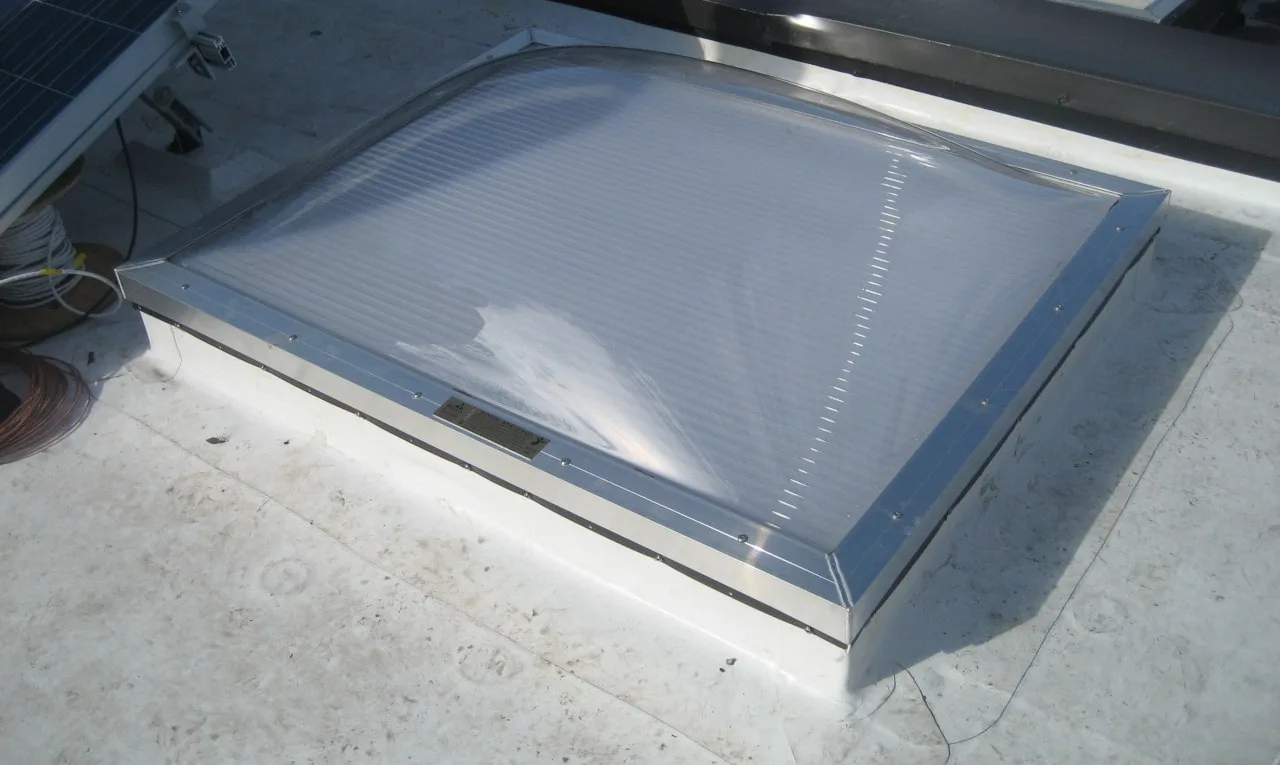
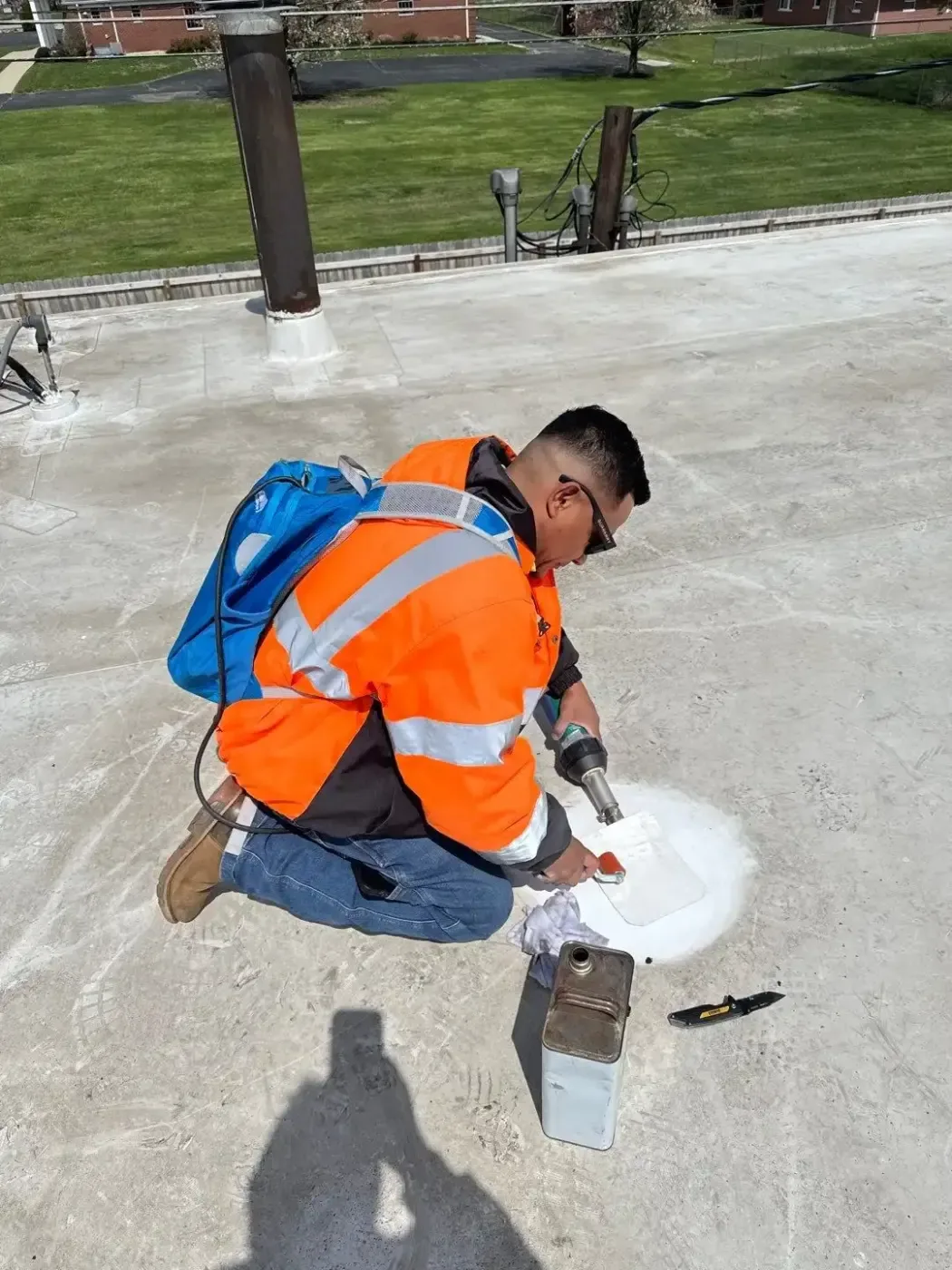
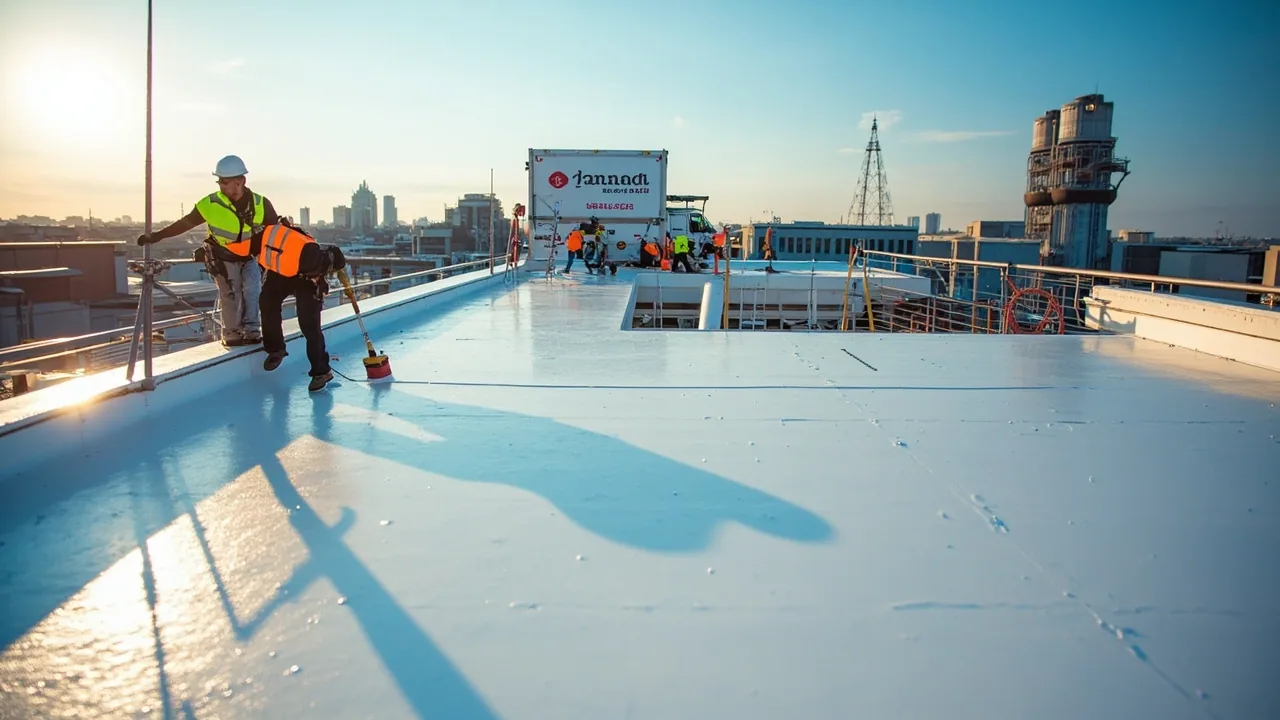
Deliver mapped images with a follow-up list
The output can include date-stamped images, roof-section labels, an annotated overview and a list of visible conditions that warrant field confirmation. We separate clear observations from image limitations and identify any area that could not be captured. When imagery is collected over time, we use comparable viewpoints and note changes in coverage so owners do not mistake a different angle for a new defect. The image set should support a decision or inspection plan, not serve as an unlabeled archive.
For portfolio use, we can note which property and roof section each image belongs to and pair the findings with repair records or maintenance tasks. A capital review can use the visual record to decide where physical inspection or testing is most valuable. If the next question concerns trapped moisture, schedule an infrared moisture survey with appropriate field verification rather than drawing a moisture conclusion from standard aerial photos. The report states who reviewed the images and which recommendations still require roof access.
Choose the inspection method that answers your question
Share the Hialeah address, roof plan, property permission contact, operating restrictions and the question you need the imagery to answer. Tell us about known leaks, inaccessible sections, nearby people or vehicle activity and any prior imagery. We can confirm whether a drone overview is useful, whether direct access is needed or whether another diagnostic method better fits the decision. If flight is not appropriate, the inspection plan should say why and identify the next option.
Owners near West 49th Street, Hialeah Heights and the Palmetto General district can use the same clear deliverable: images mapped to roof sections, limitations called out and a short list of field checks. The recommendations stay attached to the inspected property. A drone visit is one part of a roof assessment, and the owner can authorize follow-up inspection or repairs only after reviewing what the images actually show.
Questions
WHAT OWNERS ASK
Can drone images identify a roof leak?
They may show a visible opening or condition worth checking, but an image alone cannot trace water through concealed layers. A leak investigation uses interior reports, roof details and testing as needed to establish the repair boundary.
Can a drone replace walking the roof?
No. Aerial imagery provides an overview and can document hard-to-view surfaces, but close inspection is needed for seams, flashings and materials that require direct examination.
Do you need permission or FAA approval to fly?
We confirm property permission and check current requirements for the exact location and operation. FAA authorization is required for drone operations near airports in controlled airspace. Any required approval must be in place before flight.
Will a drone show moisture under the roof membrane?
Standard imagery does not establish hidden moisture. Other diagnostic methods may identify areas for testing, but results need context and field verification. We describe each method and its limits.
What will I receive after a drone inspection?
Deliverables can include labeled images, a section map, visible-condition notes, flight limitations and a list of locations needing direct inspection or testing. We agree on the format before the visit.
Related Roofing Work
Map the roof before choosing the next inspection
Provide the Hialeah address, roof plan, permission contact and inspection question. We will confirm whether drone imagery is suitable and identify any follow-up access or testing needed.