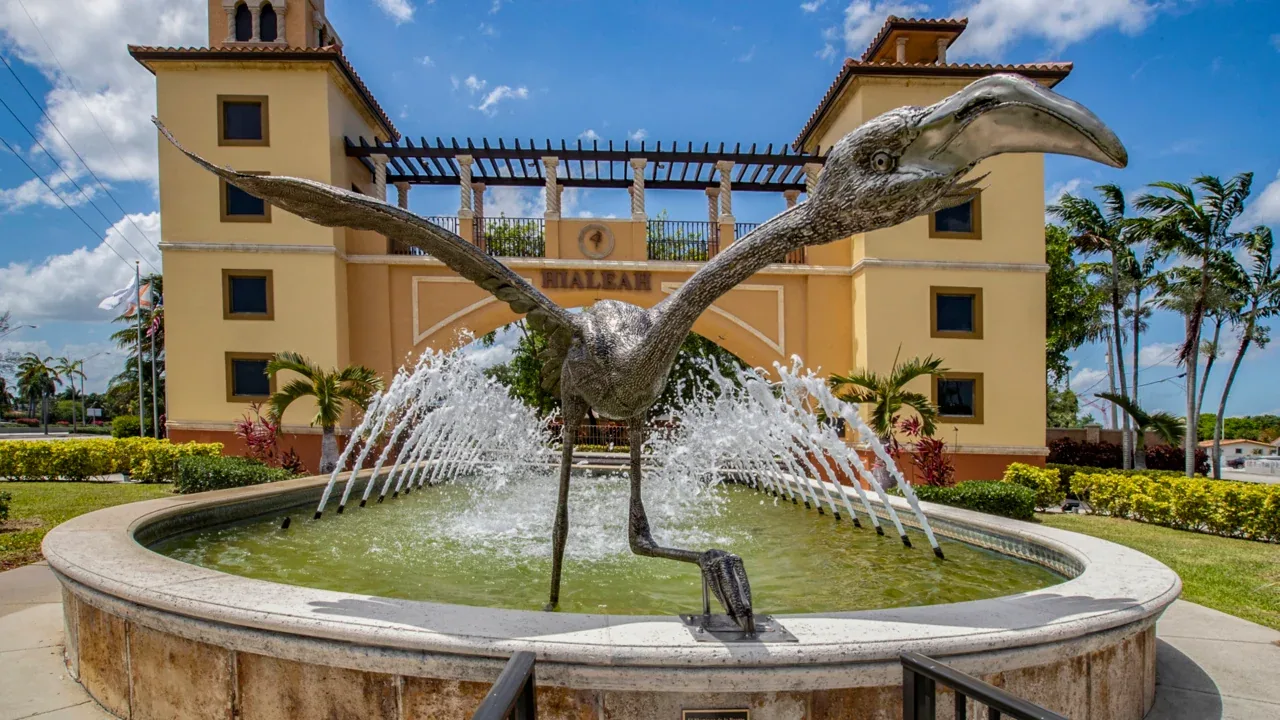

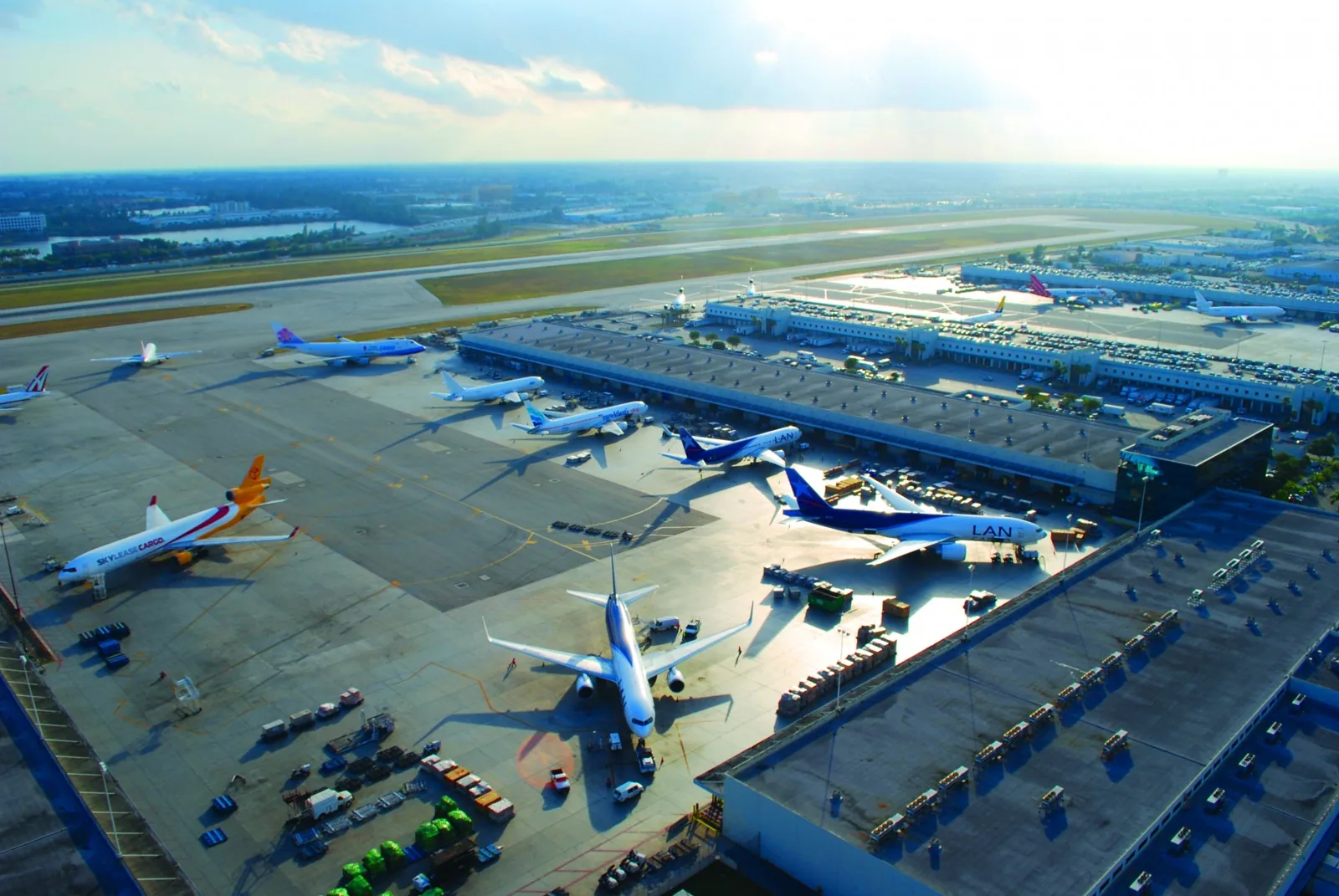
Commercial Roofing at MIA Cargo and Maintenance Area, Miami, FL
Service Areas
Cargo and maintenance roofing at Miami International Airport needs a building-level inspection before anyone sets a repair boundary. MIA's property inventory includes cargo warehouses, offices, hangars and maintenance shops. That inventory identifies the kinds of facilities on airport property, not the roof assembly or condition at an individual address. The airport complex is near Hialeah but is a separate property, so proposals and service records must use the actual airport address rather than label the work as a Hialeah building.
Commercial Roofing Hialeah serves the adjacent market with inspections, repairs, replacement and maintenance for commercial roofs. We inspect membrane seams, penetrations, curbs, drains, flashing and perimeter edges, then document access and any suspected moisture beneath the surface. Hialeah's wet season averages 48.19 inches of rainfall, a useful scheduling reference for this nearby airport property. For this MIA property, the operating contact and roof plan set the schedule and access path. Start with a commercial roof inspection tied to the property address.

Match the inspection to the airport building
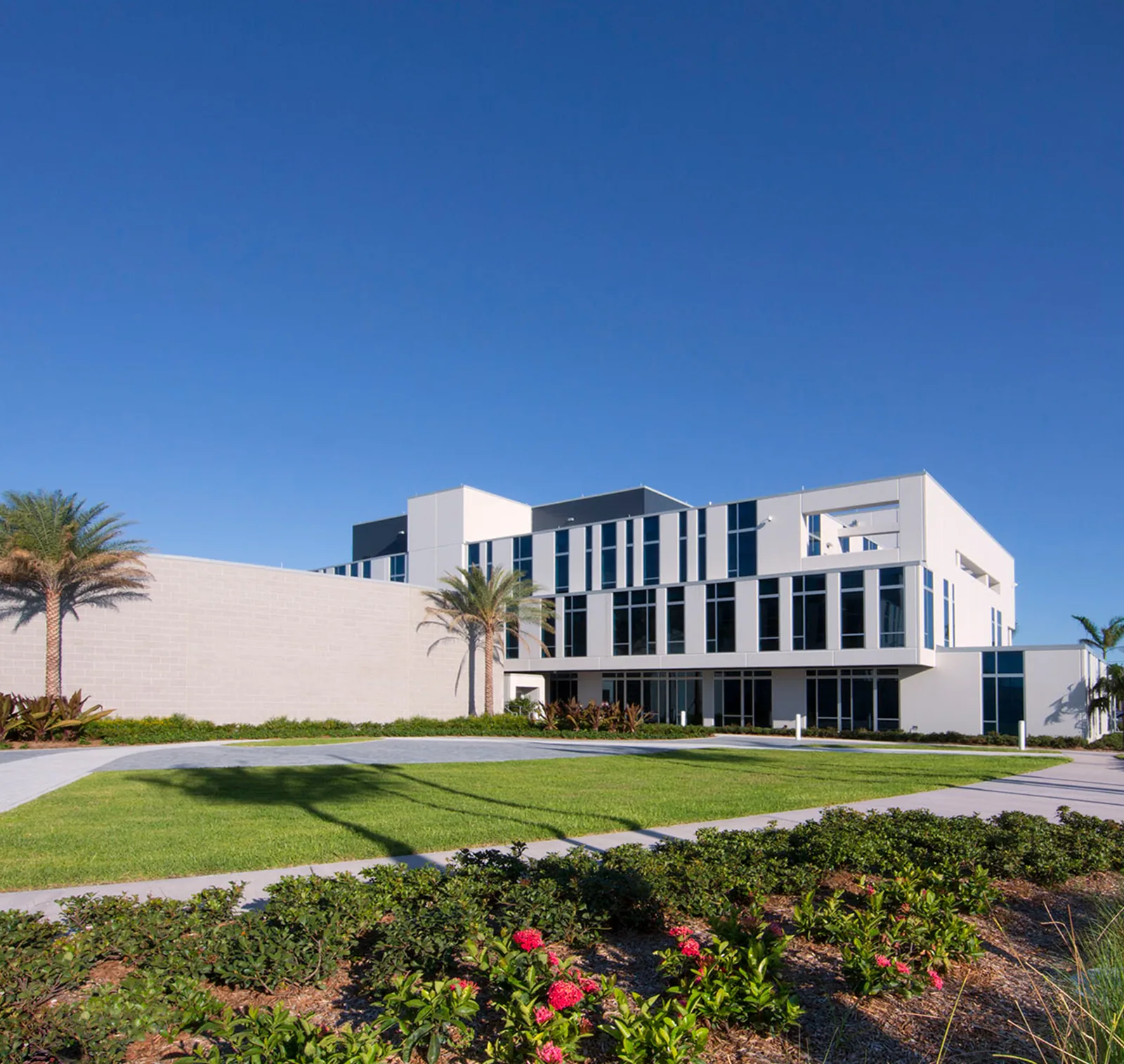
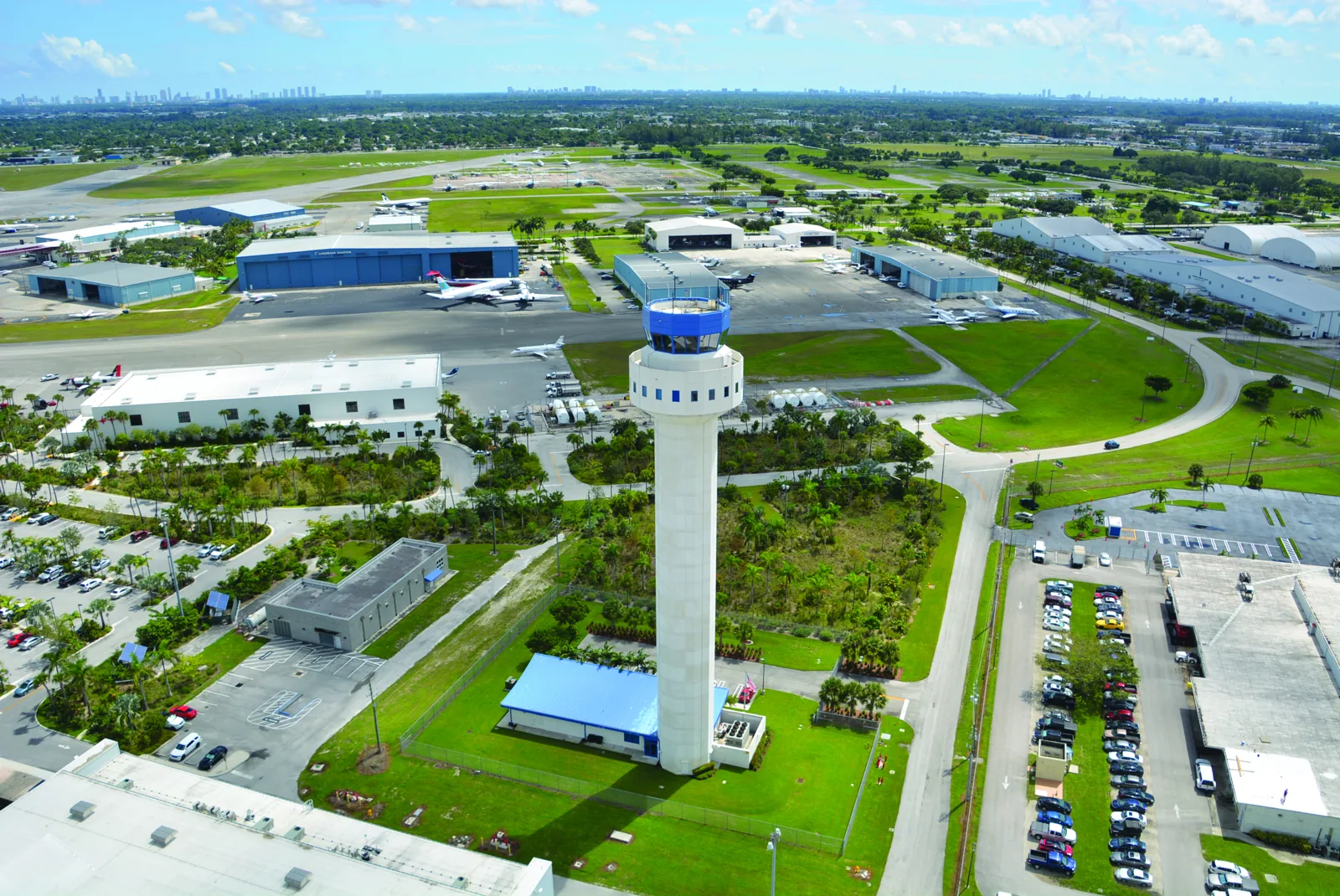
Confirm the building number, lease area, roof section, access contact and prior repair records before the roof walk. A cargo warehouse may have large receiving doors and equipment penetrations; an office, hangar or maintenance shop has different details to inspect. Those are general building types, not assumptions about any one roof at MIA. We identify the actual system from markings and exposed construction, inspect the field and perimeter, and mark any area that could not be reached.
Hangars, cargo space and maintenance operations may have different site access or operating limits. The property representative confirms escort, security, vehicle, lift and service-hour requirements where they apply. We plan a route that does not put staging into an active work area, and record any conditions that require a separate shutdown or interior protection. A warehouse roof survey can organize observations by section; an aircraft hangar inspection can account for clear-span roof details when that is the building type present.
Find how water reaches the occupied space
A leak under cargo staging may not sit directly below the roof opening. Water can travel along a seam, flashing, deck or insulation before it appears inside. We trace the reported location from the roof above, inspect nearby penetrations and wall transitions, and check drain bowls or scuppers for restrictions. Photos connect each finding with a building and roof section. If surface evidence does not show whether the insulation is wet, moisture testing or a controlled opening can resolve the next scope.
Roof plans should identify drains or scuppers, pressure zones and parapets. We compare the drawings with current field details, especially where equipment or later repairs may have changed the drainage path. A backed-up outlet needs a different correction from a split membrane seam. A drain and scupper inspection can document the outlet path and membrane tie-in. Hialeah's summer rain pattern informs the work window; the MIA roof walk records ponding, outlet condition and water paths at the airport property.
Set work windows around cargo movement
Agree on the authorized access route, delivery time, staging location, roof entrance and daily closure point before materials arrive. Cargo movement, maintenance shifts and office use may continue while roofing proceeds, but the property contact decides which lanes, doors and areas must remain open. We keep the work area small, protect penetrations and close every exposed section at the end of the shift. When removal reveals wet insulation or a damaged deck, photograph and measure it before requesting the next approval.
An active cargo-facility leak can be dispatched for emergency attention at any hour, day or night. We can stabilize an active leak promptly, then scope permanent repair once the assembly, moisture extent and access are clear. Longer projects can use occupied-building reroofing sequencing, with roof sections, loading routes and protected interiors listed in the schedule. No airport access pattern is presumed from the property inventory. Site management confirms who escorts the crew, where vehicles can park and which service windows apply.
Separate a local patch from a building-wide scope
Cost depends on roof area, membrane or metal system, seam and flashing count, attachment, drains, insulation moisture, deck work, access, staging, protection and disposal. A small curb repair differs from replacing a wet section or removing several roof layers. The proposal states materials, measured limits and assumptions about concealed conditions. If an opening finds damage beyond the visible leak, we record the affected area and obtain approval before the work boundary expands.
A recover may be considered when the existing roof is dry, secure and compatible with another layer, and when added height can be resolved at drains, curbs and perimeter edges. Tear-off may be required where moisture or attachment failure is widespread. The presence of cargo, office, hangar and shop buildings does not tell us which option fits the selected property. We compare repair, recover and replacement from field evidence and the operating schedule. A commercial roof replacement scope should identify what is removed, what stays and how the exposed deck will be protected.
Keep airport and Hialeah records distinct
Closeout notes identify the airport address, building and roof section, system where confirmed, repair location, moisture findings, drainage work and excluded areas. Add dated photographs to a roof plan and list each access limitation or test not completed. Keep the airport asset's lease or facility contact attached to its own file. If the portfolio also includes a Hialeah industrial property, its roof findings belong to a separate record and address.
For portfolios with both MIA commercial properties and cargo buildings, we keep roof addresses, access limits and findings separate. A Hialeah industrial-area asset receives its own inspection boundary and drainage record. Plan drainage reviews before Hialeah's mid-May to early-July storm peak, then set MIA follow-up from the airport roof findings and owner schedule. A roof condition report keeps photographs and next approvals ready for the capital review. Send the airport building address, roof plan, leak history and access contact to book the first walk.
Questions
WHAT OWNERS ASK
Is MIA's cargo and maintenance area part of Hialeah?
No. The airport complex is near Hialeah, but it is a separate airport property. Use the building's airport address and facility contact for the inspection, proposal and service record.
Can you inspect a cargo warehouse roof while shipments continue?
The property contact sets the route, service window, staging limits and any area that must stay clear. We record access restrictions and define a roof section that can be opened and closed safely within the approved period.
What distinguishes a hangar roof survey from an office inspection?
The building type changes which roof spans, penetrations and access arrangements need attention. We inspect the actual assembly and note the operating requirements, without inferring a system from the property's use.
Does Hialeah's wet-season rainfall figure apply to MIA?
Hialeah's wet season averages 48.19 inches, a nearby scheduling reference. We inspect MIA's drainage and weather exposure at the airport property and set follow-up from those findings.
Related Roofing Work
Tie the MIA roof assessment to its airport building number
Send the airport address, roof plan, leak history and authorized access contact. We will document the affected section, drainage, access window and next repair decision.