
Preventive Commercial Roof Maintenance in Hialeah, FL
Commercial Roofing Services
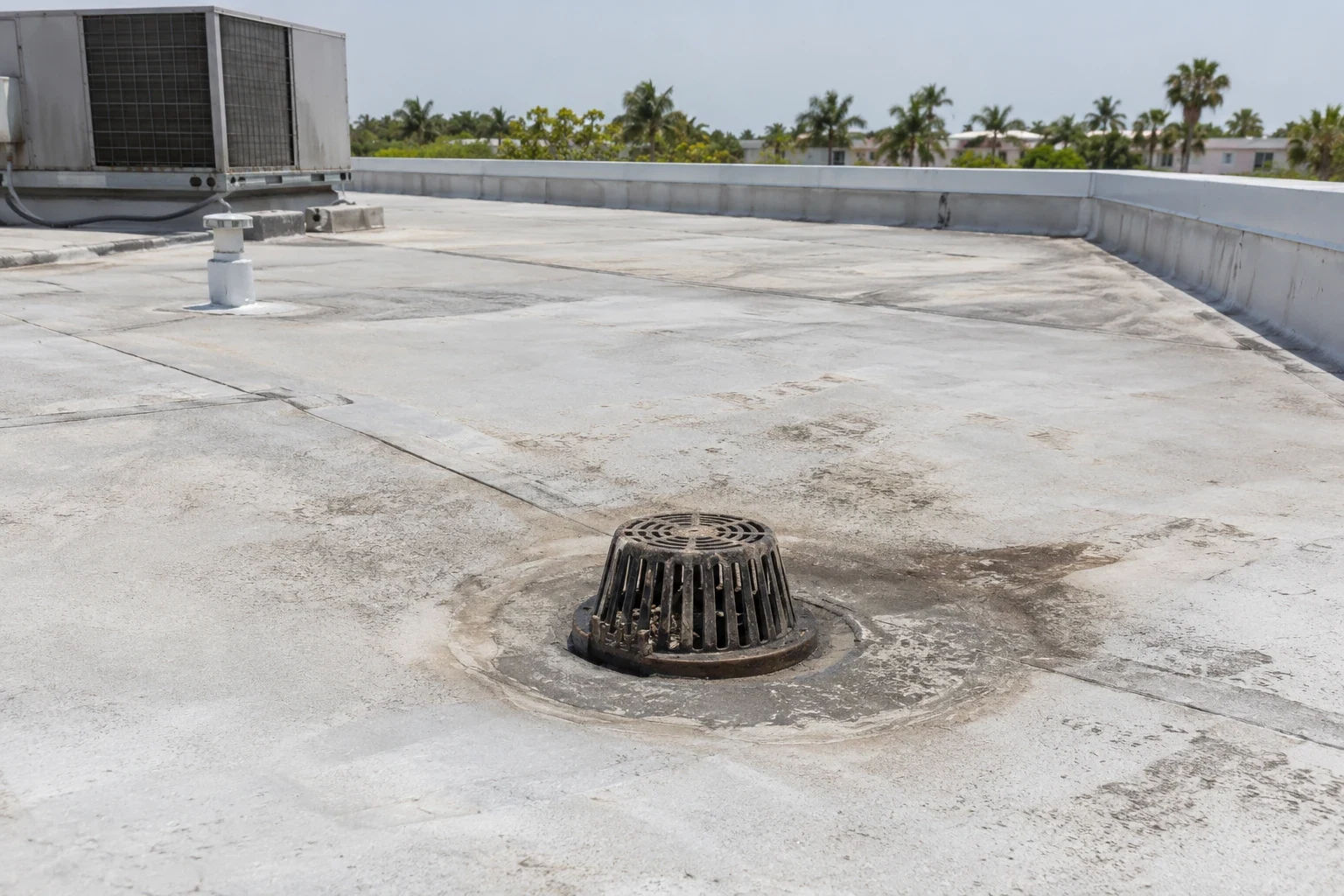
A drain basket packed with leaves can turn ordinary summer rain into water held against the roof field. The maintenance decision is whether the outlet is simply blocked or whether its flange, scupper, slope or discharge has also failed. We inspect the water route and nearby roof details, clear what can be maintained and log repairs separately from conditions that need authorization. On an industrial property in Hialeah Heights or a retail building near West 49th Street, that distinction gives the asset manager a next step tied to a specific roof section.
Hialeah's wet season carries a normal 48.19 inches of rain, with its stormiest stretch from mid-May into early July. July and August heat can push the heat index above 100 degrees. A maintenance program should account for both the water load and safe rooftop work windows, not just put a date on a calendar. We plan the visit around the building's assembly, access rules, active reports and service history.
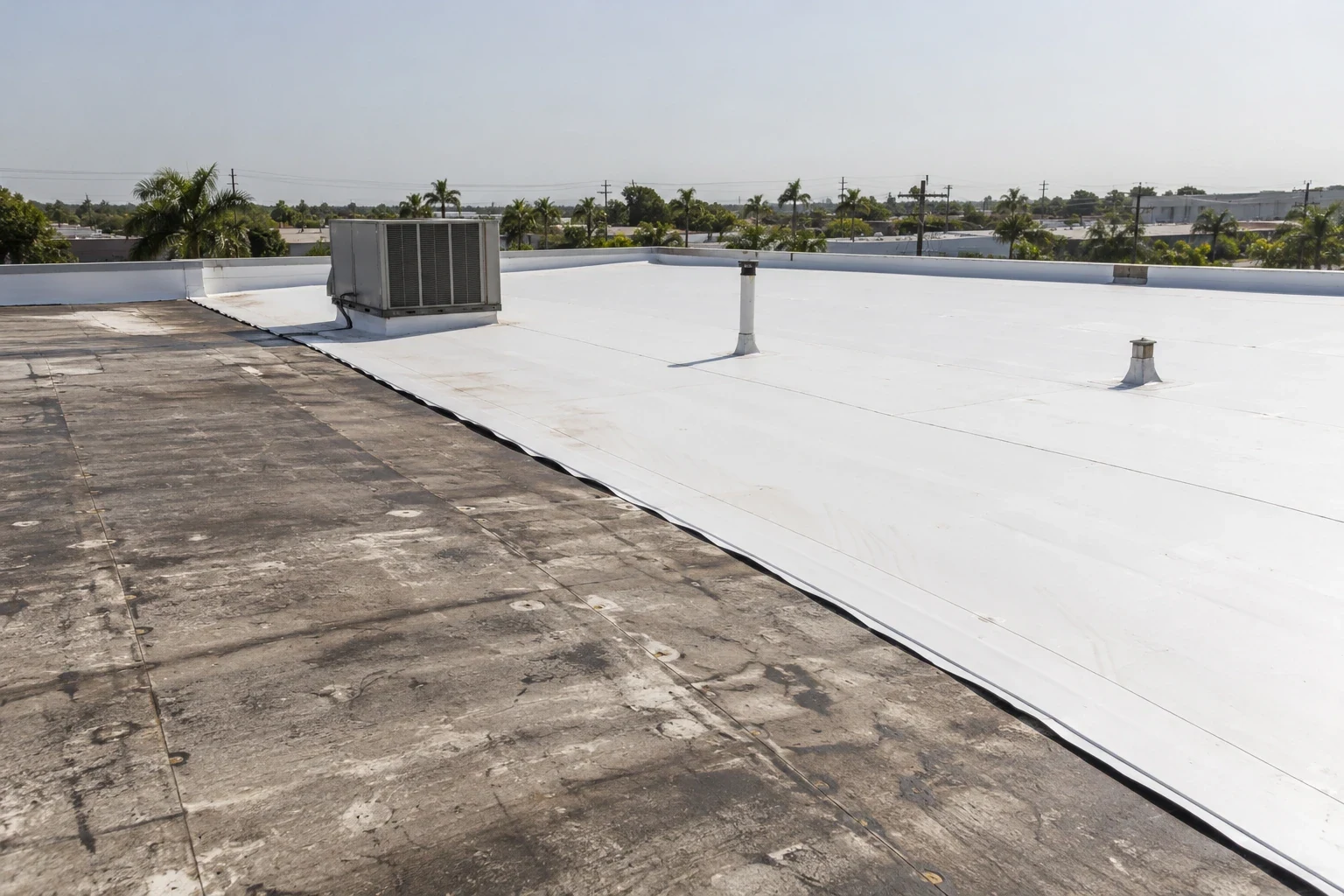
Inspect the Roof Section Before Scheduling Work
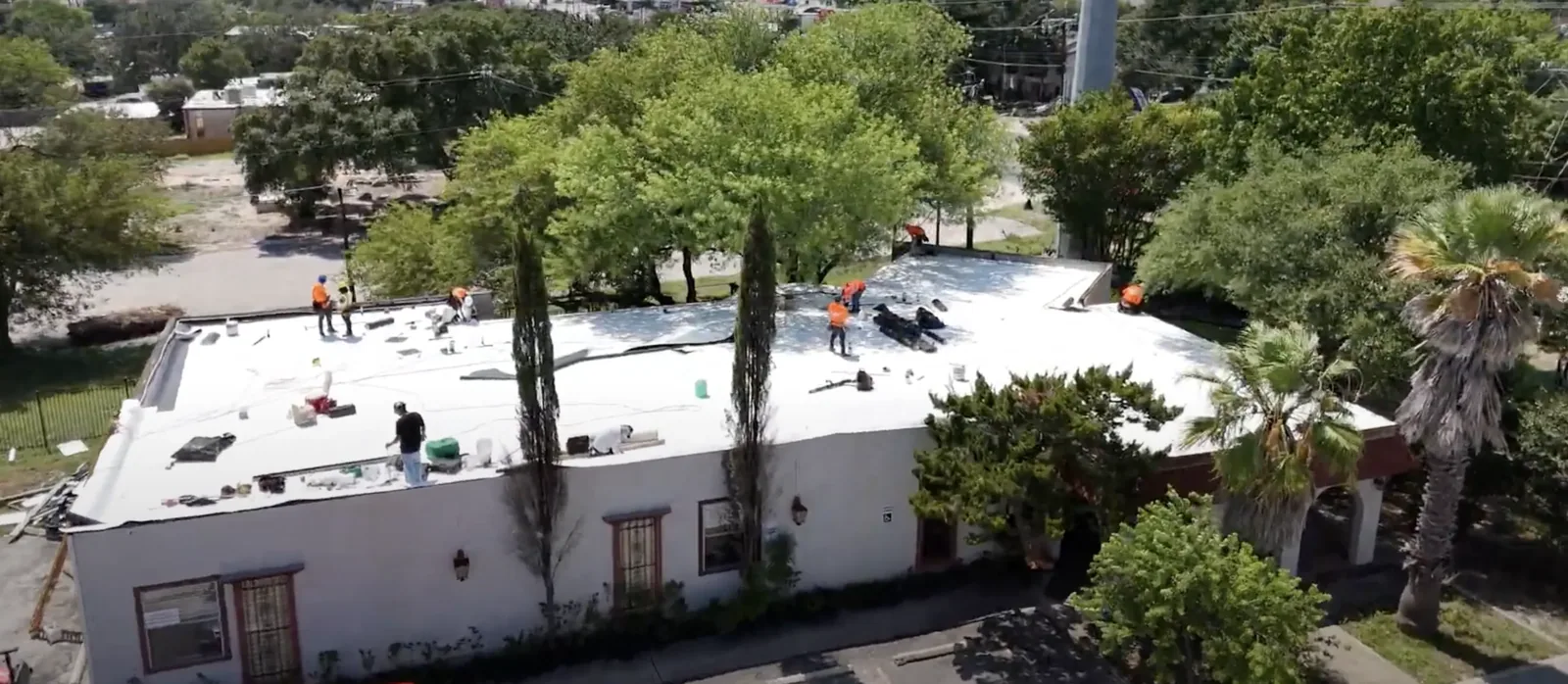
Start by matching the property address to its roof plan and prior work record. Identify roof coverings, elevation changes, parapets, drains, scuppers, curbs, skylights and previous patches. Check membrane laps for open edges, metal panels for loose fasteners, flashings for movement and the perimeter for failed attachment. Record water stains and occupant reports without assuming the interior symptom sits under the roof opening. A commercial roof inspection can map visible conditions and identify where testing or additional access is needed.
The maintenance record should separate tasks from repair proposals. Clearing a strainer is a service item; a split drain flange or wet insulation needs a defined scope and the next approval. We photograph each finding with a roof-section label and note what remains inaccessible. For a large property, the map should let the next visit return to the same drain or curb without relying on a technician's memory.
Hialeah's building base includes industrial, light-manufacturing, warehouse and distribution properties. That mix does not identify the roof system at any one address. It does mean a site contact may need to coordinate loading access, production areas or restricted equipment before a maintenance visit. In retail areas such as Palm Springs Mile, customer routes and storefront operation may shape the staging plan. Confirm current use at the property rather than inferring it from its location.
Clear the Drainage Path and Check Its Details
Remove debris from strainers, gutters and scuppers when the work is within the approved scope, then inspect the connected assembly. Check the drain bowl, clamp, membrane flange, overflow route and discharge beyond the roof. A clear basket does not correct a loose flange or a backpitched line. The drain and scupper service can address a failed connection or recurring ponding once the defect is identified. Record whether standing water clears after maintenance or remains for further evaluation.
Hialeah's wet-season rainfall concentrates runoff into a short summer period. Before the stormiest weeks, review whether outlets are accessible, whether debris can collect at transitions and whether temporary roof work can be secured before rain. The maintenance list should prioritize active leaks, blocked drains, open laps and loose perimeter details. It should also state which issues can be handled in the current visit and which need a separate crew, test or material approval.
During the July and August heat, safe access and work duration require planning. Confirm weather conditions, rooftop heat exposure, shaded rest access and whether the roof surface can accept a repair material. If a task cannot be completed under suitable conditions, record the open item and interim protection rather than treating an unfinished detail as closed. A warehouse roof maintenance review can help frame access considerations for that property type, while the scope remains specific to the actual roof.
Sequence Repairs Before the Next Approval
Rank findings by active water entry, safety exposure, drainage function and likelihood that a small defect will extend into connected materials. State the evidence for each priority. If a seam is open but dry, photograph it, locate the section and propose compatible repair. If insulation tests wet beyond the visible leak, define the next test or opening needed to measure the affected area. A repair scope should state preparation, tie-in, material and repair boundary, not simply call for sealant.
Work around occupied operations requires a confirmed access contact and a daily closeout check. Set lift locations, loading routes, fire access, rooftop equipment restrictions and tenant entrances before moving materials. Limit exposed areas to what the crew can close before the shift ends. Hialeah's mid-May to early-July storm peak can interrupt open-roof work, so the sequence identifies who checks temporary protection and how an active leak is reported.
For a portfolio manager, keep one record per address and roof section. Separate completed maintenance, approved repairs, recommended work and items awaiting testing. The roof asset record can carry photographs, dates, access notes and repeat findings forward. That allows the next decision to use the same evidence rather than restating the building from the beginning.
Compare the Maintenance Record With Capital Needs
Routine maintenance is not a promise that a roof will avoid failure. It gives the owner a record of drainage, seams, flashings and prior repairs while those conditions can still be addressed in a defined scope. Cost and timing depend on roof area, access, debris, number of details, testing, material compatibility and whether wet layers or damaged deck change the repair limit. We distinguish recurring maintenance from corrective work so the owner can review what the current authorization includes.
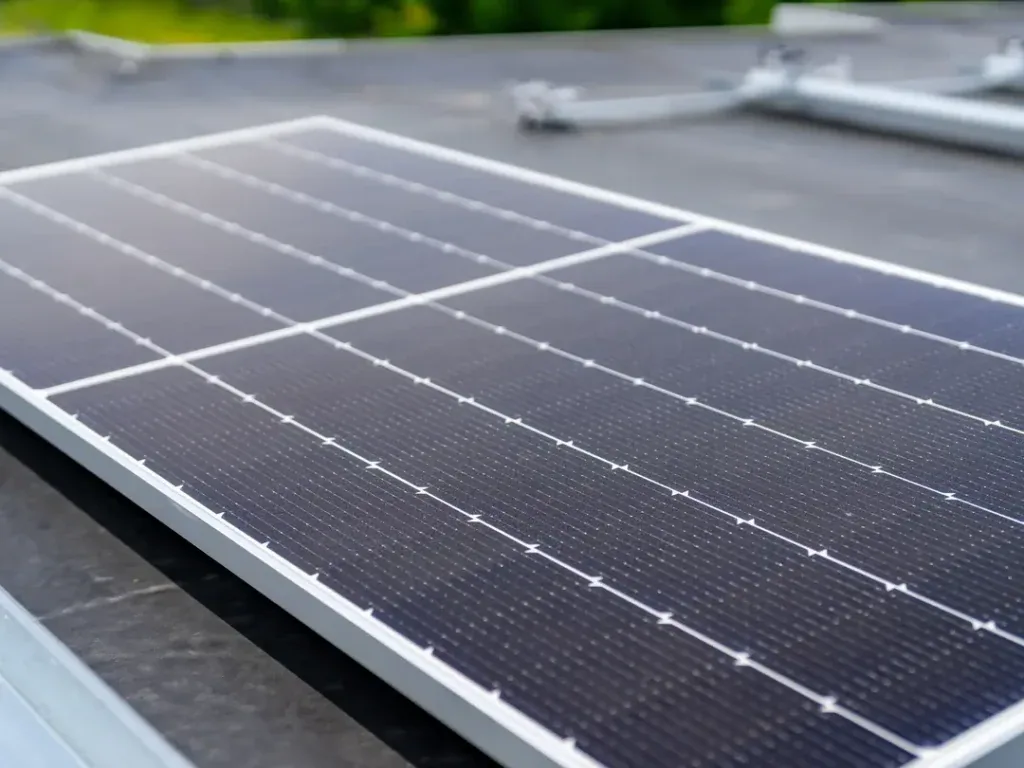
A coating or recover option should follow an assessment of the existing layers, moisture, deck capacity, drainage and substrate preparation. Repeatedly sealing a detail cannot correct a broader attachment or drainage failure. When repairs cluster in one section, compare that section's documented history with the cost and disruption of replacement. A coating restoration review or replacement assessment should start with the same roof map and distinguish confirmed conditions from concealed questions.
Keep storm observations factual. Severe thunderstorm winds, tornadoes, hail, lightning and flooding are identified South Florida hazards, but a maintenance entry should describe what was found at the property rather than speculate about cause. If a named event is relevant, identify the supported location and tie any damage conclusion to field evidence.
Close the Visit With a Usable Portfolio Record
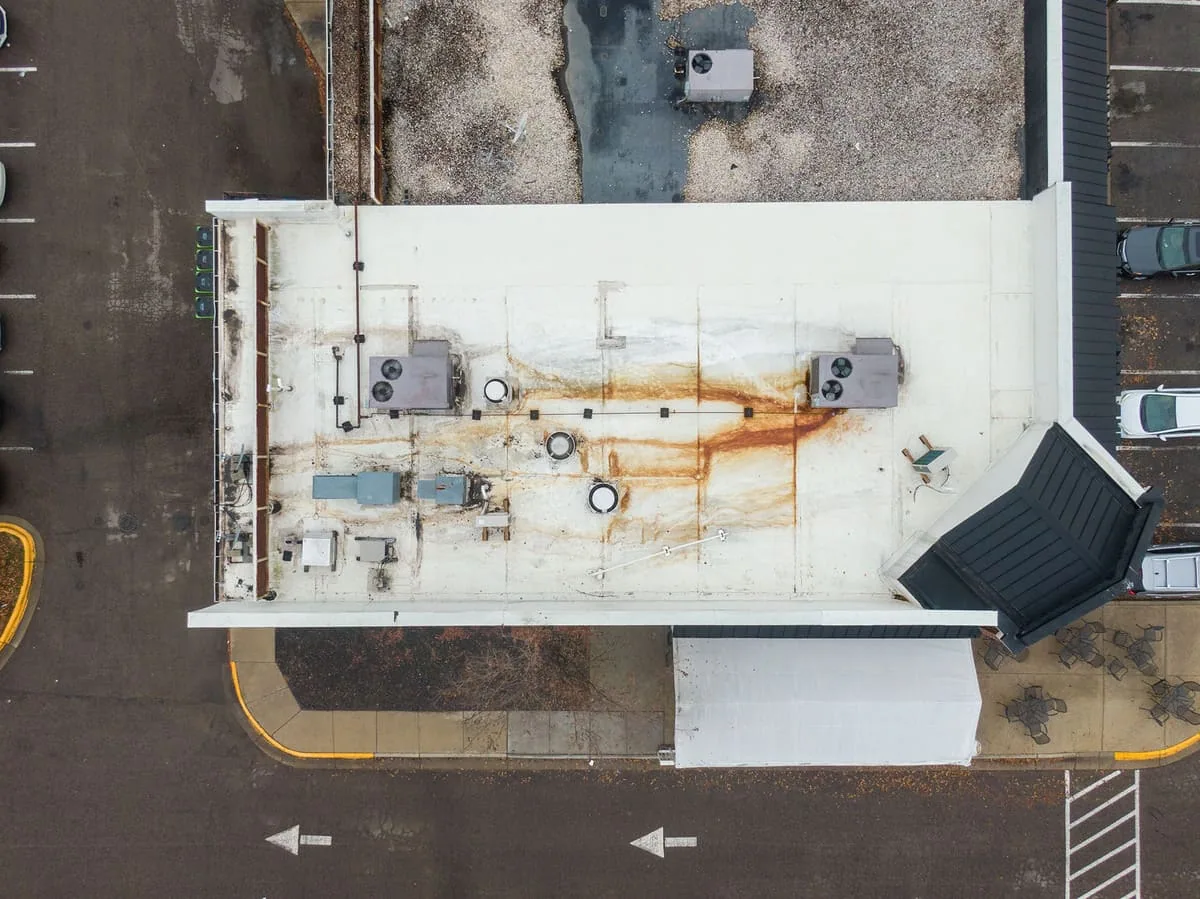
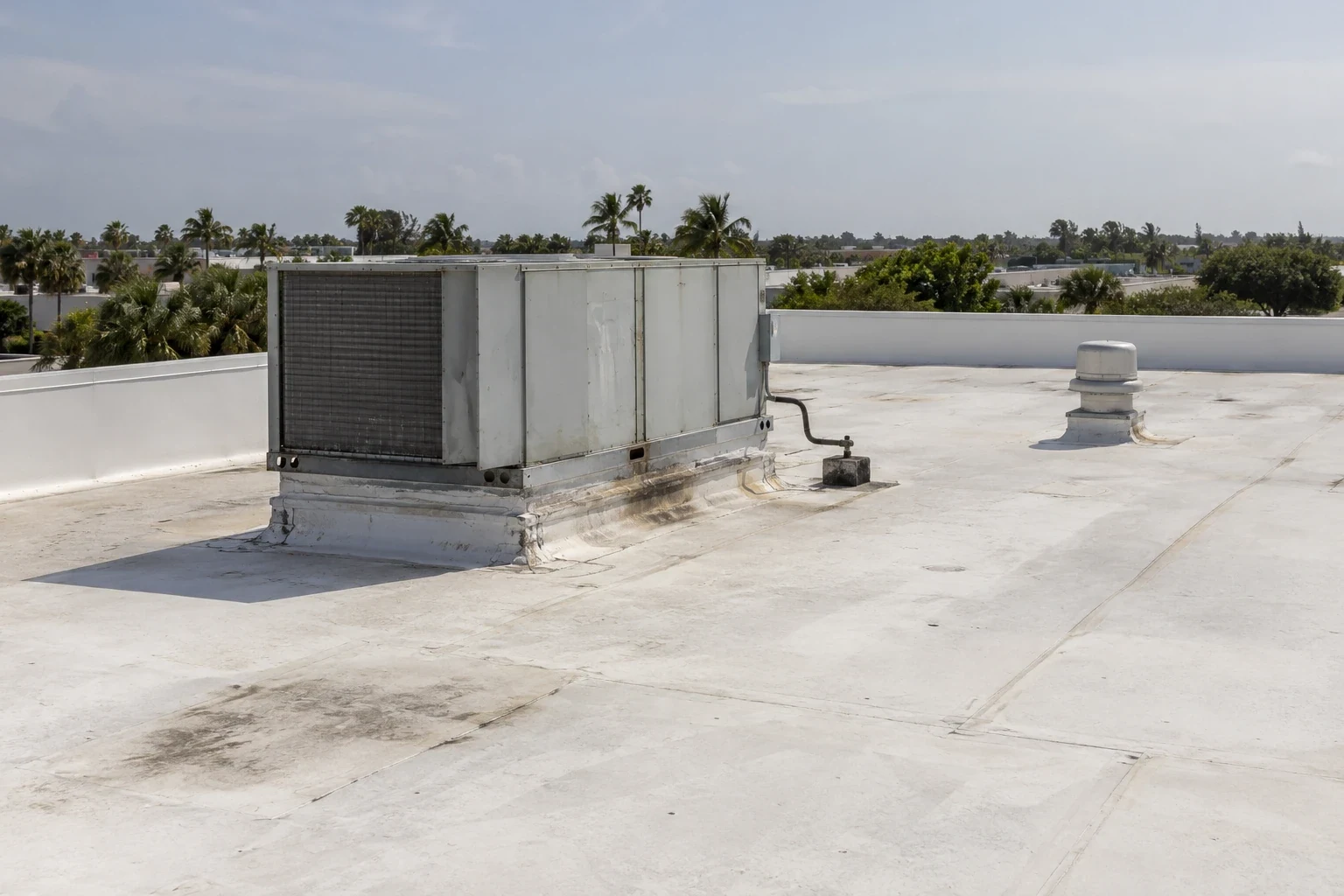
Closeout should name the building, roof section, maintenance performed, photographs, drainage condition and remaining work. Include any area that could not be accessed and why. Give the site contact the open items and identify the person responsible for the next approval. If a temporary repair remains, record how it should be monitored and what condition warrants a return visit.
For Hialeah property near West 49th Street or Hialeah Heights, provide the exact address, roof history, current concern and approval contact. We will connect the maintenance findings to that building's service record and set out the next action.
Questions
WHAT OWNERS ASK
What should a Hialeah preventive visit cover before rainy season?
Check drains, scuppers, gutters, open seams, flashing, curbs and perimeter attachment, then separate routine cleaning from repair items. We map findings by roof section and identify any test or access requirement that could change the repair boundary.
Does maintenance mean the roof will not leak?
No. It gives the owner current observations and a chance to address visible concerns, but weather and concealed conditions can still expose a failure. We record what was checked, what was repaired and what remains open.
How often should a commercial property schedule maintenance?
Set the interval from the roof's observed condition, history, owner requirements, weather exposure and the system's maintenance guidance. We can recommend a schedule after reviewing the assembly and previous findings instead of assigning one interval to every building.
What happens when a maintenance visit finds wet insulation?
We mark the location, photograph visible conditions and define the testing or opening needed to establish the affected area. The repair proposal states removal limits and any authorization required if concealed damage extends farther.
Can maintenance records cover a multi-building portfolio?
Yes, with separate address and roof-section records for each property. We list dates, photos, completed tasks, repair approvals and unresolved items so a manager can compare priorities without combining unrelated conditions.
Related Roofing Work
Build a Hialeah Roof Maintenance Record
Send the property address, roof history, active reports and approval contact. We will inspect drainage and roof details, document maintenance and identify the next decision by section.