
Commercial Roofing for Manufacturers in Hialeah, FL
Industries We Serve
A leak above a line, electrical panel or raw-material area can affect a production decision before the roof scope is clear. We trace the entry, inspect material around process exhaust and map the affected section before proposing repair or replacement. Hialeah's economy includes industrial and light manufacturing; Hialeah Heights has industrial development and Medley has warehouse, cold-storage and distribution operations. We confirm each plant's process, operating calendar and roof assembly at the site.
Identify process exposure at the roof
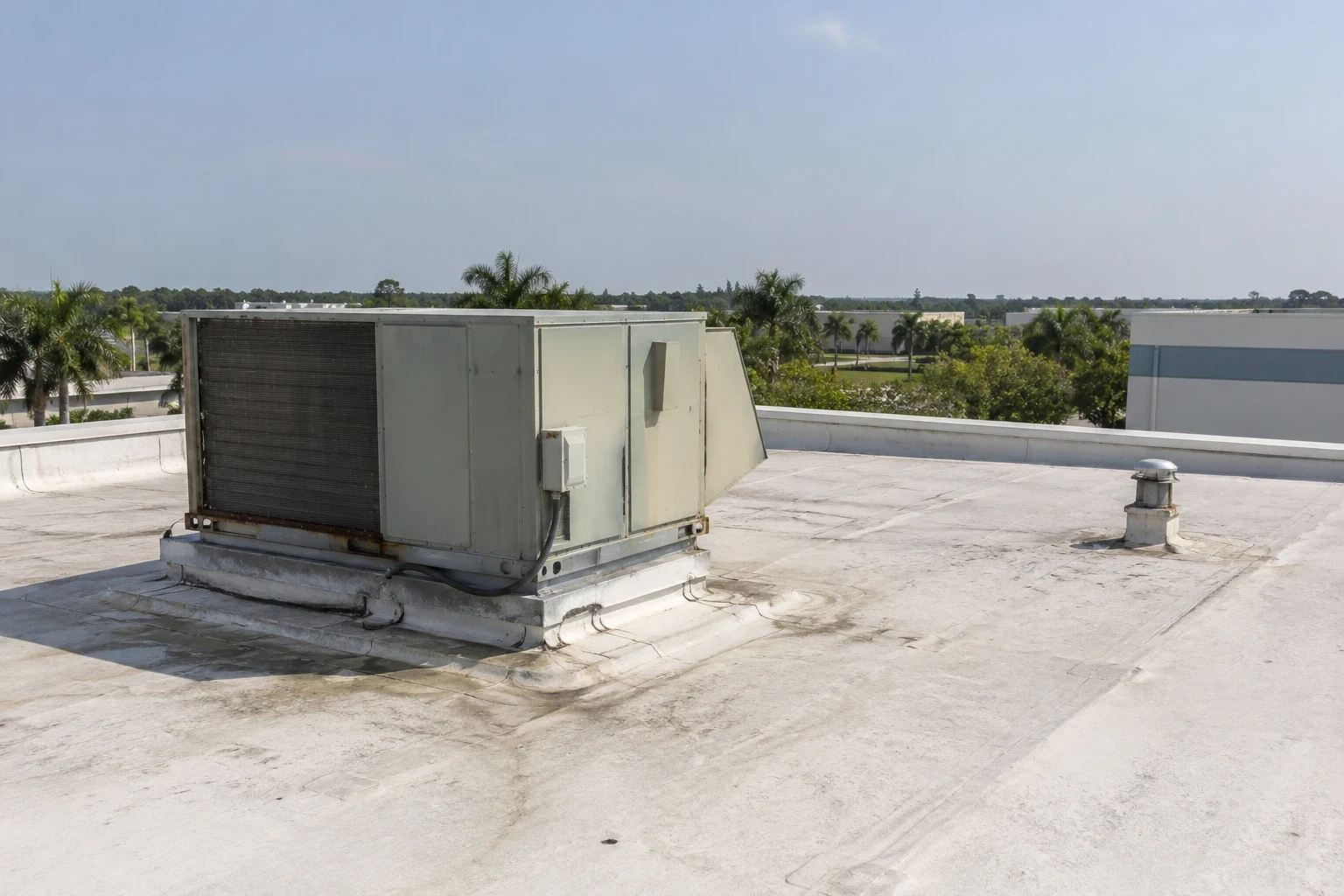
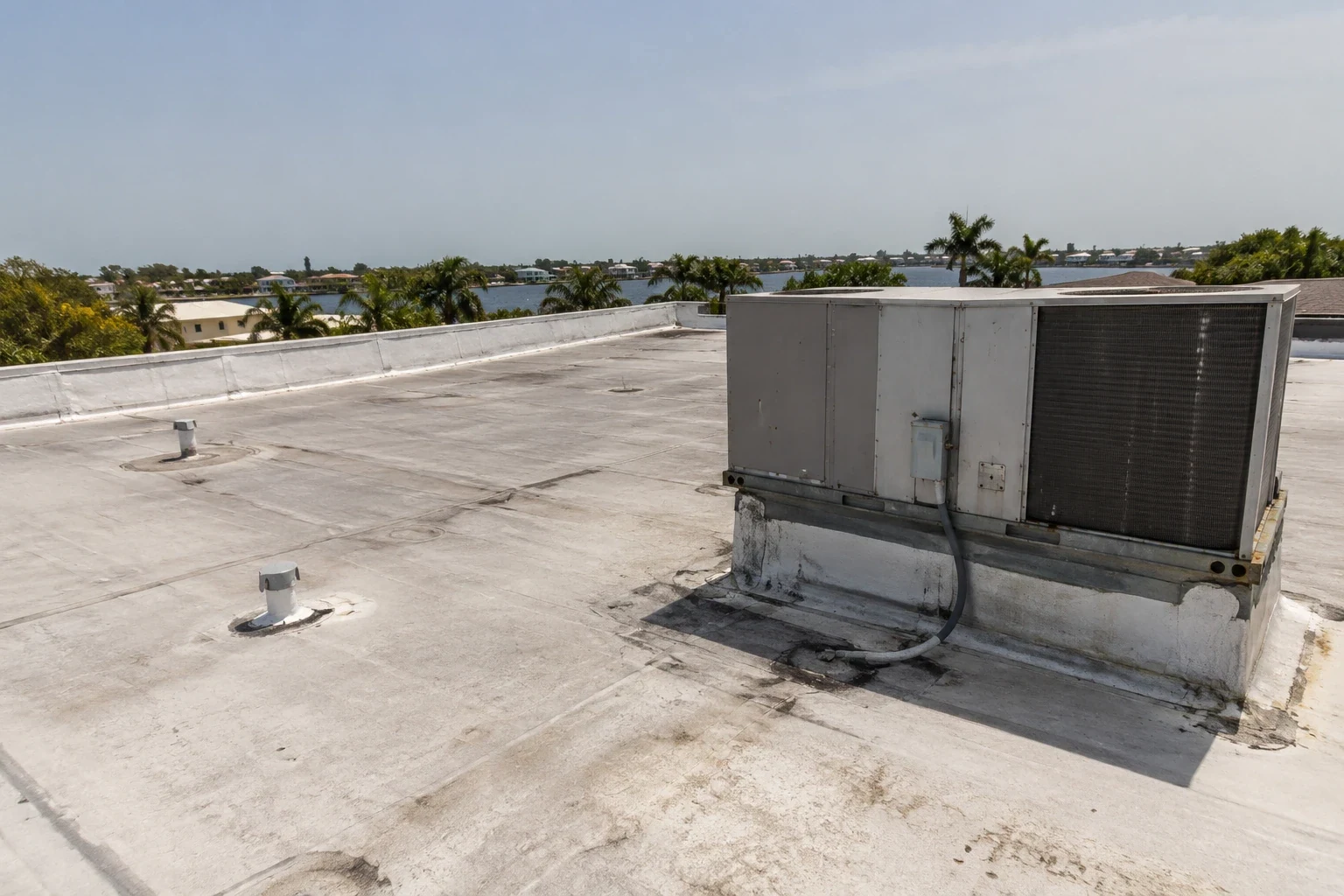
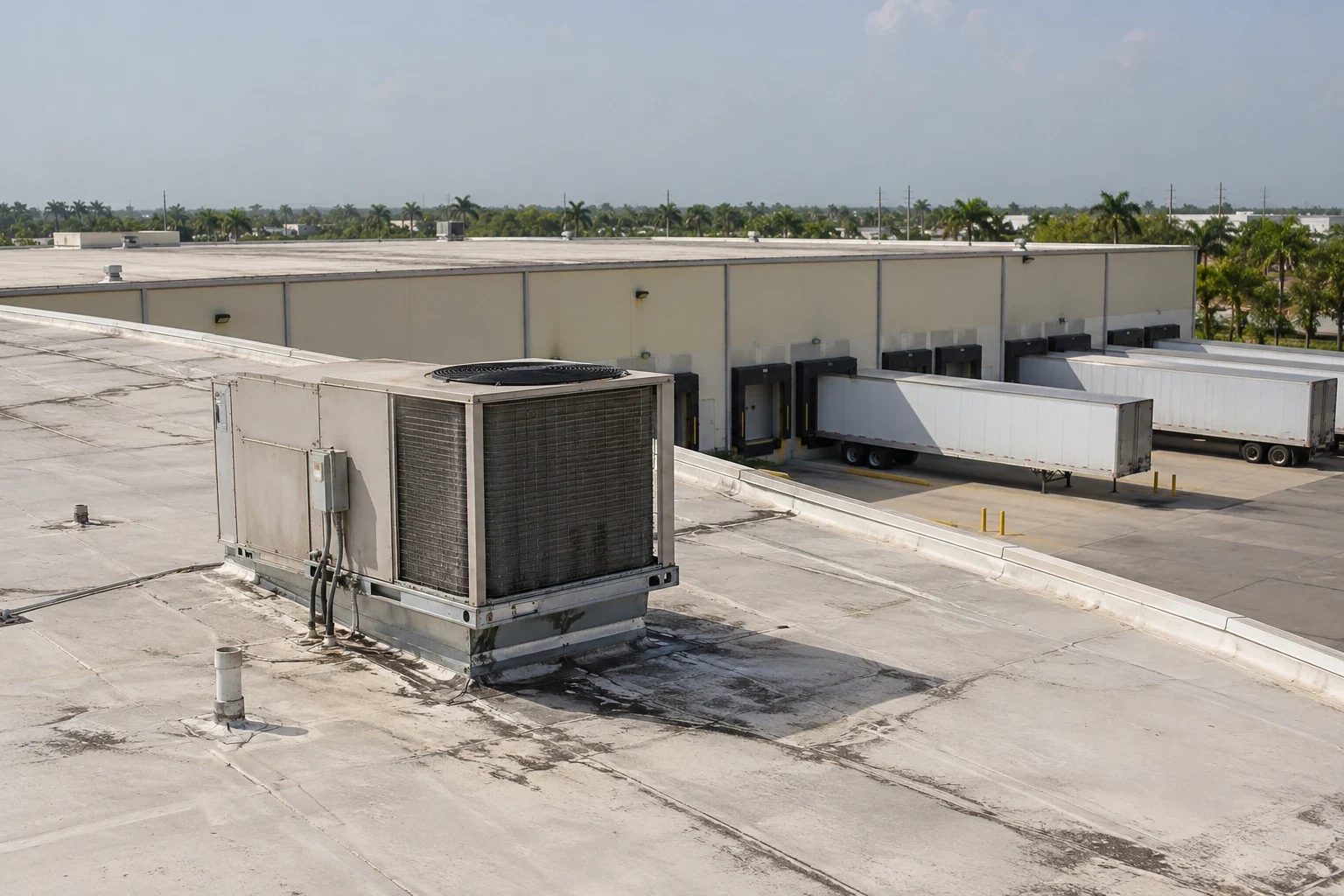
We inspect field seams, penetrations, curbs, vents, drains, wall transitions and rooftop service routes. The facility identifies what is exhausted or discharged, where it reaches the roof and how often that equipment runs. Heat, oil, cleaning fluids and process vapors can affect roofing materials; the facility contact identifies which substances reach the roof and how often. We compare the reported conditions with the membrane and coating specifications before recommending a repair material.
Interior leak reports are tied to line, bay and roof section. Moisture checks or test cuts can establish wet insulation and deck condition, while the report notes spaces that could not be accessed during active production. A roof inspection can separate an isolated opening from repeated failure. For multi-site operations, property managers and logistics operators can coordinate records while each facility retains its own process and roof details.
Protect production while the roof is open
Before work, we identify operating lines, receiving and shipping routes, hazardous areas, overhead equipment and the person who can authorize a shutdown. The plant determines any lockout or utility-isolation procedure. We coordinate overhead protection, dust or debris control, material staging and access so a roof project does not cross an active production route. If work occurs above raw materials or finished goods, the facility sets protection and relocation rules.
Tear-off proceeds in sections that can be closed by the end of an approved shift. We coordinate rooftop units with engineering staff and identify any penetration or support that must be removed and rebuilt. A curb and support scope can be coordinated with roofing, while a cover-board and insulation package can be compared if testing finds wet material. The work plan records each interface and approval needed before concealment.
Roof openings should be coordinated with production engineering before the old curb or pipe is removed. We confirm dimensions, equipment loads, support condition and the planned installation date, then show which trade completes each seal. If the equipment will not be ready when roofing reaches that section, the opening is deferred or temporarily closed under an agreed plan. The final record identifies the interface owner and any remaining inspection before the line returns to service.
For plants with routine rooftop maintenance, we note access paths and protective walk areas in the scope. Service crews should know where membrane, coating or flashing was replaced and which areas need special handling. That information can prevent a later motor replacement or duct cleaning from disturbing new roofing.
Keep manufacturing space dry through Hialeah weather
Hialeah's wet-season rainfall normal is 48.19 inches, with the most active storms from mid-May to early July. Rain reaching production areas can damage stock, controls or equipment. We check drains and scuppers before opening the roof, preserve a water route around active work and close each section securely. If a leak appears during an operating shift, the site contact identifies whether any production zone needs immediate protection.
Peak summer heat can constrain safe work hours, while late-season tropical risk changes how much material can be removed at once. We confirm the forecast and product installation conditions, then set a stop point that leaves the roof secure. For a leak that cannot wait for capital approval, emergency roof repair can control the entry while the permanent plan is reviewed. We record any temporary measure separately so the plant knows what remains unresolved.
Show process controls in the proposal
Manufacturing roof cost includes removal, wet insulation, deck work, system compatibility, flashing, drains, equipment supports and access. Production protection, interior containment, shift restrictions or shutdown coordination can change timing and labor. We list which controls are included and what the facility provides. If test cuts reveal a larger moisture area or damaged deck, the proposal states how that change is measured and approved before the work expands.
Hialeah Heights has substantial commercial and industrial development, and Medley connects major roads with FEC freight rail. We confirm production requirements and roof conditions at the plant address. We confirm the site's gate, truck approach and shift changes directly. A roof condition report can connect test results to capital approvals, while a Hialeah Heights development context keeps the work tied to the actual address.
We can phase high-priority leak areas first, then return for the remainder during planned maintenance downtime. The proposal shows each phase's boundary and what operating control is required for approval.
Give engineering a usable maintenance record
At closeout, we record the repaired sections, installed materials, penetration changes, insulation or deck replacement, and any conditions left for follow-up. Photos identify equipment interfaces and drainage points. The plant's engineering team can compare future leaks with the exact areas disturbed during roofing and confirm whether a later process change affects a curb or exhaust path.
Share the plant address, process schedule, roof plan, exposure details and authorized contact. We will inspect the assembly and return a work sequence that production can review. Near Hialeah's industrial area or Medley, vehicle routes and loading restrictions may differ, so we confirm the facility's current access and delivery windows before mobilization.
Questions
WHAT OWNERS ASK
How do manufacturing processes affect roof-system selection?
We need the substance, temperature, concentration and route of any exhaust or discharge before checking product compatibility. A manufacturer type or building label does not answer those questions. We compare verified exposure with the system documents and note any protection or repair material needed at the affected zone.
Can roof work happen while production continues?
Often, if the plant can isolate the work area, protect materials below and provide a daily window for roof closure. We coordinate with operations and engineering before opening a section. The facility controls shutdowns and lockout procedures. Some scopes may require a planned pause where overhead work cannot be separated from production.
What should a plant manager send before inspection?
Provide the roof plan, leak locations, process and exhaust map, equipment schedule, shift calendar and access requirements. Identify areas where material cannot be exposed to dust or water. We use that information to plan the survey and return findings by roof section and production area.
How do you keep a repair from disrupting shipping?
We confirm receiving hours, loading gates, truck routes and material staging before mobilization. Work barriers and debris routes stay out of the active shipping path, and the daily plan names any temporary restriction. If a route must close briefly, the plant contact approves the timing and notifies operations before the crew moves materials.
Related Roofing Work
Connect plant production with roof scope
Send the facility address, process map, schedule and roof history. We will inspect exposure and moisture, then return a staged repair plan with clear approvals.