
Commercial Roofing in Hialeah Industrial Area, Hialeah, FL
Service Areas
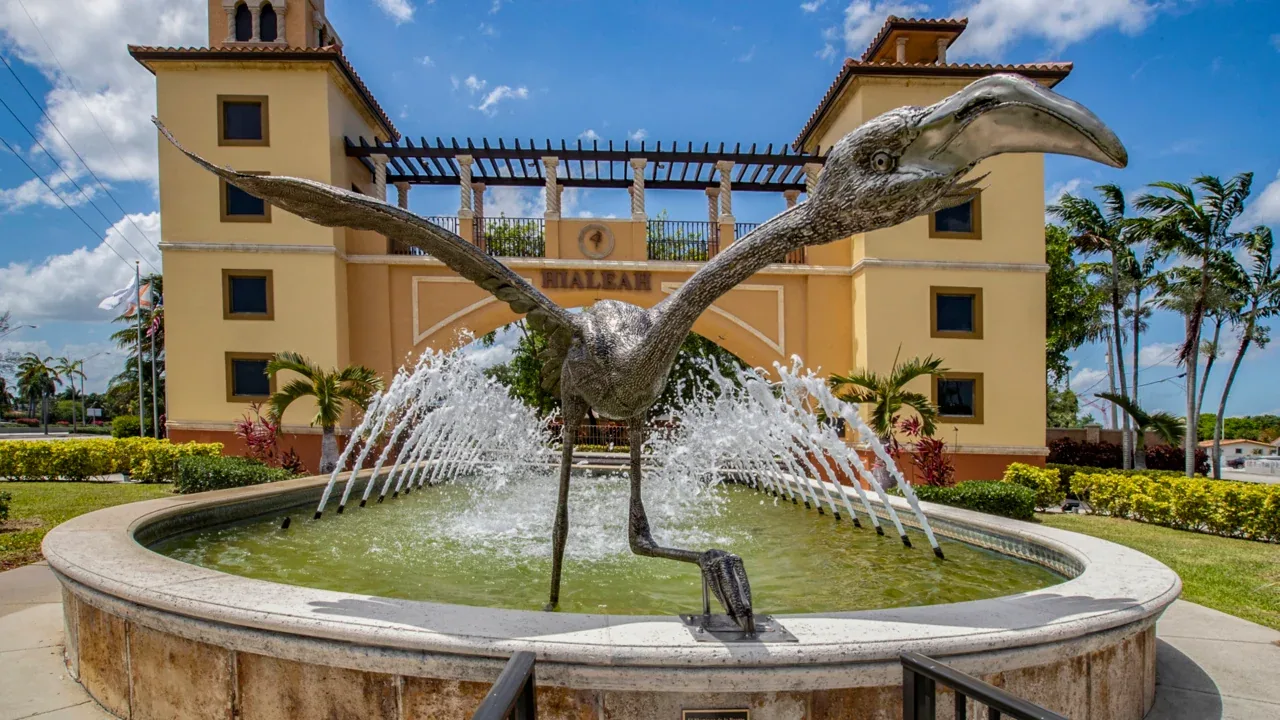
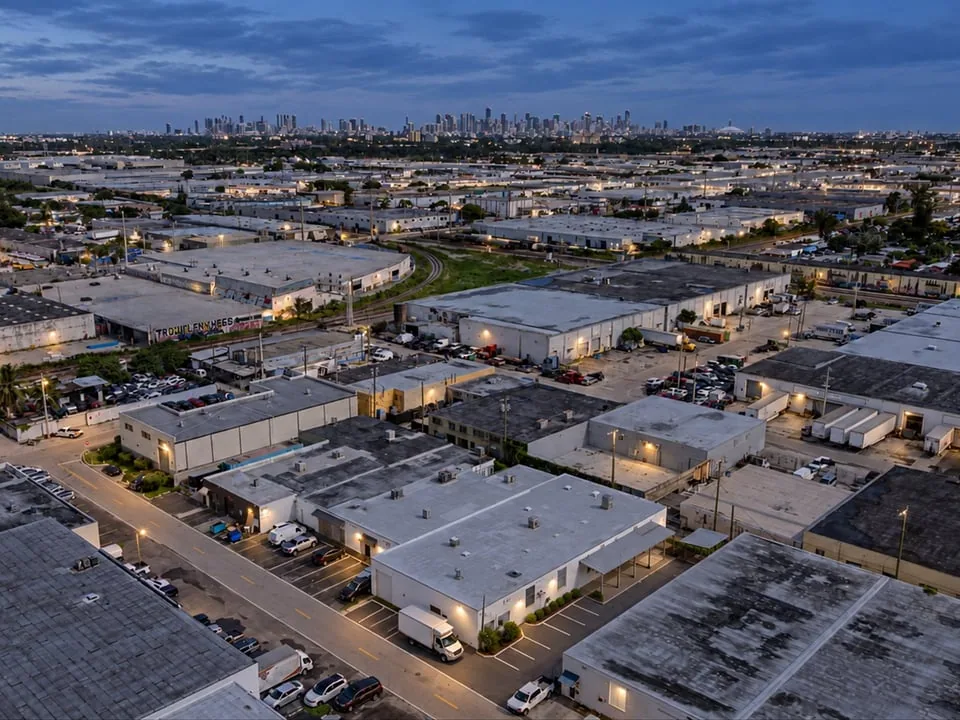
Industrial, light-manufacturing and service activity form Hialeah's primary economic base. The city's 2021 report also documents warehouse growth and distribution development in Hialeah Heights. Commercial roofing in Hialeah's industrial area begins with the address, roof plan and operating contact. We identify accessible sections, visible assemblies and water paths, then mark the repair boundary before production, loading or tenant routes are affected.
One building record does not stand in for another. We connect each photograph to a roof section, distinguish observed defects from hidden conditions and identify the next approval in writing. That lets a facility manager weigh a local repair, a moisture test or broader replacement against the same documented area, while keeping access and operating constraints visible in the schedule.
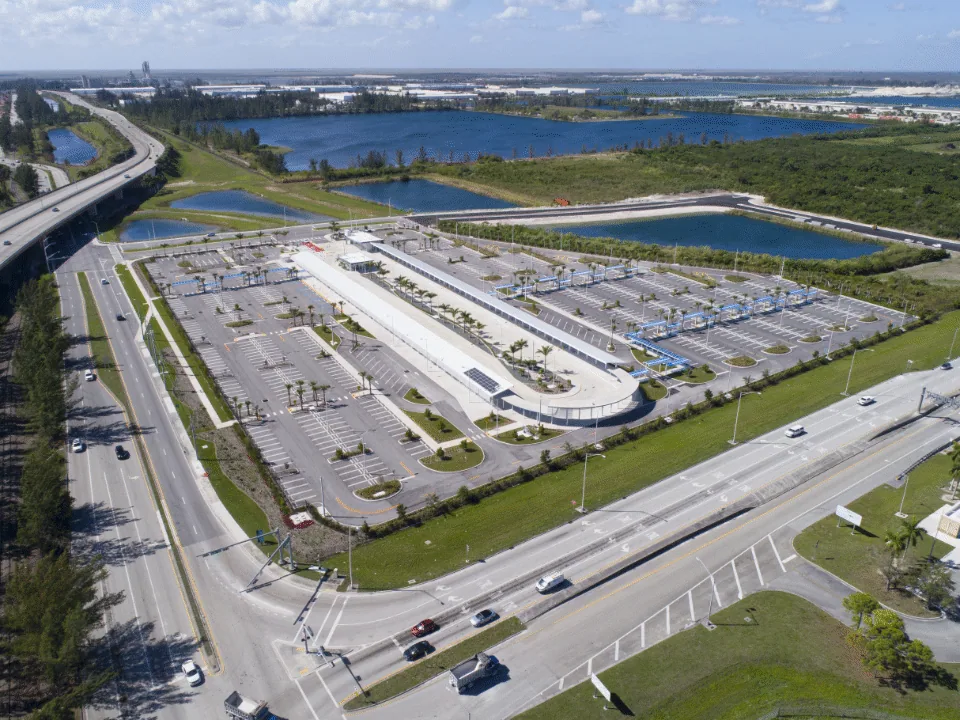
Walk the building before naming an assembly
We review available plans, previous work orders, leak locations and any system records before climbing. On the roof, we inspect seams, flashing, curbs, penetrations, drains, scuppers, edges and visible patches. Notes name the roof section and a fixed reference point so maintenance can find the same detail later. If a membrane or metal system cannot be identified from visible evidence, we leave the identification open rather than assume it from the property's use.
Hialeah's industrial and warehouse activity can involve equipment, receiving areas, vehicle movement and restricted roof entry. The site representative confirms which of those conditions apply at the address. We map ladders, lifts, escorts, staging and any shutdown, then note whether a work zone sits above an active operation. A roof inspection establishes the field baseline; a section-level report organizes findings for facilities and ownership.
The 2021 Hialeah report documents industrial and distribution development in Hialeah Heights. At each project address, we use the roof plan and field inspection to identify assembly, layers, condition and quantity. If drawings conflict with observed details, the report identifies the mismatch and the test needed to resolve it.
Follow the runoff through each roof section
Hialeah's wet-season rainfall normal is 48.19 inches, with the most active storm stretch from mid-May into early July. Before that period, we trace each roof section's runoff to the drain, scupper or discharge route. We look for debris, damaged bowls, separated connections, blocked paths and low areas that retain water. Cleaning, outlet repair and membrane work receive separate lines so a manager can see which finding each task resolves.
Industrial roofs may have curbs, vents, equipment supports and service penetrations. We inspect the flashing at those transitions, photograph open seams or movement, and record any detail that needs a shutdown or equipment coordination. A drainage correction can address a defined outlet issue, while curb and support work handles a different roof interface. The scope makes the difference clear.
If water appears inside, we compare the room location with roof details above and upslope. A wet insulation reading or test cut may extend the repair boundary beyond the visible opening. Before that quantity changes, we show the exposed layer, added area, repair detail and schedule effect for approval. That keeps the initial authorization tied to what was actually inspected.
Check edges and plan for heat exposure
Hialeah sits in Miami-Dade's High-Velocity Hurricane Zone. Permit plans can address roof pressure zones, drainage and parapets. We record edge metal, terminations, parapet transitions and attachment evidence, then coordinate project review if proposed work changes a regulated detail. Product approvals and product-specific installation limits guide the selected assembly; visible conditions alone do not establish what is concealed below it.
July and August heat index often reaches or exceeds 100 degrees. Safe roof access, lifting and installation timing must account for that exposure. Before a crew opens a section, the plan defines how much work can be made watertight by shift end. The log records weather delay, temporary cover, open penetrations and who checks the area after rain.
South Florida's greater tropical-storm and hurricane risk returns from late August through mid-October. A post-storm roof assessment documents current conditions by address and section. We photograph displaced edges, seam movement or punctures and separate urgent protection from permanent repair. Emergency response runs day and night, including weekends and holidays, when an active opening needs immediate control.
Compare options against the same boundary
A localized seam or flashing failure may support repair when nearby materials remain sound. Broader surface wear, wet layers, poor drainage or attachment problems can change the choice. We compare repair with a recover evaluation, coating or replacement only after documenting the same roof sections and relevant test results. Each option lists removal depth, new materials, edge and penetration work, drainage, disposal and the evidence that supports it.
Cost and timing reflect roof assembly, removal quantities, hidden layers, access equipment, operating hours, staging, disposal and weather. A lift or escort may affect the work window. We identify those requirements in the proposal, separate measured quantities from allowances and show any shutdown or tenant protection. When removal exposes a concealed problem, a tagged photograph and change request precede work outside the approved limit.
Owners with multiple buildings can keep a portfolio roof record that shows inspections, outstanding tests and approvals by address. A nearby service request in Hialeah Heights or at Hialeah Park can share a calendar slot when contacts agree. It still receives a separate plan, findings and authorization.
Close the area and return the operating record
At the end of each shift, we close the active section, keep required drains clear and record any temporary cover or unfinished tie-in. The facility contact receives the roof area affected, the interior protection left in place and the next scheduled action. If a production or loading route must change, we confirm that handoff with the site lead and include it in the daily record.
Closeout lists completed work, materials, tagged photographs, drainage or edge details, unresolved conditions and any testing deferred. A maintenance visit can track recurring details on a defined roof map. If an active leak requires after-hours control, a temporary response is documented apart from the permanent scope and approval.
Send the building address, roof plan, leak history, access rules and facilities contact. We will inspect the areas available, define what needs repair or testing and return a clear next decision for that property.
Questions
WHAT OWNERS ASK
Does an industrial building's use tell you what roof system it has?
No. We identify the system from available records and visible roof details, then list what remains uncertain. Building use helps set access and operating questions, but the assembly, layers and condition come from the plan review, field inspection and any approved testing.
What do you inspect around rooftop equipment?
We check curbs, support bases, penetrations, flashing, seams and nearby drainage, then note equipment access or shutdown needs with facilities. The report places each finding on the roof plan. A condition that needs another trade or an opening is separated from work the roofing crew can complete.
When should a Hialeah industrial roof be checked for drainage?
Before Hialeah's mid-May to early-July storm peak, trace each section's flow to an outlet and inspect drains, scuppers and discharge routes. The city's wet-season normal is 48.19 inches. We record any cleaning or repair by location, then confirm that runoff paths are clear at closeout.
What changes the schedule for an industrial roof repair?
Access, equipment movement, production hours, escort rules, lift staging, concealed wet material and the safe weather window all affect sequence. We confirm constraints with the facility lead, identify which area can be closed each shift and state the approval needed if removal expands.
Related Roofing Work
Tie the industrial roof scope to its address
Share the facility address, roof plan, reported condition and access contact. We will map inspected sections and return the repair boundary, options and next approval.