
Commercial Roofing in Hialeah Heights, Hialeah, FL
Service Areas
Commercial and industrial roof work in Hialeah Heights begins with the building plan, roof sections and the operating contact. We inspect accessible details, map water paths and set a repair boundary before material is removed. The district lies between I-75 and Florida Turnpike, with commercial and industrial use identified in city planning. The facility contact confirms the delivery route and roof access for each address.
Hialeah Heights has seen substantial industrial and distribution development, including construction recorded through fiscal 2020-2021. We schedule roof access around equipment, loading and site rules reported by the building contact, and document the conditions present at that property.
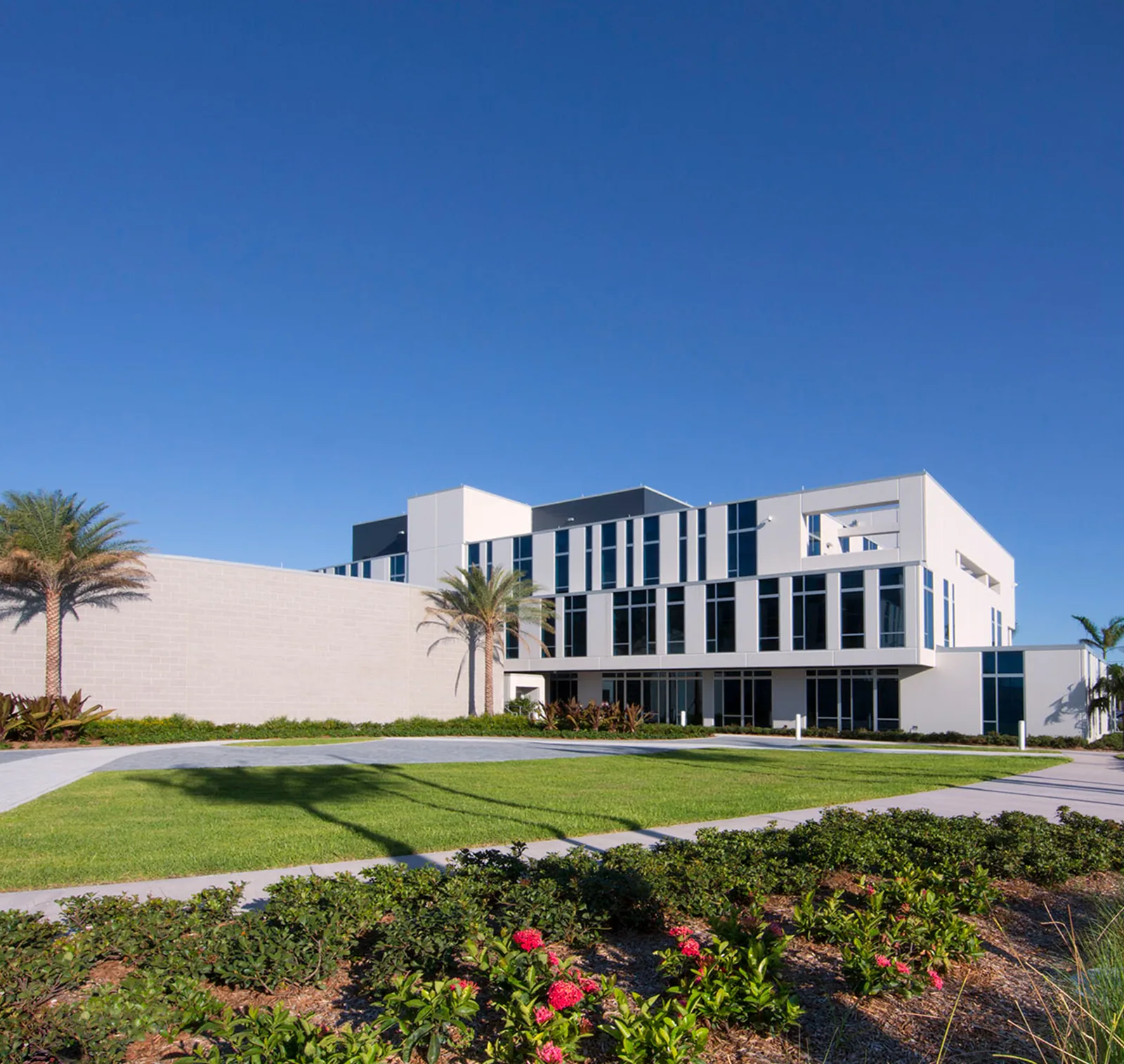
Site review: Set the roof boundary
We start with the address, building contact, roof plan, reported leak areas and any prior repair records. On the roof, we identify the system where details support that identification, then inspect seams, flashing, penetrations, drains, scuppers, edges and visible patches. A tagged photograph places each finding beside a curb, drain, parapet or grid reference. Areas that cannot be reached remain marked for follow-up. A marked roof plan also helps the site team coordinate recurring service around deliveries.
A roof plan should distinguish separate buildings, additions and sections. We record access routes, escorts, lift needs and areas below the work that must stay clear. Hialeah Heights lies between I-75 and Florida Turnpike, so the facility contact can confirm which entrance, delivery route and staging area apply at the actual site. We measure the roof area from current plans and field conditions.
A commercial roof inspection can establish the current field record. A condition report ties photos, findings and next steps to the inspected section. If moisture beneath the membrane could change the repair limit, we identify a test opening or survey before approving wider removal.
Local exposure: Plan for rain and wind
Annual wet-season rainfall in Hialeah averages 48.19 inches. Mid-May to early July is the period with the most frequent storms. We check the drainage route, edge closures and penetrations before scheduling an opening, then define how the crew will protect that section overnight. The field record identifies any temporary cover and the person responsible for checking it after rain.
Late August through mid-October carries greater tropical-storm and hurricane risk in South Florida. Hialeah is also within Miami-Dade's High-Velocity Hurricane Zone. Roofing permit plans can call for pressure-zone, drainage and parapet details. We identify those items in the proposal and coordinate design review where the scope changes them. A storm damage inspection after an event records current conditions at the property.
July and August heat index can reach or exceed 100 degrees. We follow safe access limits and material handling requirements, then record weather delays and the section left secure at shift end.
Repair options: Separate patch work from larger scope
A localized opening, failed flashing or puncture may support a targeted repair when adjacent material is sound. We show the removal limit, replacement detail and tie-in. If the roof contains wet insulation or damaged deck, a test or approved opening establishes how far the repair must extend. That added quantity is documented before it is included in the contract.
Some roofs may be candidates for a recover or coating, but the assembly must be suitable. Existing layers, moisture, drainage and attachment affect that choice. We compare the findings with a roof recover assessment or coating restoration review only after the inspection defines what is in place. Replacement is scoped when the observed condition supports that path.
Hialeah Heights is designated for commercial and industrial uses, and distribution parcels have been part of its development. The building manager confirms loading and equipment-access limits; the proposal lists the work sequence and areas that must remain open.
Project control: Keep approvals tied to the building
The written scope lists the roof area, materials, flashing, drainage work, access assumptions, interior protection and closeout evidence. It separates measured quantities from allowances for concealed conditions. If removal exposes another layer, work pauses at the approved boundary while the owner reviews a tagged photograph and change request.
For projects between I-75 and the Florida Turnpike, we confirm vehicle approach, delivery hours, loading zones and roof access with the site representative. A West 49th Street corridor visit can be grouped for scheduling when the owner has nearby properties, but each building retains its own inspection and approval record. A multi-site program can organize the schedule without merging conditions.
Some owners also maintain roof records for addresses in Palm Springs Mile. If the same manager requests service in both areas, we keep the inspection route, access contact, roof sections and approvals distinct. Visits may be grouped only after the building contacts confirm their schedules. A Palm Springs Mile service visit gets its own field record and repair boundary.
If a leak becomes active after hours, our response line is available at night, on weekends and on holidays. A temporary response can protect the opening while permanent repairs move through approval. We record where the cover was placed and what remains for the next visit.

Closeout: Return the roof record
Closeout shows completed sections, materials installed, drainage or edge details corrected, photographs and any deferred condition. The facility contact can compare the repaired area with the roof plan and assign future maintenance. If an area was unavailable or concealed, the record states what remains to be checked.
Send the Hialeah Heights address, building contact, roof plan, reported condition and access requirements. We will inspect the accessible sections, define the work boundary and return a scope tied to tagged findings.
Questions
WHAT OWNERS ASK
What should I provide before a Hialeah Heights roof inspection?
Send the building address, roof plan if available, leak locations, prior repair records and the person who can arrange access. Include delivery, escort, lift or shutdown rules. We use those details to plan the route and record any roof section that cannot be reached during the visit.
Can you repair a leak without replacing the full roof?
A targeted repair may fit when inspection finds a limited opening and sound adjacent material. We photograph the defect and define removal and tie-in limits. If a test exposes wet insulation or damaged deck, the scope is revised for approval before the work expands.
How does the Hialeah Heights location affect roof scheduling?
The district lies between I-75 and Florida Turnpike, and the actual property controls vehicle access, staging and loading hours. We confirm the route with the facility contact and plan roof work around the site's operating requirements. The proposal identifies any lift or delivery coordination needed.
What roof details should be checked before hurricane season?
Inspect drains, scuppers, edge attachment, flashing and penetrations, then document any temporary protection or open repair. Hialeah's wet season and tropical-risk window shape the schedule. We tie recommendations to the condition found at the Hialeah Heights building.
Related Roofing Work
Set the Hialeah Heights inspection boundary
Share the address, roof plan, reported condition and site contact. We will document accessible roof sections and return a repair scope for review.