
Commercial Roofing in Medley, FL
Service Areas
For a Medley facility, a roof decision affects site access and operational continuity. The town is primarily industrial, with more than 350 warehouses and building-material, cold-storage, studio and distribution operations. We start with the address, operating contact and roof plan, inspect the assembly and set the repair boundary before ordering material.
Commercial Roofing Hialeah inspects, repairs, recovers and replaces commercial roofs serving Medley. We document seams, penetrations, flashing, drains, scuppers and edges, and test areas where moisture may sit below the visible defect. Medley connects to the Palmetto, Florida Turnpike, U.S. 27, NW 74th Street and FEC freight rail. Those routes matter to staging and delivery plans, which the site contact confirms. Storm readiness around Medley should account for Hialeah’s 48.19-inch wet-season average, with the sharpest rain period generally occurring from mid-May into early July. A commercial roof inspection records the building-specific conditions.
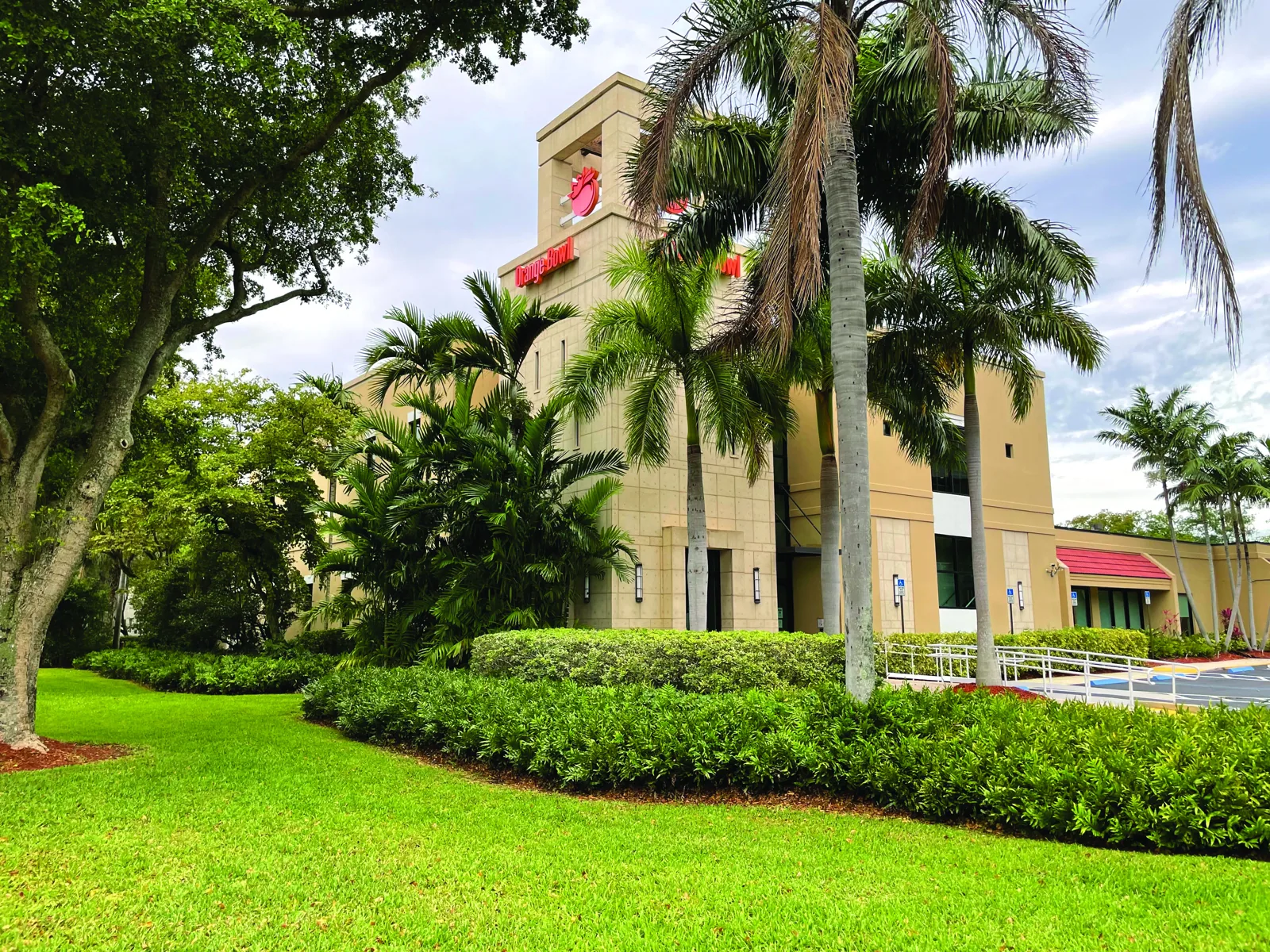
Map the roof to the operating building
We review the address, roof drawings, leak history, prior repair notes and access rules before stepping onto the roof. Diligence Notes identify the system where exposed markings and details support it. We inspect laps, welds, fasteners, flashings, equipment curbs, drains and perimeter termination, then tag photographs to the structure and section. A portfolio with several warehouses needs each roof labeled separately; a facility use or parcel grouping cannot stand in for an assembly survey.
Cold storage, building-material handling, studios and distribution can involve different equipment, temperature controls, delivery windows and roof access restrictions. The on-site representative confirms what is active at this location. We check penetrations and roof supports for later modifications, and record which areas cannot be reached during the initial walk. A warehouse roof assessment can track the section-level observations; a distribution roof survey can include loading and material movement when that operation applies. The inspection stays tied to what the building actually does.
Keep roof water moving toward the outlet
On a low-slope roof, a drain that cannot clear can leave water against seams and flashings after a storm. We follow the roof slope, inspect drain bowls and scuppers, check connections and note ponding marks or debris. Hialeah's peak storm activity falls between mid-May and early July; its wet-season rainfall normal is 48.19 inches. At a Medley property, we compare outlet condition and observed flow with the roof plan and catchment before choosing the repair.
Roof drawings should show drain or scupper locations, pressure zones and parapets. Compare the installed details with available plans, especially where prior additions or mechanical work changed water paths. If readings indicate wet insulation, a surface patch may not close the full repair boundary. We mark tested areas and identify where a test opening is needed. A drain and scupper review can separate an outlet correction from membrane work; a moisture survey can help locate sections requiring confirmation before a recover is priced.
Plan work around freight and deliveries
Staging needs to work with the building's gate, receiving hours, trailer paths, roof access and lift position. We confirm the route from the public road through the approved entrance and identify where material can be set without interfering with ongoing operations. NW 74th Street connects Medley with Hialeah, and FEC freight rail serves businesses along its tracks. The site contact confirms truck timing and rail-side restrictions before mobilization.
We keep the open roof area small enough to close securely each shift. Removed material, wet board and deck issues are photographed and measured, then reviewed with the person authorized to approve added scope. Emergency response is available day or night, every day of the week, for active leaks that need immediate stabilization. A longer recover or tear-off can use occupied-building work sequencing to mark deliveries, work zones, internal protection and daily dry-in. That gives the facility a clear route for both trucks and roofing materials during each phase.
Separate the leak repair from capital replacement
Price depends on roof area, system, repair length, attachment, number of details, wet insulation, deck replacement, drainage changes, staging and disposal. A local seam or flashing repair costs differently from removal across multiple sections. The proposal should state what membrane, insulation, edge work and protection are included and which existing layers remain. If testing reveals concealed damage, we measure it, photograph it and return the next approval before expanding the work.
Repair can preserve sound surrounding material when the defect is limited. We price a recover only after confirming the current roof is dry, firmly attached and compatible, with enough clearance left at drainage points and equipment bases. Tear-off may be required when the roof cannot support another layer or moisture is widespread. Medley's freight, building-material and cold-storage operations make continuity and access important. We base roof age, condition and replacement recommendations on the inspection at each property. The estimate separates repair from exploratory work and names any approval needed before a test opening, so the owner can see the current scope and pending decision together.
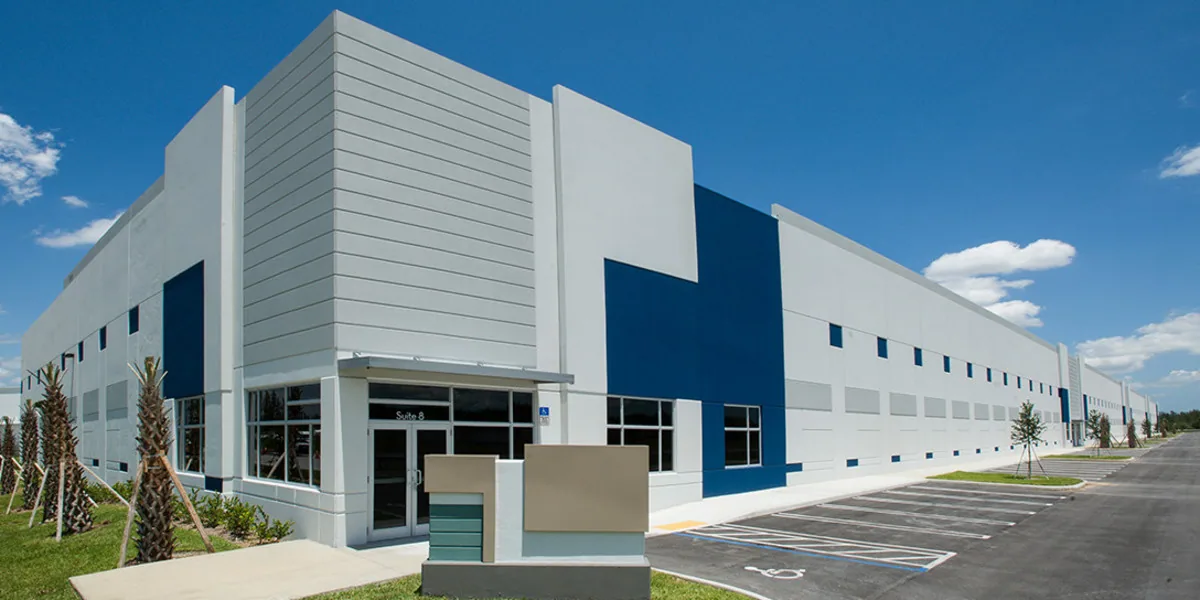
Keep each Medley roof in its own record
The closeout record lists the property and repaired roof area, confirmed assembly, moisture readings, drainage observations and any work left outside the scope. Keep photos tied to a marked plan and retain any approval for concealed-condition changes. Record the access route and operating limit that affected work. When an owner manages several Medley properties, a consistent file label keeps a leak history from one address out of another building's capital plan.
Before Hialeah's mid-May to early-July stormiest stretch, review drains, scuppers, seams, flashings and temporary patches according to each roof's observed condition. Update the site plan if truck lanes or roof access change. A property at Beacon Station or along the NW 107th corridor receives its own access plan and roof-condition record. A roof condition report can keep photographs and next approvals ready for the portfolio review. Send the Medley address, roof drawings, repair history and access contact to schedule an inspection.
Questions
WHAT OWNERS ASK
Does Medley's warehouse count determine how many roofs need replacement?
No. The town's industrial scale describes its business base, not roof age or condition. We inspect each address, identify its assembly and document visible failures, moisture and drainage before making a repair or replacement recommendation.
Can deliveries continue while the roof is being repaired?
We confirm receiving windows, truck routes, gate access and staging with the property contact. The work plan marks which lane or roof section is affected and how materials will move without blocking the approved route.
How does the nearby freight rail affect roof work?
FEC service is part of Medley's business context, but the rail line does not establish access rules for a particular building. We confirm the site's rail-side restrictions, loading schedule and staging area before mobilizing.
Which season should Medley owners plan around for roof repairs?
For roof drainage near Medley, use Hialeah’s wet-season benchmark of 48.19 inches and prepare for the storm peak from mid-May to early July. The repair schedule still uses Medley's site access, current forecast, drainage condition and daily dry-in plan.
Related Roofing Work
Inspect the Medley roof before the next capital decision
Send the property address, roof plan, leak history and operating contact. We will document the roof section, access, drainage and repair boundary for the next approval.