
Hotel Roofing in Hialeah, FL
Property Types We Roof
A drip over a guest room is an interior problem with an unknown roof route. Before assigning rooms or moving guests, identify the roof section above the report, inspect nearby penetrations and determine whether insulation is wet. Hotel operations run through the day and night, so a repair plan also needs a quiet window, safe access and a direct contact for changing conditions. Hialeah names West 49th Street and Westland Mall among its major commercial areas. For a lodging property, we confirm guest routes, roof access and operating windows with the building contact.
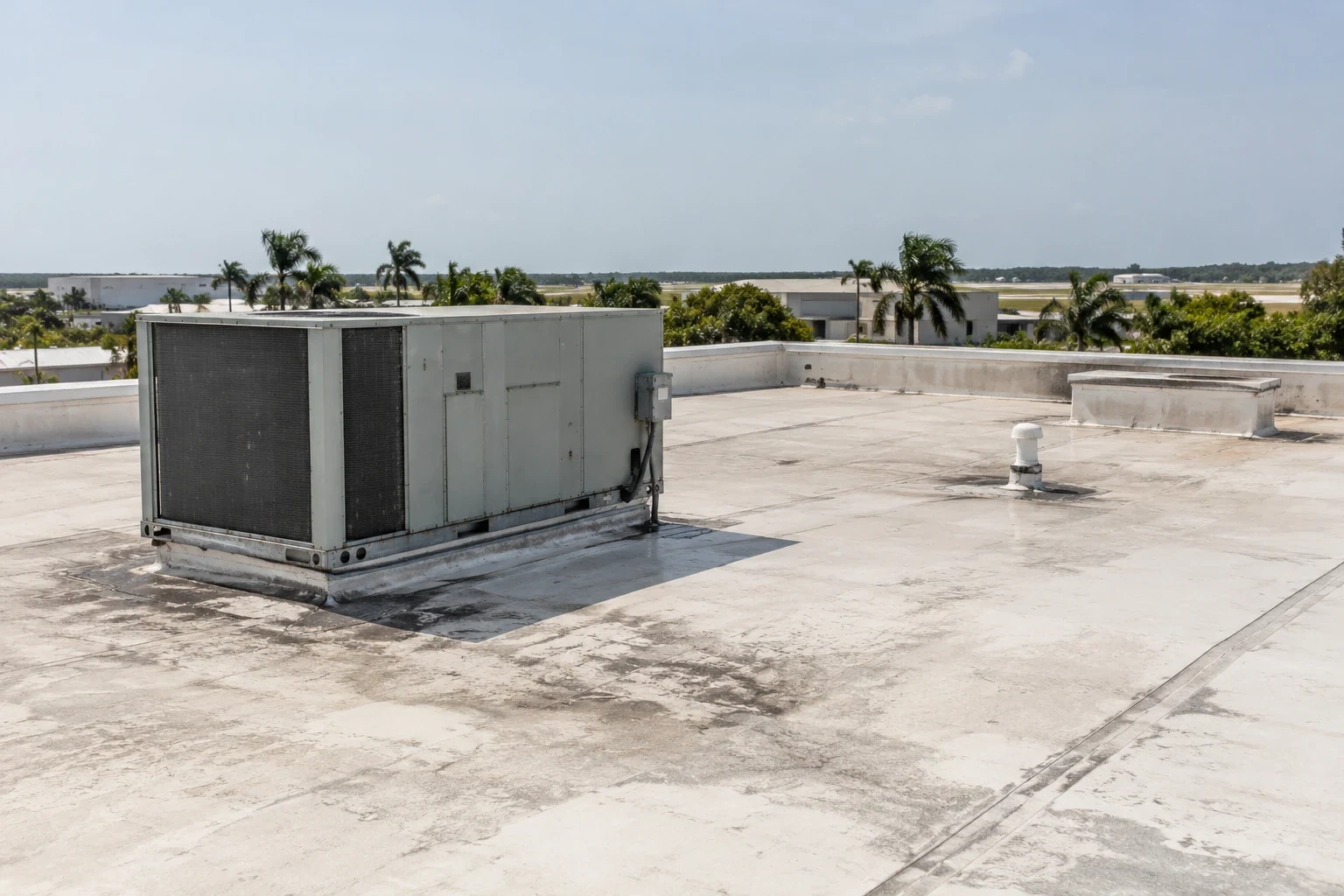
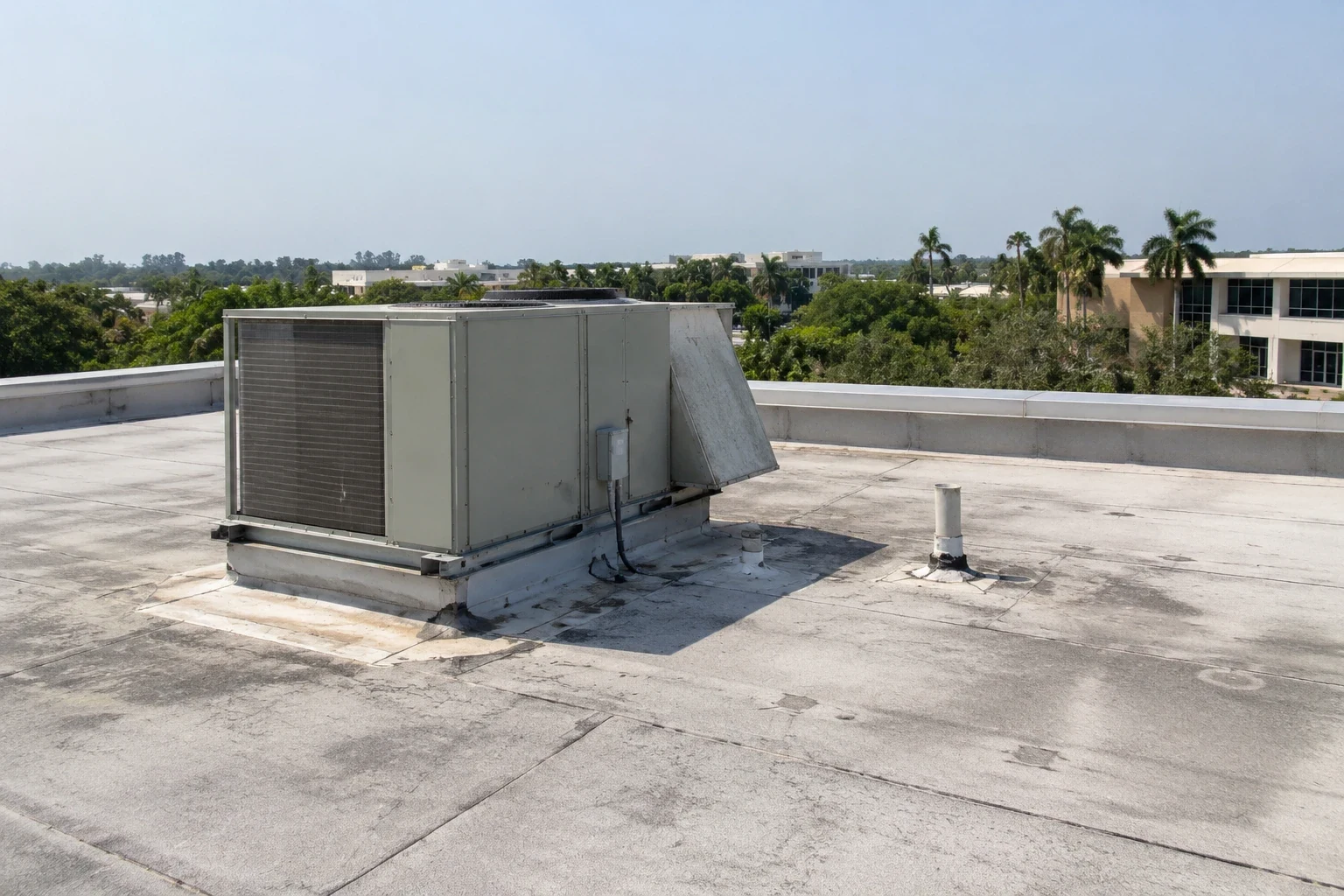
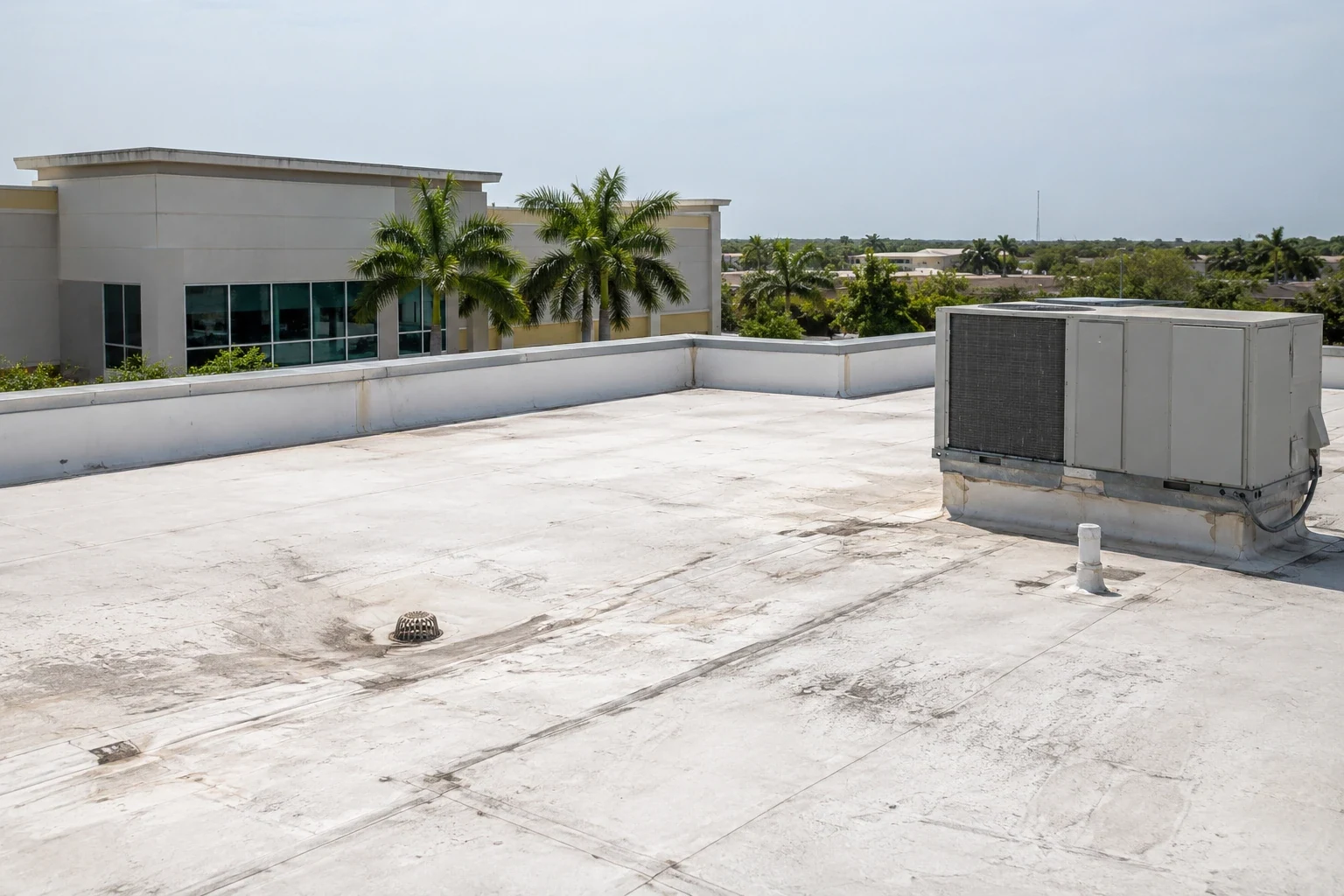
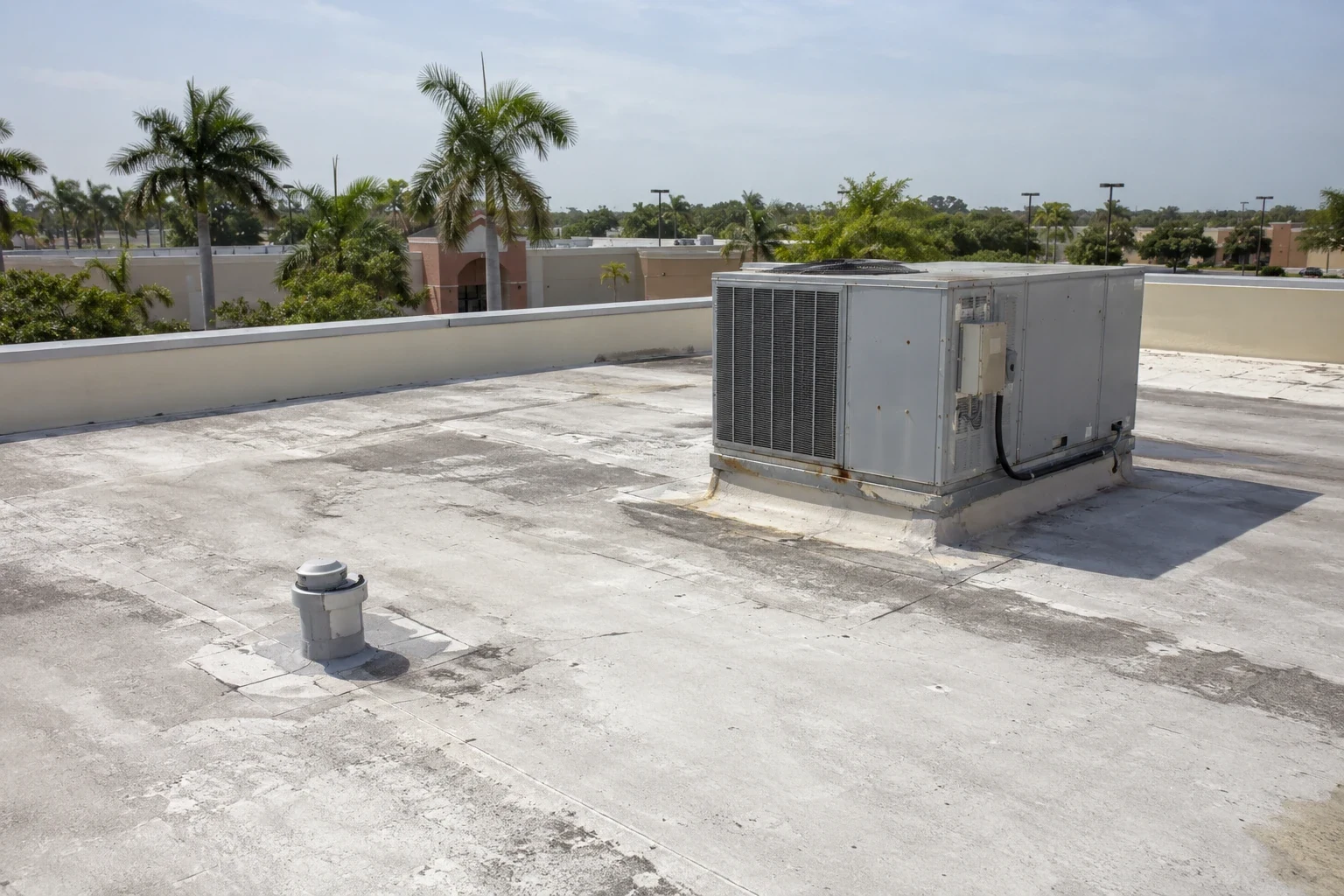
We inspect, repair, replace, recover, restore, coat and maintain commercial low-slope and metal roofs. The evaluation covers seams, drains, rooftop equipment curbs, parapets, skylights and prior repair boundaries. We use the existing roof assembly and observed condition to shape recommendations, not the property label. A leak near a ventilation unit can come from its flashing or from a distant roof detail. Our commercial roof inspection records the evidence, photos, affected room locations and next decision for ownership.
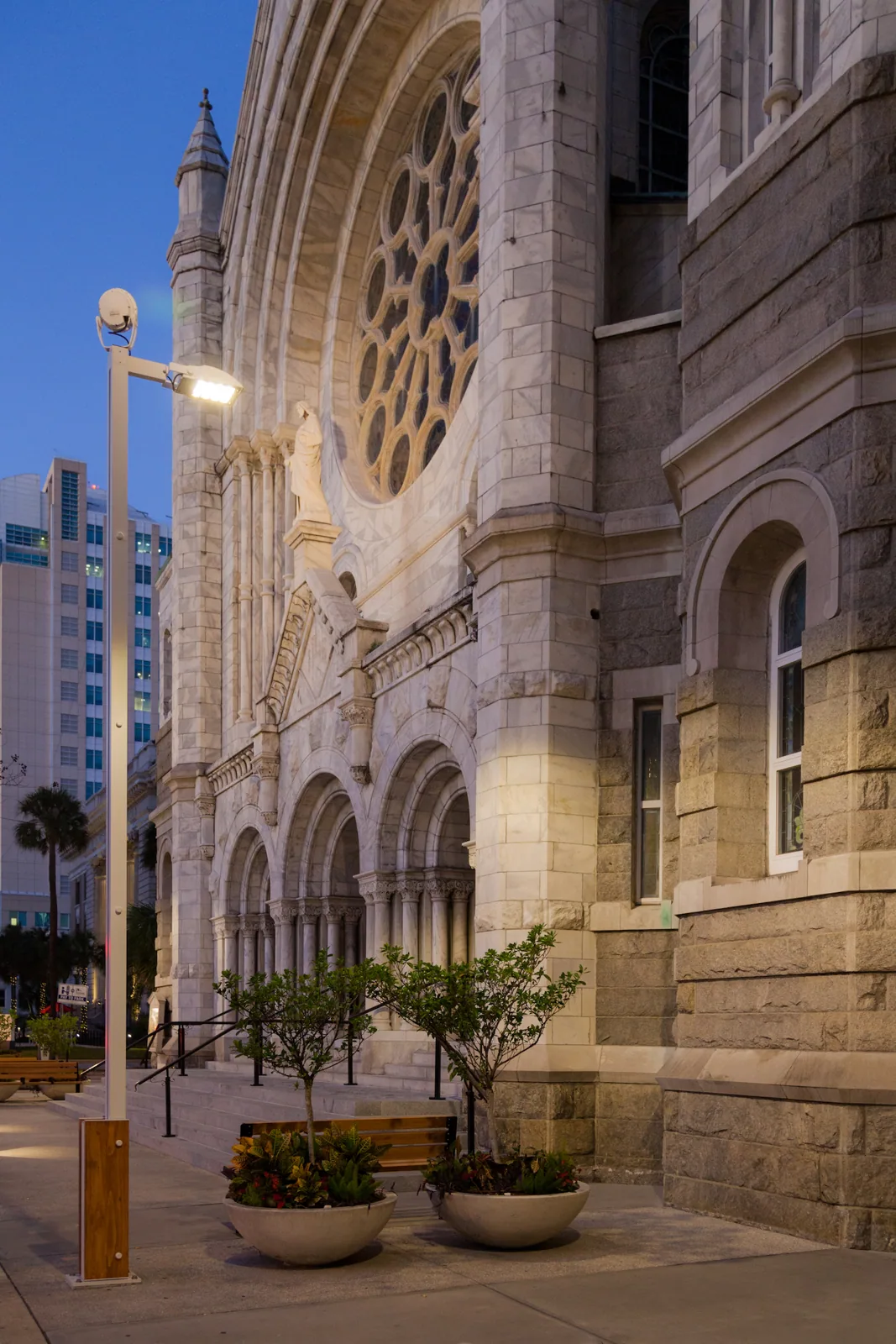
Keep guests clear of the active work zone
Hotel roofing requires a clear separation between crew routes and guest routes. We coordinate roof access, staff and service access, material delivery, noise-producing work and any ceiling protection with hotel management. Work over a meeting room may fit a different period than work above occupied rooms. The daily plan should say where the crew is working, how the roof will be secured at shift end and who can approve a room or corridor restriction if a condition changes.
When more than one roof area needs repair, phase by section and protect each completed area before moving to the next. If an unexpected wet layer is found, pause and show the location, moisture evidence and price effect before expanding the work. That keeps the guest impact tied to a specific finding. We provide emergency response at any hour, every day of the week, including holidays, for active failures that threaten rooms or building systems. For occupied property scheduling, our occupied-building reroofing coordination sets access and protection requirements with hotel operations.
Prepare for Hialeah rain, heat and tropical risk
Hialeah’s 48.19-inch wet-season rainfall normal comes largely during the summer months, when drains face repeated inflow. The stormiest period runs from mid-May into early July. That makes the roof’s drainage route a hotel operating issue: water that backs up around a drain or scupper can reach guest interiors, corridors or service space. We inspect outlets and low areas, identify debris or restriction and note whether water is moving off the roof as intended. Temporary protection has to account for sudden rain while work is in progress.
July and August heat index values often reach or exceed 100°F, so safe production hours may be shorter. Greater tropical-storm and hurricane risk arrives from late August into mid-October. The project schedule needs daily dry-in steps and a clear weather hold decision. A hotel operator should know which roof sections are complete, which remain open and whether the next phase depends on a dry forecast. Our drain and scupper service can address outlet condition as part of a broader inspection, and a hurricane damage assessment can document storm-related conditions after an event.
Price guest impact with the roof work
Hotel roof costs reflect the affected area, access limits, guest and staff circulation, room protection, equipment curbs, moisture extent, drainage corrections and the time available for noisy work. A localized flashing repair may fit a short window; a replacement above active floors needs phased removal and dependable temporary cover. We identify any interior protection, room coordination or equipment shutdown required. The owner can then compare a focused repair with a larger project using both roof condition and operating impact.
Permit plans for Miami-Dade identify the drainage system, wind-pressure areas and parapet edges for replacement work. Miami-Dade sits inside the High Velocity Hurricane Zone; each selected roof assembly has its own approval and installation conditions. We confirm the existing roof and project conditions before recommending material or detail changes. Hialeah's commercial corridors include West 49th Street, Palm Springs Mile and Westland Mall; the hotel survey records its assembly and condition before we define scope. For long-term budget decisions, an asset capital plan can separate urgent water control from replacement timing. A multifamily roof program can address another occupied residential building type, with its own access and resident-notice needs. A big retail property presents different customer flow and stock exposure, as the big-box roofing scope shows.
Give operations a clear handoff
Closeout should show the roof section repaired, detail or material addressed, before-and-after photographs, remaining findings and any temporary measure still in place. Tie interior reports to the work order without recording unnecessary guest details. If a room remained out of service, management needs a roof-based status and the next check date. The property file should let the next engineer or facility lead understand what changed and where water may still enter. Record any area that remains under observation, who will inspect it again and what weather event should trigger a return visit. This gives hotel operations a concrete follow-up instead of an open-ended concern.
A maintenance plan can check drains, seams, equipment flashings and prior repair areas ahead of the wettest months. We can schedule an ongoing roof maintenance inspection that links condition to budget status. Hotels near West 49th Street have a different commercial setting from a property by the Westland Mall district, but both need their own access and operations plan. Share the address, roof history, reported room or area and facilities contact. We will return the evidence, repair boundary and next approval in a record management can use.
Questions
WHAT OWNERS ASK
Can repairs be done without closing guest rooms?
The work can often proceed with a defined room or corridor boundary, scheduled noise and agreed roof access. The answer depends on where the defect sits, whether interior protection is needed and what concealed conditions appear. We coordinate any restriction with hotel management.
How do you determine if a ceiling leak comes from the roof?
We inspect the roof section above and around the report, check equipment curbs, seams, drains and transitions, and trace the likely water route. Moisture testing helps show whether materials are affected. If the evidence points to another building system, that uncertainty is stated in the report.
What does the hotel need before approving roof work?
A useful package identifies the condition, roof section, photographs, proposed work boundary, guest or staff impacts, schedule assumptions and remaining risk. If equipment access or interior protection is needed, name the coordinating contact and responsibility before work starts.
When does Hialeah weather create the most scheduling pressure?
The stormiest wet-season period is mid-May through early July. Heat can narrow work hours in July and August, with greater tropical risk from late August into mid-October. The schedule should keep a daily dry-in plan and a clear hold point.
Related Roofing Work
Coordinate guest protection with roof repairs
Send the hotel address, roof history, affected room or area and facilities contact. We will document the roof condition and return a work sequence that identifies guest impacts and required approvals.