

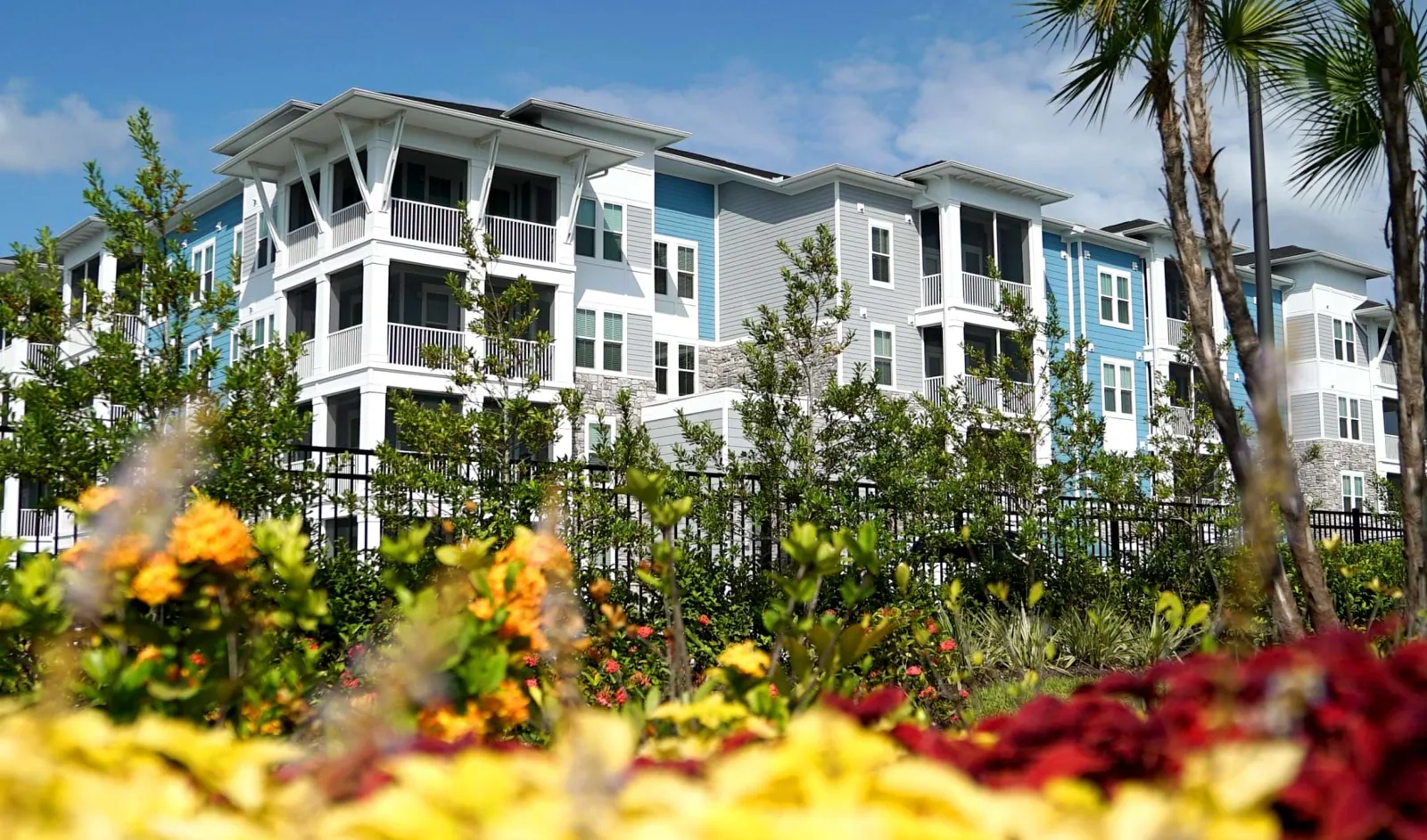
Apartment and Multifamily Roofing in Hialeah, FL
Property Types We Roof
One roof defect in an apartment building can produce reports from several units, each describing water in a different room. The property manager needs a location map before approving a broad repair: which unit, floor, ceiling area and roof section align, and whether the symptoms share a path. West 49th Street and Palm Springs Mile are major Hialeah commercial areas. For apartment roofing, we confirm the building condition and resident access plan with property management. We trace the leak, inspect the surrounding roof details and return a repair boundary tied to evidence.
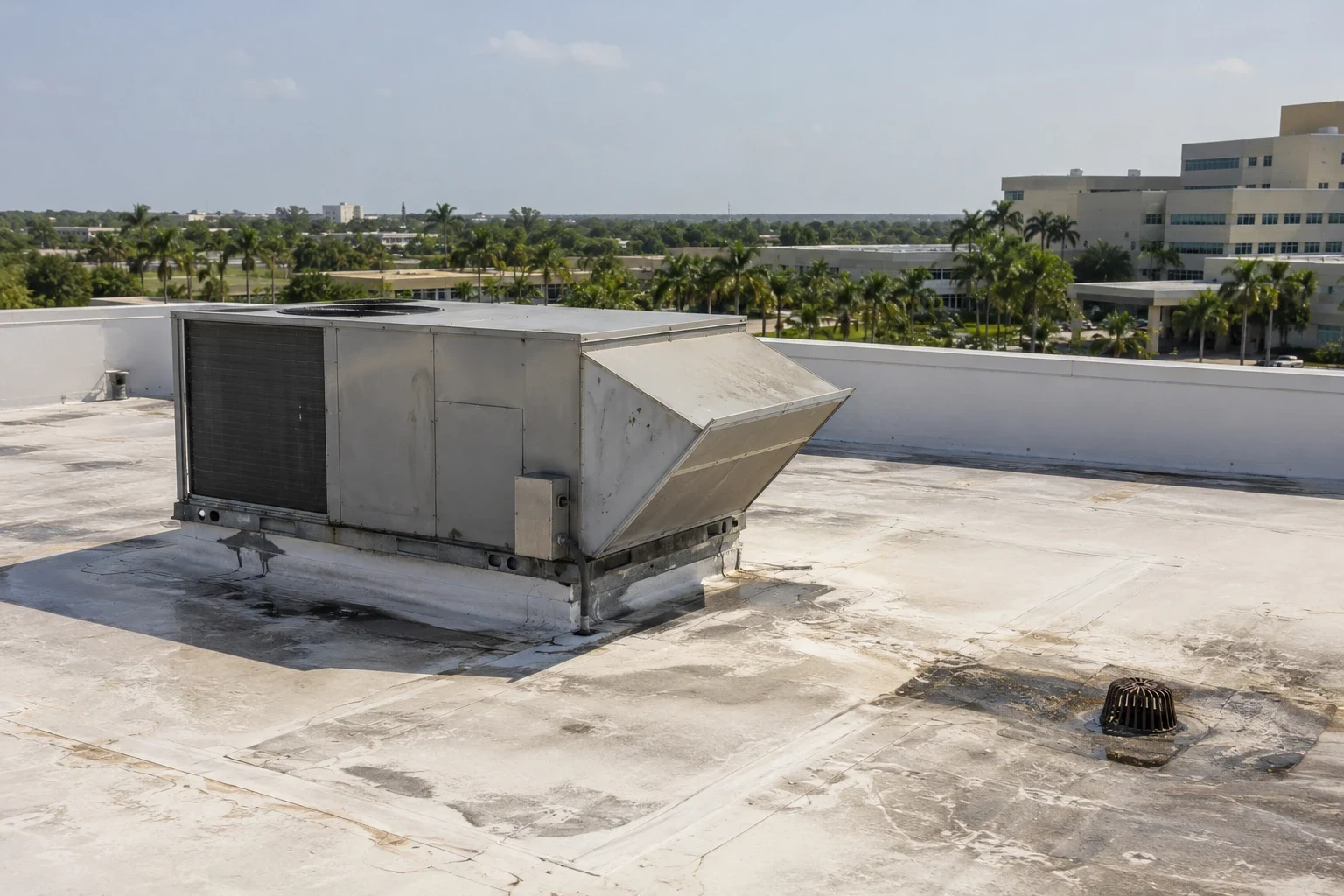
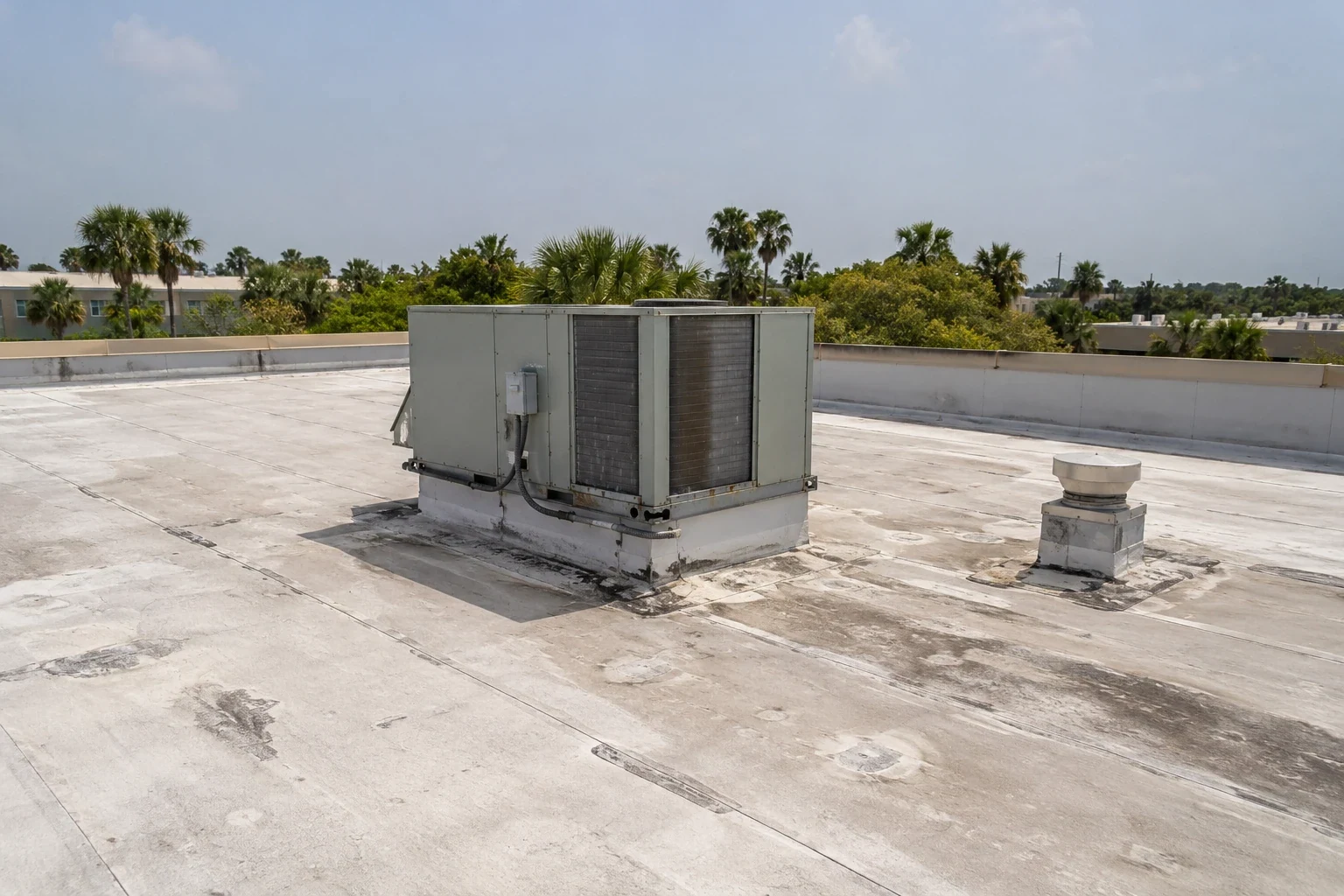
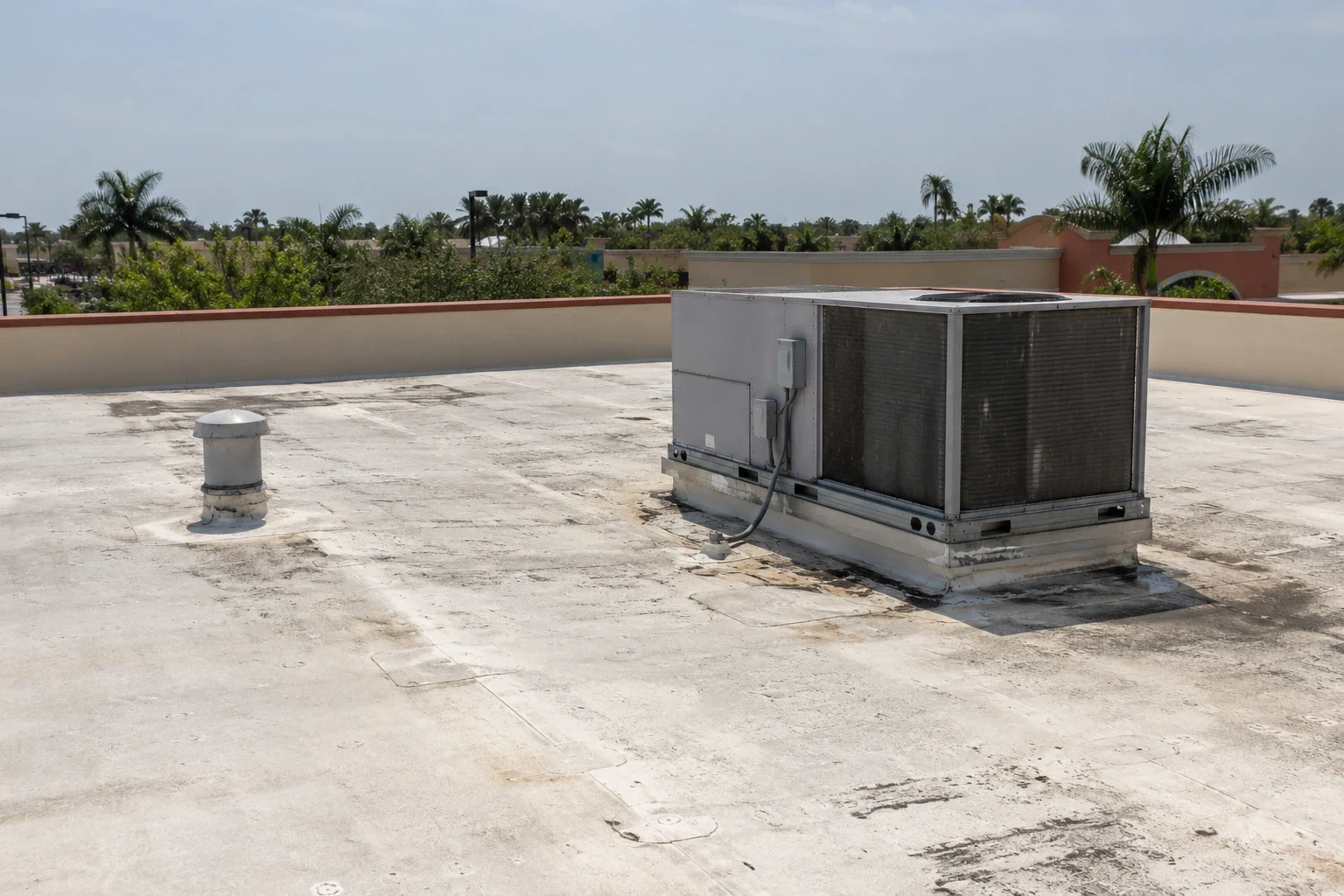
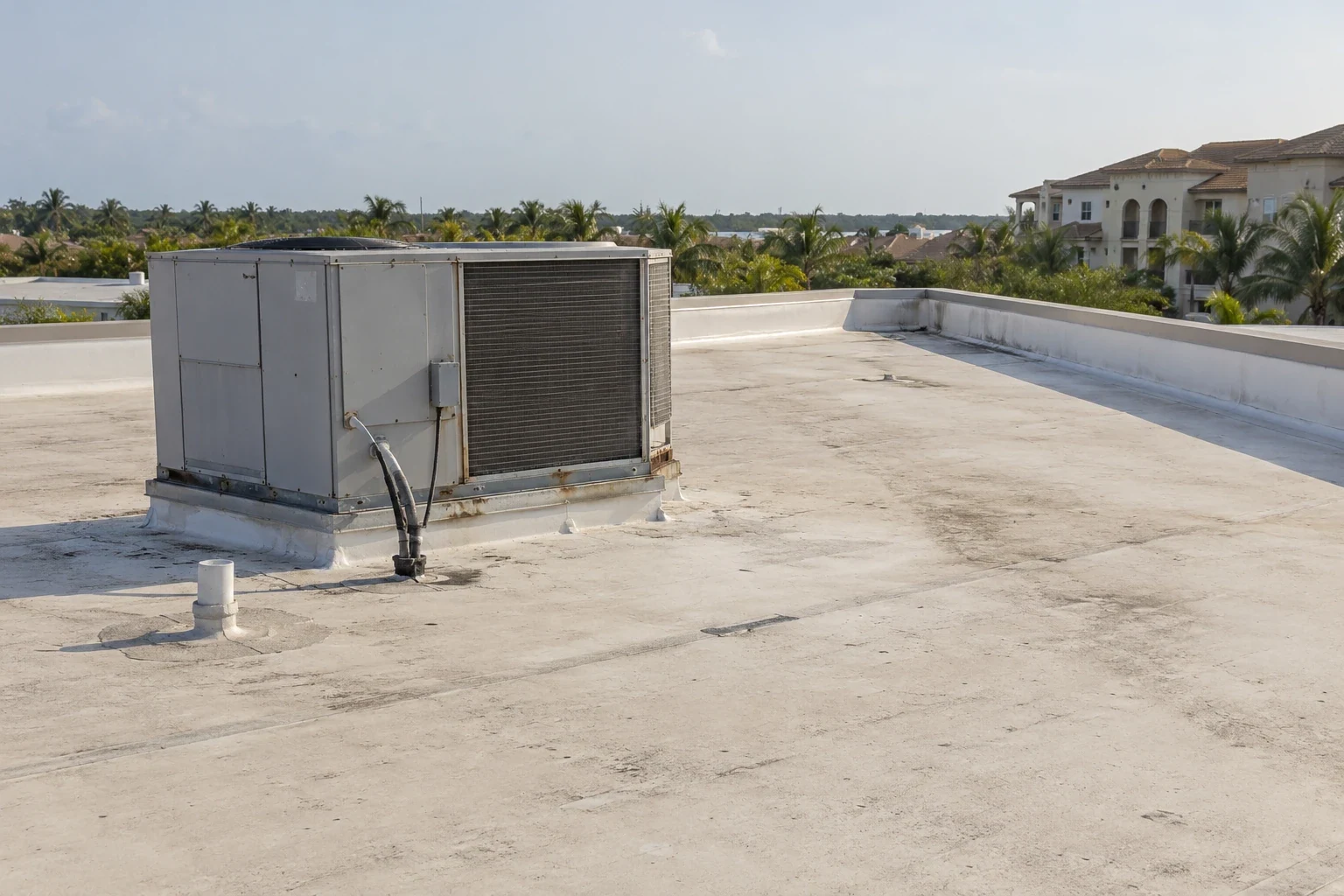
Our crews handle low-slope and metal apartment roofs through repair, replacement, recovery, restoration, coatings, inspections and scheduled upkeep. The work can include membrane seams, parapets, drains, rooftop equipment, skylights and prior patches. We identify the existing assembly and moisture extent before recommending repair or replacement. Interior reports help locate the effect, but water can move before it reaches a ceiling. A commercial leak investigation pairs roof findings with unit reports and records what is confirmed and what still needs testing.
Build a unit log that points to the roof
For each report, record the unit, floor, room, date, weather conditions and whether the stain grew or returned. Then compare those points with roof penetrations, seams, drains and transitions above. A repeating leak in a vertical stack may be related, but the inspection must establish the path. We check adjacent sections, assess wet insulation and mark the roof area that requires work. If the source remains uncertain, the report states what targeted opening or moisture test would settle it instead of assigning a guess to every unit.
Hialeah’s wet-season rainfall normal totals 48.19 inches; the summer storm pattern usually intensifies from mid-May into early July. A blocked drain can affect units below a broad roof area, so maintenance should record outlet condition and water flow, not only patches. Photos and marked plans help property staff answer resident follow-up without confusing repairs between buildings. A roof condition report can organize the findings by building and section, with immediate work and longer-term exposure separated for ownership review.
Set resident communication before roof access
Work above occupied apartments needs a practical notice plan. We coordinate roof entry, material delivery, noise periods, interior protection and any temporary access limit with property management. The building contact decides how resident notices are issued; our scope identifies the affected roof area and any units that may need a brief inspection or interior protection. For common areas, make the boundaries visible and keep exits usable. Daily updates should state which section is complete and whether new findings changed the schedule.
Rooftop work windows can contract during July and August, when local heat-index readings frequently meet or exceed 100°F. Tropical risk rises from late August through mid-October. A reroof plan should sequence each section, protect exposed materials before crews leave and set a clear hold point when the forecast changes. Around-the-clock emergency service is available every day, holidays included, when active water threatens apartments or common space. For occupied work, our occupied-building roofing coordination can set access and staging requirements with the property manager.
Choose the work by building condition
Cost depends on the affected area, access, height, perimeter details, penetrations, insulation moisture, drain correction and whether residents or common areas require additional protection. A repair can be enough when a breach is contained and surrounding materials remain serviceable. Widespread moisture, repeated openings or assembly failure may call for larger replacement work. We separate emergency stabilization from permanent repairs and capital options, and state any condition that could change the scope once a roof section is opened.
Miami-Dade permit plans identify roof drains or scuppers, parapets and pressure zones. The county is part of Florida’s High Velocity Hurricane Zone, and roofing products and assemblies have approval and installation limits that must be followed. We verify the existing roof before specifying a recover, replacement or coating. A coating will not fix saturated insulation or a failed detail beneath it. Hialeah's building mix includes industrial property and occupied housing; we inspect each roof and record its assembly, condition and resident access requirements. Property owners comparing other occupied building types may review hotel roof planning and senior living roof needs, both with their own resident and access requirements.
Track repairs across buildings and seasons
After work, retain the marked roof area, date, photographs, materials or details repaired, drainage notes and open items with the property record. Temporary patches need a location and a planned follow-up date. Tie each resident report to the roof work without storing more personal detail than the maintenance team needs. If another leak appears, staff can compare its location with earlier repairs and determine whether it falls within a completed area or calls for a new inspection. Add the date the repair was checked after rain and the name of the person who confirmed interior conditions. This small closeout step prevents a temporary patch from being mistaken for a lasting correction in the next budget review. Keep the check tied to the roof section, not only the apartment number.
Before wet-season storms, a preventive maintenance visit can review drains, seams, parapets, penetrations and earlier repairs. A portfolio owner with several addresses can use multi-site roof tracking to keep each building’s condition, approval and next action distinct. An apartment near Palm Springs Mile receives a roof inspection tied to its own address and resident access plan. Share the property address, unit reports, roof history and approval contact. We will return a repair limit, resident coordination needs and the next decision in writing.
Questions
WHAT OWNERS ASK
How do you handle leak reports from several apartments?
We map each unit and room report, compare it with the roof above and inspect the likely water path. Similar timing may point to a shared cause, but each report remains separate until inspection confirms the relationship. The record then identifies the roof boundary and affected units.
Do residents need to leave during roof work?
Most exterior roofing work does not require residents to leave, though a specific unit may need inspection or interior protection. We identify the access or safety condition and coordinate any notice through management. The work plan should distinguish roof access from unit access.
When does a recurring apartment leak need a larger scope?
Repeated water entry at the same detail, moisture extending into insulation, or related failures across several sections can justify investigation beyond a patch. We document the extent and price any additional work separately, so ownership can approve it based on the exposed condition.
How does Hialeah weather affect apartment roof maintenance?
Drainage deserves attention before the stormiest mid-May to early-July period. The work calendar also has to account for oppressive midsummer heat and the higher tropical threat that extends from late August into mid-October. Maintenance records should include outlet condition and temporary protection.
Related Roofing Work
Connect resident reports to roof evidence
Send the apartment address, unit and room leak reports, prior repairs and management contact. We will inspect the roof, define the affected section and return an actionable scope for approval.