

Commercial Roof Asset Management in Hialeah, FL
Roofing Capabilities
A portfolio needs one reliable record per roof, not one condition copied across every address. In Hialeah, FL, we map each building, roof section, finding, repair and open approval to its own asset record. The manager can see what was inspected, what changed and what needs a decision. Access limits and untested areas stay visible beside the recommendation, so a rollup does not hide field conditions.
Hialeah's commercial and industrial areas include Palm Springs Mile retail and distribution activity near the Miami International Airport property district. Their access, loading and operating constraints differ. We verify each property's contact and roof plan before setting inspection routes. A Palm Springs Mile assessment or a review near Miami International Airport commercial properties uses the same record fields, while each site retains its own findings.


Inventory: Give each roof a stable identifier
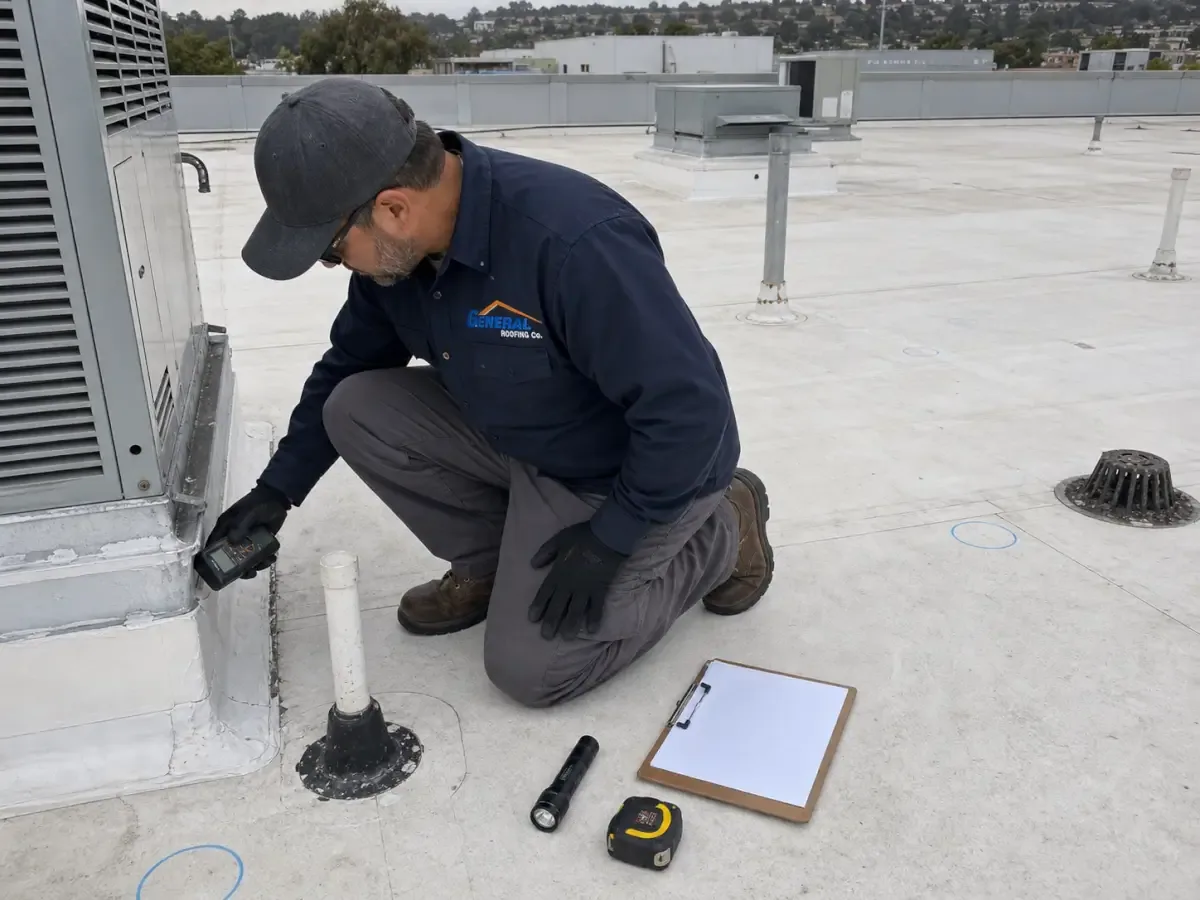
We start with property name, street address, asset ID, building or wing, roof area and facility contact. Available plans, prior repairs, warranty documents and leak history are attached to that record. Roof system is listed only where the documentation or inspection supports it. When an area cannot be identified, the record shows the unresolved item instead of filling the gap with a guess.
Each roof section receives a location reference that a field team can find again. We note access points, ladders, gates, escorts, equipment shutdowns and interior restrictions. The manager can connect a later report to the same area without confusing a service address with a building label. A property management team can use this structure to coordinate tenants and approvals; the inspection visit updates conditions at the individual property.
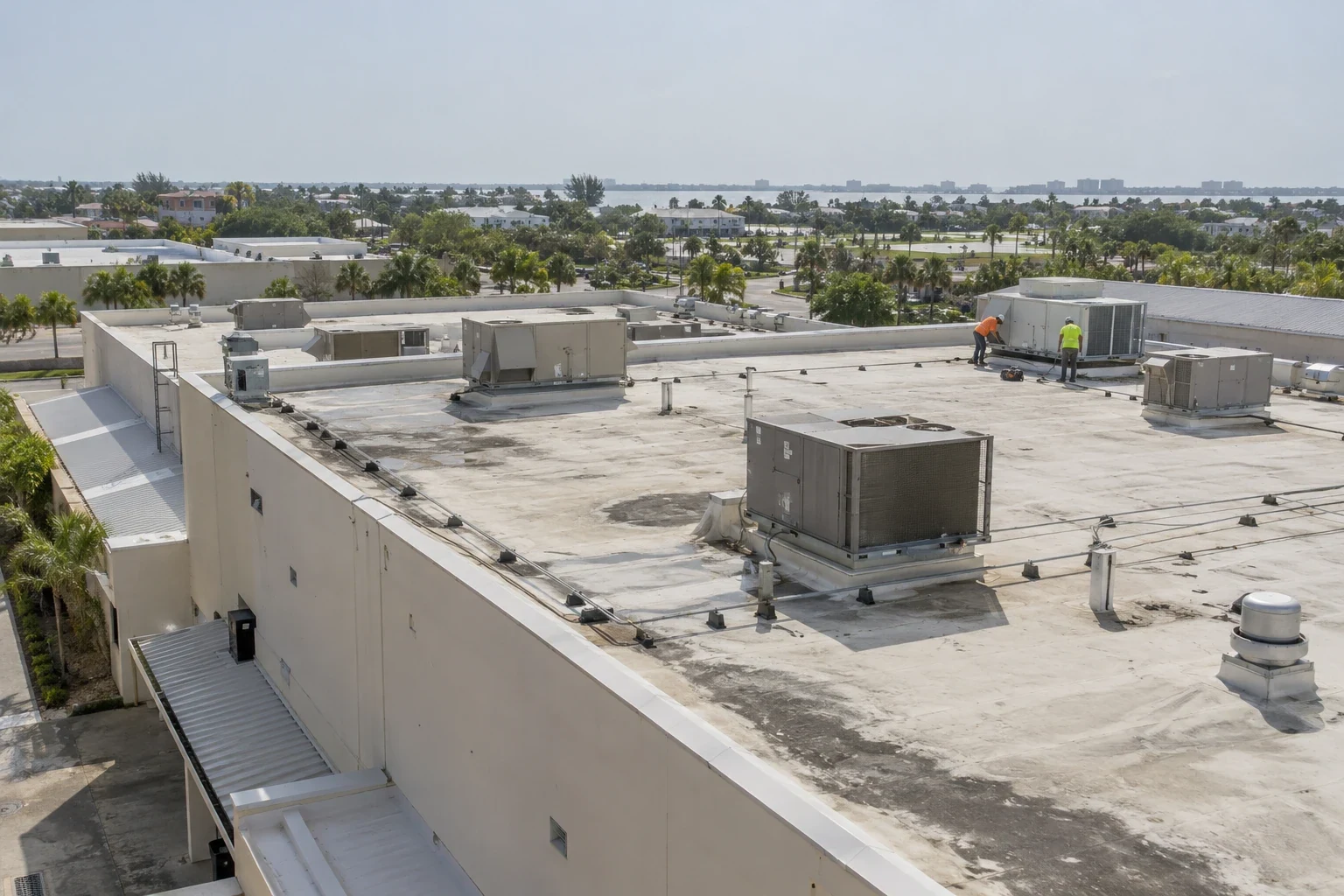
For larger assets, we distinguish the roof field from additions, canopies and low areas. One address may include different assemblies or repair histories. The record preserves those differences so a portfolio comparison remains useful without assuming that neighboring sections match.
Condition history: Keep findings and repairs connected
Every observation receives a date, roof section, photograph and status. Status can be active, repaired, deferred, under test or awaiting owner approval. A completed repair points back to the original condition and includes the work performed. If a return inspection finds the same detail again, the manager can see what changed between visits and whether the repair boundary expanded.
Hialeah's wet-season rainfall normal totals 48.19 inches, with the stormiest period running from mid-May into early July. We flag drain capacity, scuppers, open transitions and temporary work before that period where inspection supports it. Tropical risk rises from late August through mid-October. We flag open flashing, temporary covers and overdue access checks for review before that period, then record the roof condition found at each building.
A written condition report can add photographs and recommendations to the asset history. A maintenance program can carry the inspection schedule forward and confirm which items were corrected at each later visit.
Priority model: Separate urgency from budget timing
Portfolio priority should reflect the observed defect, water exposure, affected operations, repair path and time sensitivity. We separate active openings from maintenance items and longer-range replacement indicators. The record identifies evidence behind each rating and any condition that still needs testing. A severity label without a photograph or location does not help the manager assign work.
Hialeah has a concentration of industrial and distribution properties as well as medical institutions such as Hialeah Hospital and Palmetto General Hospital. Those uses can make access planning important, but a site's actual hours, room use and roof condition must be confirmed with facilities. We include operating impact when the manager provides that information. It appears beside the roof finding rather than becoming a citywide assumption.
The capital planning record can group near-term repairs, testing and replacement candidates by fiscal period. A response visit can stabilize an active opening at any hour, including nights, weekends and holidays; permanent work remains subject to its own scope and approval.
Portfolio view: Compare buildings without flattening them
A useful rollup shows property, roof area, last visit, active findings, approved work, deferred items and next action. It also shows missing records or inspection access that limits comparison. The manager can sort by urgency or budget period while keeping photos and section notes available at the address level. Similar categories do not imply identical assemblies or repair needs.
Properties along West 49th Street, around Westland Mall and near Hialeah's industrial areas serve different traffic and delivery patterns. The rollup can group them for scheduling, but it keeps the facility contact, gate rules and work window separate. A multi-site roof program can coordinate shared inspections and reporting across addresses without merging their asset histories.
We identify a decision owner for each open item. If one site needs a test opening and another needs routine drain cleaning, the manager can direct each task without granting a blanket approval across the portfolio. The work order returns to the corresponding roof record when completed.
Data controls: Preserve limits and approval history
Records need clear ownership. We note the source document supplied by the manager, the visit date, the person who approved a test or repair, and the date a change was authorized. Photos are tagged to locations and stored with the related finding. If access was denied or a layer was not opened, that limit stays in the record until a later visit resolves it.
Hialeah's proximity to Miami International Airport and its named retail corridors can create distinct site-access requirements. We confirm the actual route, escort and delivery rules with each building contact rather than assuming one property's procedures apply to another. A Diligence Notes should let the next person find the roof detail and understand what can be decided from the available evidence.
Send the current property roster, plans, past reports and approval contacts. We can identify missing roof records, inspect selected sites and return asset histories with priorities and next actions. The manager keeps control of scope approval and budget release.
Questions
WHAT OWNERS ASK
What belongs in a commercial roof asset record?
Keep the address, building and roof-section IDs, system where confirmed, visit date, tagged findings, photos, repairs, access limits and open approvals together. Add source plans and prior service records when available. That gives a future manager enough context to connect a new leak to the original inspection and completed work.
Can one condition rating compare all buildings in a portfolio?
A shared scale can sort attention, but the rating should retain the evidence, roof section and access limits behind it. A drain obstruction and an open seam may need different next steps even if both receive an urgent label. We keep each finding available at the property level for review.
How does asset management support a capital budget?
It ties observed repairs, testing needs, deferred work and replacement candidates to addresses and timing. The manager can group likely work by budget period while retaining measurements and photos for each roof. Estimates and concealed-condition allowances remain separate until the owner approves them.
What is needed to start a Hialeah portfolio review?
Provide the property list, roof plans, recent reports, repair history, facility contacts and access rules. We can identify gaps before scheduling. The first return includes locations inspected, limitations, prioritized findings and a next action for each selected asset.
Related Roofing Work
Build the roof record by address
Share the Hialeah property roster, available roof plans and facilities contacts. We will map each asset, record access limits and return findings tied to specific sections.