
Commercial Hurricane Damage Roof Repair in Hialeah, FL
Roof Damage Repair
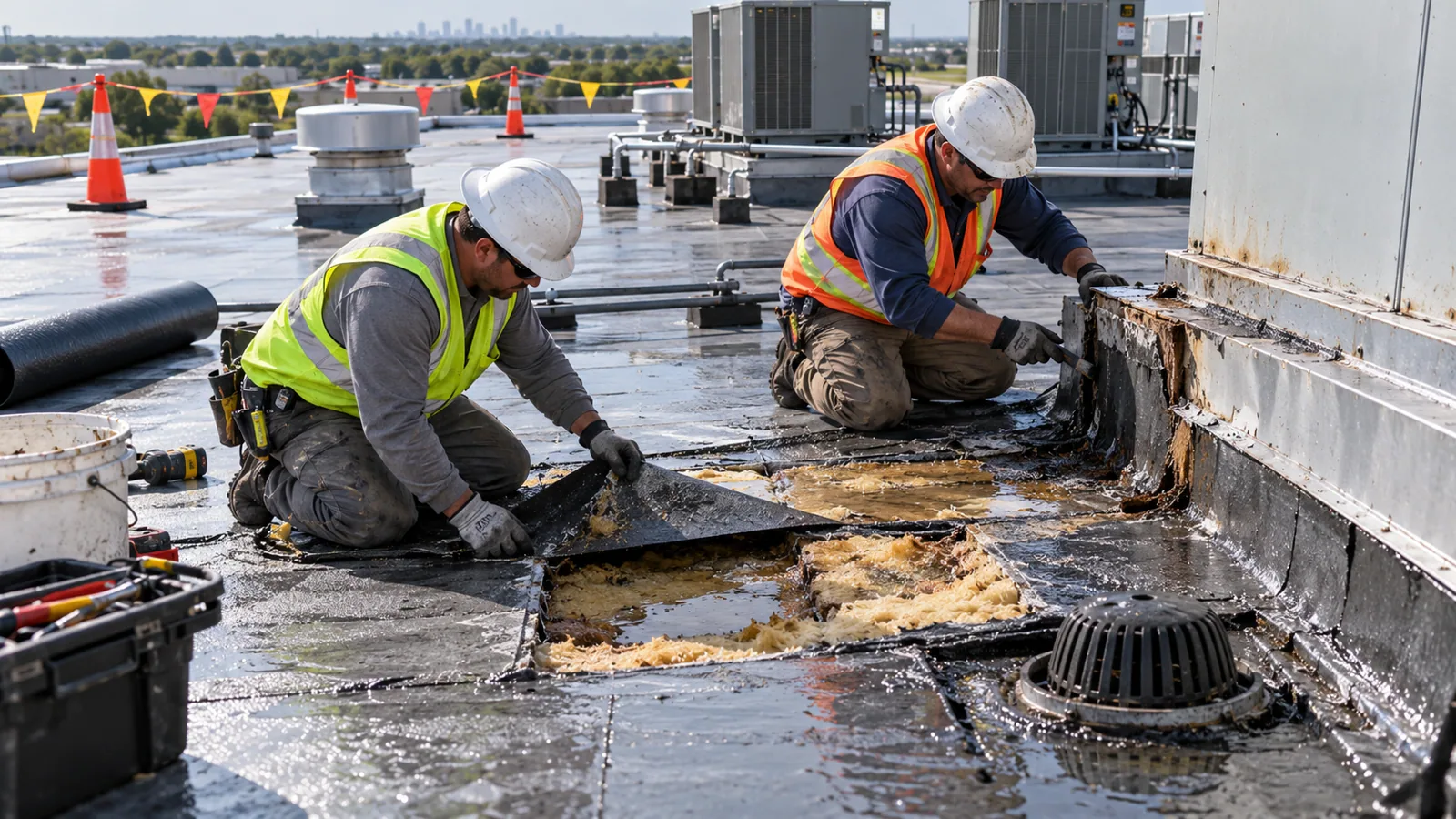
After a hurricane, a loose edge, missing metal or new ceiling stain needs a roof inspection before the repair quantity is set. Secure the affected area, record water entry and inspect attachment, seams, penetrations, drains and rooftop equipment. South Florida’s greater tropical-storm and hurricane risk runs from late August through mid-October. Hialeah Heights has industrial and distribution activity, while Westland Mall is a major retail destination; the property contact confirms access needs at each address.
During Hurricane Irma, sustained winds of 55 to 65 mph were estimated in western and northern Miami metro communities, and countywide peak gusts reached 80 to 95 mph. That regional event history informs readiness; we inspect the roof at each Hialeah address, distinguish storm damage from wear and document the repair boundary. Our storm damage inspection records photos, immediate stabilization and the next decision.
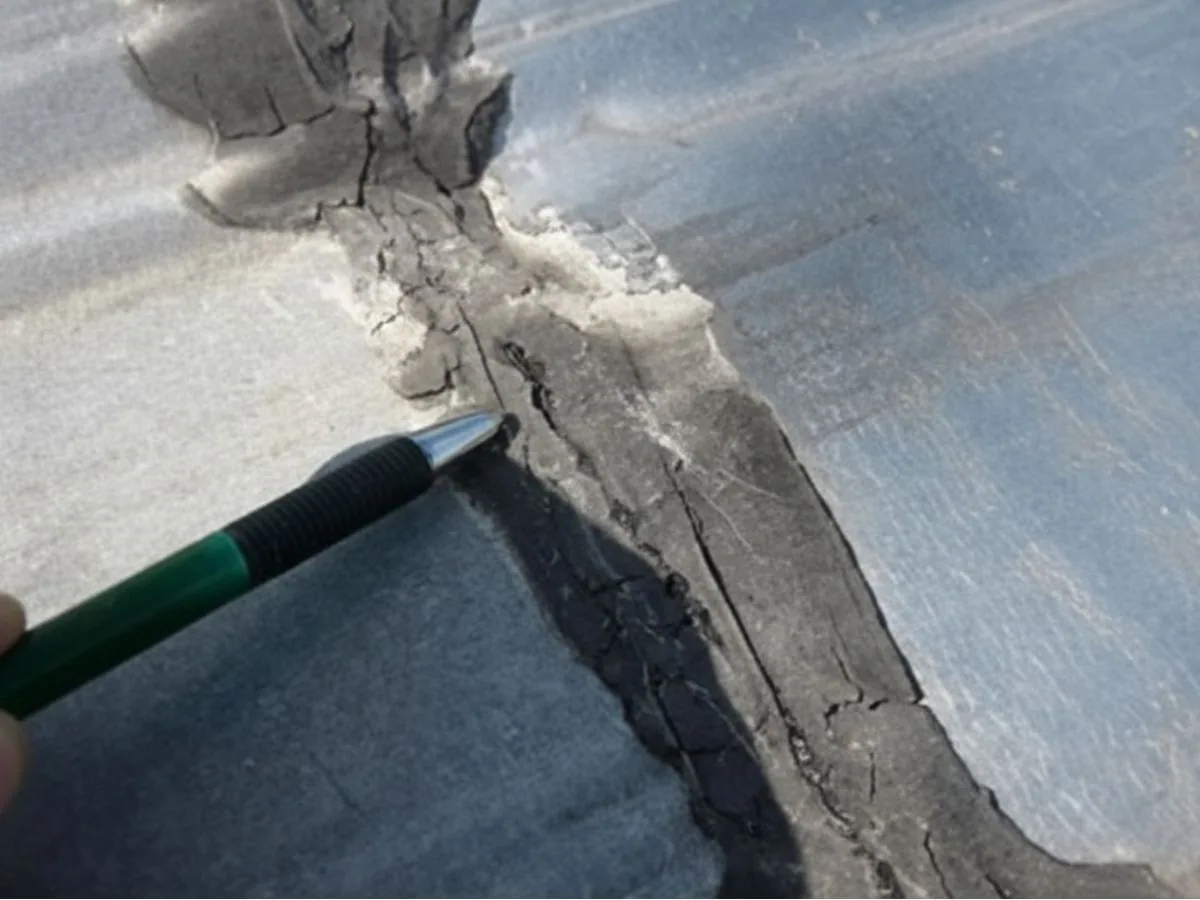
Map damage before materials move
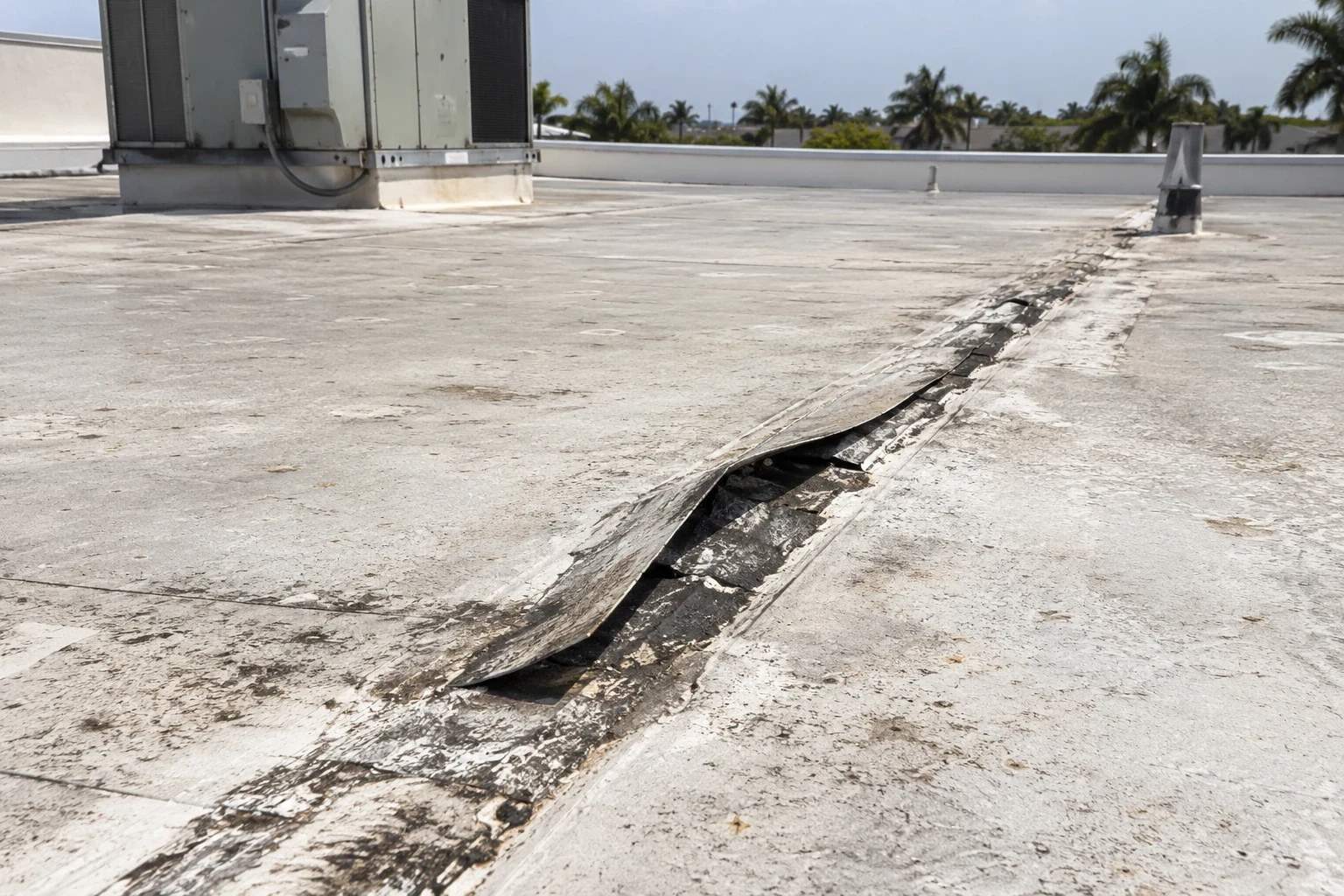
Check perimeter metal, parapet coping, membrane attachment, field seams, equipment curbs, roof penetrations and drainage. Photograph displaced or torn components before temporary work, then take a wider image that places each defect on the roof plan. Compare the interior leak pattern with the likely entry. Water can travel through insulation or along a deck before becoming visible indoors. Moisture testing can show whether wet material extends beyond the opening and whether removal is required.
Record conditions that may have existed before the storm, such as earlier patches, corrosion, open seams or blocked outlets. Separate confirmed event damage from unresolved age or maintenance issues. Miami-Dade is within Florida’s High Velocity Hurricane Zone; roofing product approvals and installation conditions vary by assembly. Plans for county permits identify drains or scuppers, pressure zones and parapets. A wind damage survey can document displaced attachment and edge conditions, while a roof condition report preserves the supporting evidence.
Stabilize water entry without hiding the defect
Temporary cover can limit interior water while permanent materials and access are arranged. Identify the area covered, remaining exposure, installation date and the next time it needs to be checked. Do not cover loose or damaged material in a way that prevents inspection of its attachment if the condition remains safe to view. If the roof is not safe or the storm is ongoing, defer rooftop work until access is approved and conditions permit.
Emergency response runs around the clock, every day of the week, holidays included, for active failures. We coordinate staging, site entry, protection below the work and a dry-in limit for each shift. Hialeah Heights distribution properties may have a loading schedule, while Westland Mall has retail activity; the property contact confirms actual routes and hours. A 24-hour emergency repair can secure the roof before the full scope is approved. If a narrow breach appears, membrane puncture repair may form one part of the permanent work.
Account for the next rain, not only the last storm
Hialeah's 48.19-inch wet-season rainfall normal concentrates in South Florida's summer rainy season, with the stormiest stretch from mid-May to early July. A damaged roof left open after the hurricane remains exposed to ordinary seasonal rain and thunderstorm hazards. We check the drainage route, clear approved obstructions, secure temporary work and establish who verifies protection at shift end. Peak summer heat can push the heat index to 100°F or higher in July and August, narrowing the safe window for rooftop restoration.
Wind uplift, windborne debris, rain entry and ponding can affect different roof details. The survey identifies which conditions are present rather than treating them as one damage category. If several systems or roof sections require work, show them separately in the schedule. A ponding water assessment can address drainage-related exposure, and a drain and scupper inspection can document outlet condition. For an area in Hialeah Heights, note actual loading routes and roof access instead of inferring them from district use.
Separate urgent work from the capital decision
Price depends on damaged area, roof height, material type, attachment, wet insulation, edge and penetration details, access and temporary protection. A local repair may be appropriate where adjoining material remains sound. Widespread attachment loss, wet insulation or repeated openings can require replacement analysis. We show immediate stabilization, permanent repairs and a broader capital option separately, state what is tested and list any hidden condition that could change quantity.
For replacement or recover, confirm the roof assembly, applicable code, product approvals, permit details and installation limits. The 2023 Florida Building Code took effect December 31, 2023; the planned 2026 edition effective date is December 31, 2026, subject to adoption. Project timing should not assume that a future edition is already effective. Keep the Hialeah property record distinct from Westland Mall or Hialeah Heights assets that share the same regional weather.
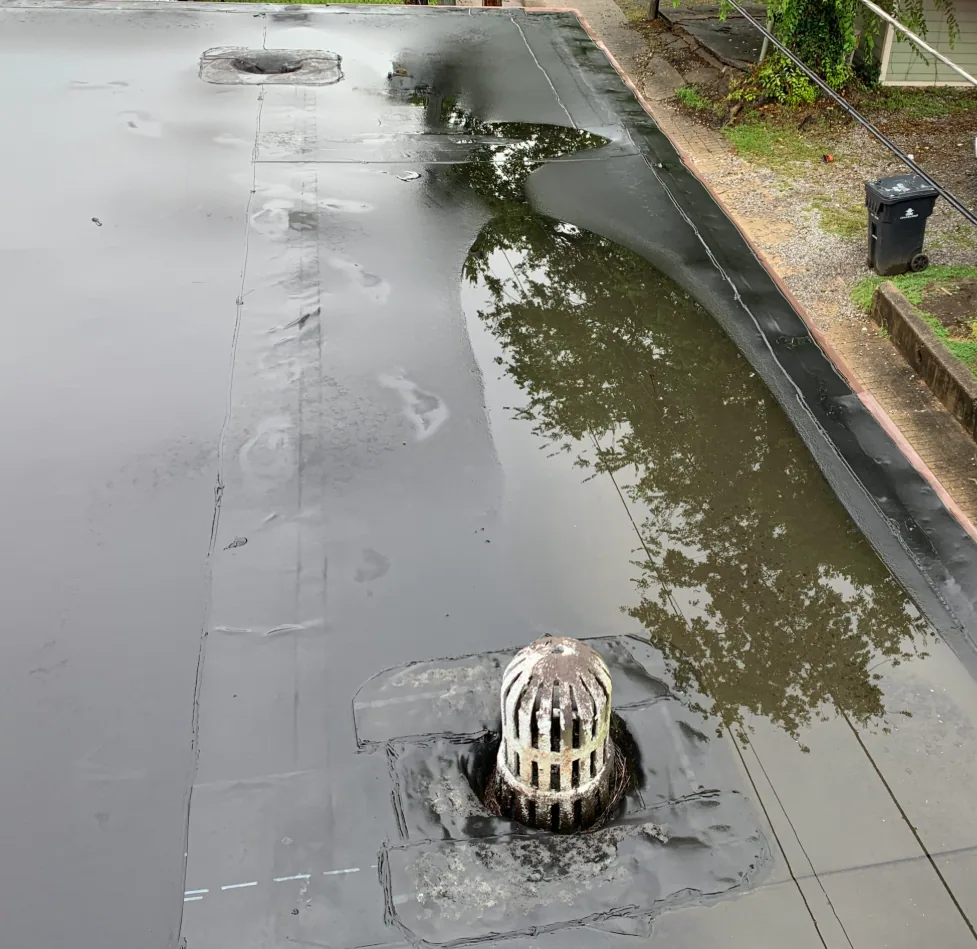
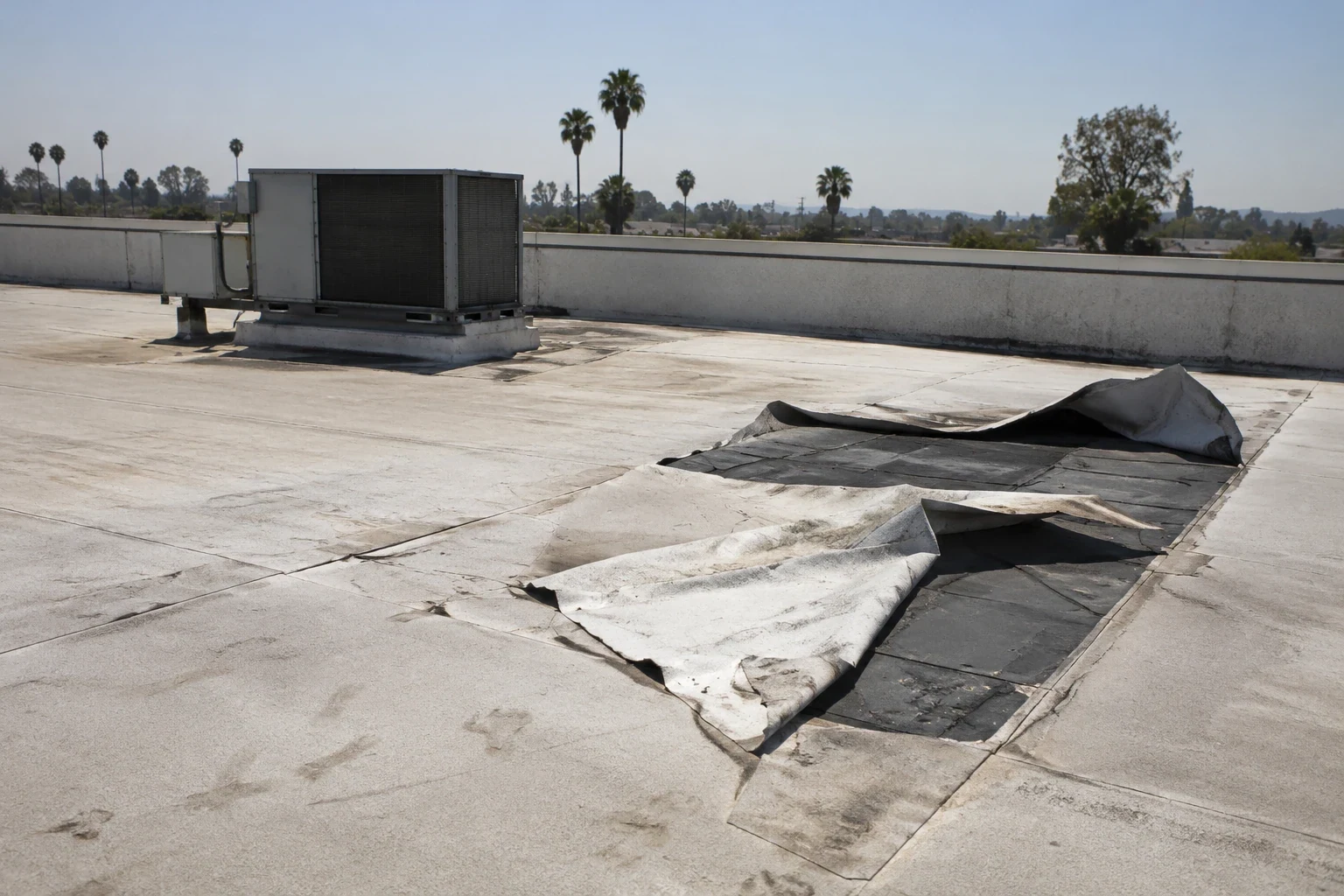
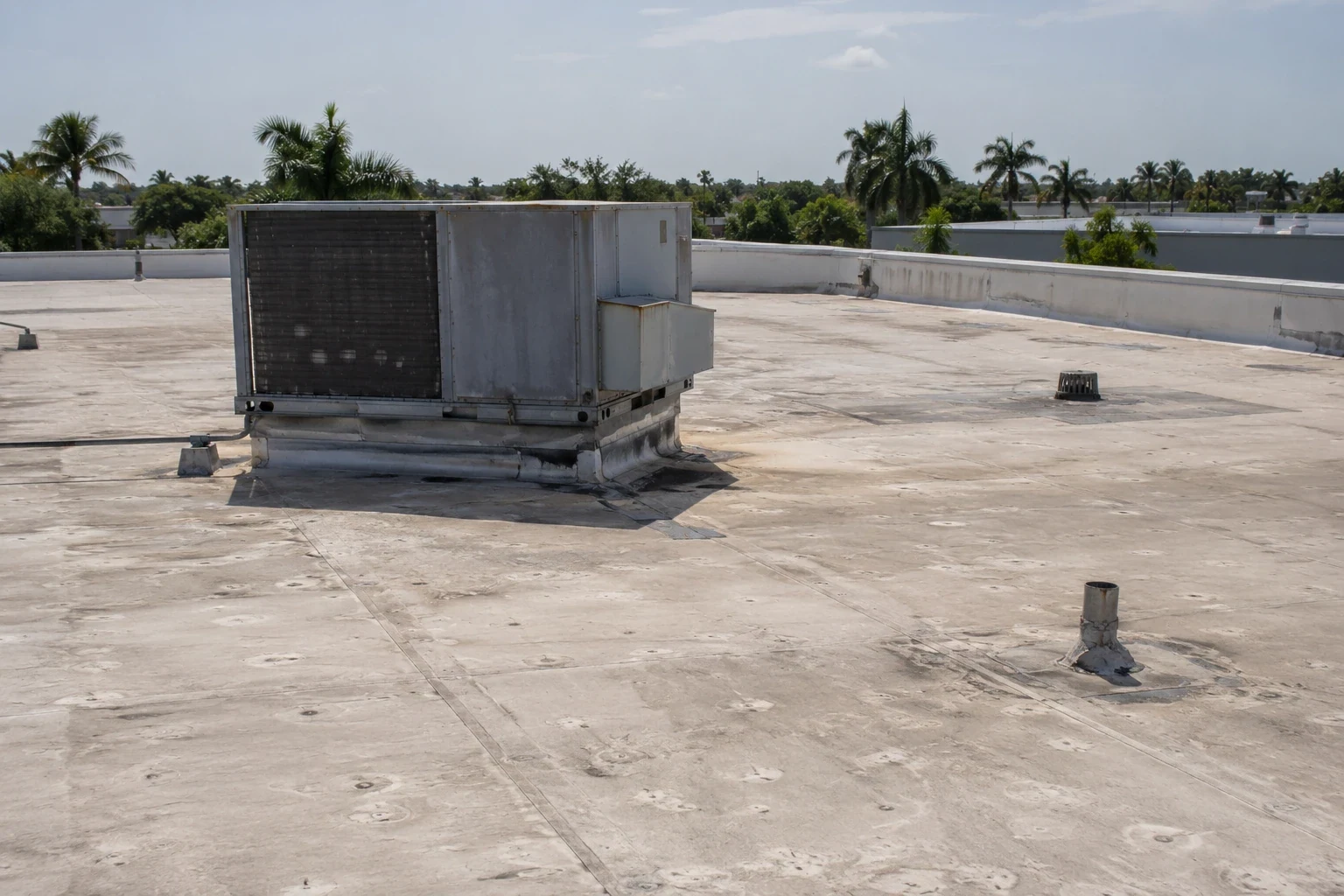
Close the storm file with a repair baseline
Closeout should show the date inspected, observed storm-related conditions, repair limits, photographs, materials installed, moisture findings and any work deferred. Note any temporary protection and follow-up date. If a portion of the roof was not accessible, list that restriction. The owner needs to know which areas were repaired, which were inspected only and which still require approval.
After completion, check the repaired details and interior areas after rain when safe. We can establish a maintenance inspection schedule for edges, seams, drains and previous repair points. Hialeah’s West 49th Street corridor and Hialeah Heights district can identify a local portfolio entry, but the roof condition remains address-specific. Send the storm date, address, prior roof report, current leak locations and approval contact. We will return immediate action, permanent options and remaining exposure in one reviewable record for the property team.
Questions
WHAT OWNERS ASK
Can Irma wind measurements be used for a Hialeah roof claim?
Hurricane Irma's regional record includes sustained-wind estimates for western and northern Miami metro communities and countywide peak gusts. We inspect the Hialeah roof, distinguish observed storm damage from prior wear and document the repair boundary.
What should be done before a permanent hurricane repair?
Record the roof and interior condition, stabilize active openings when access is safe, inspect attachment and drainage, and test suspect insulation. The repair boundary follows observed damage. Temporary cover is identified separately from permanent work.
Does a hurricane require replacement of the entire commercial roof?
Not by itself. We map the affected sections and determine whether the assembly can be repaired. Replacement requires evidence such as widespread attachment failure, moisture or repeated defects. The report separates local repairs from a capital recommendation.
When should a Hialeah roof be inspected before hurricane season?
Review edges, seams, curbs, drainage and prior repairs before the late-August to mid-October higher-risk period. Hialeah’s wet season also brings its stormiest stretch earlier, from mid-May through early July, so drainage and dry-in plans matter across the full season.
Related Roofing Work
Get a storm scope tied to the property
Send the Hialeah address, storm date, roof history, photos and approval contact. We will inspect the affected sections and separate emergency protection from permanent repair options.