
Commercial Rooftop Equipment Curbs and Supports in Hialeah, FL
Commercial Roofing Services
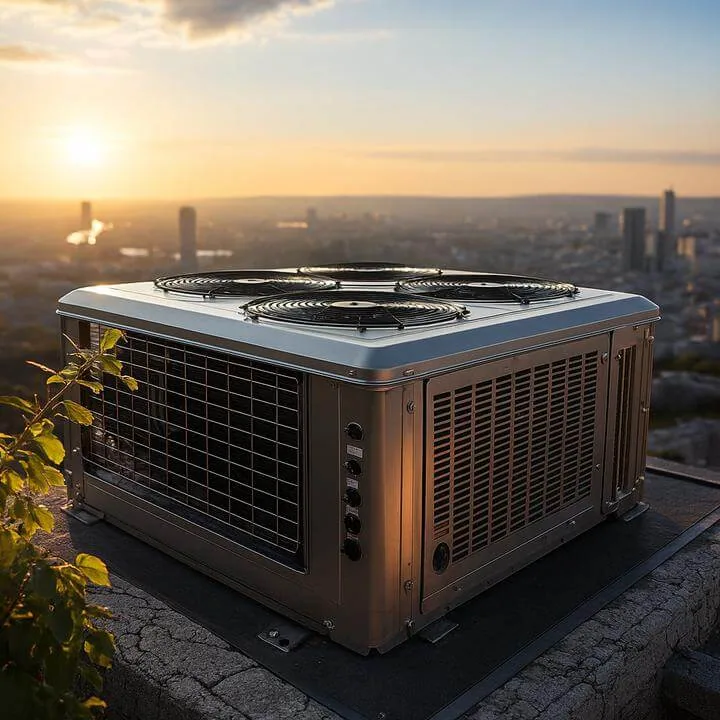
A leak beside an HVAC curb can come from the flashing, the curb itself, a nearby seam or water moving from another roof detail. We inspect the transition before sealing anything, then identify the repair boundary and how equipment access affects the work. In Hialeah, wet-season downpours load drains and test curb corners. A warehouse roof near Hialeah Heights and an occupied office by Palm Springs Mile may have different equipment layouts and access rules, so the scope starts with the actual roof section.
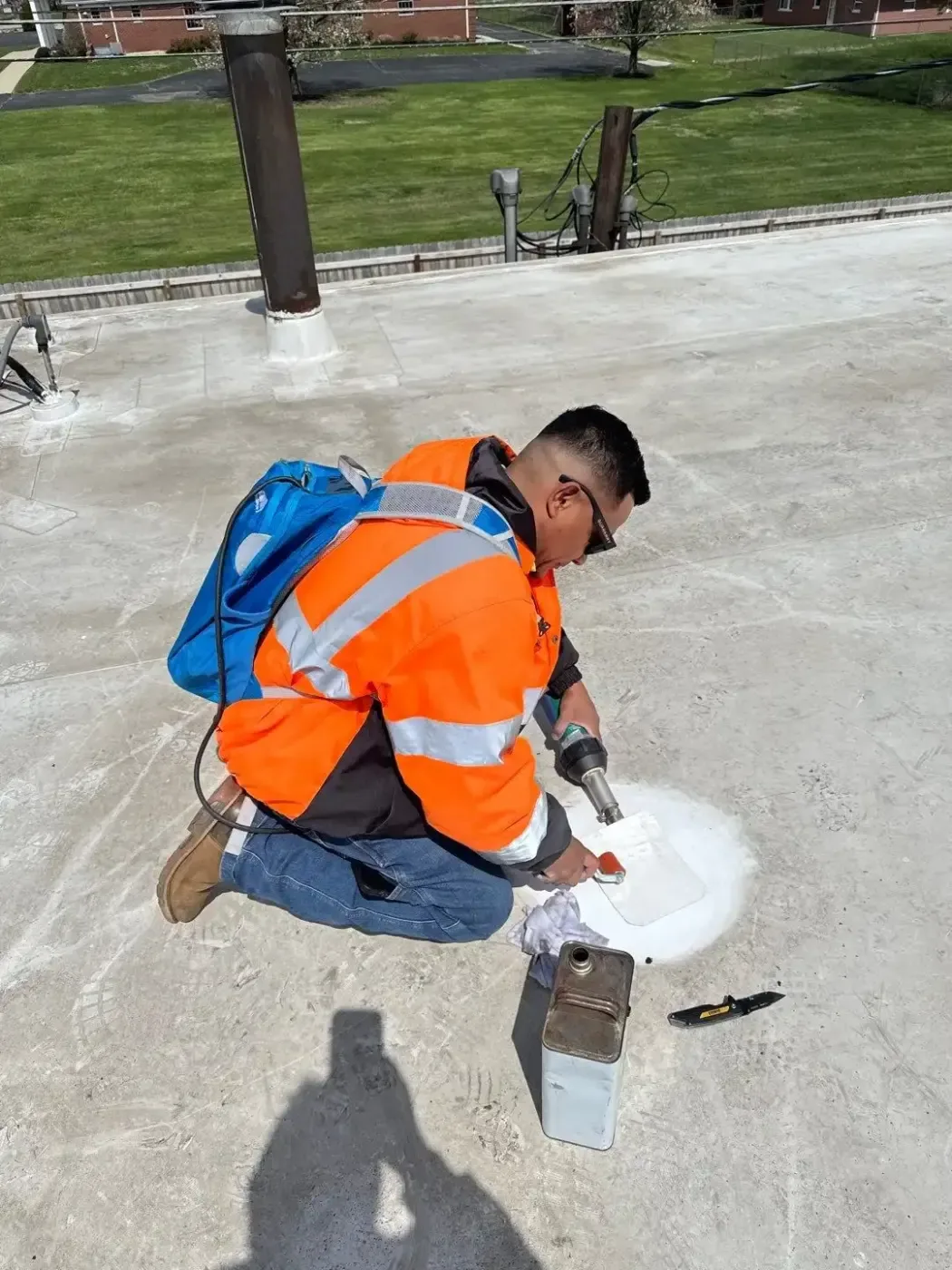
Trace the leak around the curb
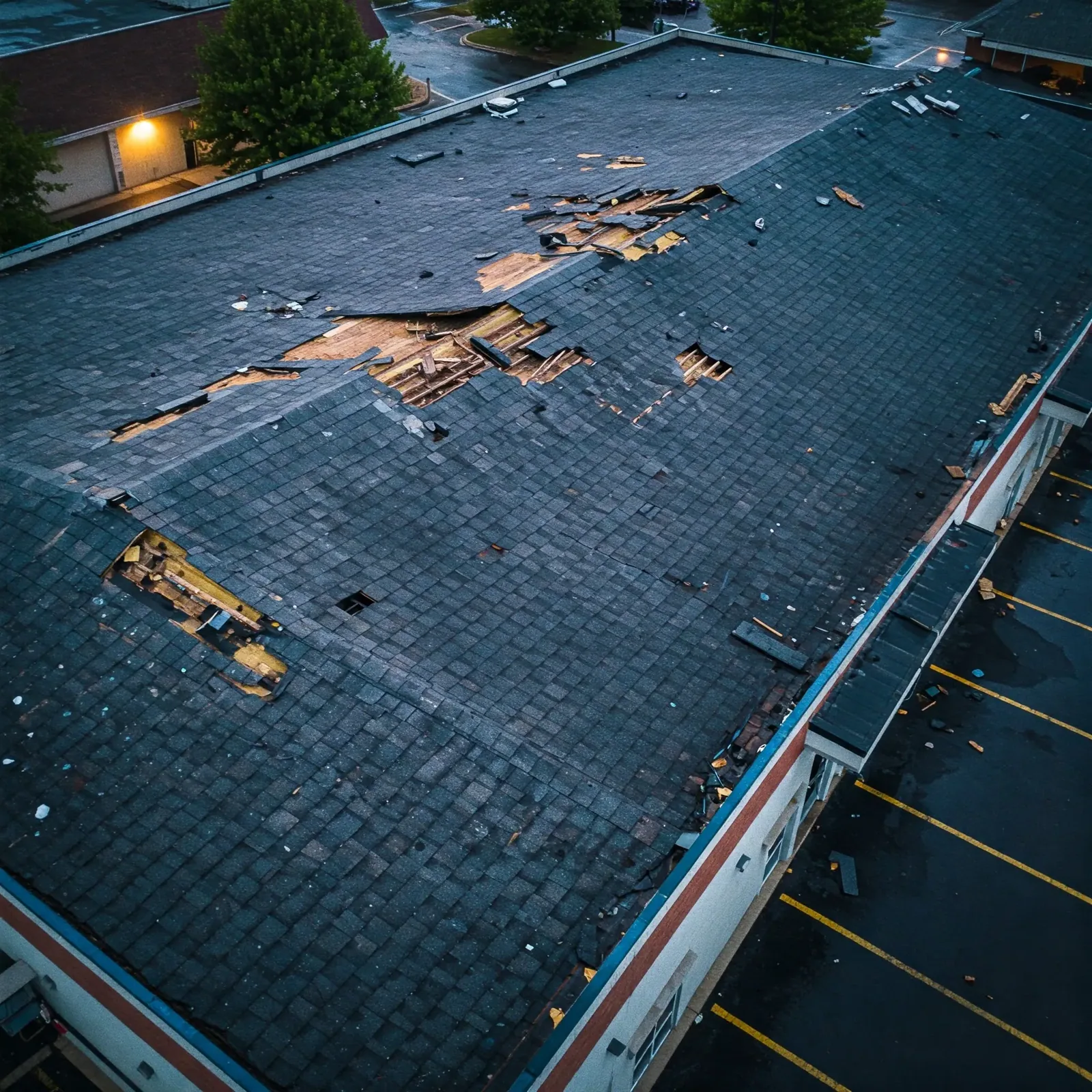
We compare interior reports with curb sides, corners, membrane seams, counterflashing and nearby drains. Water can travel through insulation or along the deck before reaching a ceiling, so the visible stain does not automatically mark the entry. We photograph the reported location and surrounding details, note prior sealant or patch layers, and check whether the curb moves or has separated from the roof surface. If moisture below the membrane changes the repair, we recommend a test method and record the limits of the observation.
A curb repair may require removing failed flashing, preparing the membrane, rebuilding corners and securing a compatible termination. If corrosion, loose fasteners or damaged curb metal appears, those items belong in the scope. A complete curb repair restores the underlying transition with compatible flashing, membrane preparation and termination details; a sealant bead alone leaves the failed interface unresolved. For adjacent penetration flashing or drainage work, we identify each detail separately so the owner can see which condition drives the cost.
Check supports before moving equipment
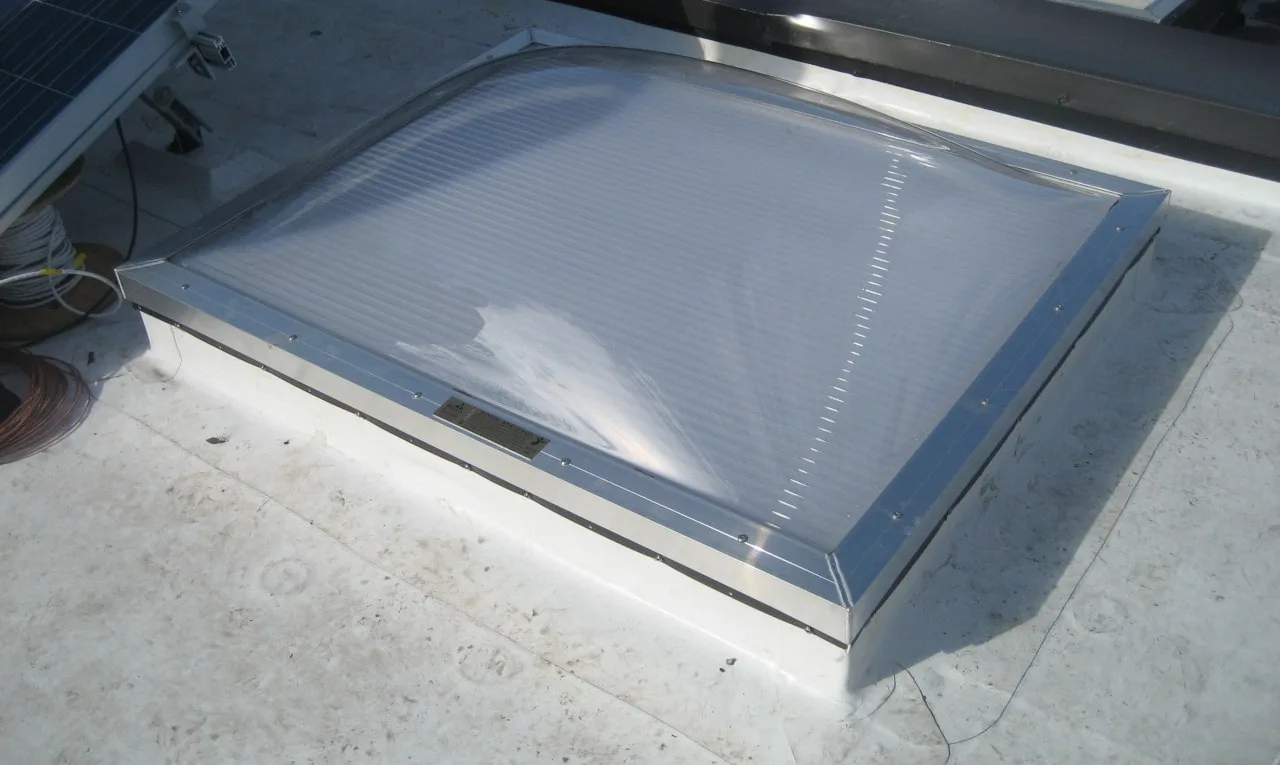
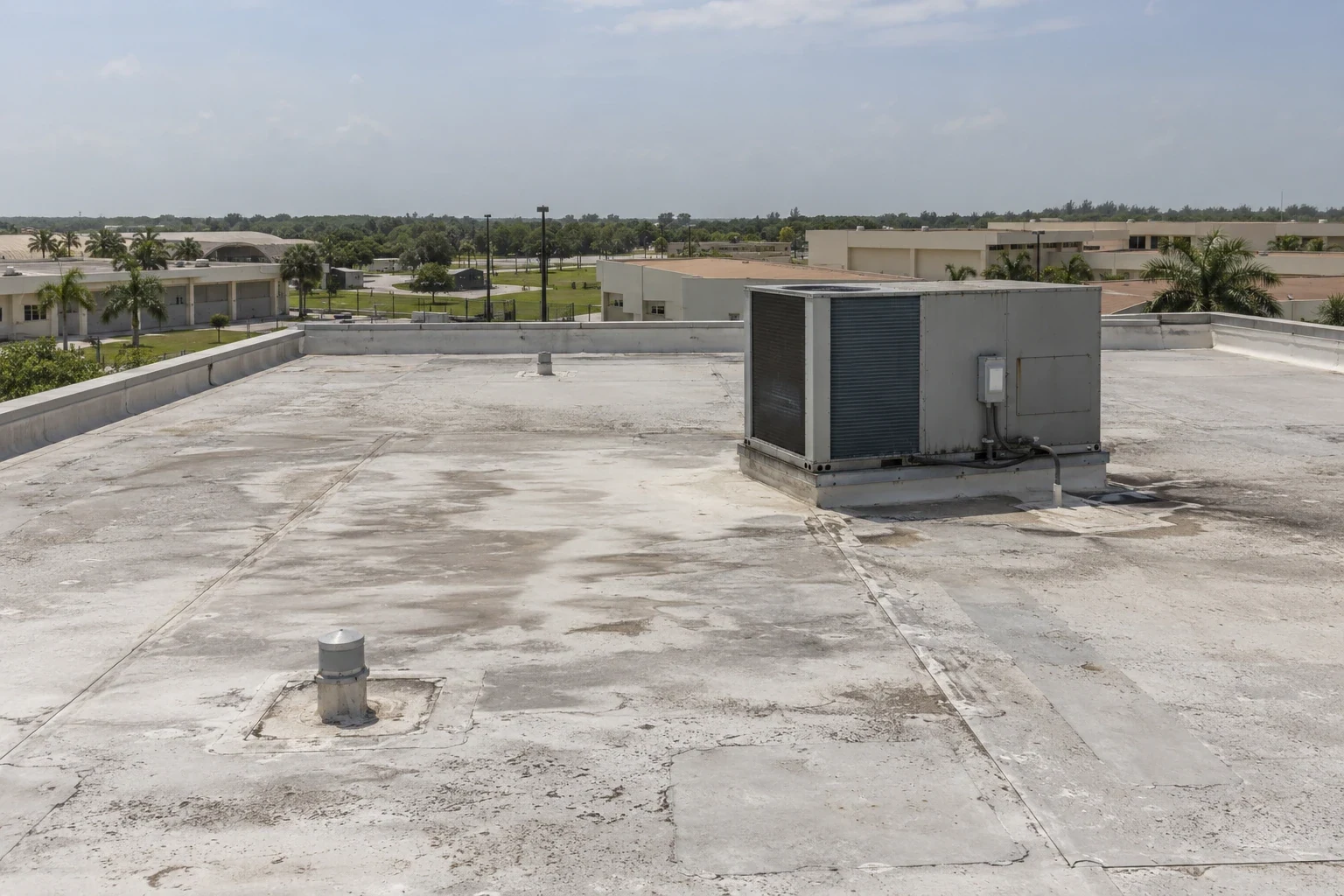
Pipe supports, conduit stands, equipment rails and service platforms distribute loads at points where a roof membrane can be damaged. We inspect whether supports sit on protective pads, whether fasteners penetrate the roof, and whether movement has abraded or punctured the covering. A support that has shifted may leave a wear path; water around a leg may point to a failed penetration or drain issue. We document what is visible and distinguish roof repair from mechanical work that needs a separate trade.
Changing an HVAC unit is a coordination event. The building owner or mechanical contractor should identify lift locations, equipment weight information, rigging access and the planned set date before roofing work is scheduled. We protect the roof along the travel path where feasible, monitor curb dimensions and keep membrane details accessible for tie-in. If the replacement unit does not match the existing curb, the opening and transition need an approved plan before old equipment is removed. We can coordinate roofing work with the mechanical schedule, while the mechanical contractor remains responsible for equipment connections and operation.
Sound supports keep service traffic from grinding against the roof cover. We check whether a pipe saddle has shifted, a rail foot has cut through a walkway pad, or a bracket concentrates load at one point. A protective walkway may help where technicians routinely cross the membrane, but it should not block drains or hide a deteriorated surface. Where fasteners pass through the roof, the detail needs compatible flashing and a termination that sheds water rather than trapping it. The owner receives a marked location and a clear division between roof work and equipment adjustment.
For roofs with repeated curb repairs, a commercial roof inspection can map the penetrations and condition by section. If water extends beyond one detail, a targeted repair scope may need to include adjacent seams or wet materials. The proposal identifies whether a crane, lift or shutdown is assumed and which party handles each step.
Protect the roof during Hialeah work windows
Hialeah’s wet-season rainfall benchmark is 48.19 inches; curb and penetration inspections should account for the storm peak that usually begins in mid-May. That makes temporary openings around curbs and incomplete membrane tie-ins a schedule risk. We plan removal in manageable areas, keep drains clear and identify a watertight stopping point for each shift. If afternoon storms approach, exposed materials and opened details need protection before crews leave the roof.
July and August heat can push rooftop heat index to 100 degrees or higher. Work windows, material handling and crew breaks must account for those conditions. Late summer also brings greater tropical-storm risk. Before a planned equipment change, the facility contact should confirm whether the schedule has enough time for curb flashing, inspection and closeout before the next weather exposure. We can provide emergency response at any hour, including holidays, when a failed curb creates active water entry; permanent work still depends on safe access and suitable conditions.
Local operations matter too. A property by West 49th Street may require tenant coordination and protected customer entrances, while Hialeah Heights distribution sites may have active dock traffic. We confirm where equipment can be staged, how roof access is controlled and which ground routes remain open. These details affect labor, sequencing and the work area, not the material choice alone.
Leave a detail record for the next service visit
Closeout photos should show the curb sides, corners, termination and adjoining field membrane. We record the repair date, materials, location, limits and any equipment work that remains open. If another trade still needs to connect a line or remove temporary support, the owner needs that status in writing so a finished roof repair is not mistaken for complete mechanical work. Where the curb is not repaired because equipment replacement is pending, we state the temporary condition and the planned return sequence.
For an asset manager, that record helps compare recurring curb failures across separate buildings without treating every penetration alike. A condition report can capture repair status, access limits and follow-up actions. On Hialeah properties near Hialeah Heights or Palm Springs Mile, we tie the findings to the property address and roof section. Send the leak location, recent photos, equipment schedule, roof plan and approval contact. We will identify what roofing work is needed and which coordination items must be resolved before mobilization.
Questions
WHAT OWNERS ASK
Can a curb be reflashed without replacing the HVAC unit?
Often, when the curb is stable, compatible with the existing equipment and accessible for proper flashing. We inspect the metal, attachment and membrane transition first. Corrosion, movement or a planned unit change can alter the scope.
Who handles the roof when a mechanical contractor replaces a unit?
The mechanical contractor handles the equipment and its connections. We can coordinate roof protection, curb preparation and membrane tie-in with that schedule. The proposal should name lift timing, access, opening protection and each trade's work boundary.
How do you price work around rooftop supports?
The number and type of supports, roof assembly, access, penetrations and any wet material affect the work. We identify which supports need pads, flashing repair or further review, then state the assumed area and whether mechanical work is excluded.
Can a leaking curb be stabilized after hours?
Yes. Emergency roof response is available nights, weekends and holidays for active entry. We first confirm safe access and the temporary measure, then return to inspect the curb and define permanent work under suitable conditions.
What should I send before an equipment change?
Provide the address, unit replacement date, curb dimensions if known, lift plan, roof plan, leak history and site contact. We can identify roof protection and tie-in needs before equipment is set.
Related Roofing Work
Coordinate the curb with the equipment schedule
Send the Hialeah property address, leak photos, equipment change date, roof history and approval contact. We will inspect the transition and define the roofing work boundary.