
Coast Guard Station Roofing in Hialeah, FL
Property Types We Roof
Coast Guard roofing work starts by confirming which facility, building and authority the request covers. Air Station Miami is at Opa-locka Executive Airport, north of Hialeah; Base Miami Beach is a separate Coast Guard property east of the city. We identify the assigned Coast Guard building by name and location before setting its inspection limits. We inspect the assigned roof, verify its assembly and document access, condition, drainage and the next repair decision. The property’s facilities contact sets current entry and operating rules.
We work on commercial low-slope and metal roofs through inspection, repair, replacement, recover, restoration, coatings and maintenance. A roof report ties each finding to the facility identifier, building and roof section. It should identify the roof section, observed defects, interior effects, moisture evidence and areas not inspected. For a federal scope governed by Unified Facilities Criteria, the solicitation and contract documents set the required roofing assembly and detail standards. Our military installation roofing service can organize the survey, phased work and closeout under the site’s approval process.
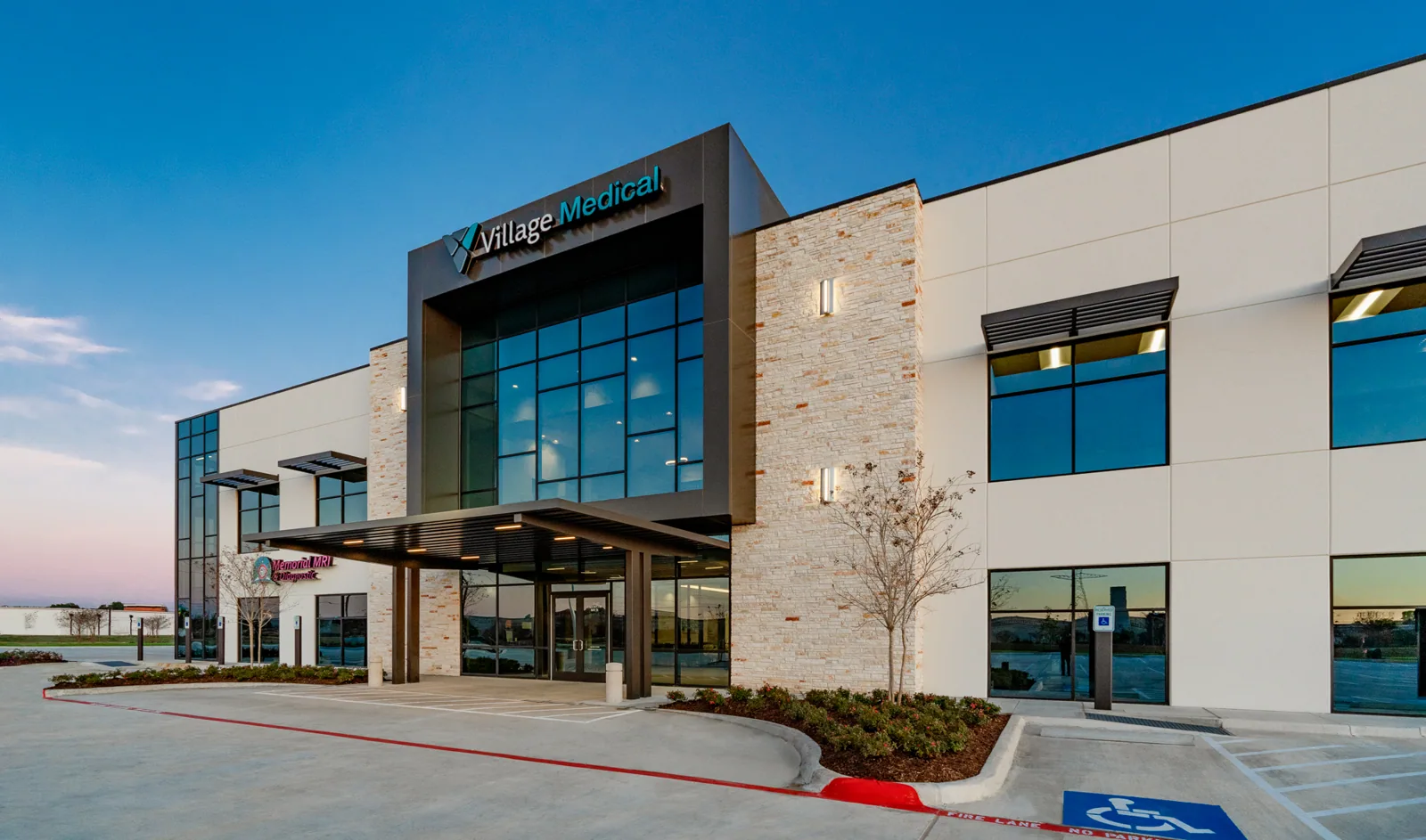
Keep facility access and daily work aligned
Badging, escort requirements, vehicle screening, approved delivery paths, tool checks and limits on photography affect mobilization. Confirm the current rules with the Coast Guard point of contact, then list the crew, vehicles, equipment, roof entry route, staging location and work periods for approval. Access details vary between installations. Confirm separate entry approval for Air Station Miami and Base Miami Beach with each facility contact. If a restricted route closes, the roof plan needs a safe pause condition and a way to leave the section watertight.
Air Station Miami shares Opa-locka Executive Airport with business aviation, Caribbean light cargo and large-aircraft maintenance activity. The Coast Guard contact confirms roof access, staging and work windows for Air Station Miami. Base Miami Beach on Causeway Island includes command, staff and facilities-engineering functions, along with unaccompanied personnel housing. The facility contact identifies the assigned building, and we map the roof sections and assembly from that property's records and inspection. Aircraft and maintenance roofs use hangar-specific access and clearance planning; a Navy facility roof follows its own authority and entry process.
Tie the roof findings to one facility
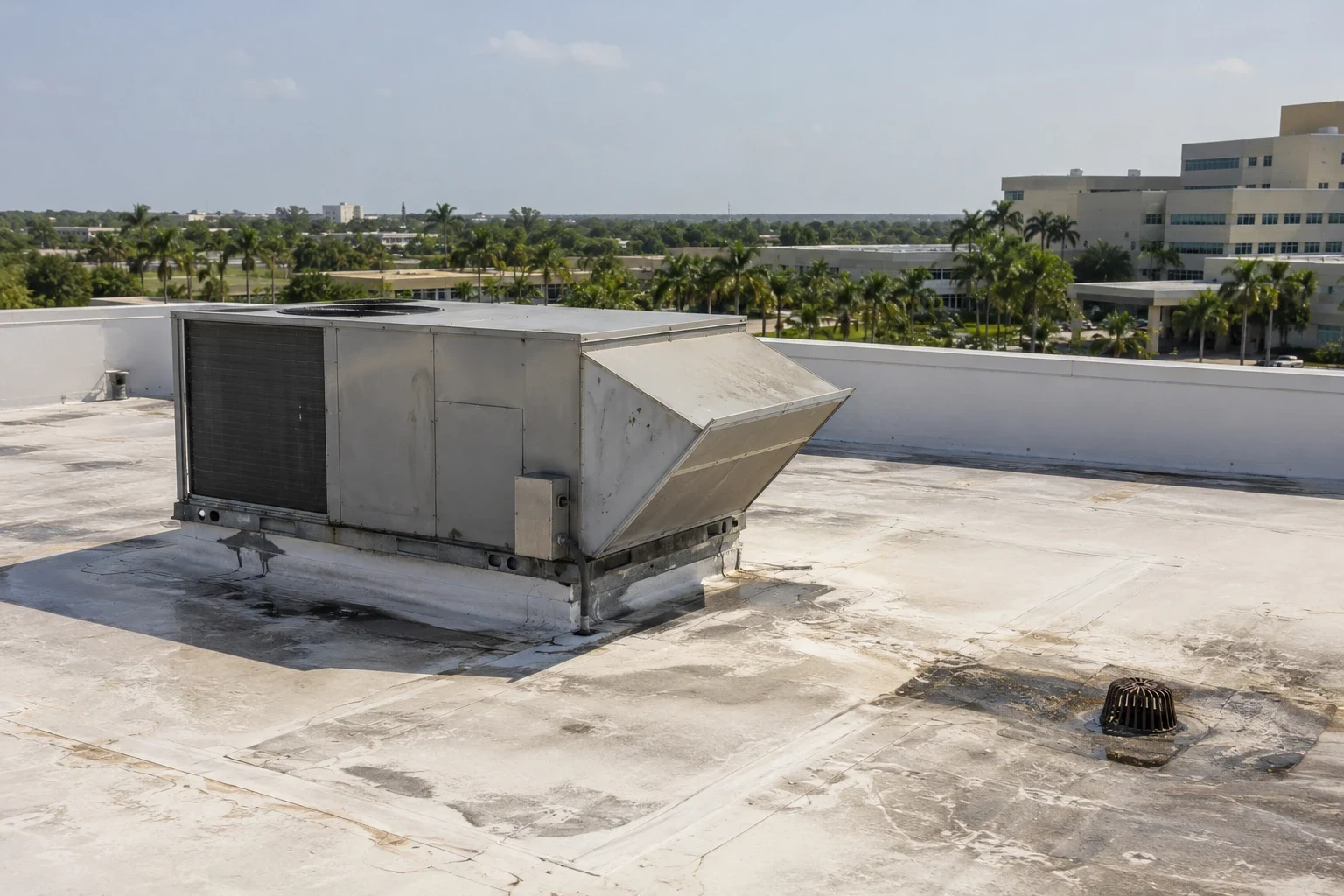
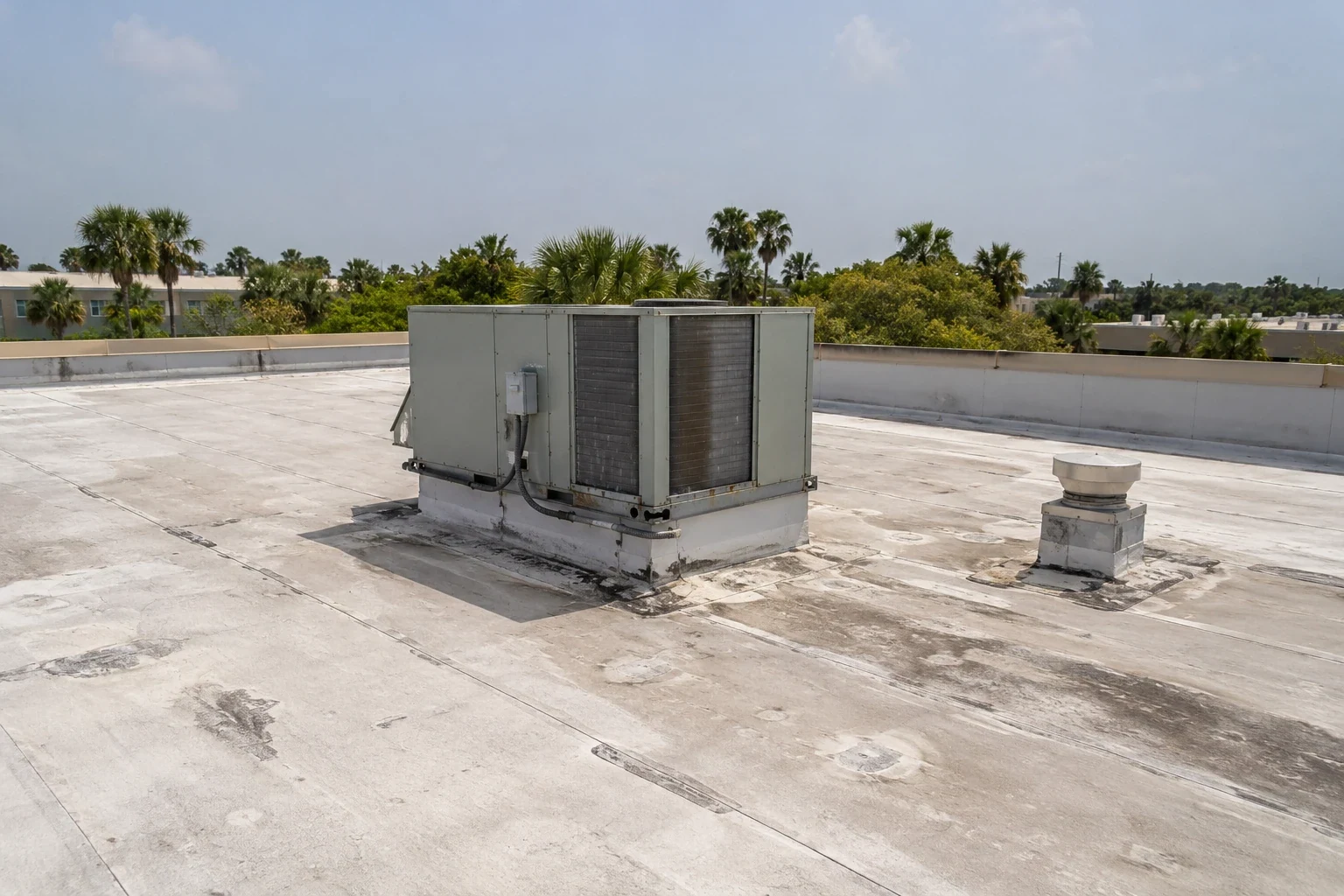
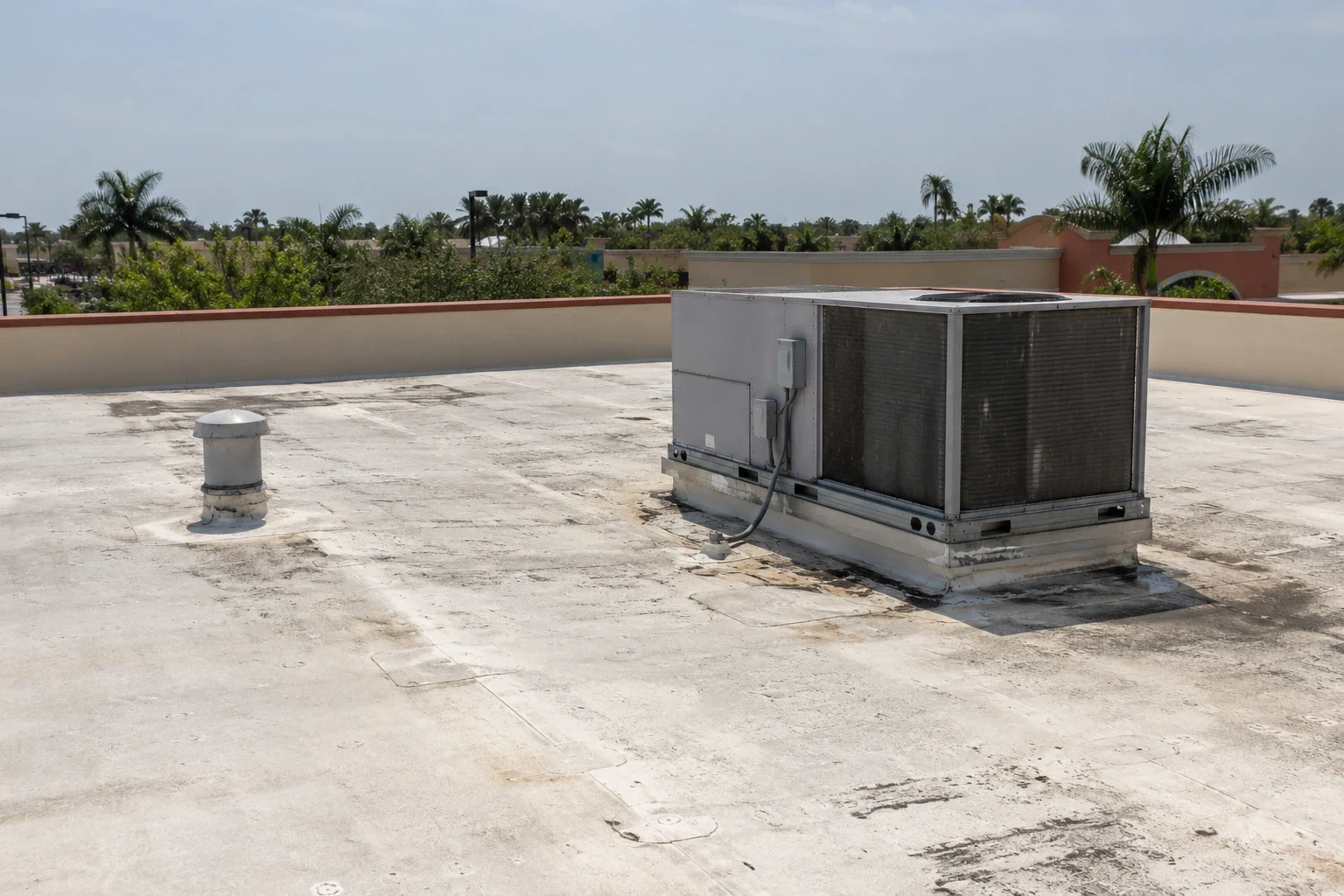
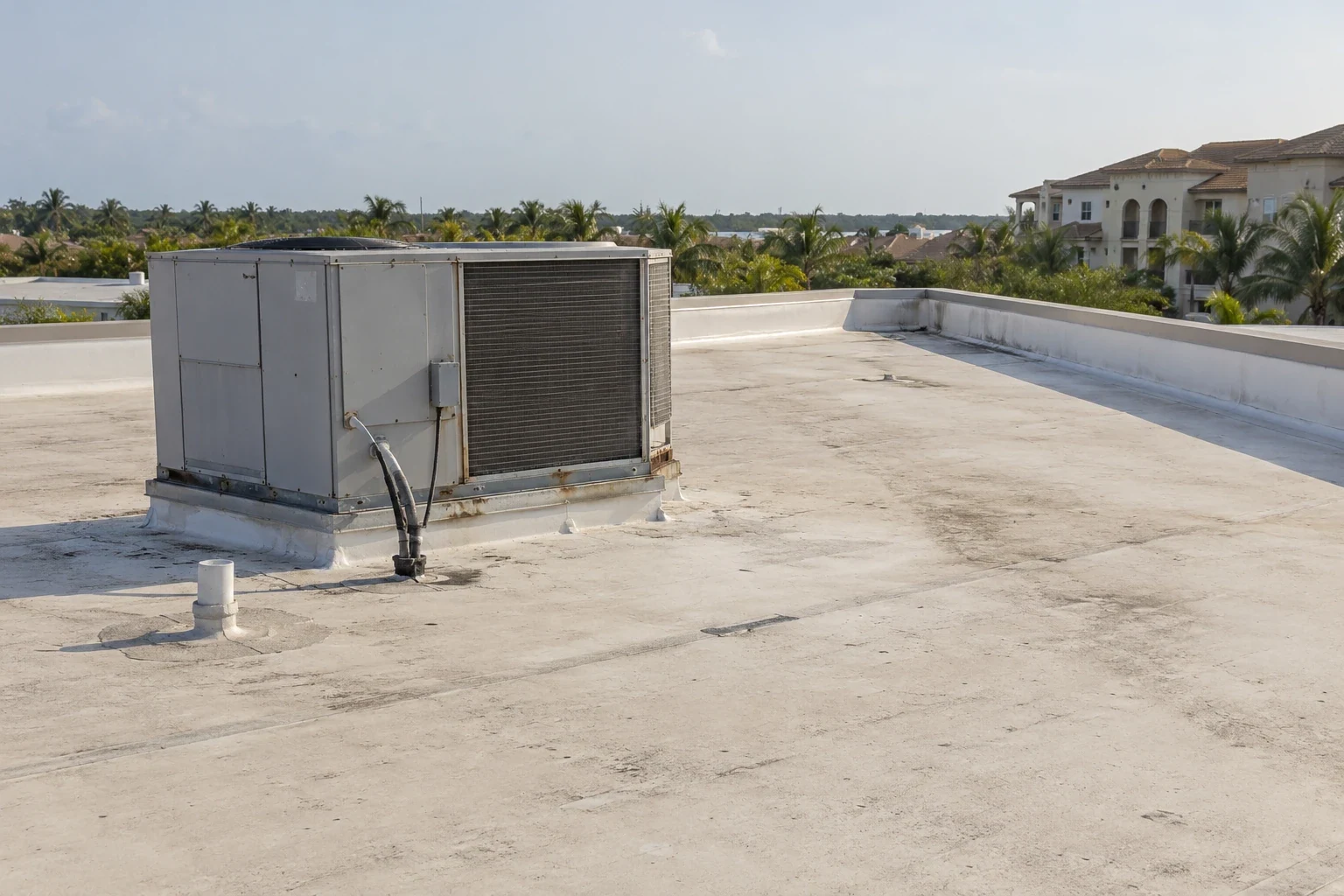
Inspect the roof surface, seams, terminations, drains, scuppers, penetrations, curbs and perimeters. Compare active water reports to likely entry points, since moisture may move beneath the membrane before appearing inside. If survey access is partial, draw the inspected boundary and note what remains unseen. Moisture testing or a targeted opening may confirm whether wet insulation extends beyond the visible defect. Only then can the repair scope say whether the problem is local or assembly-wide.
Hialeah's normal wet-season rainfall is 48.19 inches. The stormiest portion usually spans mid-May through early July, and damaging thunderstorms can bring wind, hail, lightning or flooding. Outlet flow and temporary roof protection belong in the inspection. Expect the tightest heat limits in July and August, followed by a higher tropical-storm threat from late summer into mid-October. Safe access, daily dry-in and weather hold points all affect production. A drain and scupper condition check can document water flow alongside the membrane findings.
Price for access, assembly and operating limits
Estimate drivers include roof area, number of existing layers, moisture, deck condition, penetrations, perimeter details, access method, staging distance, escort time and limits on operating hours. A small leak repair can control water while a separate survey evaluates other sections. If moisture or attachment failure appears beyond the initial boundary, show that condition and request authorization before adding work. A phased replacement should include a sequence that can be closed and secured within each approved work period.
Miami-Dade replacement submissions document drainage, pressure zones and parapets; products and installation details also face the county’s High Velocity Hurricane Zone requirements. Those county requirements can guide nearby commercial work but do not replace the facility’s contract or federal criteria. Verify what applies to the Coast Guard project before selecting products. For records and long-term capital decisions, a roof condition report can link photographs, repair scope, assumptions and the next approval. An Air Force facility scope or Army installation scope may use similar inspection steps while following a separate facility authority.
Protect the roof when the forecast shifts
Wet-season work must keep a water route open and protect any section exposed during repairs. We define what is removed in one shift, how the tie-in will be secured, who checks the dry-in and what conditions stop work. If a storm arrives earlier than forecast, the work log should show which areas were complete and what temporary protection remains. Emergency roof response runs around the clock, seven days a week, holidays included, when an active opening requires immediate attention and approved access can be arranged.
Keep asset locations distinct in the maintenance file: Opa-locka Executive Airport is north of Hialeah; Base Miami Beach is on Causeway Island east of the city. The local Hialeah industrial area has different ownership and access from both Coast Guard properties. At Opa-locka Executive Airport, the facility contact sets roof access, staging and work hours for the assigned Coast Guard building. This distinction keeps each inspection and approval tied to the right address.
Leave an auditable maintenance record
Closeout should identify the site and building, roof section, approved materials, repaired details, photographs permitted by facility rules, outlet observations and remaining work. List any temporary measure and its follow-up date. Note the name or role of the person accepting the roof work and the date access ended. A later maintenance visit can then compare the same roof section, rather than rely on an unlocated note that a leak was stopped.
West 49th Street carries Hialeah commercial activity; Opa-locka Executive Airport supports aviation and cargo, while Base Miami Beach includes command, staff and facilities-engineering functions. We attach the inspection and maintenance history to the assigned Coast Guard building. We can provide recurring roof maintenance inspections if each facility authorizes access and schedule. Give us the specific installation, assigned building, existing roof records and approval contact. We will return a condition summary that marks immediate work, outstanding questions and the next decision for the facility reviewer.
Questions
WHAT OWNERS ASK
Are Air Station Miami and Base Miami Beach one Coast Guard property?
They are separate facilities. Air Station Miami is at Opa-locka Executive Airport, while Base Miami Beach is on Causeway Island. Each has its own building assignments, access rules and approval contacts; a request must identify the property involved.
Can roof work be performed during Coast Guard operations?
The schedule follows the site’s operating and access controls. We coordinate badging, escort, routes, equipment, roof entry and work windows with the facility contact, then define a safe end-of-shift condition. The actual operating limits must be confirmed for the assigned building.
What if the facility allows access to only part of the roof?
We mark the inspected area and state which sections remain unverified. The report can still document observed defects and immediate risks, but the approval scope should not imply a full-roof assessment when access was limited.
How does Hialeah weather affect nearby facility roofing?
Hialeah’s wet-season precipitation baseline is 48.19 inches, and the strongest storm interval usually runs from mid-May into the first part of July. July and August exposure can shorten safe roof shifts, while late August to mid-October brings the region’s stronger tropical risk. Daily dry-in and drainage checks should be planned.
Related Roofing Work
Identify the Coast Guard facility before scoping
Send the installation and building identifier, roof history, current access rules and approval contact. We will document the assigned roof section and return a work plan tied to the site requirements.