
Commercial Roofing at Beacon Station, Medley, FL
Service Areas
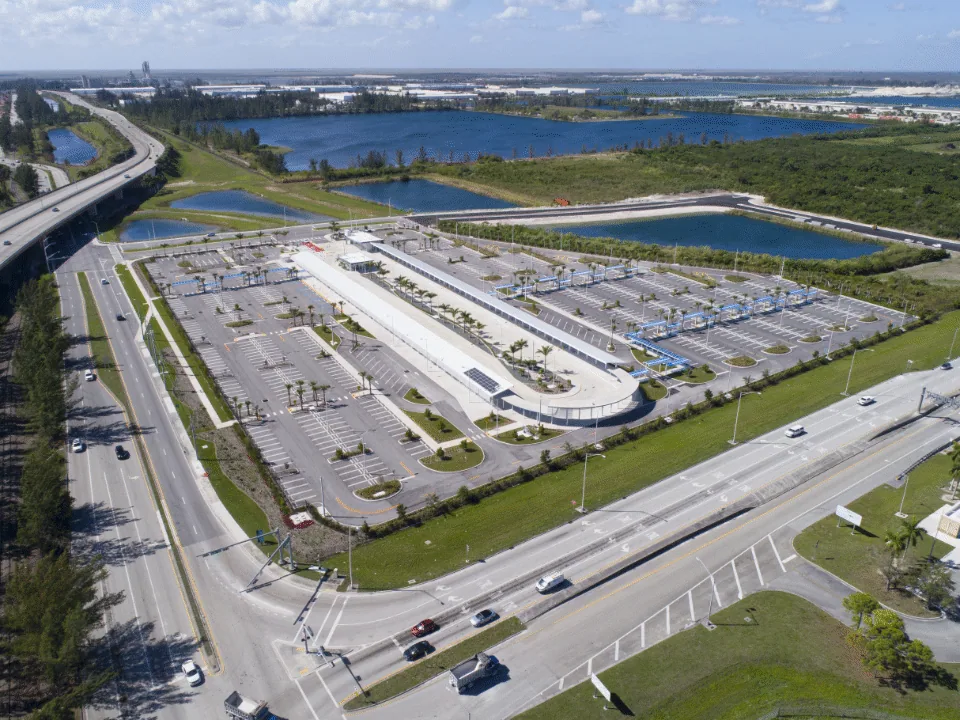
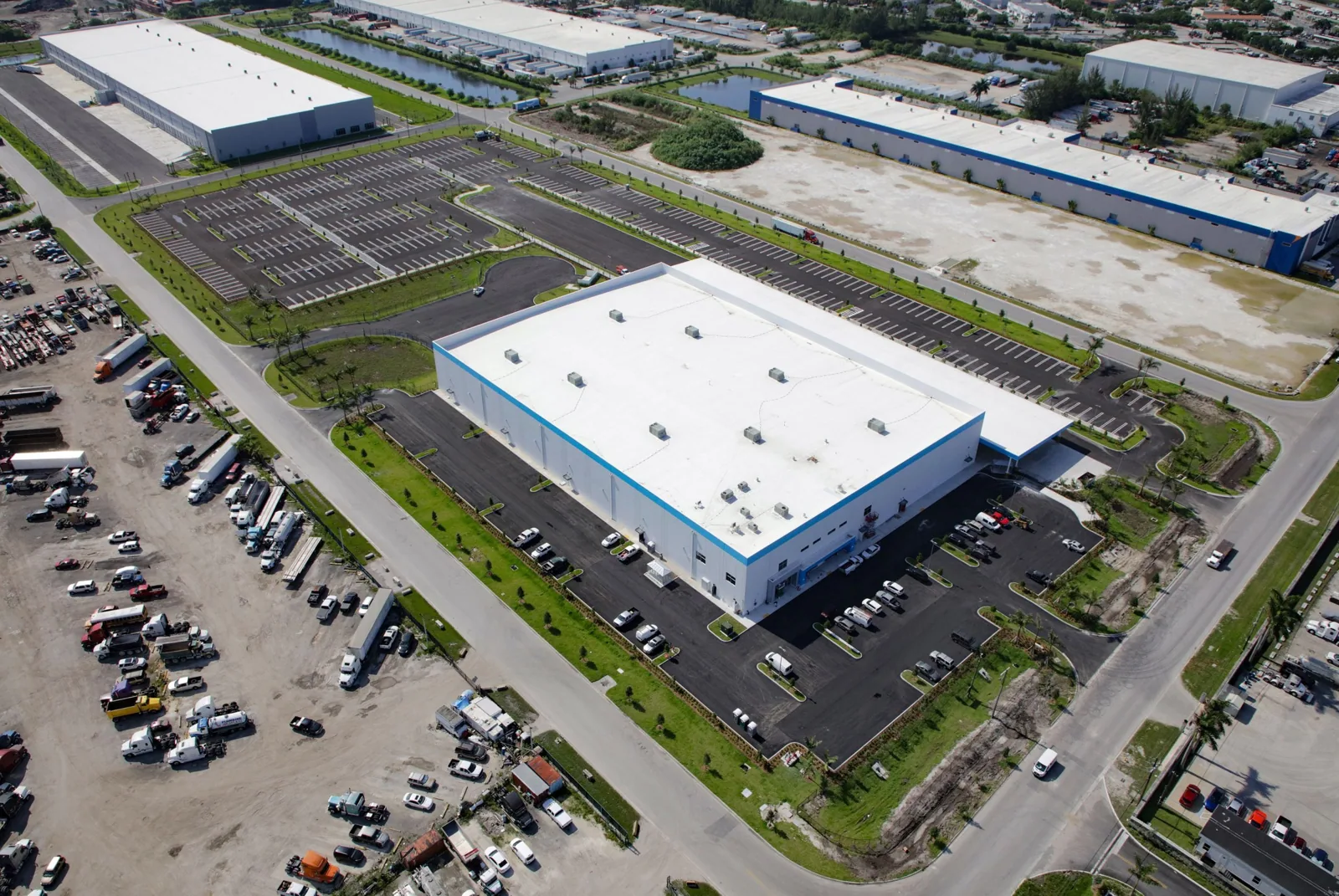
Beacon Station roof service begins with the building and section named in the work order. Medley identifies the business park among its industrial and development areas, within a town whose operations include warehouse, cold-storage and distribution activity supported by road and freight-rail links. That context makes staging and service continuity important, but does not establish the active use, roof type or condition at a specific parcel. We confirm those details at the address before setting a repair boundary.
We inspect, repair, maintain and replace commercial roofs at industrial properties in Medley. We identify visible seams and flashing, follow drainage paths, inspect penetrations and edges, and test suspect areas where moisture may be below the roof surface. For Hialeah market context, the city's wet-season normal is 48.19 inches, with the stormiest period from mid-May to early July. At Beacon Station, the field condition, roof plan and operating contact shape the work schedule. A commercial roof inspection captures that baseline.
Identify the roof before moving materials
Start with the building address, roof plan, leak history, access contact and any records for earlier repairs. On the roof, we document the membrane or metal system where markings and construction details support it. We inspect seams, patches, penetrations, curbs, drains, scuppers and perimeter terminations. Each photograph names the building and section, so a later service call can compare the same detail. If part of the roof is inaccessible, the report lists that limit rather than treating the walk as complete.
Medley's business mix includes many warehouses, cold-storage and distribution operations. For the selected Beacon Station property, confirm whether temperature-controlled space, loading activity, equipment shutdowns or tenant routes affect access. A warehouse roof survey can account for roof sections and loading conditions; a cold-storage roof assessment can record insulation, penetrations and operational constraints when that facility type is present. Those are building-specific observations, not assumptions based on the business park name.
Track water from the field to drainage
Low-slope water has to reach an outlet without backing up against seams, equipment or parapets. We check roof slope, drain bowls, scuppers, membrane terminations and signs of recurring ponding. Loose debris or a disconnected path may require a drainage correction before a leak patch will hold. Roof plans should show drains or scuppers, pressure zones and parapets. We compare the available drawing with the installed details and note where later work has changed the path.
Hialeah's wet-season rainfall pattern informs the regional schedule for dry-in and follow-up. The field survey establishes outlet condition and water flow at the Beacon Station property. If moisture testing suggests saturated insulation, we map the readings and define a test opening before pricing an overlay. The report separates visible ponding, measured moisture and suspected concealed damage. A drain and scupper service can establish whether the outlet or the membrane connection needs work.
Set access around freight operations
Medley is served by the FEC freight line and by major road connections including the Palmetto, Florida Turnpike, U.S. 27 and NW 74th Street. Those routes frame the town's industrial access. The property manager confirms Beacon Station's parcel entrance, delivery window and staging area before we plan material movement. We verify the path from the entrance to the roof, plan where materials can be placed and keep truck turning areas clear.
Emergency leak response runs around the clock, every day of the week. We can stabilize an active opening first, then complete permanent repair after the assembly, access and concealed layers are confirmed. For a longer recover or replacement, occupied-building roof sequencing can split work into sections with daily closure points and communication to facility staff. Keep each phase tied to the operating area below it, including receiving space, vehicles and any storage conditions that the contact identifies. This is how the work plan stays specific to the roof without blocking the site's day-to-day use.
Compare service life options from inspection evidence
Cost depends on roof area, membrane or metal system, seams, flashing count, attachment, wet insulation, deck repairs, drainage corrections, access, protection and disposal. A local penetration repair may be contained; widespread moisture can change the work to removal and replacement. We list the materials, section limits and assumptions in the estimate. If a test opening reveals additional damage, we photograph and measure it, then present the scope and cost basis for approval before continuing outside the original boundary.
Repair preserves serviceable surrounding material when the defect is limited. A recover may be considered when existing layers are dry, attached and compatible with the proposed assembly, with added height resolved at drains and edges. Tear-off exposes concealed deck and insulation but requires broader removal and weather protection. No option follows automatically from Beacon Station's industrial context. We inspect the building in question and connect the recommendation to observed condition, access and the owner's next capital decision.

Keep each industrial address separate
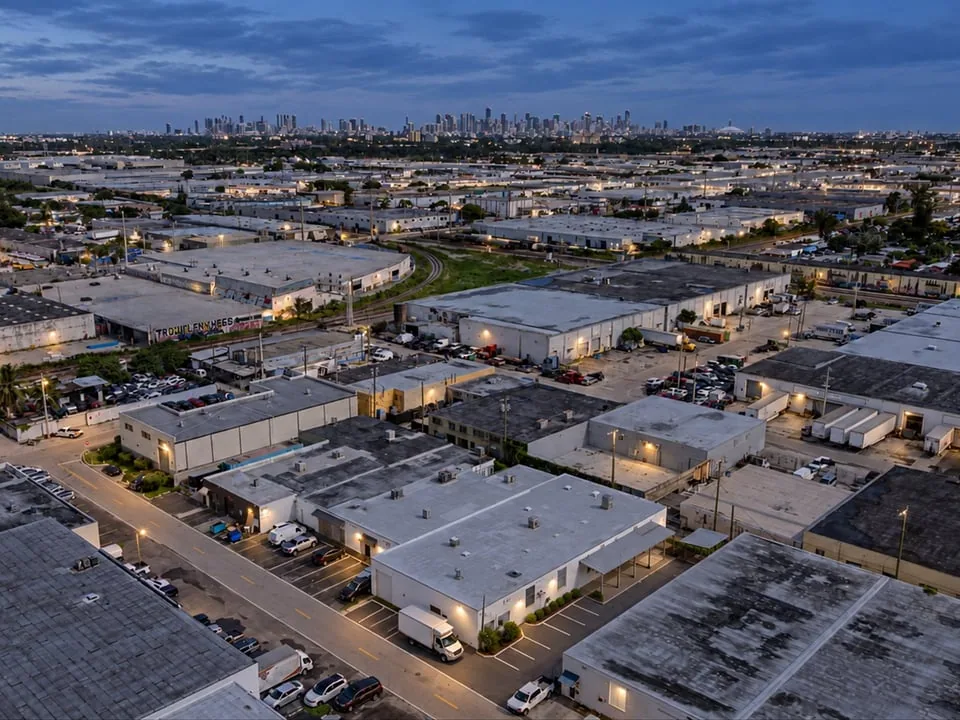
Closeout should name the property, building, roof section, system where confirmed, repair boundary, moisture results, drainage work and exclusions. Save dated photographs on a marked plan and record any detail that was inaccessible or not tested. If the portfolio includes several units, the roof record should distinguish each one. A shared business park does not mean shared roof condition, access permission or replacement schedule.
Use the same address and section labels on leak calls, invoices and future condition checks. Review repaired seams, flashings and outlets before Hialeah's stormiest wet-season stretch, then set later work from what the inspection found. A roof condition report can carry observations and unresolved approvals into the capital file. A separate Medley property should keep its own roof history, and a site along the Hialeah Gardens NW 107th corridor needs an independent access and condition record. Send the Beacon Station address, plan, leak history and contact to set the first walk.
Questions
WHAT OWNERS ASK
Does Beacon Station's name tell us which roof system is installed?
No. We identify the membrane or metal assembly from records and visible details at the specific address. Prior repairs, equipment changes or recover layers may require testing before a system can be confirmed.
Can roofing work continue around warehouse or cold-storage activity?
The property contact confirms which operations, receiving periods and access limits apply. We set staging, roof sections and daily closure around the actual building and protect any areas identified below the work.
How do you plan material delivery at Beacon Station?
Medley's road and FEC freight connections frame the industrial area. We confirm the parcel entrance, truck route, loading window and staging spot with site staff before materials arrive.
When should outlets be checked in the Hialeah market?
Hialeah's wet-season normal is 48.19 inches, and its stormiest stretch runs from mid-May through early July. For Beacon Station, inspect actual drains and scuppers before that period and after significant weather.
Related Roofing Work
Set the Beacon Station roof inspection by building
Send the Medley address, roof plan, leak history and operating contact. We will document the assembly, drainage, access path and repair boundary for the next approval.