
Commercial Roofing at Hialeah Park, Hialeah, FL
Service Areas
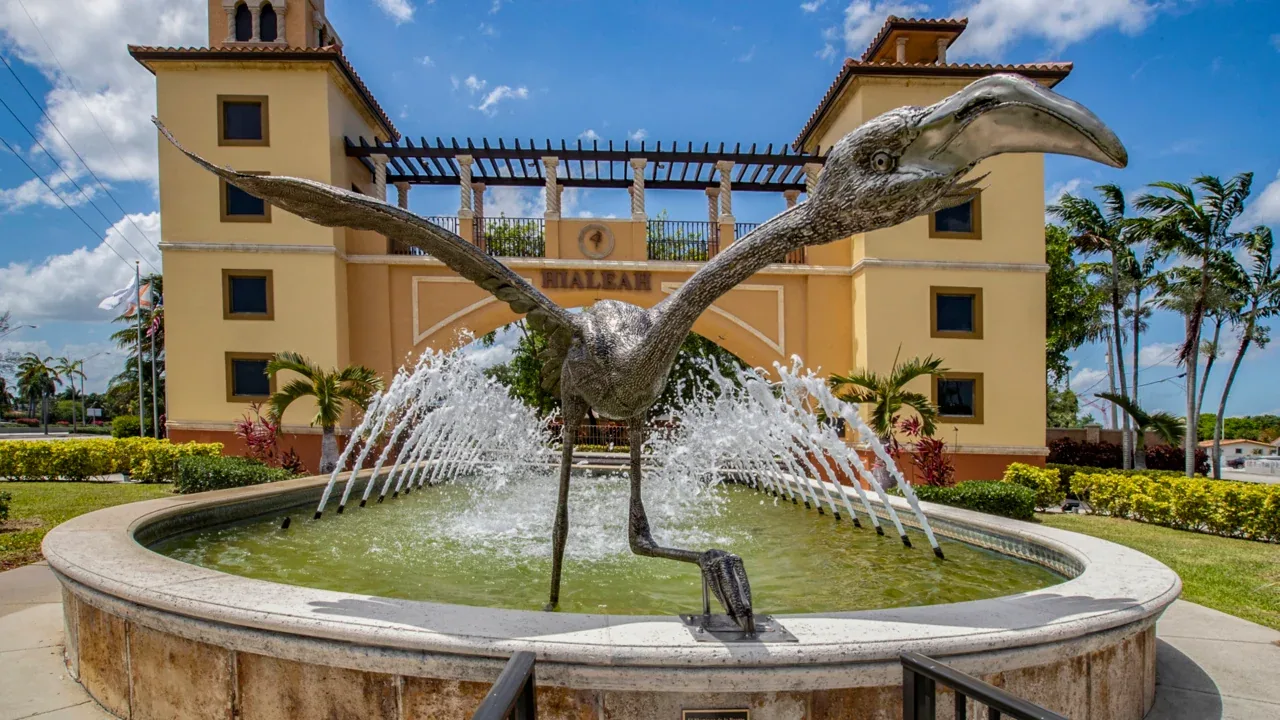
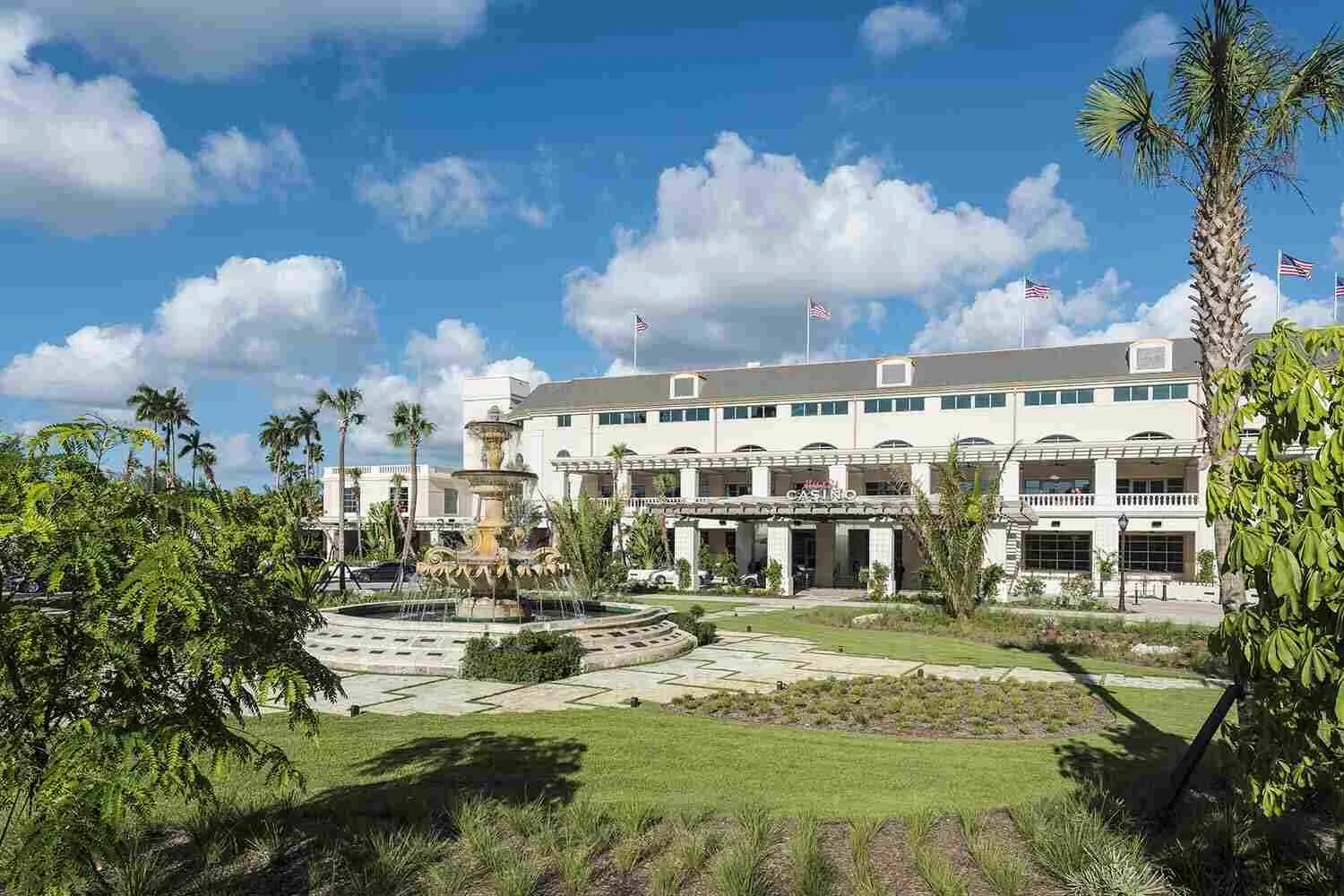
A roof project in Hialeah Park starts with the building address, access plan and roof sections that can be inspected. Hialeah Park Racetrack, a city-identified landmark, opened in 1925, and the city's commercial and cultural destinations draw visitors from across South Florida. The building contact confirms how to stage work without affecting an entrance, tenant route or operating area.
We review the building's roof plan and repair history, tag photographs to fixed references and identify any area that needs testing before a scope is set. The property manager receives a scope that separates observed work, temporary protection and any next approval, so the project can fit the actual building and schedule.
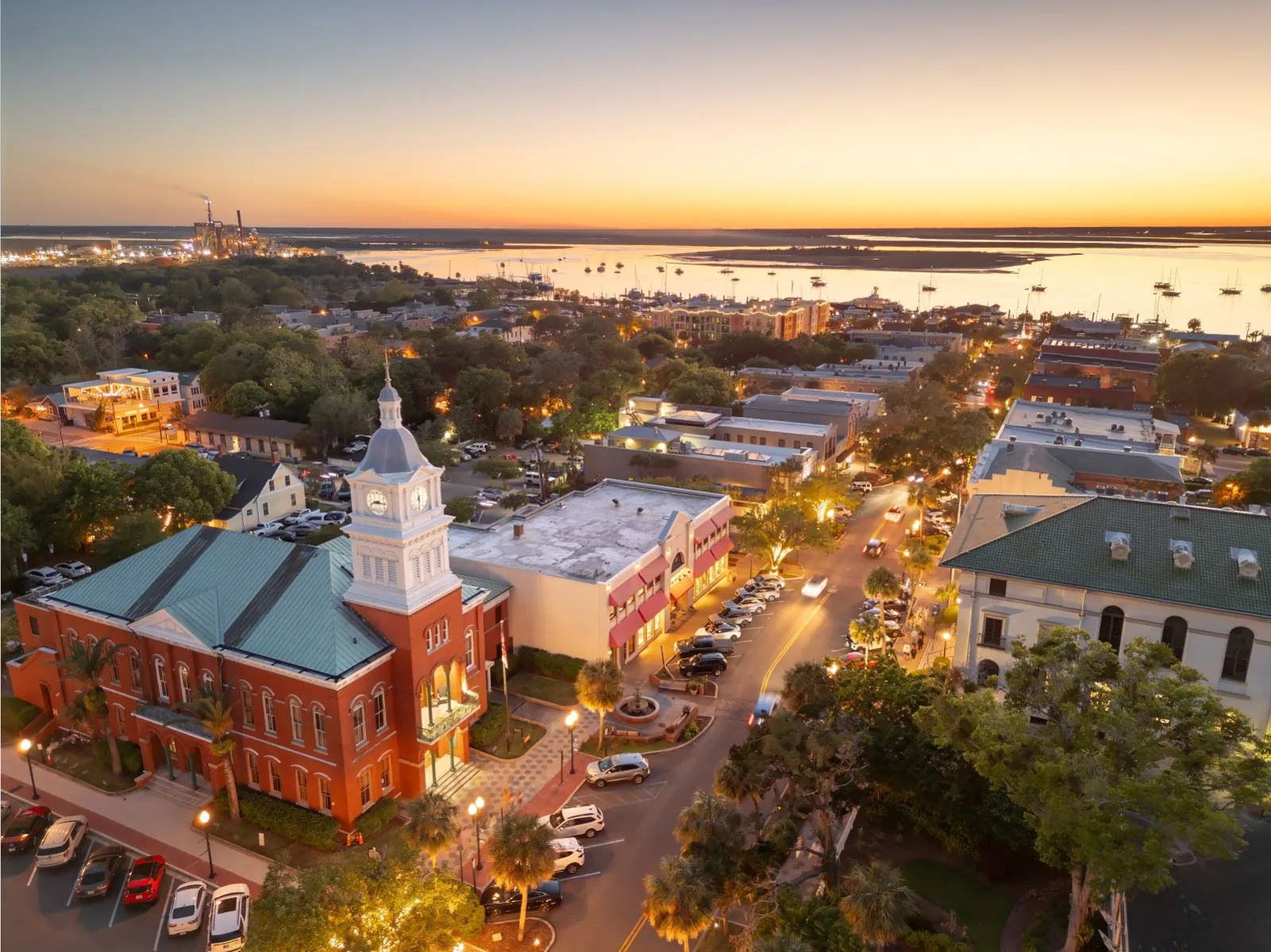
Set the work zone with the site contact
Before the roof walk, we confirm the address, owner or manager, operating contact, entrances and hours when a lift or delivery can arrive. The site representative identifies any visitor path, tenant area or event restriction that affects the work. We record the roof entry and staging route, then identify a section the crew can open and secure within the approved window. A phased roofing sequence can divide work around confirmed access limits.
The property representative supplies current event timing and access rules, which become part of the roof schedule. A commercial roof inspection begins with roof evidence, while a photo condition report gives facilities a location-based record to share with ownership and the project team.
On the roof, we map drains, scuppers, seams, flashings, penetrations, parapets and edges. Each finding gets a section reference and a wide view plus close detail. If an area is locked, unsafe or covered by equipment, we note the limitation and do not include inaccessible work as a measured repair quantity.
Separate a leak symptom from its source
A ceiling stain near a public or tenant area may sit below a roof entry point or away from it. We compare the reported room with roof details above and upslope, then inspect seams, wall transitions, curbs, skylights and drain paths. We photograph the likely route and distinguish a visible defect from a suspected condition that needs moisture readings or an approved opening.
Hialeah's wet-season rainfall normal is 48.19 inches, and South Florida's stormiest period runs from mid-May into early July. At Hialeah Park district buildings, we check the outlet map and overflow route before opening the roof. We check how the inspected area drains and whether outlets, scuppers or overflow paths are obstructed. A drainage repair addresses a measured outlet or connection problem. If the reported event leaves another defect, a separate storm inspection documents the roof condition by address and section.
When the defect is limited and surrounding material is sound, a patch or flashing repair may be enough. If water has reached insulation or deck, the removal limit can grow. We stop at the approved boundary, photograph the exposed layer and ask for direction before adding quantity. The proposal identifies disposal, interior protection, materials and any test needed to make that choice.
Protect open work during rain and wind
South Florida's tropical threat strengthens at summer's end, with the higher-risk period lasting from late August until mid-October. Miami-Dade is within Florida's High Velocity Hurricane Zone. Roof submittals mark wind-pressure areas and parapet edges along with the planned drainage points. We document existing edges and drainage before work, then coordinate review when a proposed change affects those details. The approved design and product requirements govern installation.
For July and August, South Florida heat-index values can top 100 degrees during the workday. We plan access, lifting and material handling for safe working conditions. The crew sets a daily stop point that can be made watertight, keeps water paths clear and records temporary protection left in place. Facilities knows which area is ready for use and who checks the interior if rain reaches the property.
Cost and timing reflect roof assembly, removal depth, access equipment, event or tenant restrictions, material staging, hidden damage and the weather window. The proposal lists those drivers and separates confirmed quantities from allowances. If inspection shows that a replacement scope merits comparison with repair, we use the same section limits and evidence for both options.
Group visits without merging roof records
An owner may have a property near Hialeah Park and another in West 49th Street or Palm Springs Mile. We can coordinate inspection dates after each site contact confirms access, but every address receives separate photos, findings, quantities and authorization. One building's leak or roof system does not set the repair plan at a different property.
A portfolio roof schedule can show which inspection is complete, which test needs approval and what repair remains open. The asset manager can coordinate calendar and reporting while facilities retains its address-specific roof map. That separation supports a reliable handoff when a different person approves the next phase.
Where work must continue during operations, the daily report states the area closed, any barrier or overhead protection and the planned reopen time. If access changes, we rescope staging before materials are moved. A change request identifies the work, quantity and schedule effect instead of leaving the operating contact to reconstruct what changed after the shift.

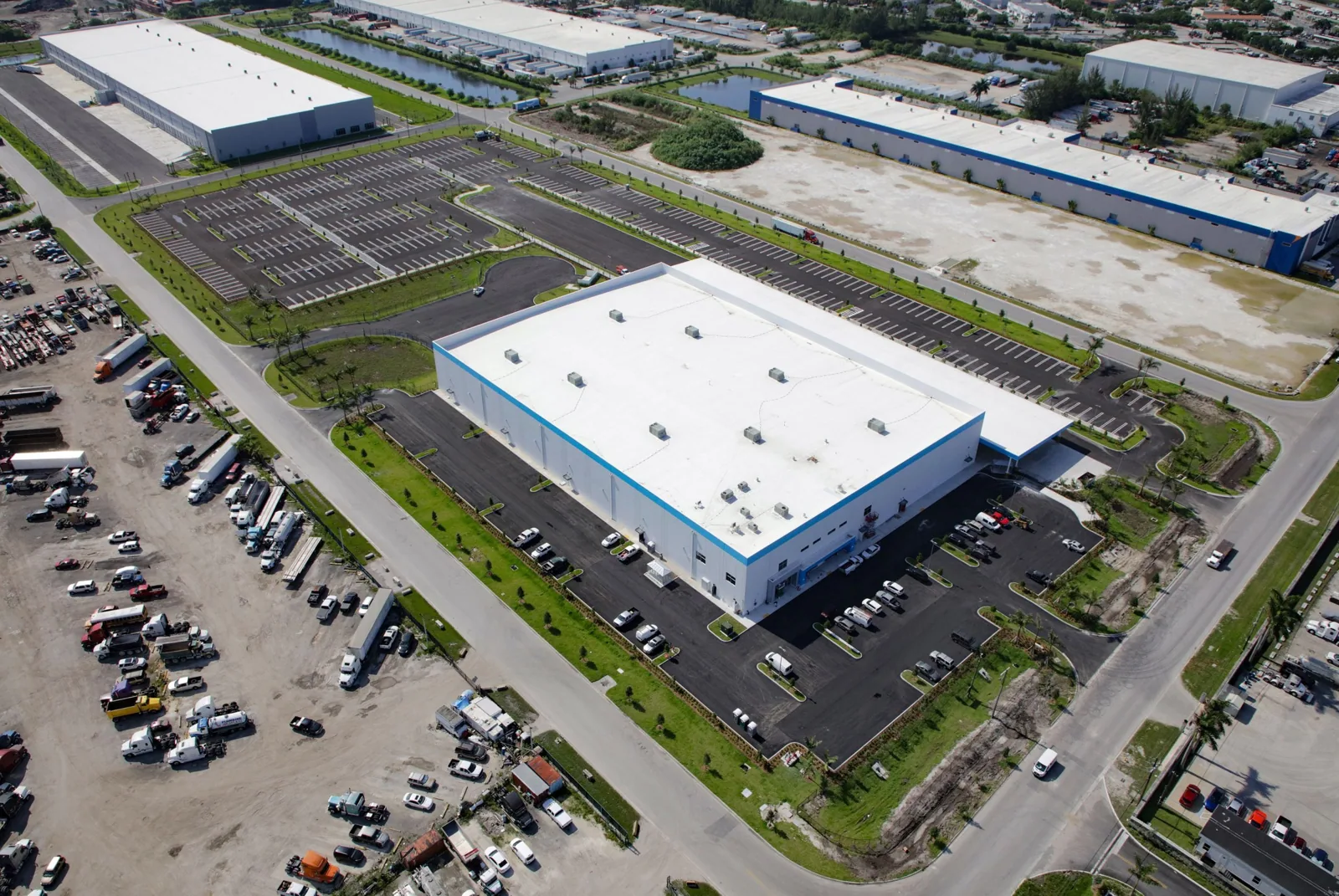
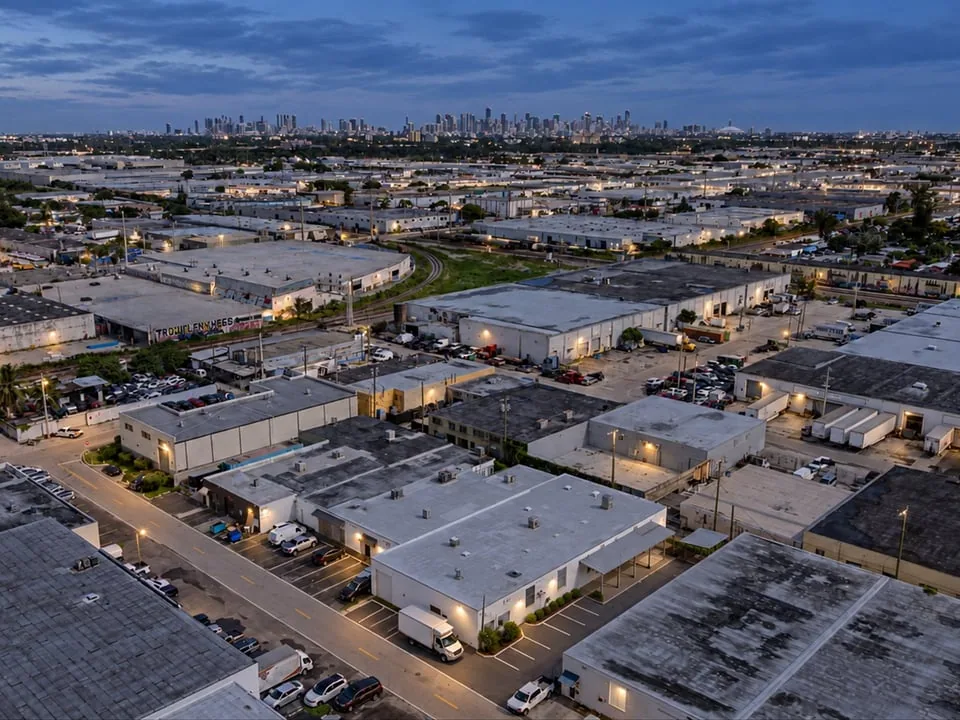
Return the findings with the building record
Closeout lists the Hialeah Park district address, sections inspected, materials installed, details repaired, tagged photos and deferred items. It notes whether temporary protection remains and who owns the follow-up. Facilities can compare a future leak or inspection with the same roof reference instead of relying on a broad district description.
Emergency roof response is available around the clock, including nights, weekends and holidays. A temporary protection visit can limit an active opening while permanent work moves through approval. We record the person who authorized the measure, the section covered and the return task. Share the roof plan, access contact, reported condition and current operating rules to set the initial inspection boundary.
Questions
WHAT OWNERS ASK
Does Hialeah Park's 1925 opening date tell you a nearby roof's age?
No. The opening date belongs to the racetrack landmark, not to another building's construction or roof history. We use the address, available records and field inspection to identify the assembly, prior repairs and conditions that need testing.
How do you keep roof work clear of visitors or tenants?
The property representative confirms entrances, operating periods, staging, roof access and any route that must remain open. We show the work zone and protection in the schedule, then update facilities before a restriction changes. The site's current rules guide the plan.
What drainage work is useful before Hialeah's stormiest period?
Ahead of the peak rains, we map each outlet, scupper and overflow route, then mark debris or failed connections by roof section. Hialeah's normal wet-season total is 48.19 inches. Every recommendation is tied to a roof-plan location.
Can work be handled after hours if a leak is active?
Yes. Emergency response is available every day, overnight and on holidays. We document the temporary measure, its approved location and the follow-up needed for permanent repair. The immediate protection remains separate from the final scope and its cost approval.
Related Roofing Work
Set a roof inspection for the Hialeah Park address
Provide the building address, roof plan, access contact and reported condition. We will document reachable sections, outline repair choices and return a scope for approval.