
Storm Damage Roof Repair for Hialeah Commercial Properties
Commercial Roofing Services
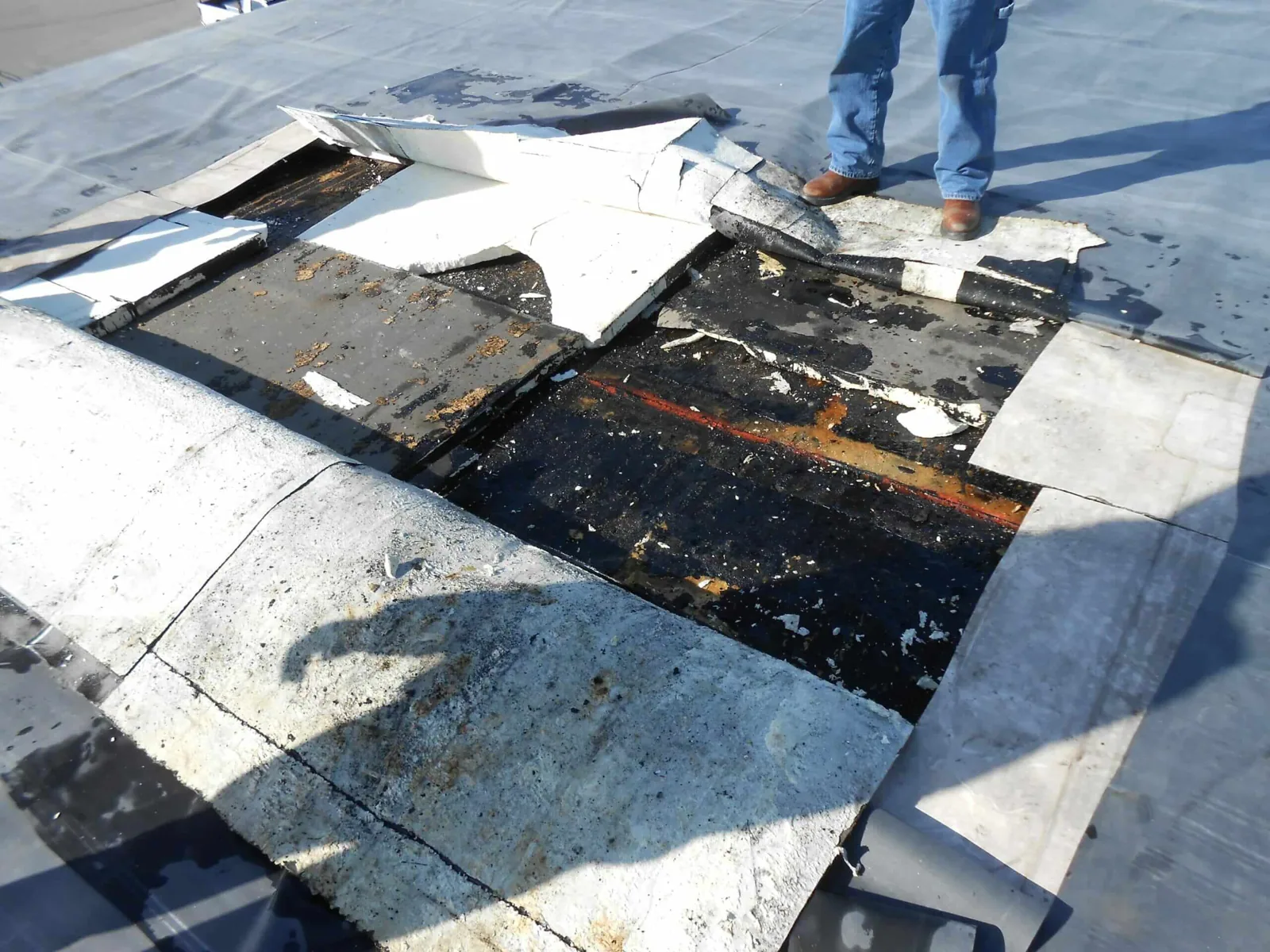
A lifted coping section after a storm changes the next decision: is the damage limited to the edge, or did the failure reach membrane, insulation or deck? We inspect the connection and surrounding roof section before expanding a repair. South Florida's stormiest wet-season stretch runs from mid-May to early July, with damaging thunderstorm winds, hail, tornadoes, lightning and flooding among the hazards. South Florida's stronger tropical threat spans late August to mid-October. For a warehouse in Hialeah Heights or a retail property near Westland Mall, the report should separate observed storm damage from older wear and untested areas.
Stabilize an active opening when access is safe, then document the condition before permanent work. Wind, hail and driven rain can affect different details, and one visible opening does not establish the condition of the full roof. The asset manager needs the repair boundary, remaining exposure and next approval tied to the property record.
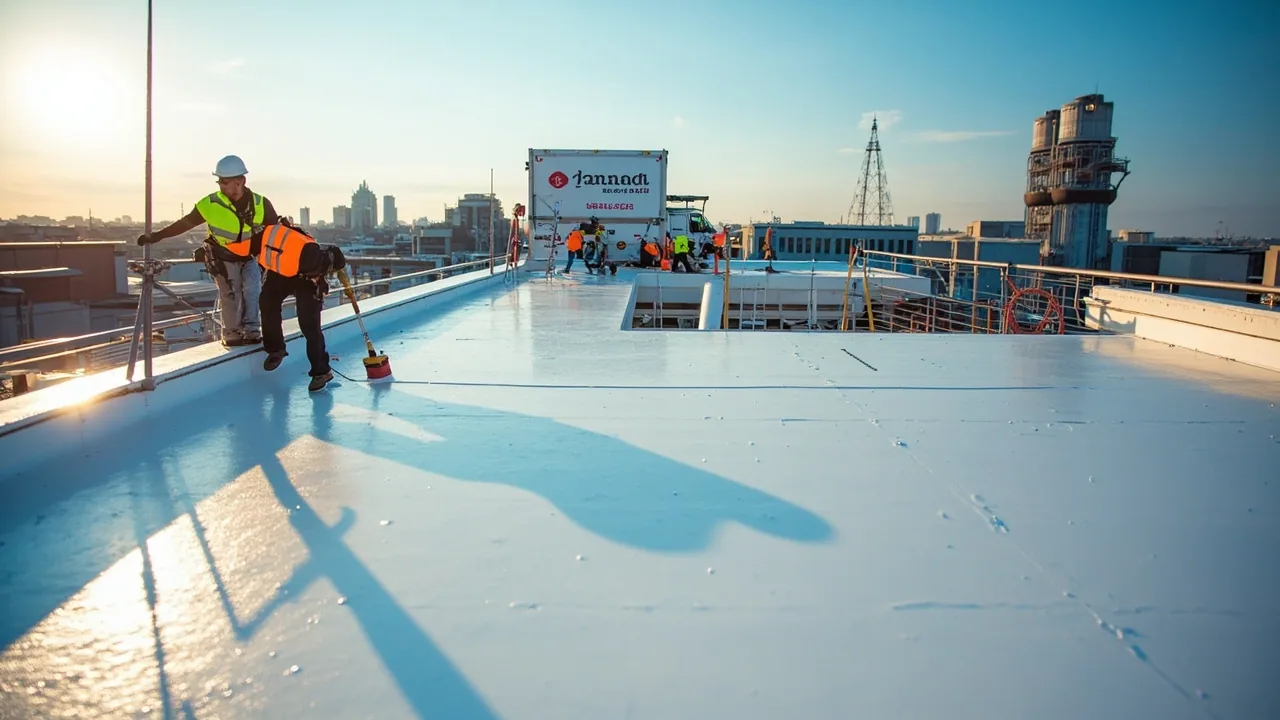
Secure the Building Before Starting Roof Work
Confirm whether water is entering, which rooms or equipment are affected and whether occupants or electrical systems are at risk. Coordinate with the facility contact, set safe roof access and check current wind, lightning, standing water and visibility. Do not send staff onto a wet or damaged roof to collect evidence. If work at height is unsafe, state that limit and protect interior areas through authorized measures while conditions change.
At arrival, identify the roof system, affected section, reported timing and any temporary cover already in place. Photograph the overall area and close details before moving material. A commercial emergency response can limit exposure during an active leak, while leak tracing can locate an entry path once safe access is available. Keep temporary stabilization distinct from permanent repair in both the scope and the work record.
Hialeah's industrial building stock includes warehouse, distribution and light-manufacturing properties. Their roof access, equipment and operations vary by address. A leak above an active production space may call for a different sequence than one over an office or a storefront on Palm Springs Mile. Confirm who can shut down equipment, protect inventory or reroute activity before work begins.
Trace Damage Across Connected Details
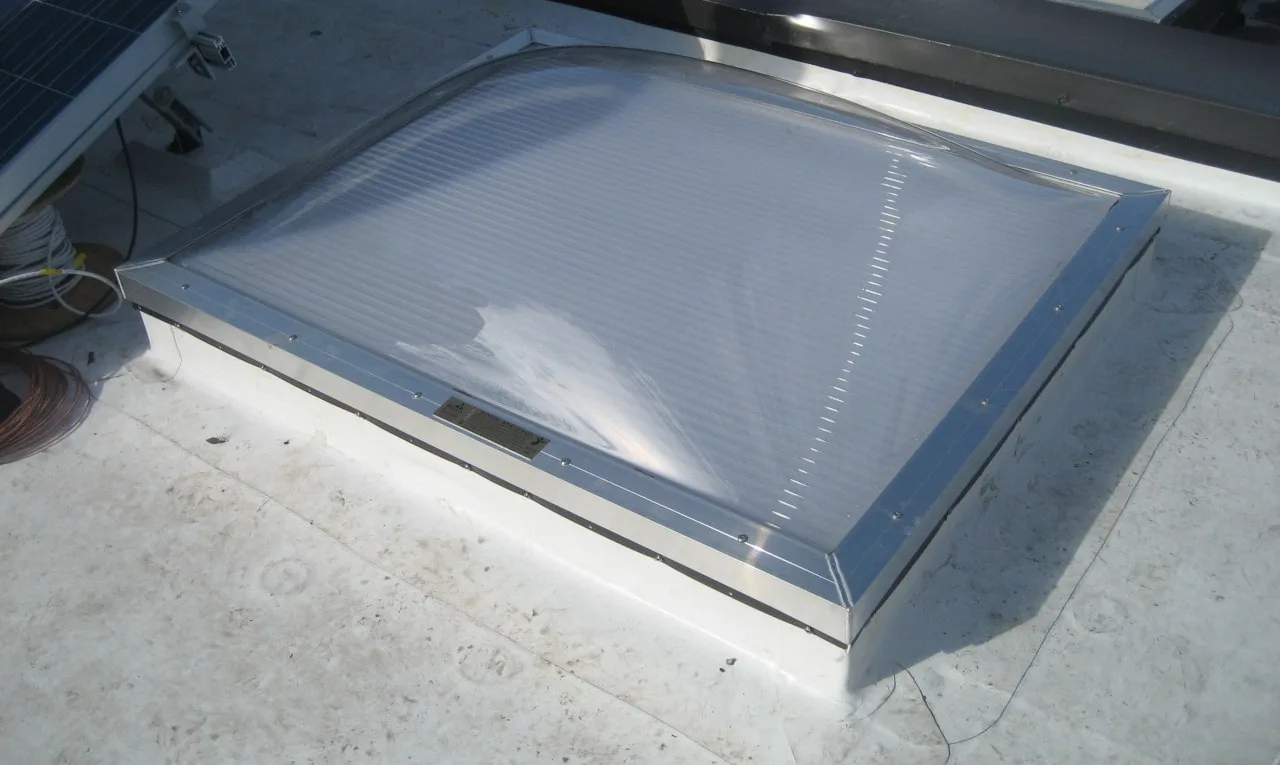
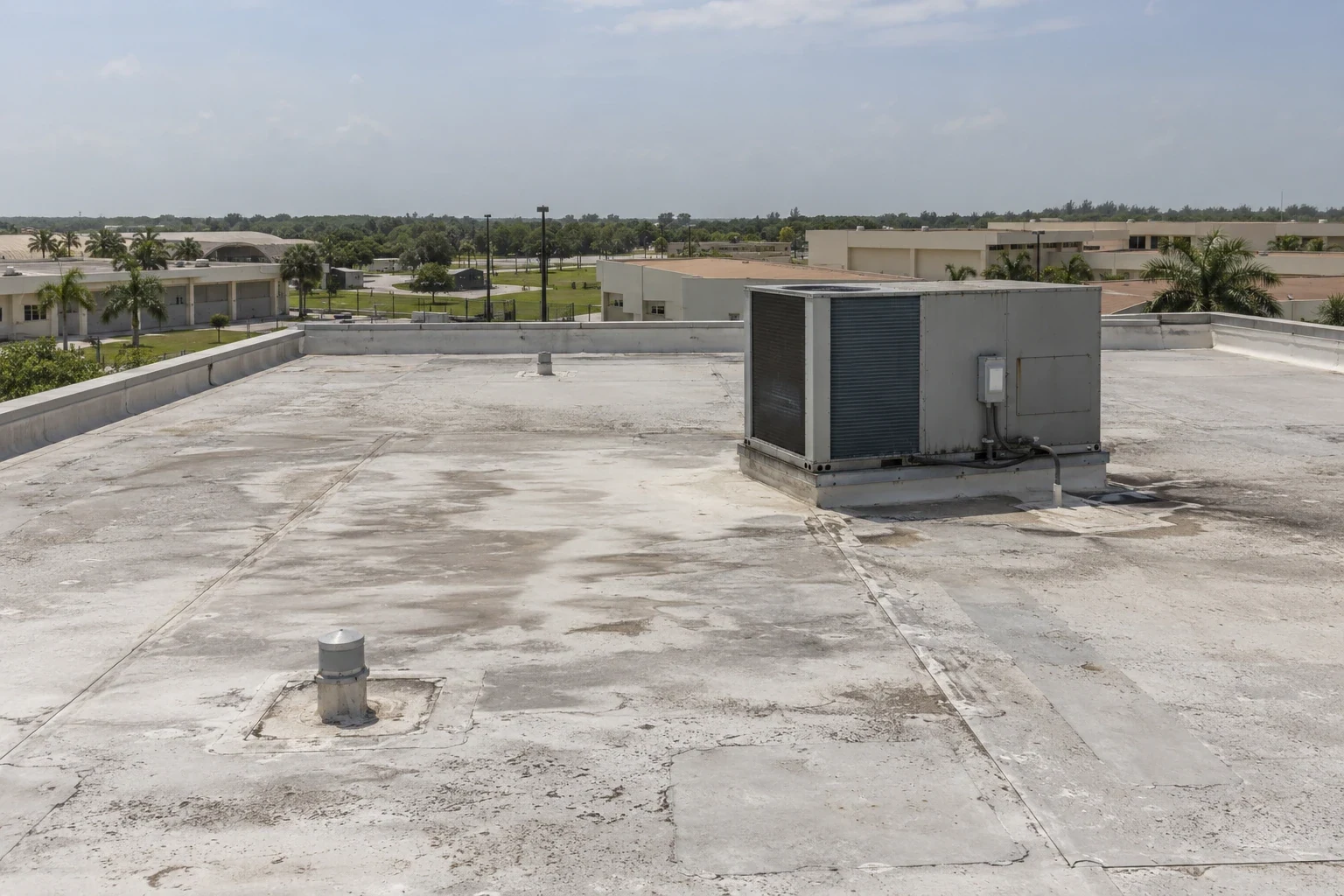
Inspect edge metal, coping, seams, penetrations, skylights, curbs, drains, rooftop equipment supports and wall transitions. Look for displaced material, punctures, open laps, bent flashing, cracked sealant, impact marks, debris damage and blocked water paths. Record the location, extent and nearby conditions. A roof surface can show scattered defects without proving how far moisture extends below it, so identify whether testing is needed before pricing removal.
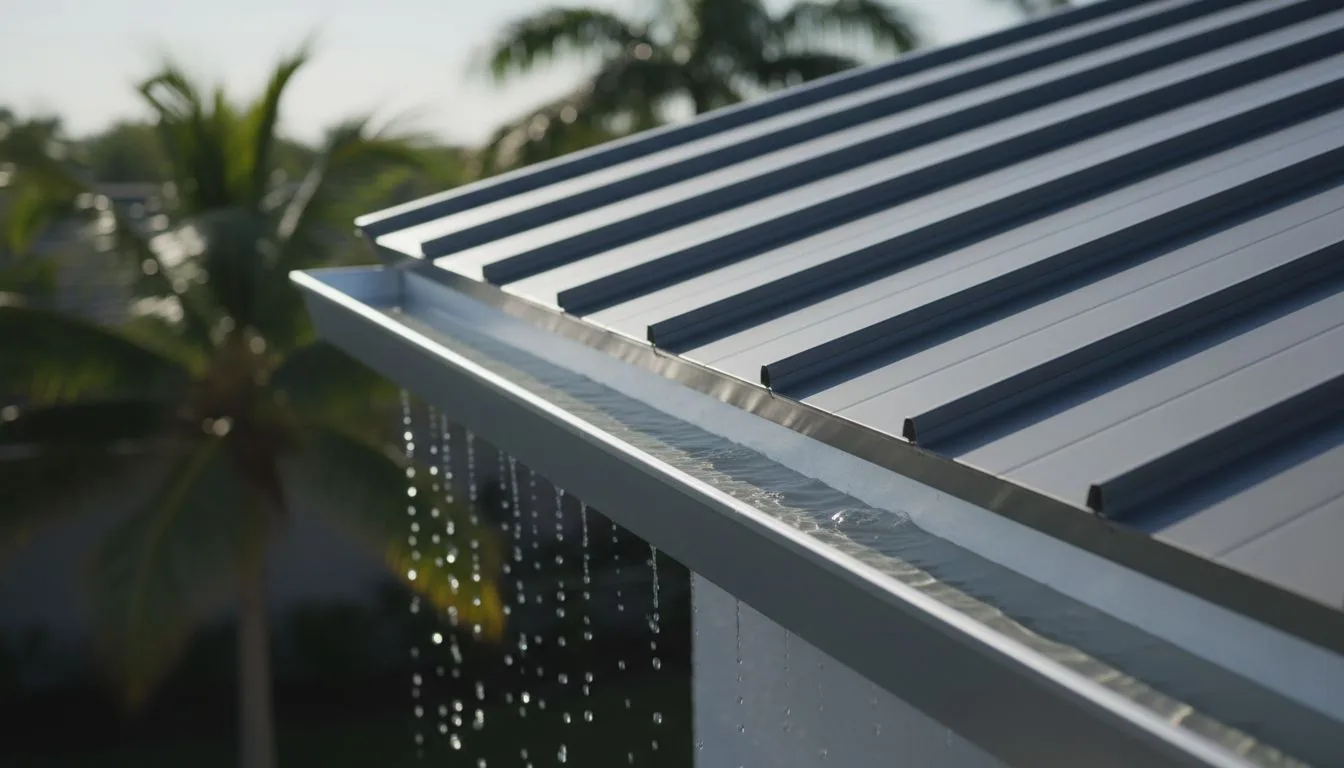
Wind can stress perimeter attachment and open seams; hail or debris impact may puncture a membrane or damage a skylight. A crease, dent or loose fastener needs context from material condition and the surrounding assembly. We label findings as observed damage, pre-existing wear or a question for further evaluation only when the evidence supports that distinction. A mapped roof inspection can provide a current baseline for repairs and later review.
During Hurricane Irma, sustained winds of 55 to 65 miles per hour were estimated in western and northern Miami metro communities, while countywide peak gusts reached 80 to 95 miles per hour. Those estimates describe regional storm conditions; we inspect the roof at the property before setting a repair scope. A wind damage assessment or hail damage review should identify the affected detail and its relationship to the installed system.
Control Water While the Permanent Scope Is Set
Temporary protection must fit the opening, substrate and weather. Secure covers against wind, keep drains and scuppers clear and avoid directing runoff into another roof area. Note what was protected and how the facility contact should monitor it. If the material is loose, the edge is unstable or lightning remains nearby, stop and wait for safe conditions rather than creating a second hazard.
In Hialeah, wet-season rainfall averages 48.19 inches; the most active thunderstorm stretch runs from mid-May into early July. A temporary patch during that period needs a defined inspection and follow-up plan. State whether it is intended to control one entry, protect a test opening or secure exposed insulation until permanent materials arrive. For a roof above an occupied retail area near West 49th Street, coordinate interior protection and public routes with the site manager.
Photograph temporary materials, their attachment and the roof conditions around them. The record should show what remains open or uncertain and who approves the permanent repair. If water has traveled beyond the visible opening, identify the test or selective removal needed to establish the affected extent. The moisture survey can help evaluate suspect areas when roof construction and surface conditions support infrared work.
Define Permanent Work From the Observed Boundary
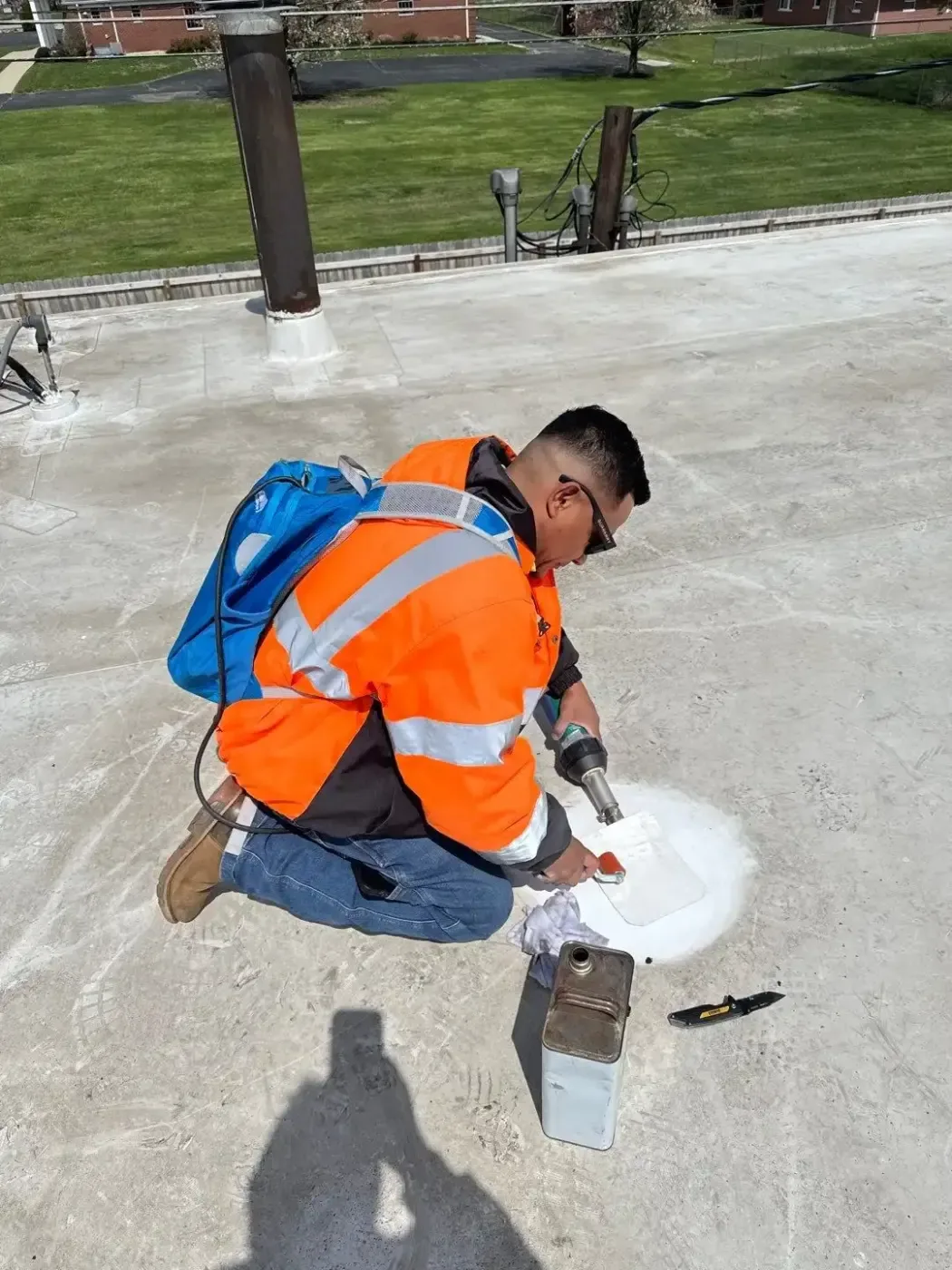
A repair proposal should identify the storm-related detail, preparation, materials, tie-in and testing. If damage reaches the deck or wet insulation, show the removal limit and how new materials connect to sound layers. Drainage and perimeter work may belong in the same scope if those components were damaged. A commercial roof repair plan must distinguish confirmed quantities from conditions that can only be seen after removal.
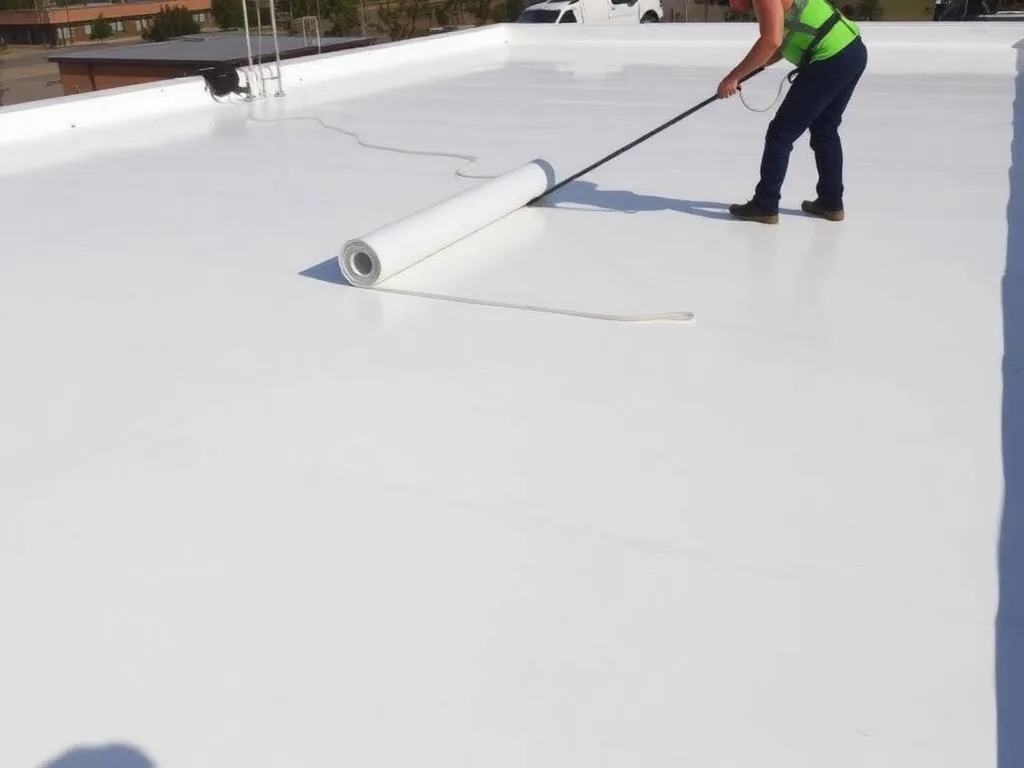
Replacement may be a better comparison when storm damage crosses several roof sections, attachment is broadly compromised or moisture is widespread. A replacement assessment should include tear-off, insulation, edge securement, drains, rooftop transitions and daily dry-in. A coating or recover should be considered only after the existing assembly, moisture, deck capacity and substrate have been reviewed. Do not let temporary protection become a reason to skip that evaluation.
Cost and timing depend on roof area, detail count, safe access, testing, material availability, tenant coordination and weather. Emergency work can stabilize an opening, but it may not include full moisture mapping, destructive testing or interior restoration. We list each included task and the next approval so the property owner can distinguish immediate stabilization from the final repair scope.
Preserve the Storm Record for the Next Review
Keep a dated record of the reported event, access limits, photographs, observed damage, temporary protection, test results and permanent work. Separate direct observations from conclusions that remain unconfirmed. Note the roof section and interior area affected, but link them only where the investigation supports a connection. If a portion was not safe to inspect, record what access or equipment is needed for a return visit.
At closeout, identify any monitoring duty, open test or repair excluded from the authorization. For a Hialeah address near Palm Springs Mile, Palmetto General Hospital or Hialeah Heights, give us the exact property location, roof history and approval contact. We will keep the assessment attached to the building record and state which condition needs the next decision.
Questions
WHAT OWNERS ASK
What should we do if the roof is still leaking after a storm?
Protect people and contents from a safe location, report active water entry and arrange controlled roof access. We assess conditions before going onto a damaged or wet surface, stabilize an opening when safe and document what remains for permanent repair.
Can you tell whether damage came from wind, hail or age?
The inspection can document impact, displacement, corrosion, prior patches and surrounding material condition. Attribution depends on the evidence and event record; we separate observed damage from wear or an unresolved cause rather than assigning a storm label without support.
Does a temporary patch finish the storm repair?
Temporary protection controls exposure while the permanent boundary is evaluated. We record its limits, monitoring needs and any testing or material work still required, then present the next authorization separately.
How do you check for moisture beyond the visible leak?
We map the roof section, inspect seams and nearby details, then select moisture testing or a controlled opening if surface evidence is not enough. The report identifies test locations and any area that remains unconfirmed.
What will a storm-damage report give the asset manager?
It records the property, affected roof sections, dated photographs, temporary work, confirmed repair items and unresolved questions. Quantities and next approvals are tied to the observed boundary so the owner can review permanent options.
Related Roofing Work
Document Storm Damage at the Hialeah Property
Send the address, event date, reported leak locations, roof history and approval contact. We will assess safe access, record observed conditions and define the next repair decision.