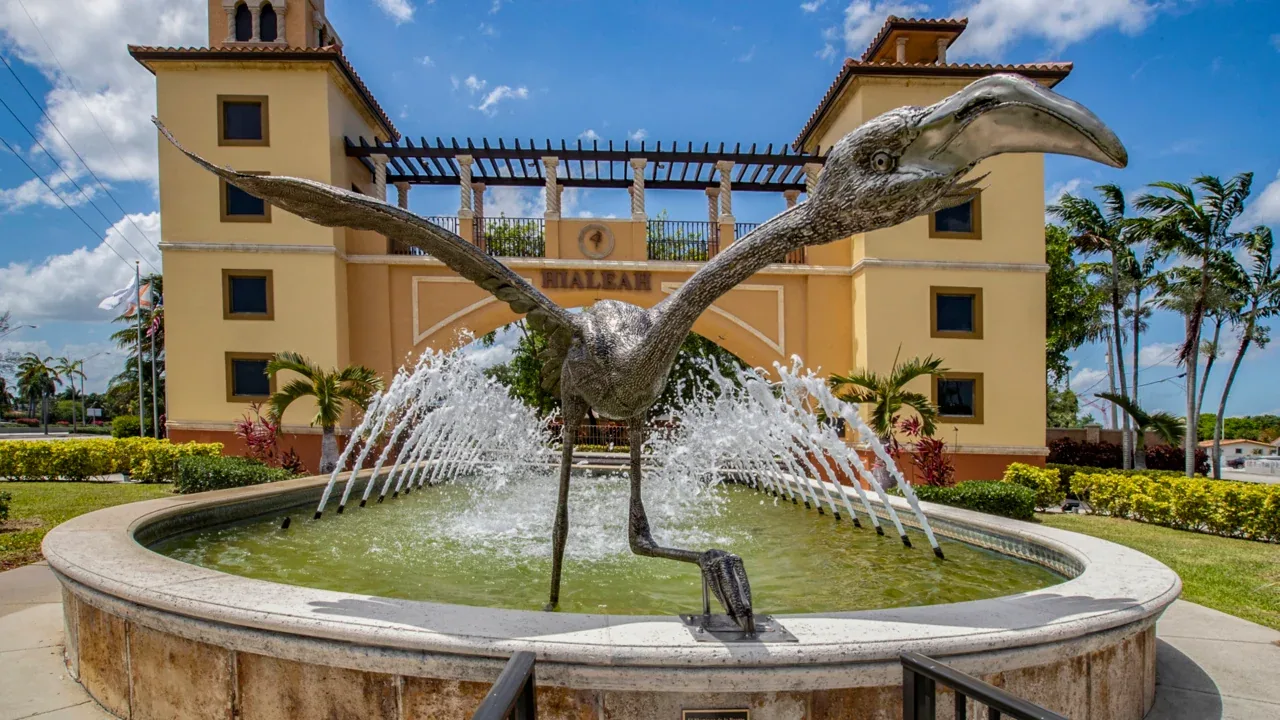

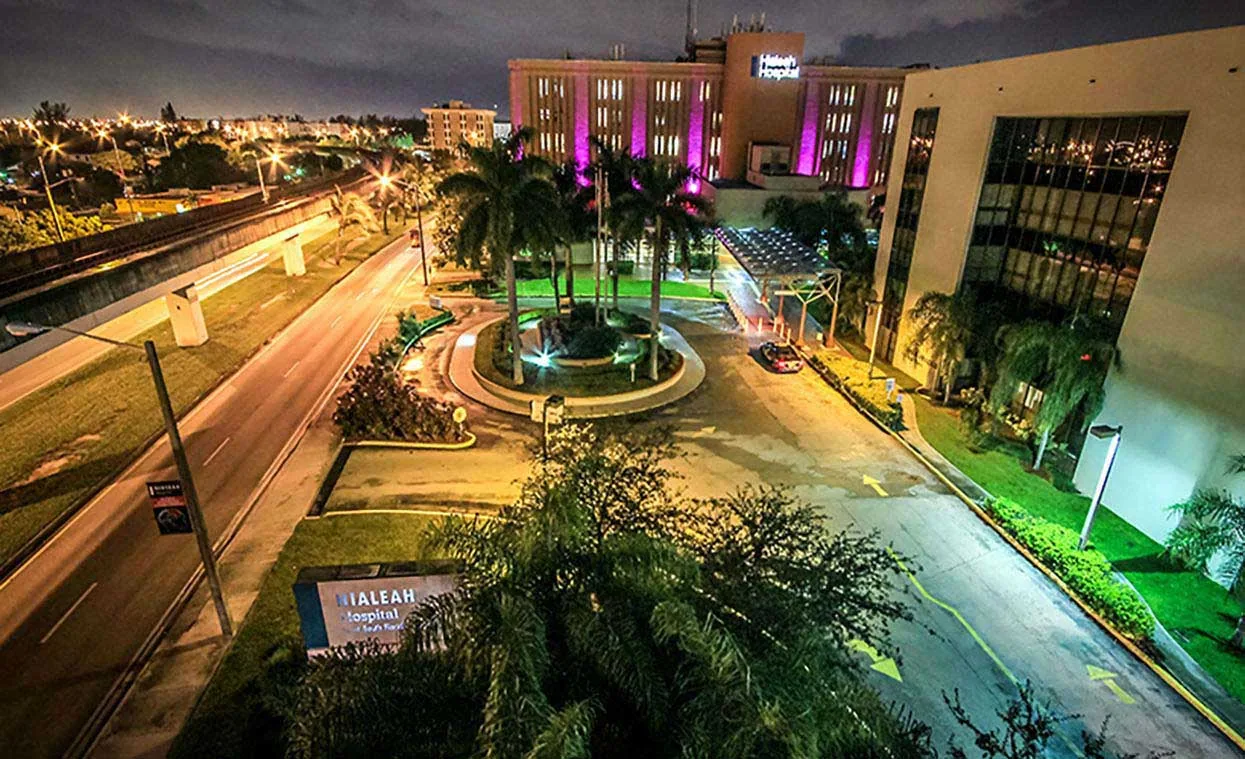
Commercial Roofing at Hialeah Hospital, Hialeah, FL
Service Areas
We first identify which hospital building is affected, what occupied areas sit below the leak, and when the roof can be safely inspected. Hialeah Hospital is at 651 East 25th Street and lists emergency, cardiac, stroke, surgical and imaging services. It is a separate healthcare campus from Palmetto General on Hialeah's east side. Those operations make an access plan part of leak response, while the roof itself still needs to be inspected before the repair area is set.
Commercial Roofing Hialeah inspects, repairs and replaces commercial roofing around occupied medical buildings. We map the roof section, trace water paths and check membrane seams, flashing, drains, equipment curbs and visible patches. The Hialeah wet-season benchmark is 48.19 inches of rain, with the heaviest storm frequency usually arriving between mid-May and early July. We use that citywide condition to plan outlet checks and secure daily closure, while the roof survey records the assembly installed at this campus. A hospital roof assessment starts with the facility's actual plans and field condition.

Follow the water before naming the repair
A stain below a ceiling grid can be several feet from a roof opening. We compare the reported room with the roof area overhead, inspect adjoining laps and transitions, and look at curbs, penetrations, walls and drains along the likely water route. If prior repairs cover the area, we check their edges and the surrounding field rather than assume the patch solved the leak. The inspection note identifies what was viewed, what was tested and which roof sections remain out of reach.
Imaging, emergency and surgical areas may have different access limits from administrative or support spaces. The site contact confirms restricted routes, sensitive equipment, ceiling protection and any period when vibration or noise needs coordination. We plan test openings only after access and restoration are agreed. When damp insulation is suspected, an infrared moisture survey can help identify sections for closer testing. A healthcare roof program keeps each medical property, access plan and next approval in its own portfolio record.
Check outlets and parapet transitions
Blocked drains, loose scuppers and failed flashing can keep water at the same roof detail through repeated storms. We inspect the path from the field to each outlet, check the connection at the membrane, and note whether debris or a damaged fitting limits flow. Wall transitions, parapets, equipment curbs and edge metal are checked for movement or gaps. For replacement design, we compare the building survey with Miami-Dade’s required roof drainage, pressure-zone and parapet information.
Hialeah's 48.19-inch wet-season normal and mid-May through early July stormiest period are useful scheduling context for properties in the city. A leak repair still depends on its measured area, the roof system and moisture below it. If water has reached cover board or insulation, closing the surface may leave the cause in place. We record confirmed wet areas separately from suspected ones, then price the next test or removal needed. A roof drain and scupper service can address the outlet path alongside a membrane repair.
Keep care areas protected during roof work
Before work begins, confirm roof access, material staging, interior protection, shutdown needs and the contact who can authorize concealed-condition changes. Set a limited work zone with a closure point that can be secured each shift. Photograph layers as they are opened, record moisture or deck damage and pause for approval if the repair boundary must grow. New sheet, flashing and edge details should tie into sound material and preserve a clear route to the drains.
Our emergency crew can respond at any hour, including weekends and holidays. We can stabilize active water first, then return to the permanent scope after inspection, testing and access coordination. For an occupied facility, occupied-building reroofing can stage sections and define protected routes before tear-off begins. Palmetto General Hospital on West 68th Street has its own building contact and operating plan. We document that campus through its Palmetto General district record, with findings tied to that address.
Separate emergency stabilization from capital work
Cost depends on the roof area, membrane or metal type, number of curbs and penetrations, drain work, access, interior protection, insulation moisture, deck repairs and removal depth. An emergency cover controls a leak temporarily; it is not the same scope as a permanent membrane repair or replacement. We list temporary work separately from the durable repair, document quantities and state which concealed conditions remain unpriced until opened.
A recover may be suitable if existing layers are dry and stable, attachment is sound and added height can be resolved at drains, equipment and wall transitions. Tear-off can be necessary where moisture or failure extends beyond an isolated defect. The inspection report should give the asset manager a condition, immediate action and next approval for each roof section. The hospital's listed services inform access planning. We use the roof survey and available records to estimate work for this address.
Tie every finding to its campus and section
Closeout records should state the building and roof section, system where identifiable, leak location, work completed, drainage observations, moisture testing and excluded areas. Date each photograph and mark its location on the roof plan. Keep access approvals and any changes to work limits with the repair record. If the crew could not inspect a locked or restricted area, list it for follow-up rather than implying that the whole roof was cleared.
For Hialeah Hospital, keep the East 25th Street address, facility contact and roof plan with the same record. Before Hialeah's wettest period, revisit outlets, flashings, seams and temporary patches according to the observed roof condition. A condition report can preserve inspection photos and unresolved items for the next budget decision. Owners with separate facilities near Hialeah Heights should retain a distinct property plan and access notes for that asset. Send the address, leak history, roof drawings and approval contact to schedule a documented inspection.
Questions
WHAT OWNERS ASK
Can roof repairs be scheduled around Hialeah Hospital operations?
The facility contact confirms roof access, restricted areas, patient routes and any period that must avoid sensitive operations. We can stabilize an active leak promptly, then sequence permanent work by approved roof section.
Does a leak above imaging or surgery require a full replacement?
The room below raises the need for a careful response, but it does not set the roof scope. We inspect seams, curbs, drains and moisture extent, then compare a local repair with broader work using field evidence.
How do you keep the Hialeah and Palmetto hospital records separate?
Each campus receives its own address, roof plan, contact, findings and approval history. Hialeah Hospital is on East 25th Street; Palmetto General is a separate facility on West 68th Street.
What drainage check matters before Hialeah's wet season?
Inspect roof drains and scuppers, confirm the membrane connection and note any standing water or restricted flow. A normal Hialeah wet season brings 48.19 inches overall; its most demanding drainage period starts in mid-May.
Related Roofing Work
Set the Hialeah Hospital roof boundary before repairs begin
Send the East 25th Street address, roof plan, leak history and facility contact. We will document the affected section, access limits, drainage and next repair decision.