
Acrylic Roof Coatings in Hialeah, FL
Roof Systems
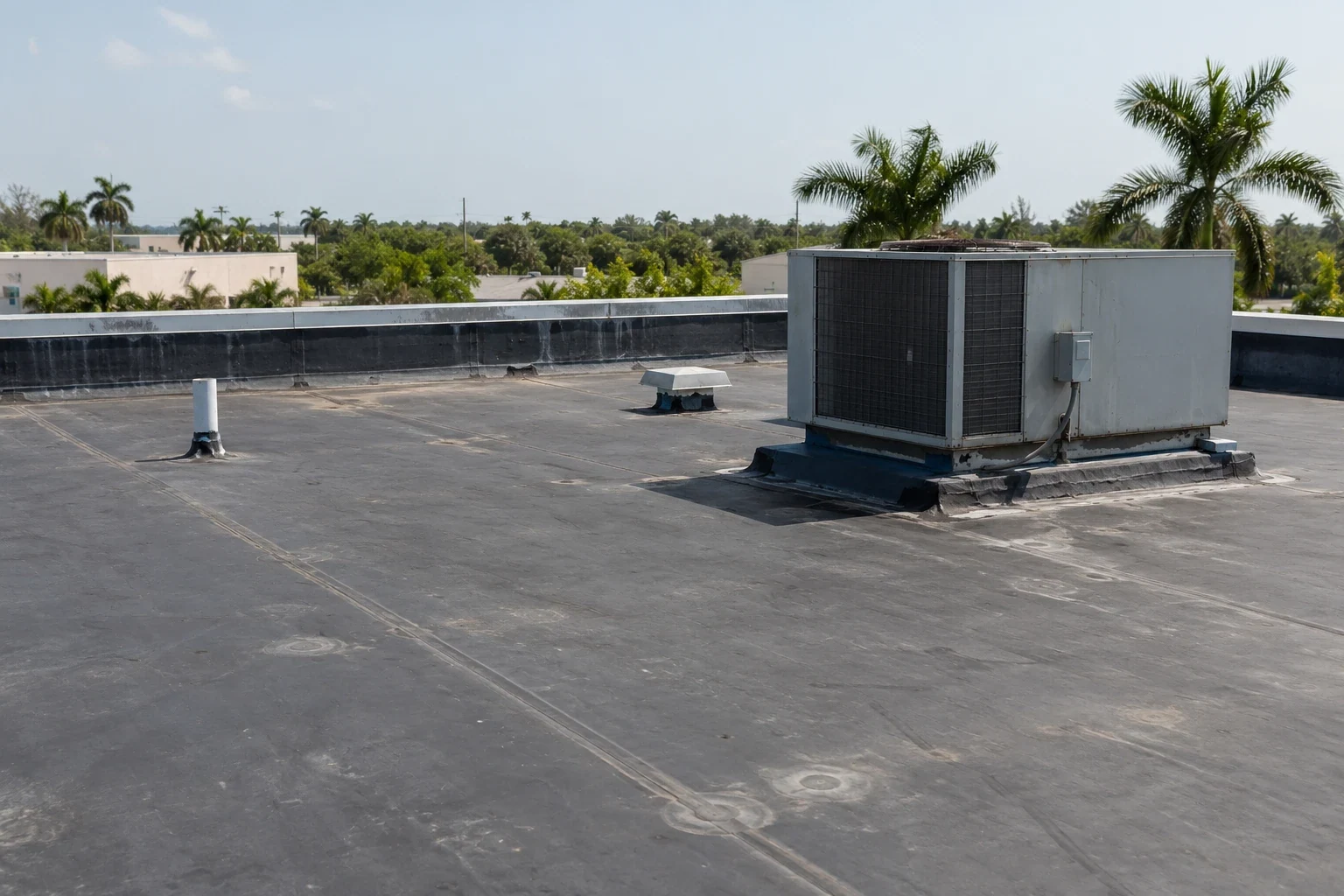
Acrylic coating can restore a roof only when the existing surface is sound, compatible and able to drain. We inspect adhesion, seams, wet insulation, low points and perimeter details before putting a coating in the proposal. Hialeah's wet season brings a 48.19-inch rainfall normal, with the stormiest period from mid-May through early July. We inspect each roof's drainage, equipment curbs and service paths before coating. The condition of the base decides whether coating belongs in the options.
Confirm the surface can hold a coating
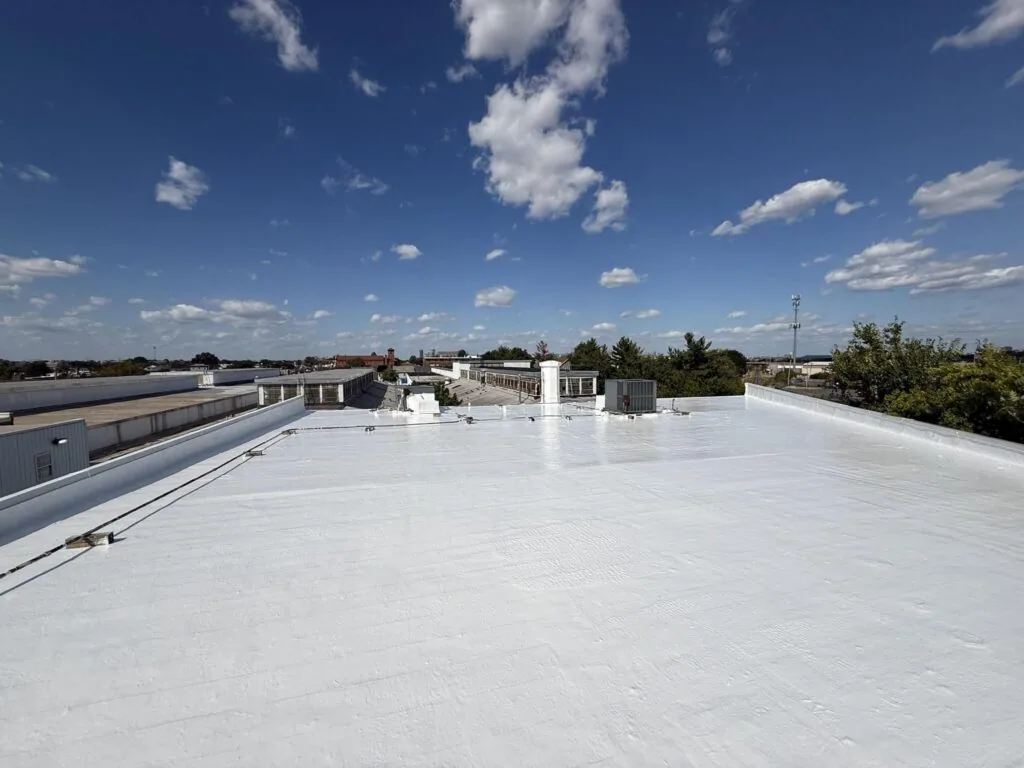
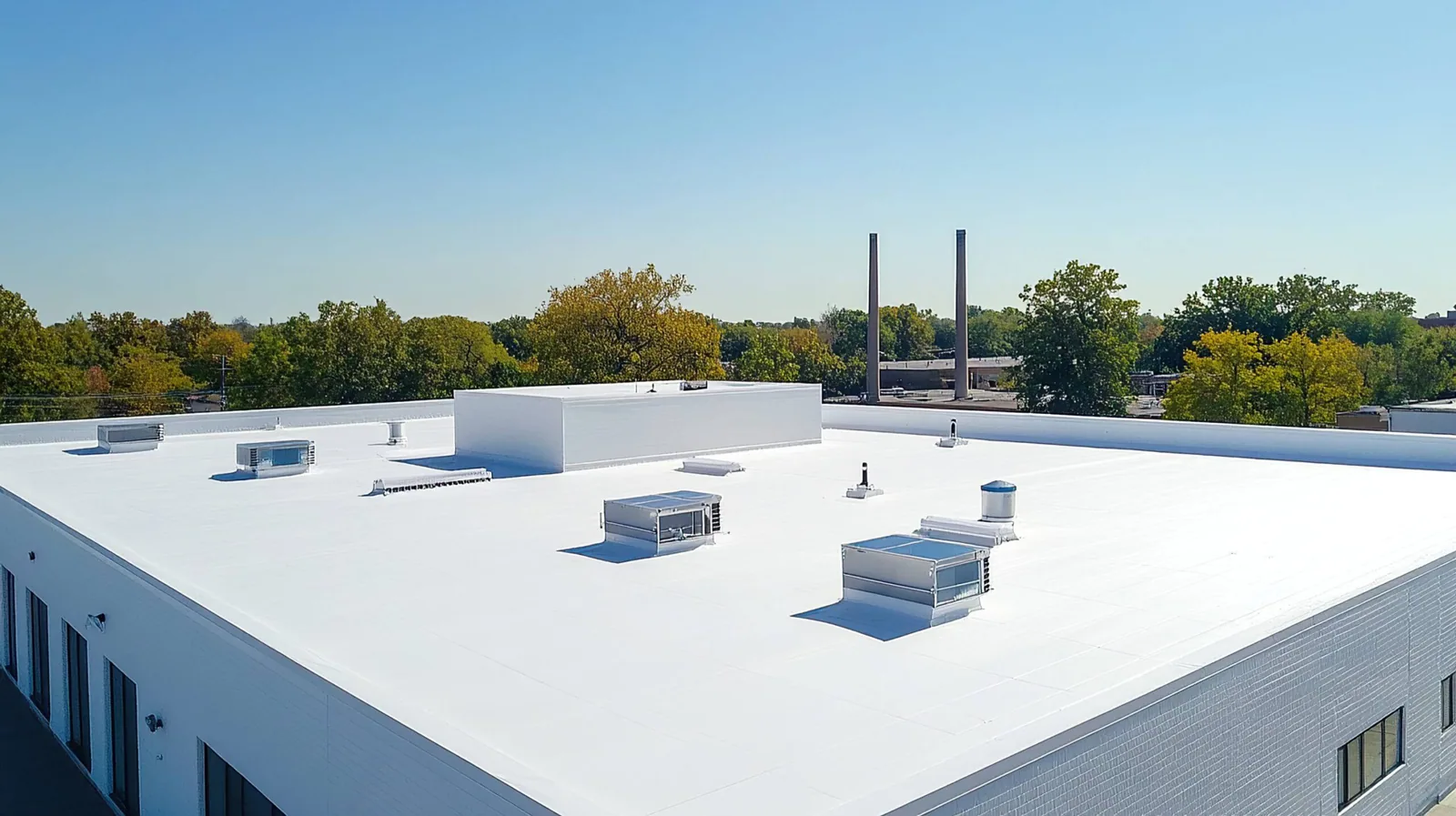
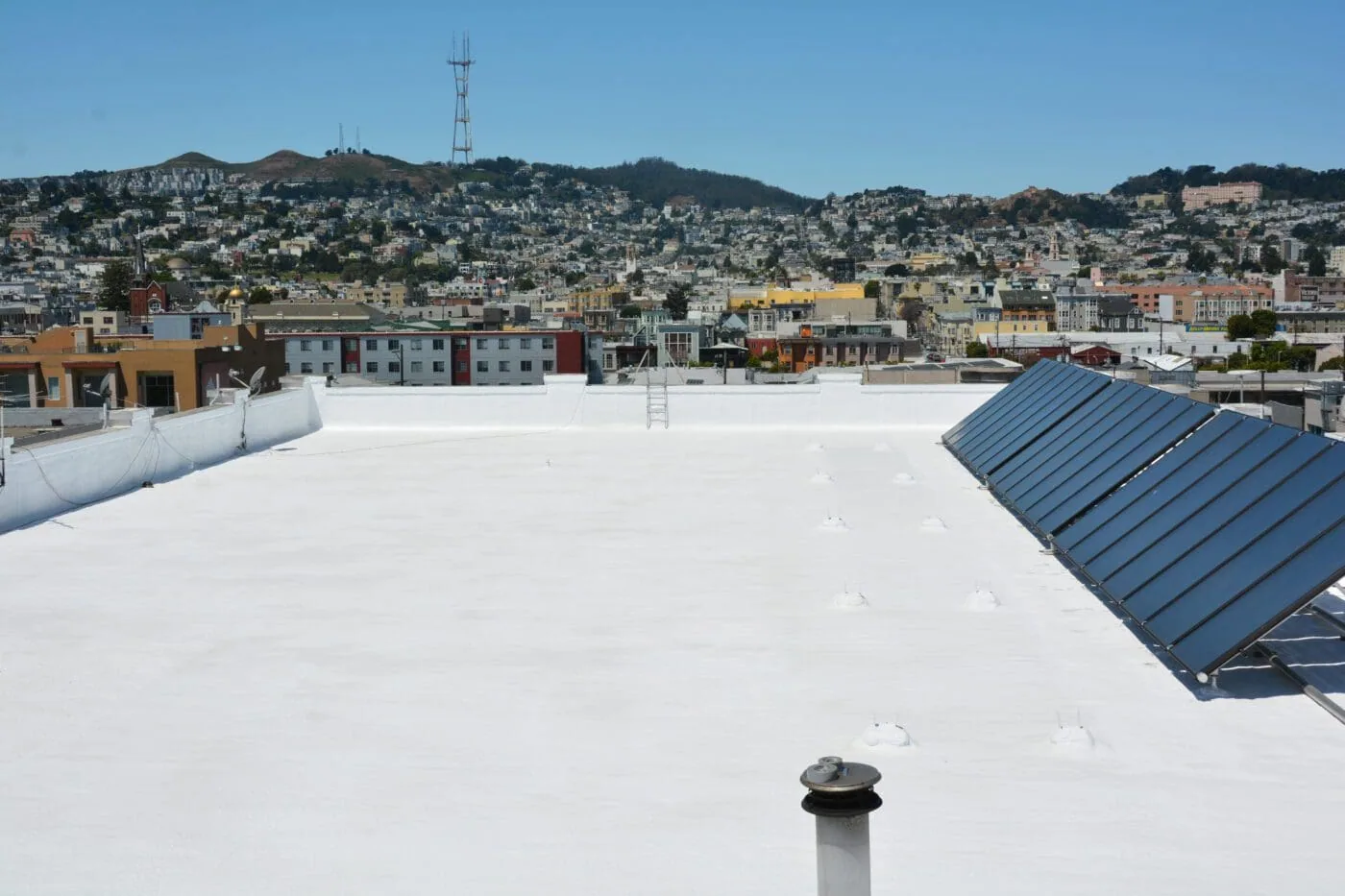
Acrylic roof coatings are water-based liquid-applied materials that cure into a protective film. They are commonly used on suitable sloped roofs and can reflect sunlight, but they are not a universal answer for persistent ponding. We examine the existing membrane or metal surface, adhesion, corrosion, old coatings, patch edges and flashing. A test area can show whether the proposed product bonds to the substrate, while moisture checks determine whether the assembly is dry enough to retain.
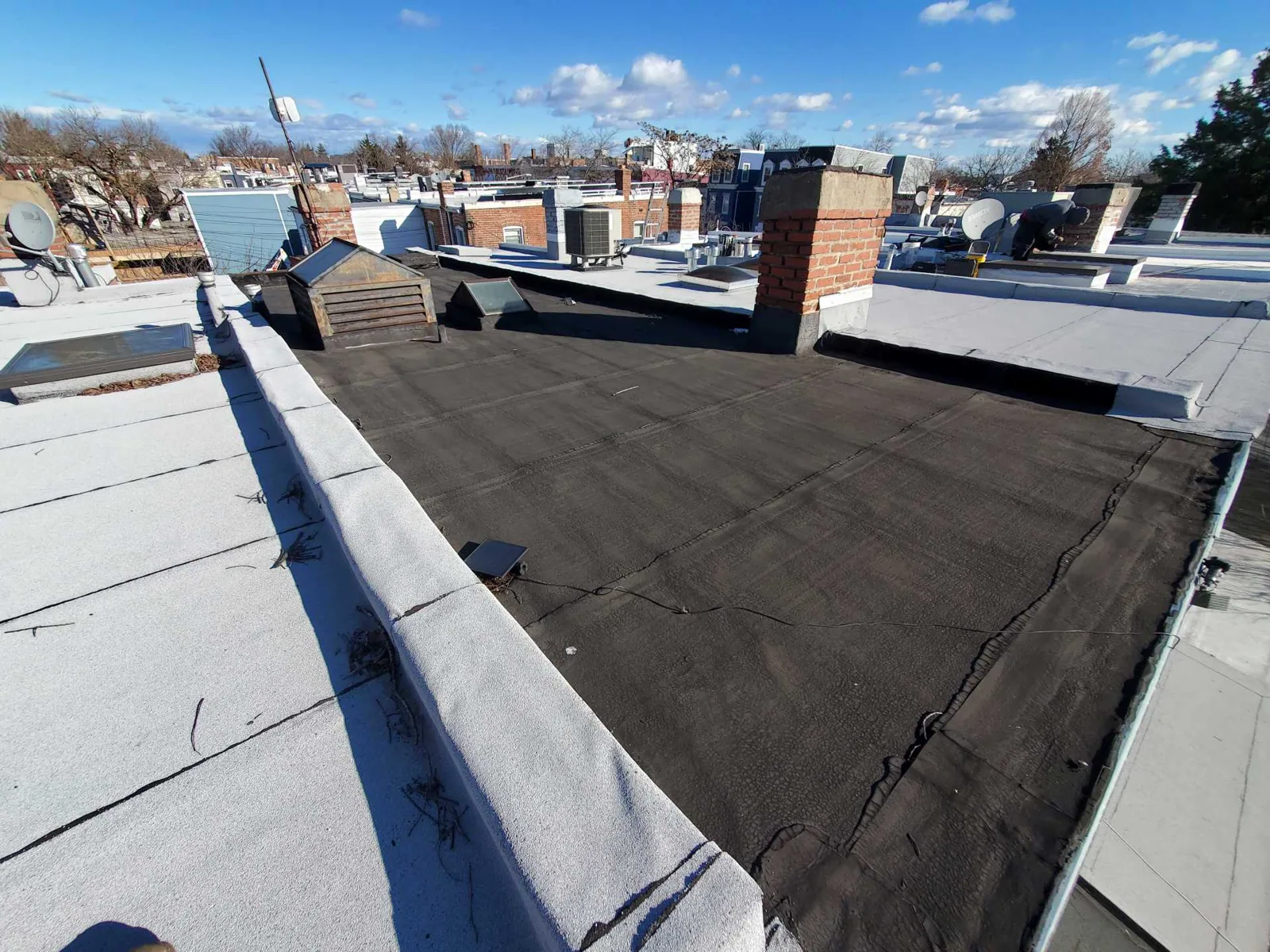
We identify blisters, open seams, rusted fasteners, damaged insulation and failed perimeter details before cleaning begins. Coating over loose material only preserves the weakness under a new layer. We separate repairs from coat-only areas, and we note where water collects or drains slowly. A roof inspection records the test results and maps the sections that qualify for restoration, repair or replacement.
Define preparation and application steps
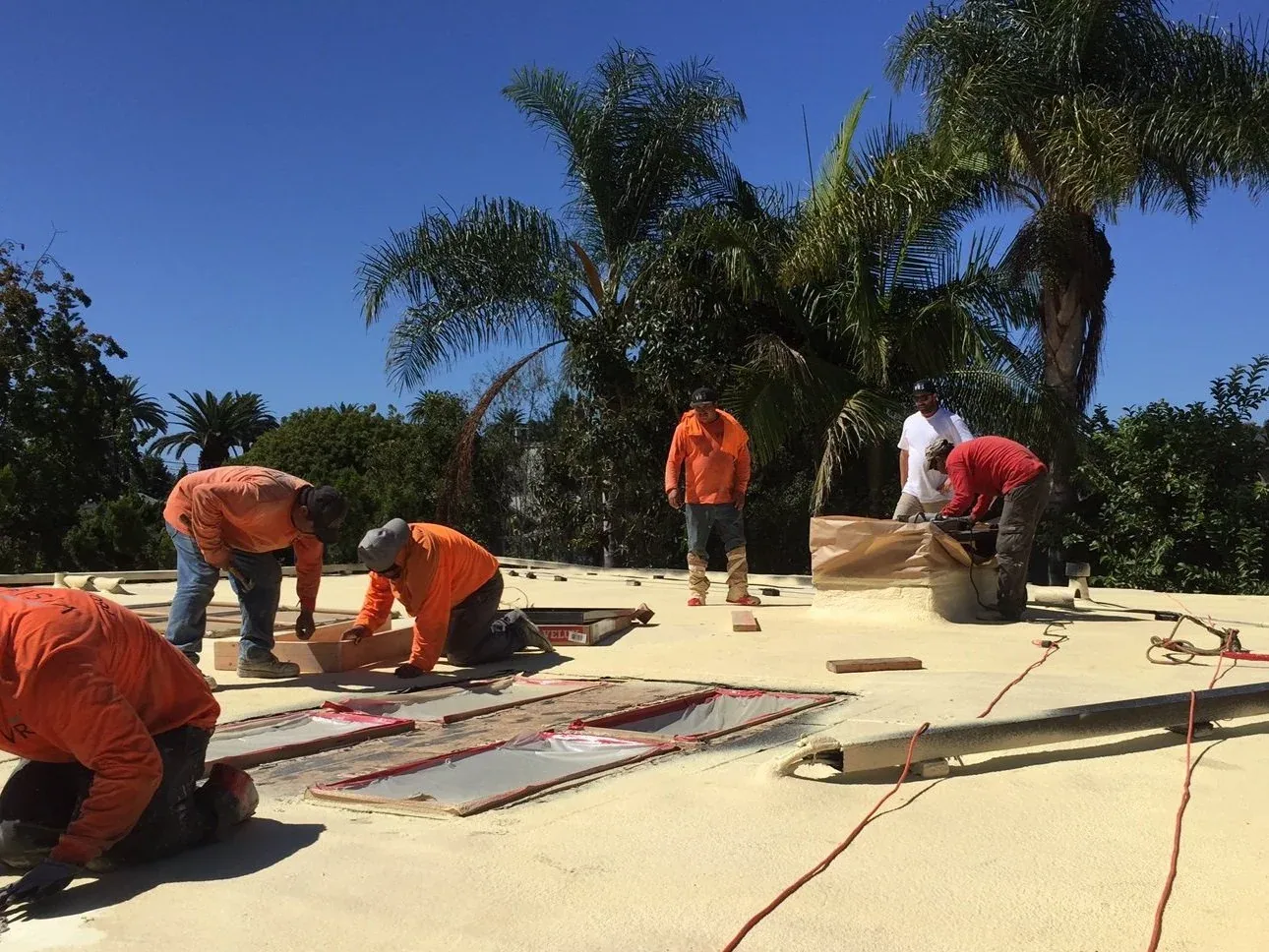
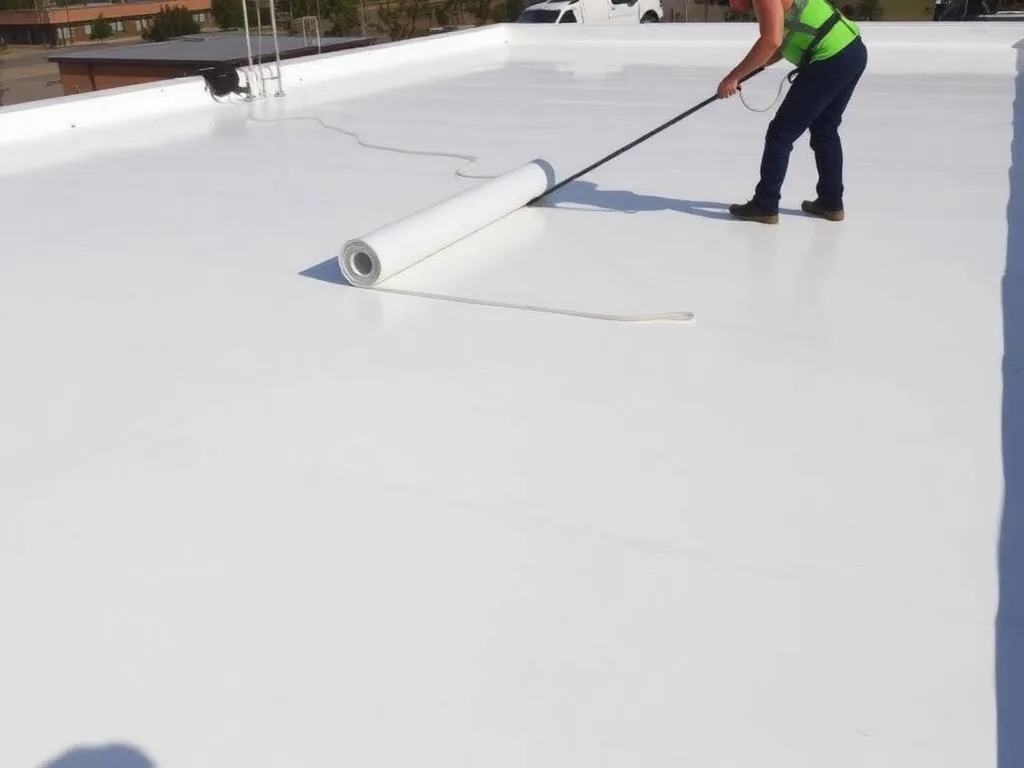
Surface preparation often drives the result: remove loose coating, clean dirt and biological growth, repair defects, and apply primer where the substrate requires it. Reinforcement fabric may be specified at seams, fasteners, corners or transitions. The product documentation sets coverage rate, dry-film thickness, temperature and recoat conditions. We plan the application so each layer cures before rain or foot traffic can damage it. We also confirm where crews can stage hoses, containers and fall-protection equipment without blocking access to rooftop machinery or the building below. The site plan needs a safe material route and a clean path to each drain during preparation.
Hialeah is in Miami-Dade's High Velocity Hurricane Zone, where roof assemblies and products must meet the applicable approvals and installation limits. A coating does not replace an approved roof system or correct inadequate attachment beneath it. We compare an acrylic scope with silicone coating when ponding exposure is a concern, or a new TPO membrane where the base cannot be restored. The written scope identifies the product and exact areas to receive it.
Drainage has to be resolved before coating begins, not after the film has cured. We look for clogged strainers, damaged gutters, blocked scuppers and low areas where water remains after rain. The proposal identifies cleaning or repair needed at outlets and states whether any slope correction is included. A coating crew should not inherit an unresolved water path and leave the owner with the same ponding condition beneath a new surface.
Wait for the right application window
South Florida's summer wet season accounts for Hialeah's 48.19-inch normal, and the most active storm window runs from mid-May into early July. Acrylic coating needs dry conditions for application and curing. We check the surface, forecast and overnight conditions before opening a work area, and do not leave unprotected repairs waiting for another coat. If drainage is blocked, we clear and inspect the outlet before treating nearby low spots.
In peak summer, heat index can top 100 degrees, narrowing safe rooftop work windows and affecting material handling. Hot surfaces can also shorten working time, so the application sequence follows the product instructions. Tropical risk increases later in summer, tightening the schedule for roof sections left in progress. For a leak during the evaluation, commercial roof repair can address the immediate detail while tests establish whether the surrounding coating can remain.
Compare coverage with repair depth
Acrylic restoration cost includes cleaning, repairs, primer, reinforcement, coating quantity, access and required dry time between coats. A large coating area does not mean the whole roof is eligible. Wet insulation or loose membrane can require removal; corroded metal may need panel or fastener replacement. We identify how much surface is included and list the conditions that could alter the scope. That allows the owner to compare restoration against new roofing on equal terms.
Hialeah Heights has industrial and distribution development, and the nearby Doral Free Zone is a commercial and logistics area. At either location, the facility contact confirms access, staging and operating hours for the roof work. We confirm access, staging and operating hours with the facility. A capital planning record can keep the restoration budget beside the roof's remaining open repairs and replacement needs.
Set the next coating inspection
Closeout records should include the substrate, preparation, repairs, primer, coating product, application areas and final photos. We capture representative seams, fasteners, drains and perimeter details, and record any exclusions. The owner should retain product data and schedule inspections for film wear, peeling, exposed substrate, debris and blocked outlets. New penetrations or equipment work should trigger a review of the coated area.
Provide the property address, roof history, existing coating details and approval contact. We will check adhesion, drainage and moisture before proposing acrylic restoration. For roof work near Hialeah Heights or the Doral Free Zone, the property contact confirms loading access and staging rules. Those logistics shape the schedule after the roof proves suitable for coating.
Questions
WHAT OWNERS ASK
Can acrylic coating be used where water ponds?
Acrylic systems generally need adequate drainage and are not intended to solve persistent ponding by themselves. We map low areas, clear outlets and assess whether the water path can be corrected before application. If standing water is part of the roof's normal condition, another coating or replacement assembly may fit better. The proposed system must stay within product requirements.
How do you know if old coating will accept acrylic?
We inspect the existing film for adhesion, chalking, contamination and incompatible material, then apply a test patch when necessary. The substrate must be clean, dry and prepared as specified. Failed test results can exclude sections or require removal and primer. We record the product and preparation method so the application is based on a verified bond.
Will acrylic coating stop a roof leak?
It can protect a suitable surface after active leaks and failed details are repaired. We locate the entry point, check adjacent seams and penetrations, then confirm that the underlying insulation and deck are in condition to remain. Coating over wet material does not remove the moisture. The repair map shows what is fixed before the new film is applied.
What controls the timing of an acrylic roof project?
Surface dryness, temperature, rain forecast, prep requirements and curing time set the daily sequence. We divide the roof into areas that can be prepared and finished within a safe work window. Hialeah's wet season and summer heat make forecast checks and temporary protection important. The product instructions govern when a surface can receive another coat or foot traffic.
Related Roofing Work
Test the roof before applying acrylic
Send the address, roof history and coating records. We will inspect the substrate, check drainage and adhesion, and identify areas that qualify for acrylic restoration.