
Spray Polyurethane Foam Roofing in Hialeah, FL
Roof Systems
A foam roof with exposed, cracked or ponded areas needs a closer look at both the foam and its protective coating. We inspect adhesion, thickness transitions, drains and penetrations before recommending repair, recoating or removal. Nearby Miami International Airport has cargo warehouses and maintenance properties; their roof scopes require address-specific drainage and access planning. The condition record should map each area where foam or coating has failed.
Check the foam below its coating
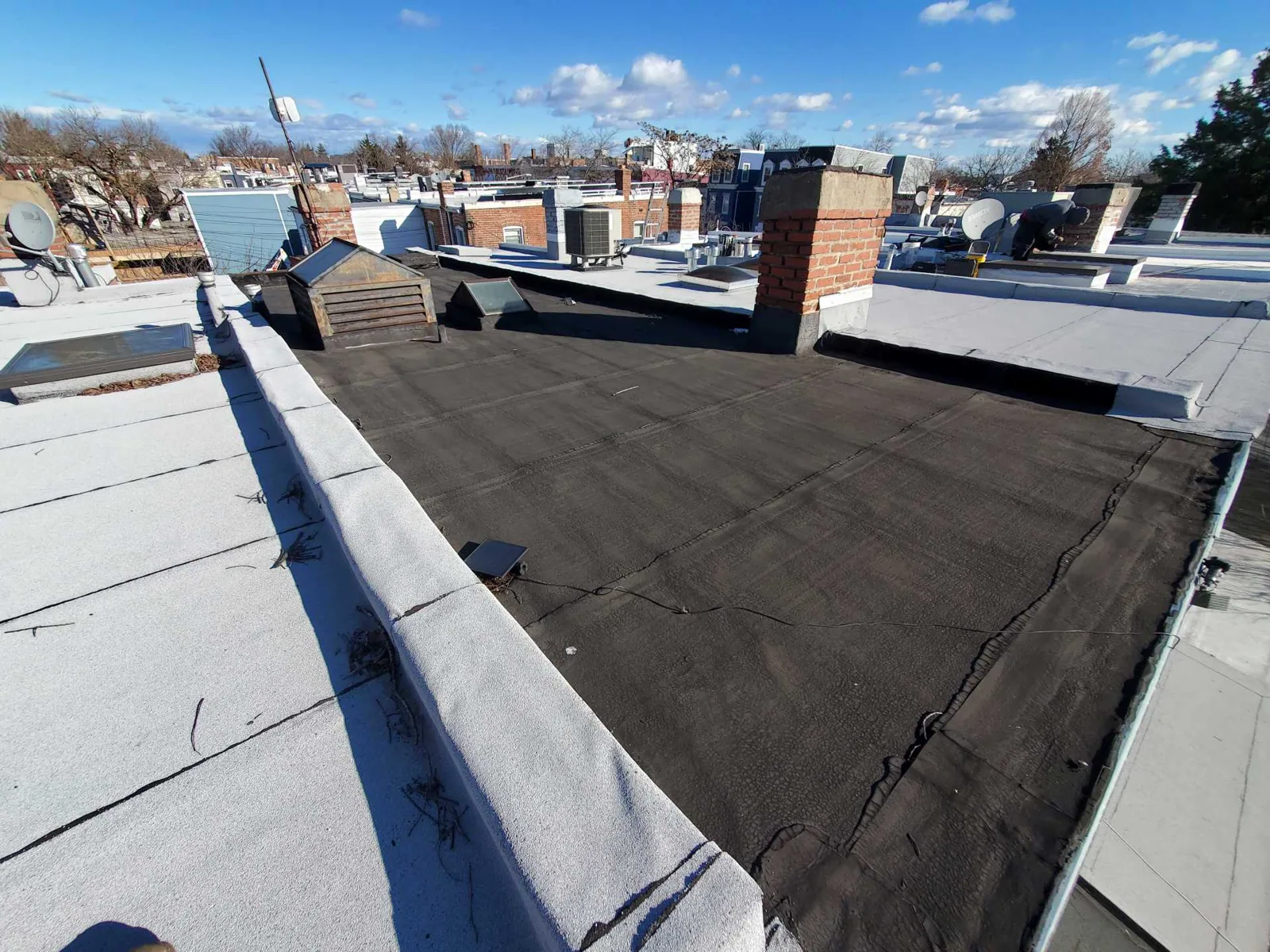
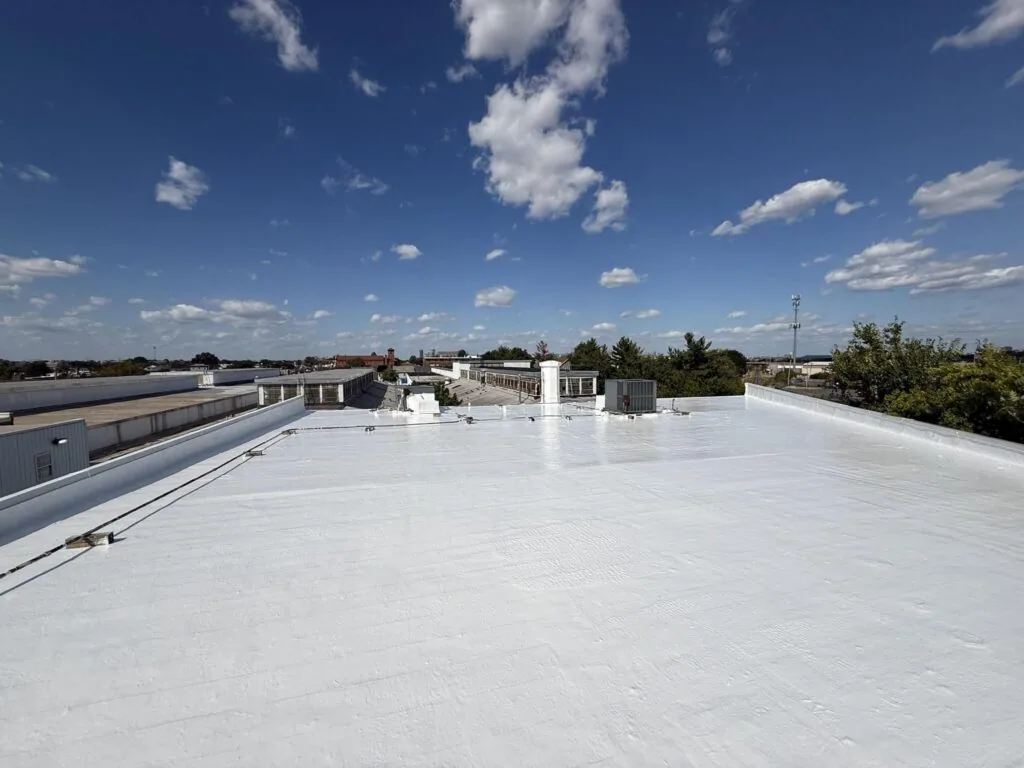
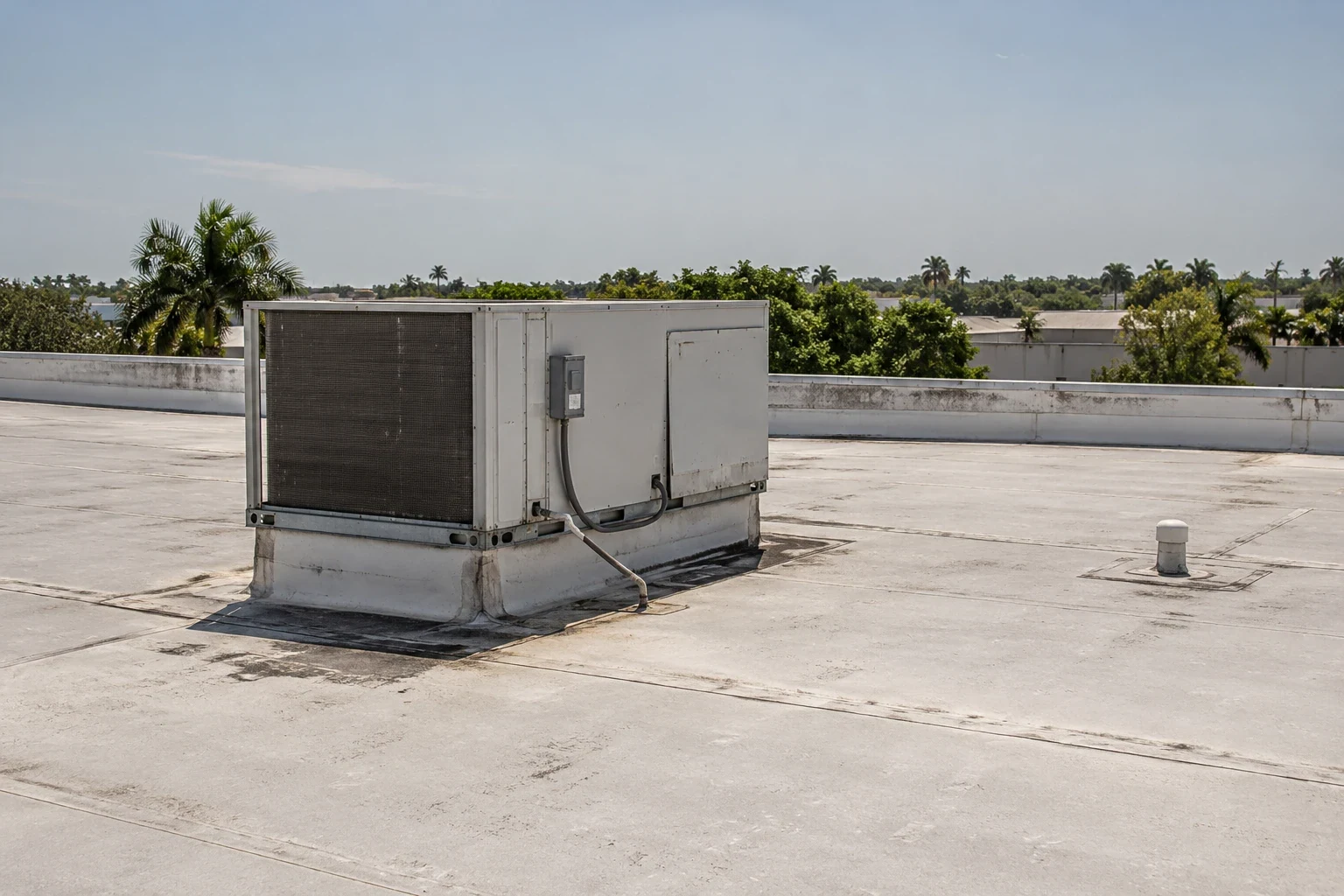
Spray polyurethane foam, or SPF, is applied as a liquid that expands into a continuous insulating layer. Its surface needs a compatible protective coating to shield the foam from ultraviolet exposure and weather. We look for cracks, blisters, open coating, soft foam, exposed substrate, punctures and thin spots at transitions. A damaged coating does not always mean the foam below is lost, but the foam must be dry, firmly bonded and shaped to drain before a repair is specified.
We trace water at drains, curbs, pipes and equipment bases, then check whether repairs have accumulated in one roof section. A probe or test area can establish whether the foam is sound beneath a surface defect. If moisture has entered or the foam has separated from its base, simply adding coating will not correct it. Our roof inspection maps those conditions and notes where further testing is needed before a scope is priced.
Restore the drainage shape and protection
SPF can form a continuous surface around many roof details, but thickness and slope need control. We evaluate whether water reaches drains and scuppers without sitting at low points, and whether the foam transitions cleanly to walls and equipment. Repairs use compatible foam and coating products, with surface preparation and cure conditions followed as specified. The protective layer has to cover the repaired foam at the correct thickness and tie into sound coating.
For a larger installation, we verify the deck, existing assembly, substrate adhesion, drainage design and approved product system. Miami-Dade's High Velocity Hurricane Zone and its product approval limits apply to the chosen assembly. Permit plans identify drainage points, pressure zones and parapets. We compare the protective finish with silicone roofing or acrylic roof coatings based on exposure, slope and drainage needs. The coating type does not replace sound preparation or a correct foam profile.
Foot traffic deserves its own review. A service technician can puncture the protective film while carrying equipment, especially near curbs or condensers. We identify regular access paths, check whether existing walkway protection remains bonded and add approved protection where the system allows it. That distinction keeps a future equipment call from becoming a new coating failure and gives the property manager a clear maintenance instruction.
Maintain the surface through Hialeah seasons
South Florida's wet-season storm peak runs from the second half of May into the first days of July. SPF roofs need clear outlets and intact coating before that period, because standing water can exploit an open crack or an unsealed repair. We check drains, scuppers, equipment curbs and transitions and record coating wear before rain season. Loose debris should be removed without damaging the foam protection.
July and August heat-index conditions can exceed 100 degrees, exposing crews to demanding roof conditions and making work-window planning important. Late summer brings greater tropical risk as well. We schedule surface preparation and coating within product requirements and protect new work from rain until it is ready. For active water entry, commercial roof repair can contain the leak while the foam and coating are assessed for permanent restoration.
Budget for preparation and future recoating
SPF restoration cost reflects surface cleaning, foam removal or infill, repair depth, coating quantity, detail work, access and the percentage of roof that remains sound. Wet substrate or widespread adhesion loss can move the project from recoating to removal. We distinguish the areas proposed for repair from those receiving new protective coating, and we note how hidden damage will be handled. A maintenance allowance should reflect inspection and coating renewal needs rather than assuming the top layer will last indefinitely.
Nearby Miami International Airport's property inventory includes cargo warehouses, offices, hangars and maintenance shops. For an SPF roof at any address, the facility contact confirms access windows and rooftop service coordination. At nearby MIA cargo-area facilities or industrial sites near Hialeah Heights, the roof record identifies the address, assembly and repair limits.

Record coating condition for the next cycle
At completion, we record the foam repairs, coating product, coverage areas, drainage corrections and detail transitions. Photos should identify representative field sections, drains and penetrations. We note any areas that remain unrepaired or need monitoring, then set a maintenance interval consistent with the system documents and roof exposure. This baseline helps the owner see where the next inspection should focus.
Provide the address, roof history, prior coating information and approval contact. We inspect foam adhesion and profile, identify the condition of the protective layer and show whether repair, recoat or replacement fits. A warehouse or maintenance property near Miami International Airport may require a controlled site schedule; a commercial building in Hialeah Heights may need loading routes preserved. We confirm those arrangements with the facility contact before setting the sequence.
Questions
WHAT OWNERS ASK
Can a cracked SPF coating be repaired without replacing the foam?
Yes, when the foam beneath is dry, bonded and shaped to drain. We remove loose coating, inspect the foam, repair any damaged area with compatible material and apply a protective coat over sound surfaces. If moisture or delamination extends below, the affected foam must be addressed before recoating. The inspection record identifies the verified repair limits.
How does water ponding affect a foam roof?
Persistent ponding can stress coating and expose low points, especially where cracks or open details allow water to reach the foam. We inspect roof slope, drains and transitions, then identify whether the issue is a blocked outlet, a local depression or a broader drainage design concern. Coating alone will not correct a drainage defect. Any profile change needs to preserve approved assembly details.
How often does an SPF roof need a new coating?
The interval depends on the installed product, coating thickness, weathering and maintenance history. We inspect the film for wear, adhesion loss, cracks and exposed foam, then compare findings with the system requirements. A scheduled maintenance record allows recoating before large areas fail. The owner should keep product data and prior application dates with the building file.
What does an SPF roof replacement include?
The scope may include removing failed foam, preparing the substrate, rebuilding the profile, restoring drainage and applying protective coating. We document the sound areas that can remain and the areas that require new material. Miami-Dade approvals, product limits and edge details apply to the specified assembly. The proposal should identify surface preparation and weather protection through cure.
Related Roofing Work
Inspect the foam before recoating
Send the property address, coating history, roof plan and approval contact. We will map foam condition, drainage and exposed areas, then document the repair or recoat scope.