
Commercial Roof Membrane Puncture Repair in Hialeah, FL
Roof Damage Repair
A small puncture can take in more water than its size suggests if it sits below a rooftop work route or beside a drain. Locate the breach, note its shape and surrounding marks, then inspect the layers below before sealing it. Hialeah's commercial mix includes industrial and distribution uses as well as retail corridors such as West 49th Street and Palm Springs Mile. We confirm each property's work route, staging area and operating schedule with its site contact. We identify the roof assembly and set a repair boundary from the actual damage.
Foot traffic, dropped tools, sharp debris or later service work can damage a membrane. We compare the puncture pattern with the roof plan and service history before recording a likely cause. We inspect the surface, seams and nearby penetrations, then check whether insulation is wet. If water has traveled below the sheet, surface patching alone may not restore the assembly. Our commercial roof repair scope documents the location, material and work needed to close the breach without concealing adjacent concerns.
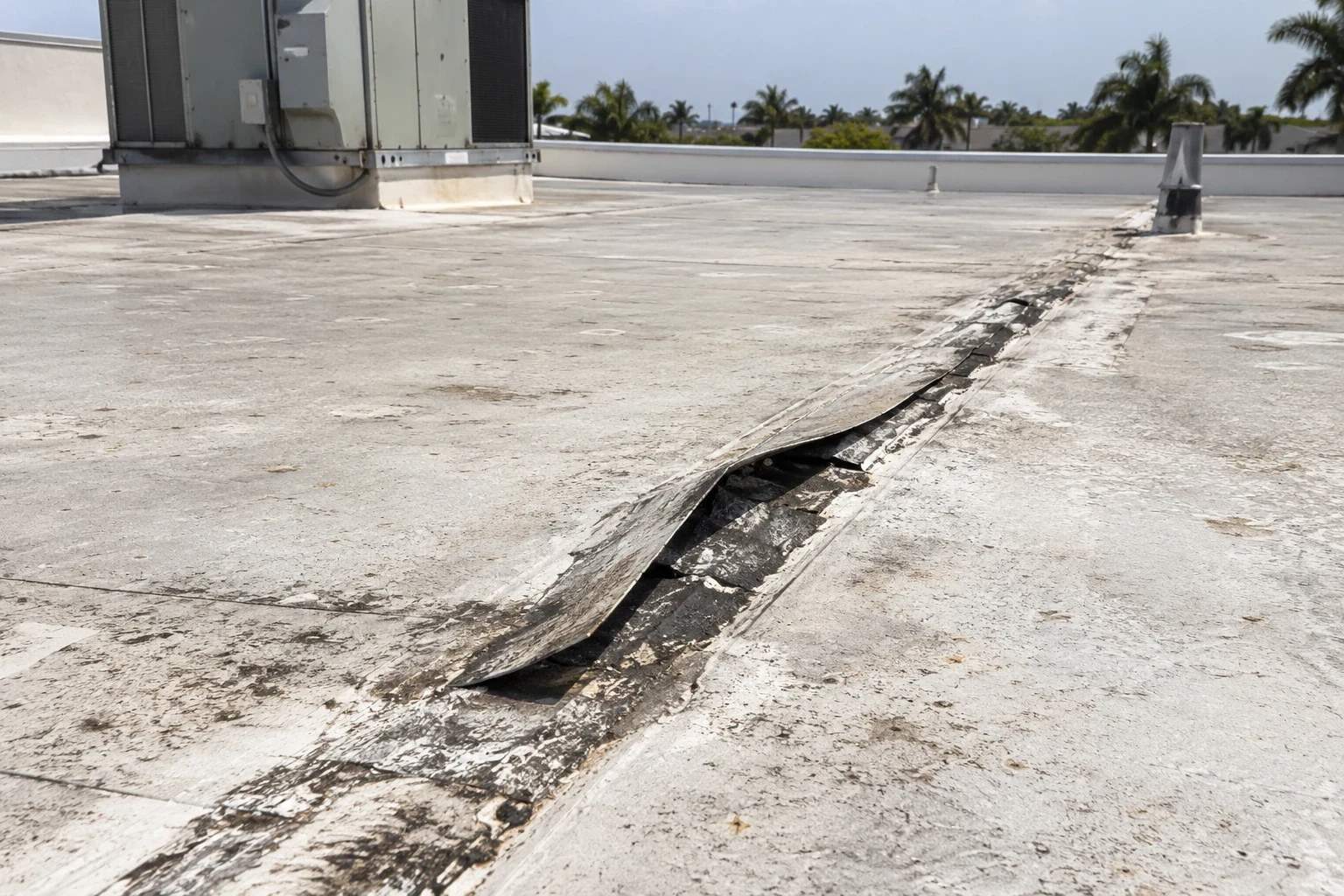
Open the assessment beyond the pinhole
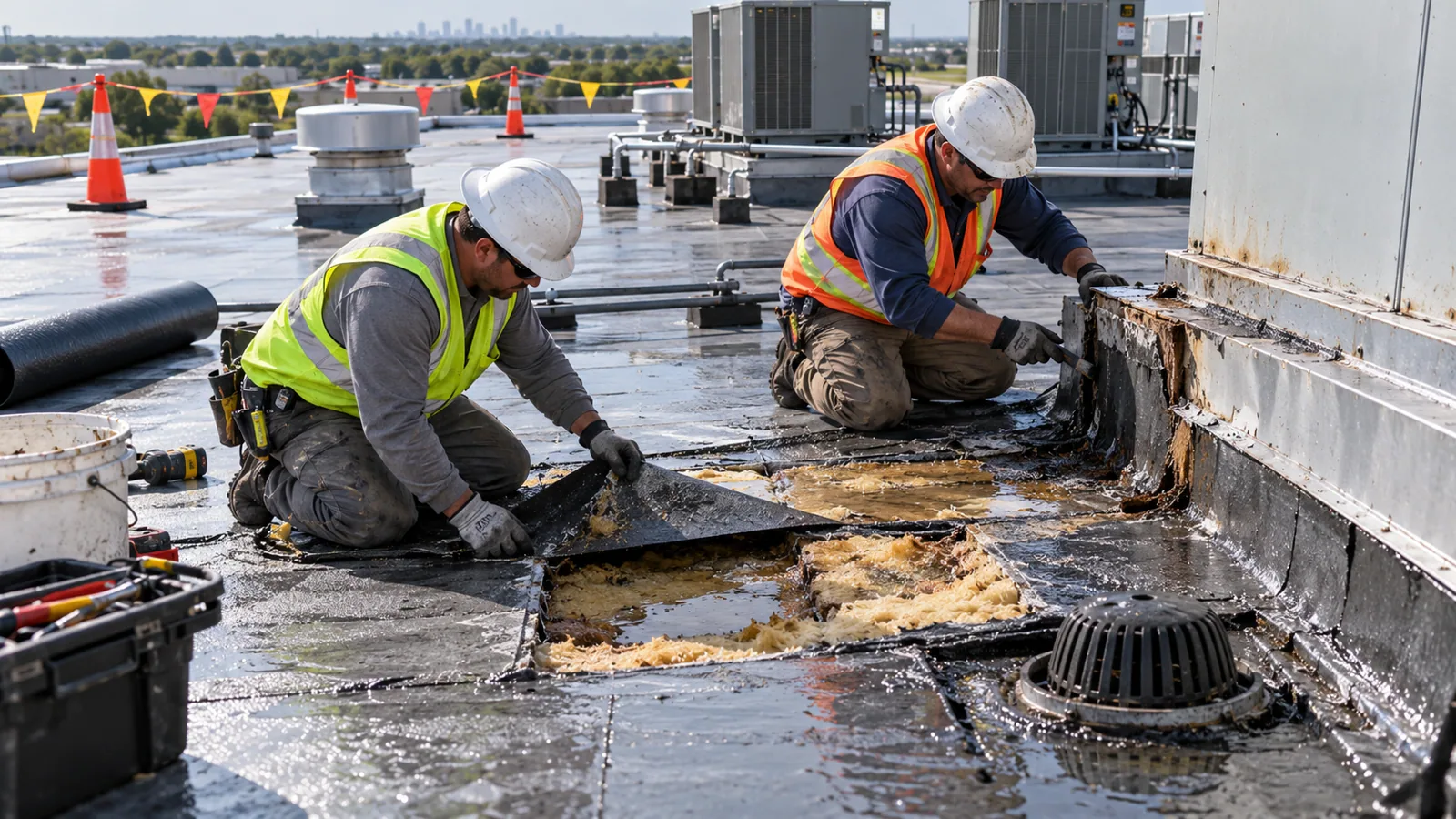
Photograph the puncture before cleaning or temporary protection. Include a close view and enough surrounding roof to locate it on the plan. Examine the membrane for stretching, cuts, abrasions, scuffs and signs of repeated traffic. Check beneath the opening for moisture or compressed insulation, and inspect adjoining seams, penetrations and drainage. A second mark nearby may indicate a broader damaged path, but it must be mapped rather than grouped by appearance alone.
A normal wet season in Hialeah brings 48.19 inches of rain; keep the affected outlet and downstream path clear during repair. Water entering a puncture can spread across insulation before appearing inside. Moisture testing helps establish whether material can remain or needs replacement. The repair report should state how far the inspection reached and what would require an additional test cut. If multiple sections show stress, a moisture survey can help focus follow-up locations while field checks confirm the result.
Control access that caused or crosses damage
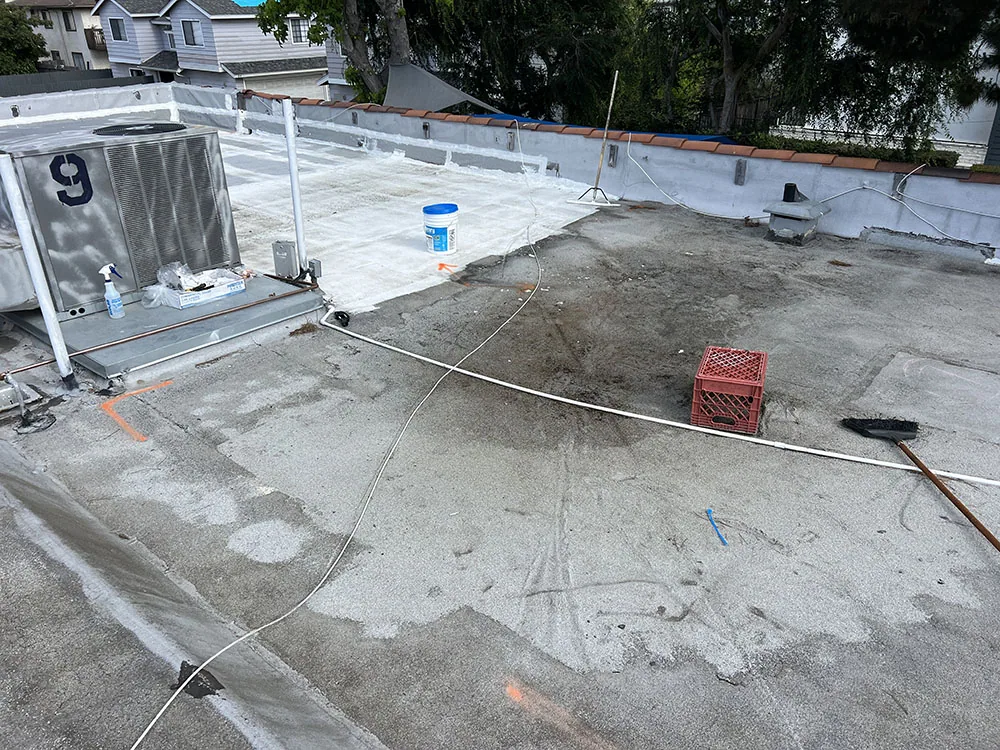
When rooftop service work is active, identify the route between hatches, equipment and work areas. Protective walk pads, clear access lanes and limits on storage can reduce repeat damage, but they must suit the roof system and drain layout. We review the site’s actual traffic path and mark where the puncture sits relative to equipment. If another trade needs roof access during the repair, assign a contact and sequence so the fresh patch is not disturbed before inspection.
At commercial properties along Hialeah’s West 49th Street corridor or in Hialeah Heights, the site contact confirms tenant routes, loading windows and any stored inventory that needs protection. We compare those conditions with the puncture pattern and maintenance records before stating a cause. For exposed seams adjoining the puncture, seam repair may need to be included. If the opening is near a wall or curb, investigate the flashing transition before declaring the sheet field the only defect.
Prepare a patch that stays secure in rain
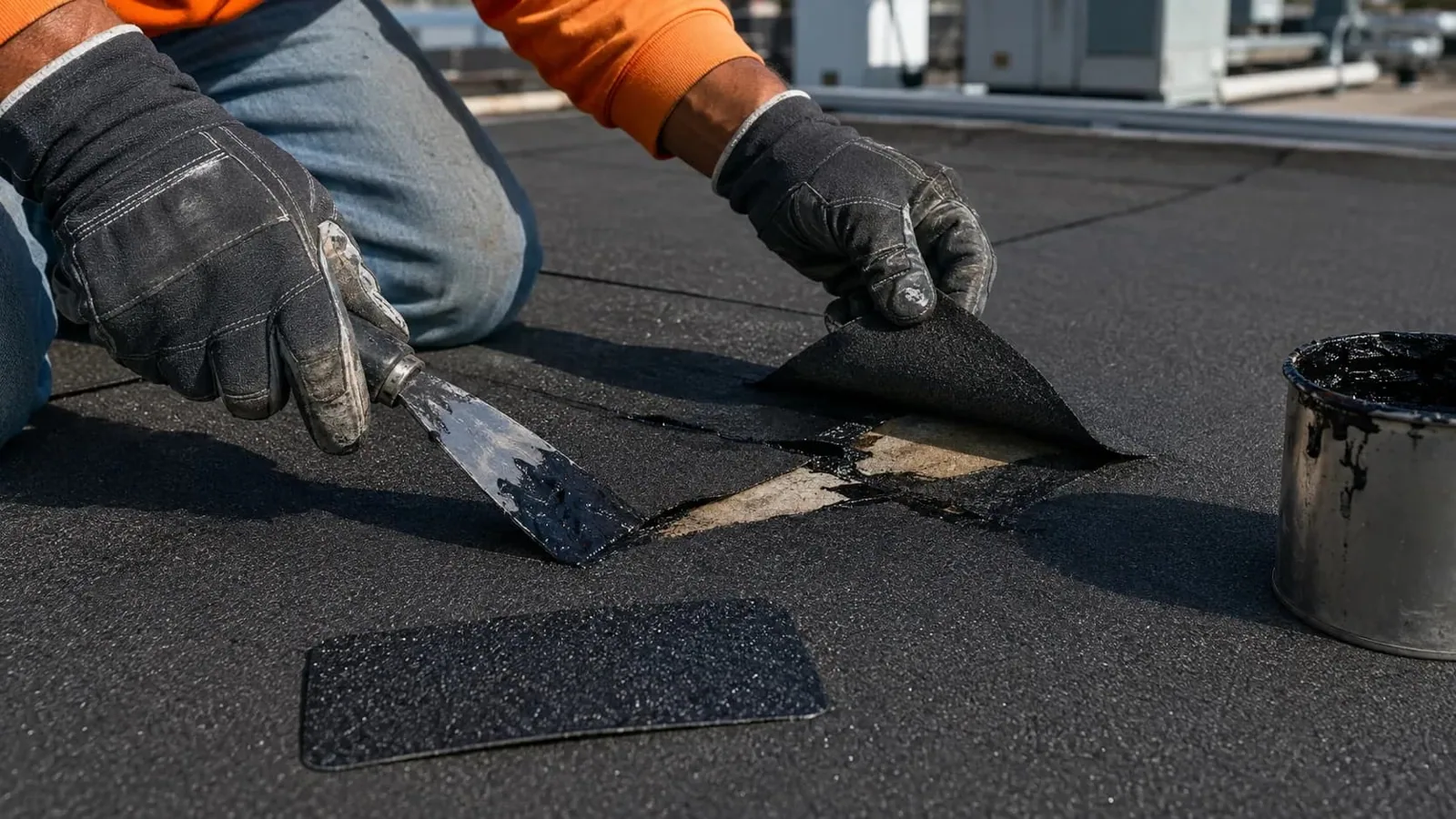
Surface preparation matters: the repair area must be clean and dry enough for the specified patch material to adhere or weld correctly. We remove loose contamination, trim damaged membrane only as needed, verify compatible materials and seal the repair to sound roof. A temporary cover may hold water out until the permanent patch can be made, but its location and inspection date belong in the record. Do not leave debris or tools where runoff can carry them to a drain.
Hialeah’s stormiest wet-season stretch falls from mid-May to early July. Midsummer roof repairs need exposure limits because July and August heat index readings can exceed 100°F and affect material handling. Tropical risk increases from late August through mid-October. Schedule around product requirements, surface conditions and a daily dry-in point. A wind damage survey may be needed if the puncture coincides with displaced edge or membrane material; hail damage inspection assesses a different impact pattern.
Price the patch and any wet assembly separately
Repair cost depends on membrane type, puncture size, access, amount of damaged insulation, number of nearby defects, patch compatibility and whether contents or equipment below need protection. A surface-only repair differs from opening the assembly, drying or replacing insulation, and restoring the membrane. We state which work is confirmed and what would require a test cut. If a puncture is part of broader wear or repeat service damage, present that as a separate option.
Miami-Dade replacement drawings specify where drainage outlets sit, how pressure zones are arranged and how parapets meet the roof. Because Miami-Dade is part of Florida’s High Velocity Hurricane Zone, the chosen product must be installed within its approved assembly limits. We confirm the existing membrane and project conditions before recommending a repair material. A patch should not block drainage or interfere with an adjacent seam. At Hialeah industrial and retail properties, we verify access and operating hours at the specific address before setting the repair scope. For a property in the Hialeah industrial area, access and staging still need to be verified at the address. A maintenance inspection can record traffic paths and earlier repairs.
Mark the patch for a future check
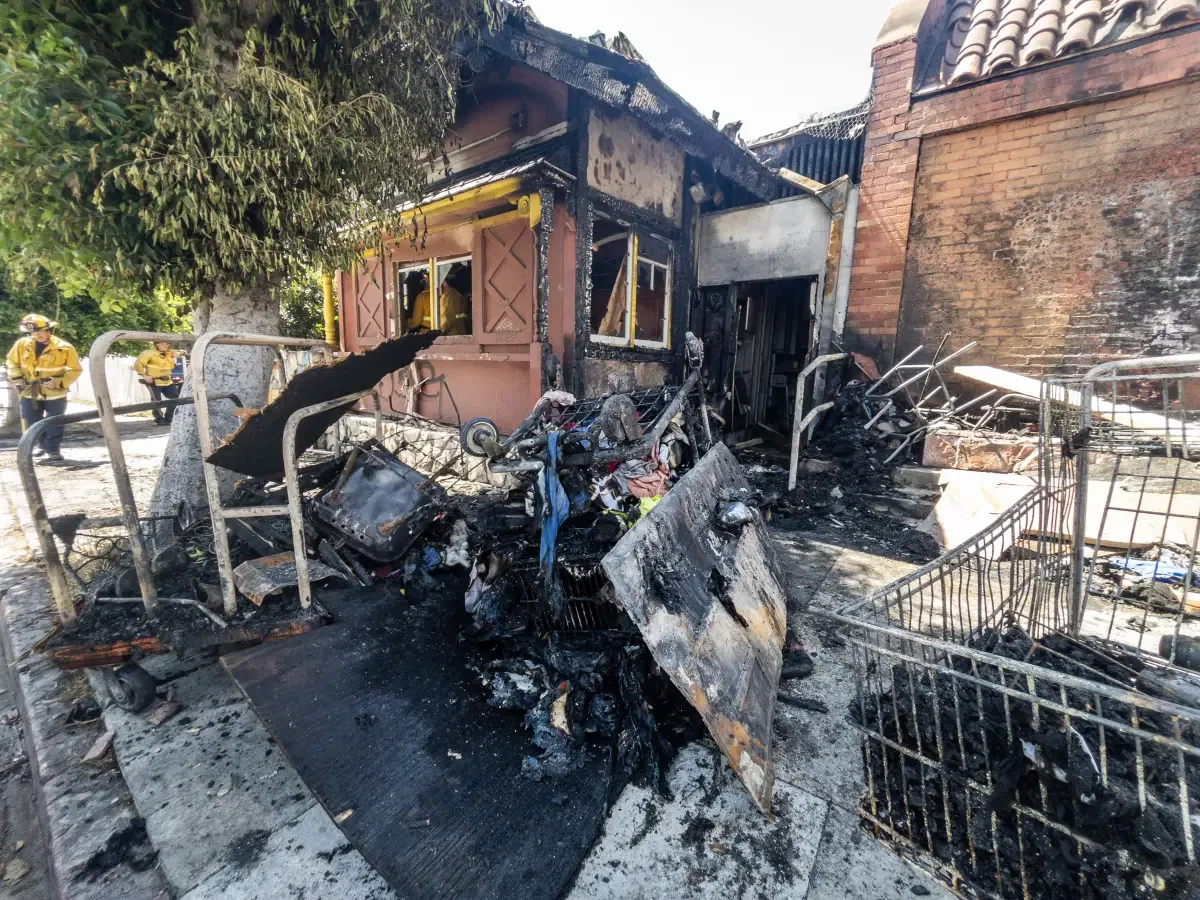
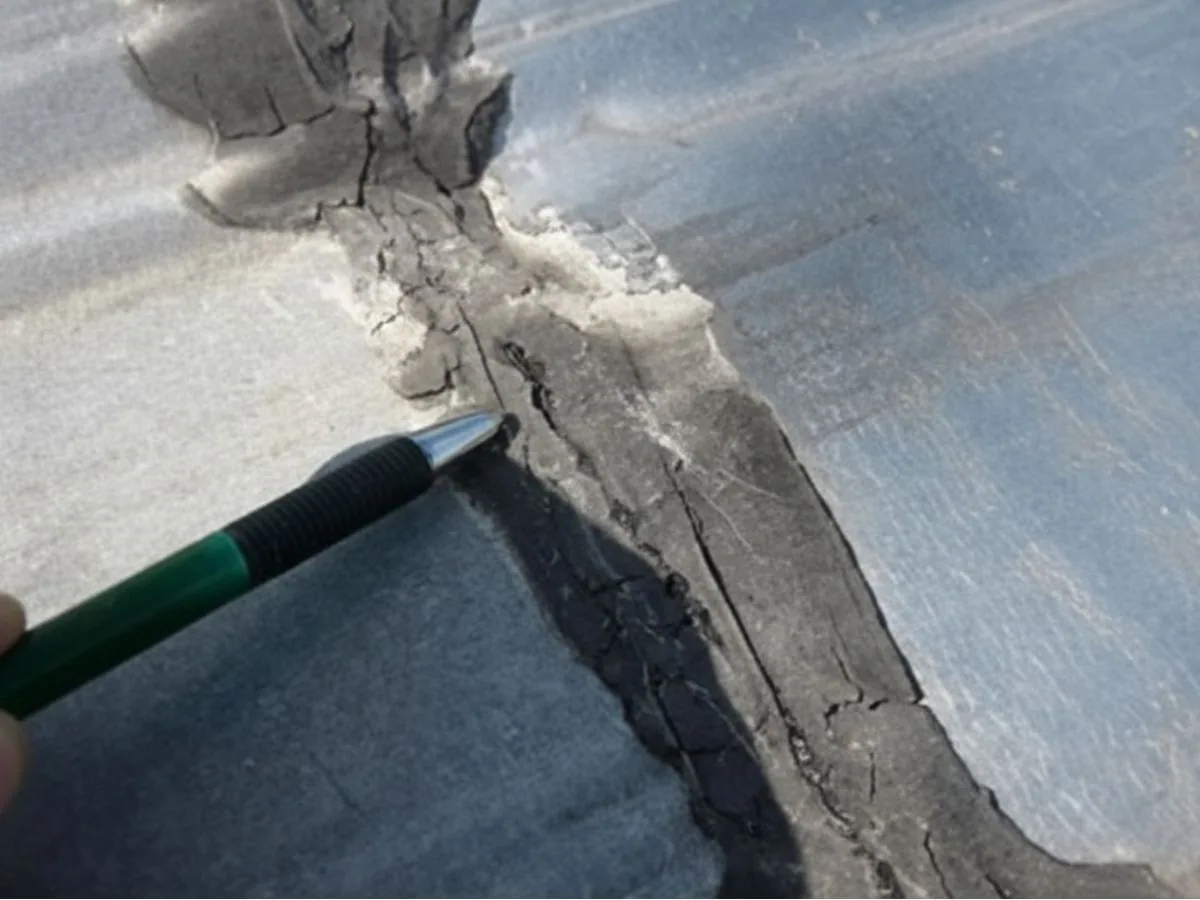
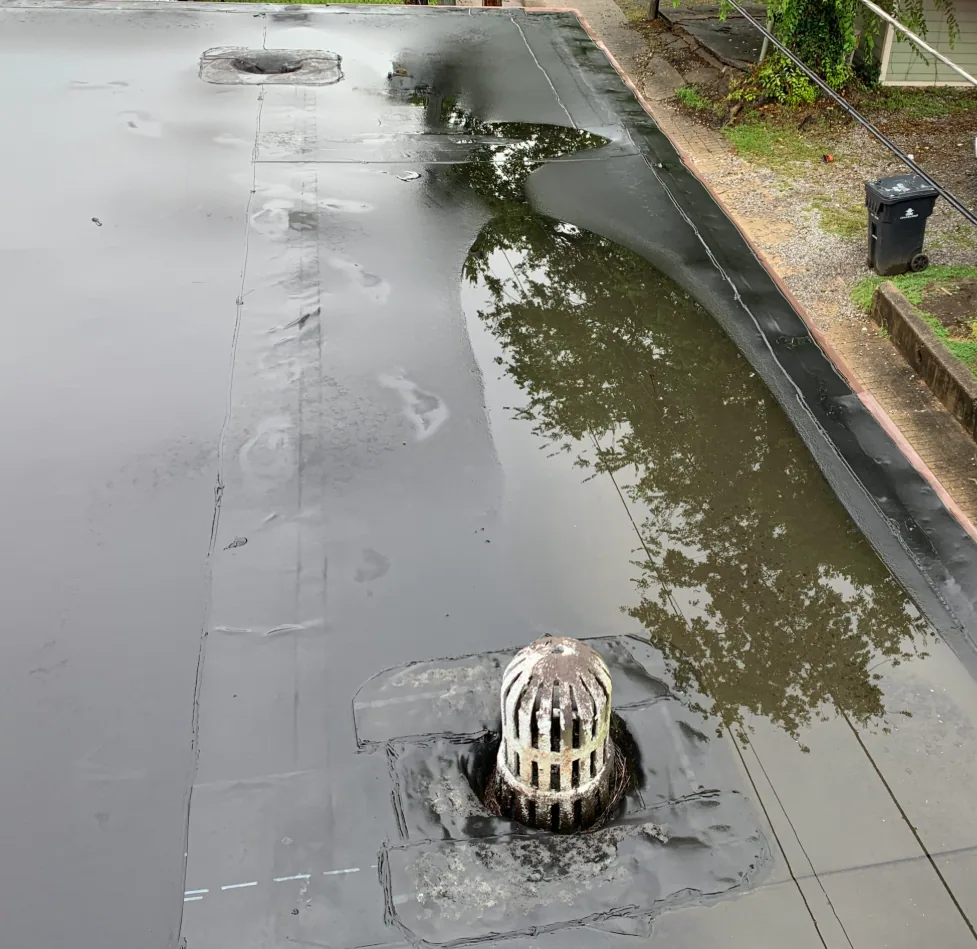
Record the puncture location, date, roof section, membrane type if known, preparation and patch method, moisture findings and follow-up status. Photograph the finished perimeter and mark it on the roof plan. If a temporary measure remains, label it and set a return date. After the next rain, check the interior report and the repaired detail so a new entry point is not confused with the old one.
Send the address, recent rooftop service history, leak location, photos and approval contact. We will inspect the puncture, check adjacent roof details and report whether the repair can remain local. Hialeah’s industrial properties, West 49th Street retail and Palm Springs Mile commercial area each have different operating constraints, so the scope stays with the specific property. A big-box retail roof also needs its access plan tied to the actual building and traffic pattern.
Questions
WHAT OWNERS ASK
Can a puncture be patched without replacing the whole membrane?
Often, when damage is localized and the surrounding sheet and insulation remain suitable. We inspect the assembly around the opening and test for wet materials. The repair boundary expands only if inspection finds damage beyond the puncture.
How do you know whether foot traffic caused the damage?
We look for location and surface evidence such as repeated abrasion or damage along an access route, then compare it with the roof plan and service history. When the cause remains unclear, we record the visible breach, compare service history and set the repair scope from its observed extent.
What if the puncture is near a drain or curb?
Inspect the adjoining flashing, seam and water route before patching. A second roof detail may be contributing to the leak. We document each defect and identify which one needs correction so the patch does not mask a drainage or transition failure.
When is the best time to inspect roof punctures in Hialeah?
Check after roof service or a leak report and before the stormiest mid-May to early-July stretch. Confirm the surface can be prepared under the patch product’s conditions. Heat, rain and tropical weather affect the safe work window.
Related Roofing Work
Find the full damage below the puncture
Share the roof address, recent service activity, leak report and photos. We will inspect the breach, test suspect materials and return a repair scope with follow-up noted.