
Commercial Ponding Water Roof Repair in Hialeah, FL
Roof Damage Repair
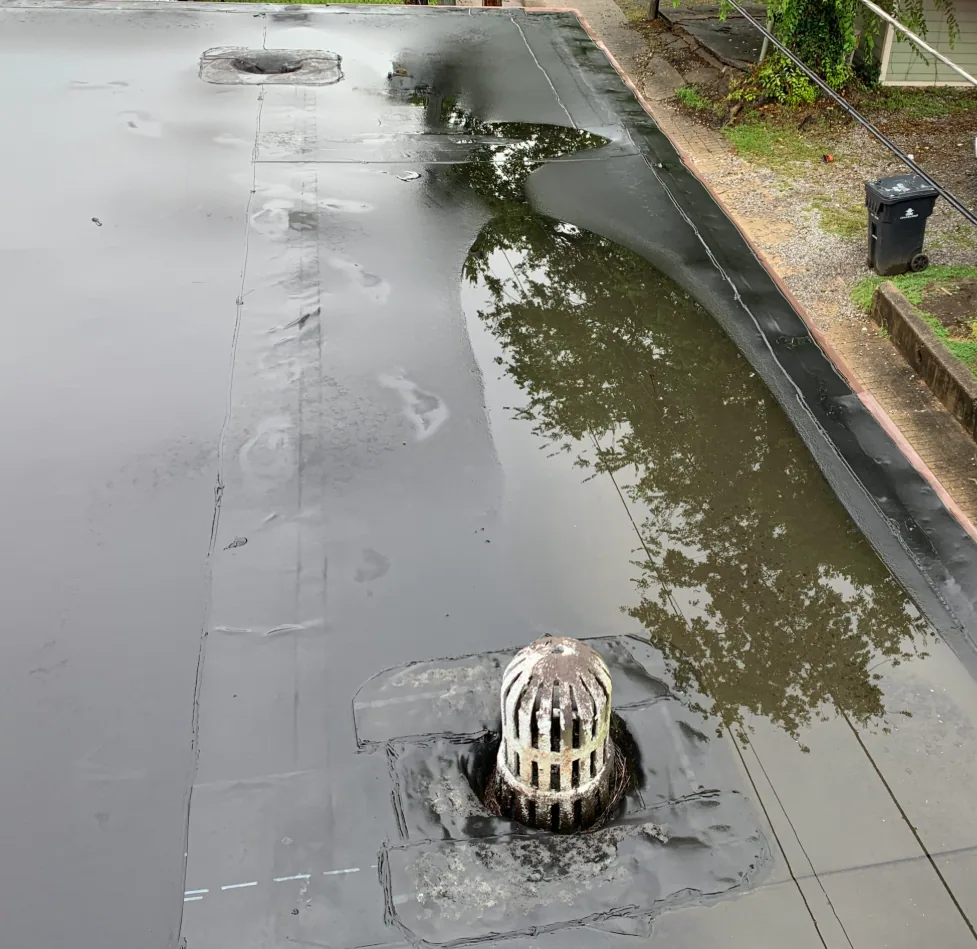
A shallow pool that remains after surrounding roof areas have dried is a drainage finding worth mapping. Measure where water stands, how long it remains, and which drain, scupper or low point it should reach. Across the wet months, Hialeah receives a normal 48.19 inches of rainfall, placing sustained demand on roof drainage. That puts roof outlets under recurring load, especially during the stormiest stretch from mid-May through early July. We inspect the water path and the roof layers around it before recommending correction.
Ponding can follow a blocked outlet, deflection, compressed insulation, settlement or an original slope condition. The puddle alone does not identify the cause. We document its location and depth, inspect the surrounding membrane and seams, check drains and scuppers, and test for wet insulation if the assembly suggests concealed moisture. Hialeah Heights has industrial and distribution development, and Westland Mall is a major Hialeah retail destination. At each address, we trace the roof's actual drainage path. A drain and scupper inspection can pinpoint an outlet restriction as one part of the repair decision.
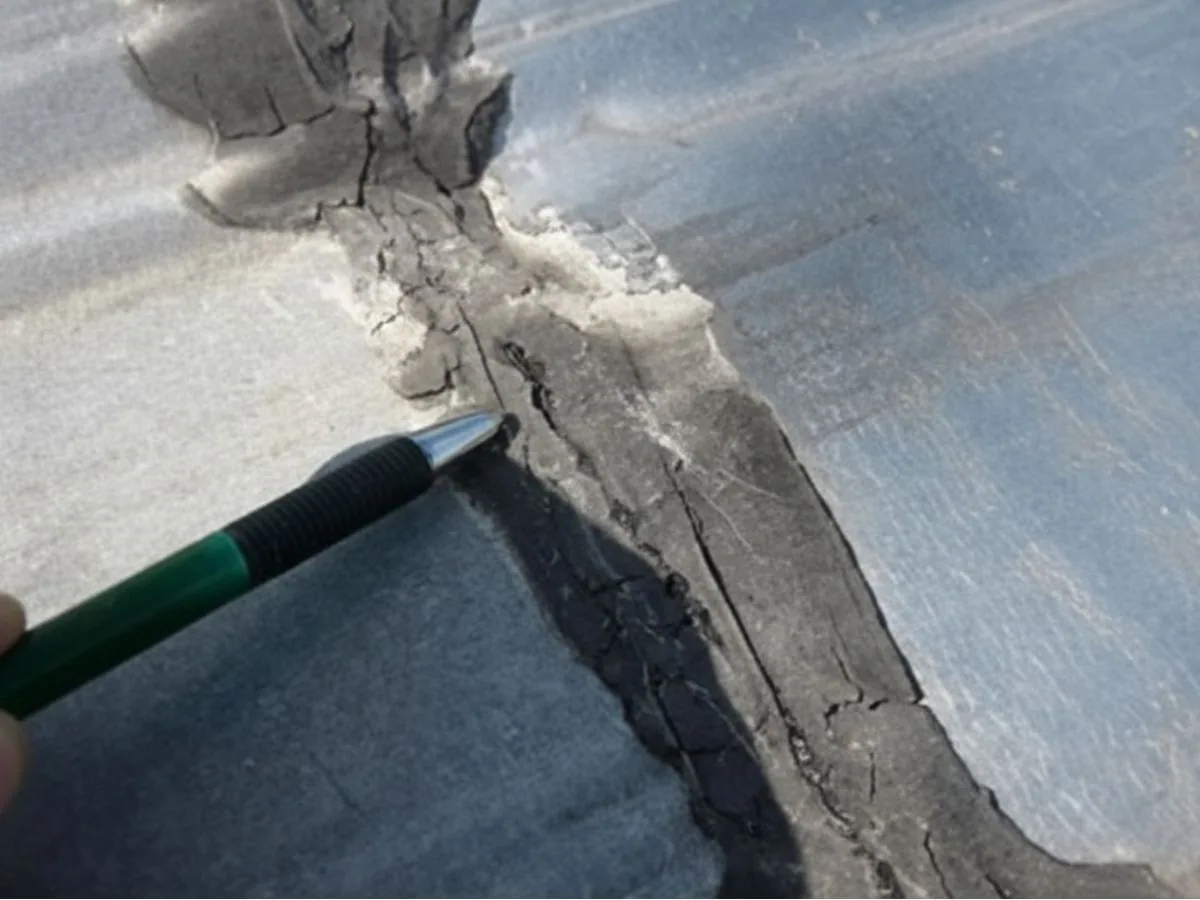
Map the low point and its route to discharge
Start with a roof plan or field sketch. Mark the ponded area, drains, scuppers, overflows, parapets, equipment curbs and visible depressions. Record recent rain, debris and any evidence of water crossing a seam or flashing. A clear outlet can still sit below a broad low area, while a clogged strainer can imitate a slope problem. We look at the full route from water collection to discharge and note the condition of each component.
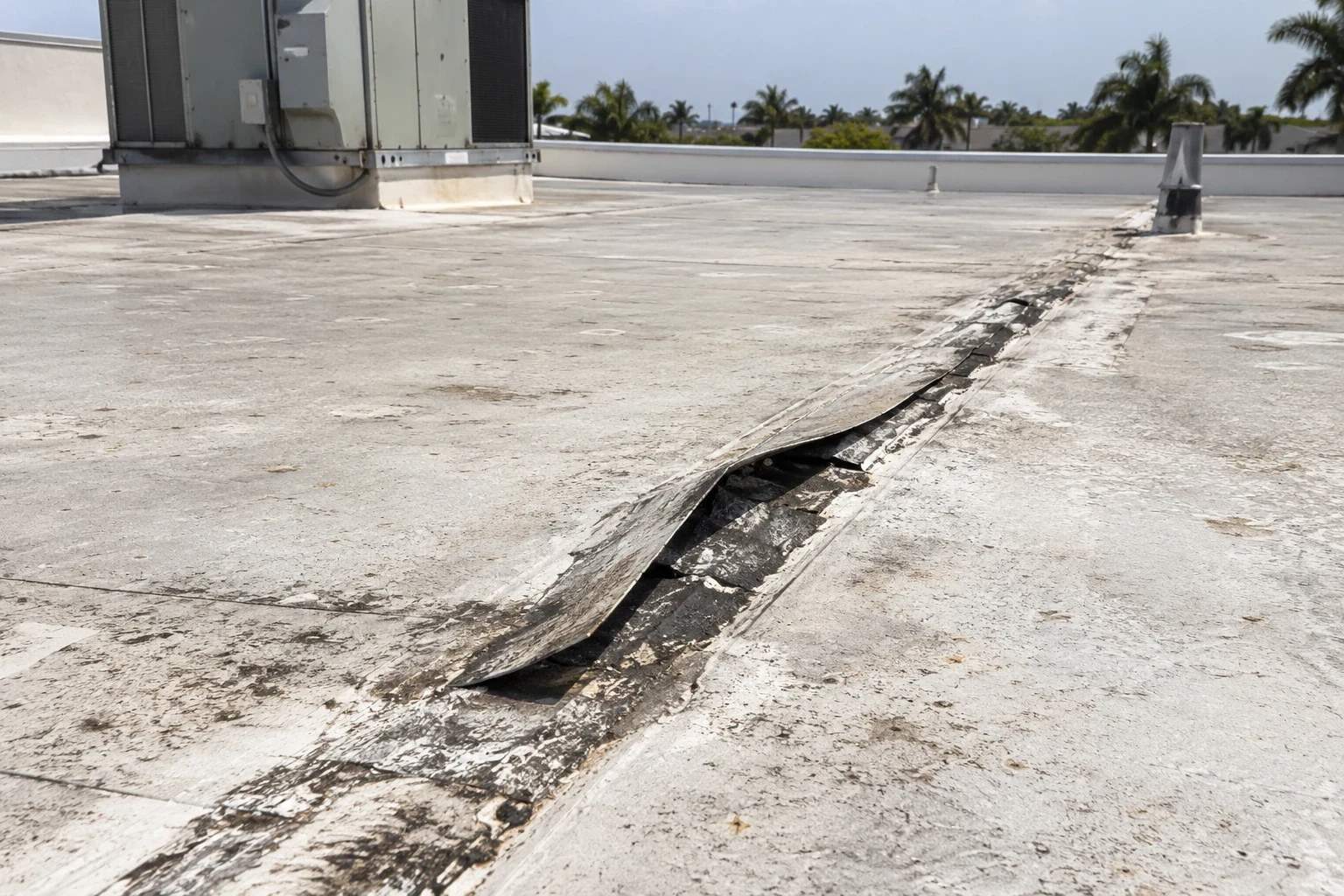
Then inspect membrane stress, open laps, blisters, displaced insulation and interior stains beneath the low area. If a roof section holds water repeatedly, determine whether the surface condition remains sound or whether deterioration has developed around the pool. Moisture testing or a targeted opening can show if insulation is wet. The report separates drain cleaning, membrane repair, slope correction and assembly replacement because each changes cost and risk differently. For a documented starting condition, schedule a commercial roof inspection with marked images and a proposed repair boundary.
Clear the outlet before changing the roof plane
When a blocked drain or damaged scupper is responsible, restore that route and observe how water leaves the roof before pricing structural or slope work. We remove obstructions only within the approved maintenance scope, check the outlet and record the result. If ponding remains after the discharge path is clear, the survey can assess low areas, insulation compression or the deck. Do not add tapered materials or cut a new outlet until the roof, structure and discharge design are confirmed.
For an active leak where water is collecting at a seam, stabilize the opening and protect the interior while documenting the source. The Hialeah rainfall pattern makes temporary cover and a dry-in plan consequential during wet-season work. For work near Westland Mall or Hialeah Heights, the site contact confirms circulation, loading and staging needs at the address. A flashing failure repair may be needed where ponding has stressed a curb or wall detail, and roof repair work can address the approved permanent scope.
Price drainage correction separately from membrane repair
Cost depends on the number of obstructed outlets, access, roof height, ponded area, wet insulation, drain-body condition, slope correction, membrane removal and interior protection. A cleaning visit costs differently from a drain replacement or a roof-plane reconstruction. If structural deflection is suspected, engineering review may be required before roofing details change. The proposal should explain what the observation confirms and what additional test or drawing is needed before a larger intervention can be priced.
For a replacement scope, Miami-Dade plan submittals identify drainage points, wind-pressure areas and parapet conditions; the county also sits in Florida’s High Velocity Hurricane Zone. If reroofing changes drainage or attachment, confirm the plans and approvals for the actual project. A coating can renew a suitable surface but cannot raise a low roof or dry saturated insulation. Compare a contained repair with a commercial roof replacement only after the moisture and drainage conditions are known. A separate heat and UV condition review can document membrane aging that coincides with, but is not caused solely by, ponding.
Use rain checks to confirm the correction
After clearing or repairing a drainage route, observe water movement during the next safe rain opportunity. A dry-weather inspection can confirm the outlet is open, but cannot prove that water drains evenly from every low point. Record the follow-up, photograph remaining ponding and decide whether survey access or slope work is needed. July and August heat can produce heat-index readings above 100°F, so inspection timing must account for safe exposure on the roof. Tropical risk becomes greater from late August through mid-October, when loose debris or temporary work needs additional review.
West 49th Street is one of Hialeah’s main commercial corridors, and Palm Springs Mile is another major retail area. Use the street or district to locate the property record, then tie drainage observations to its specific roof plan. We can include drains, overflow paths and previous repairs in a preventive maintenance visit. At a property near Palm Springs Mile, we map the roof's outlet routes and low points. The inspection record should carry the outlet map and next check date.
Keep the water route visible in the asset file
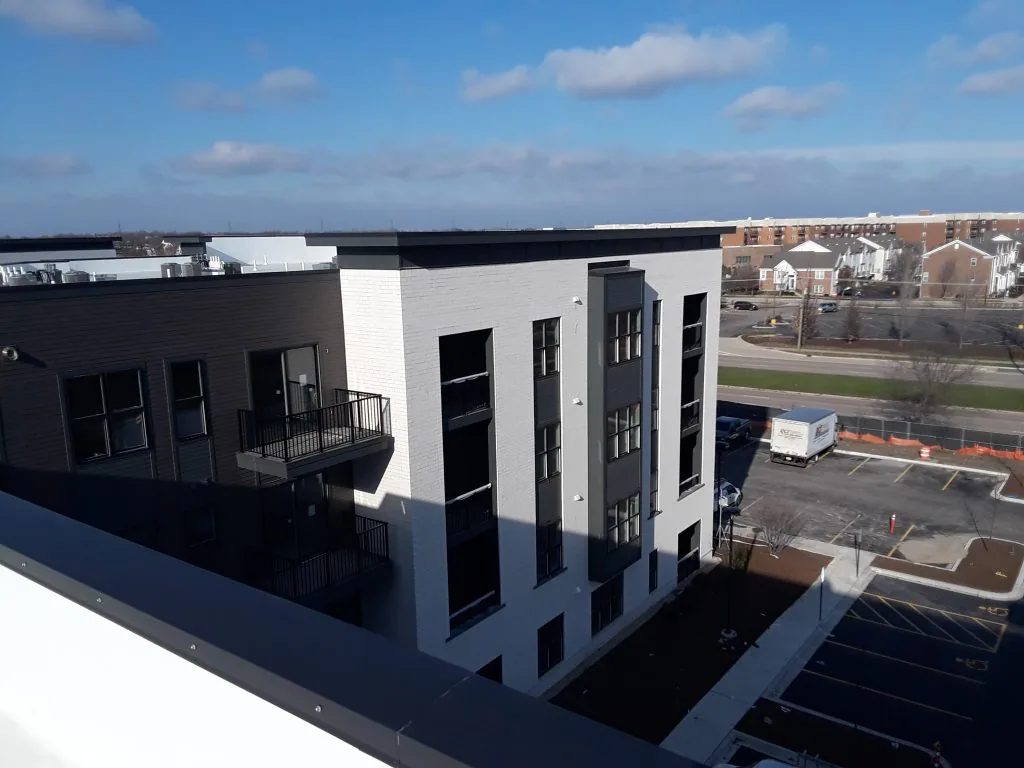
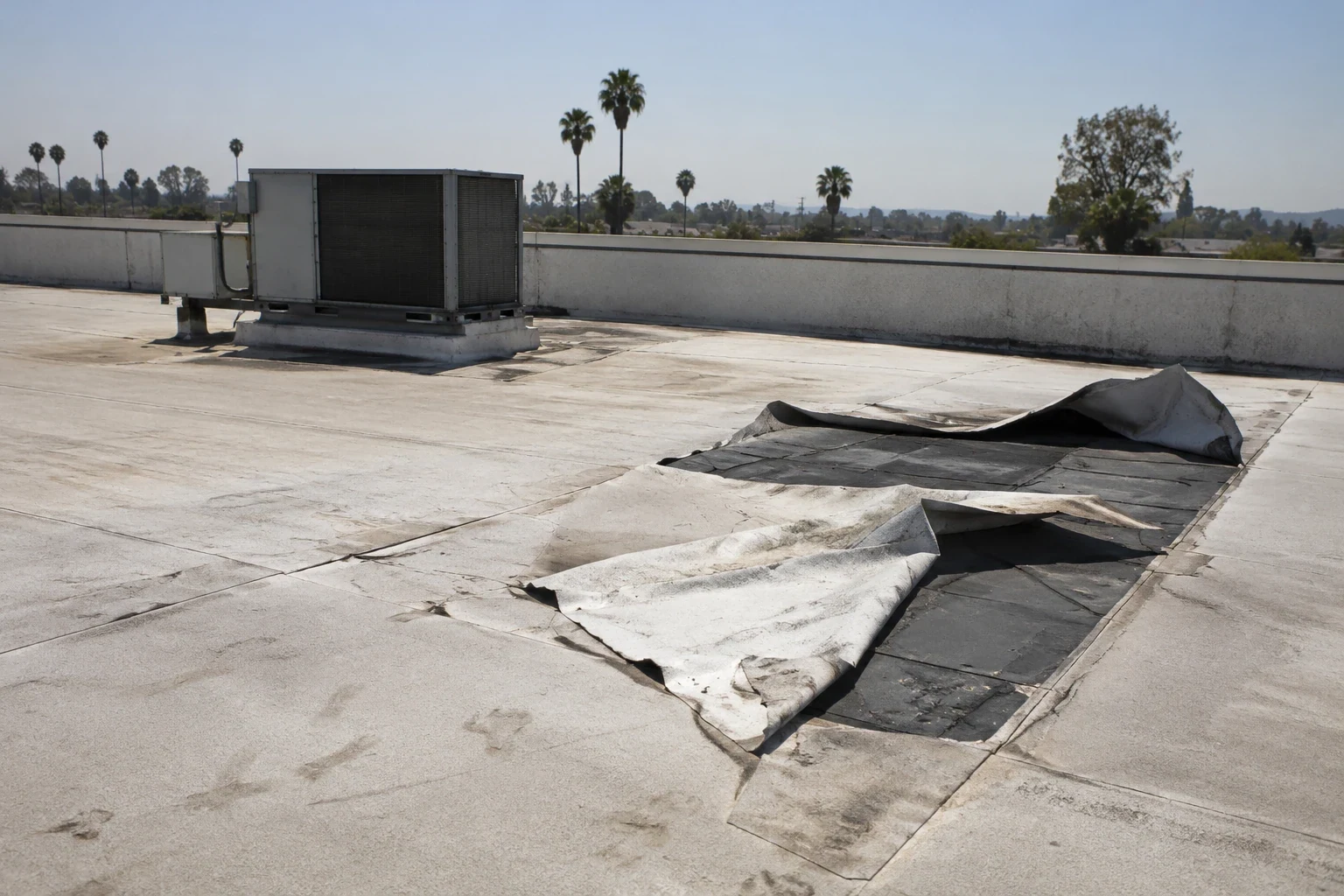
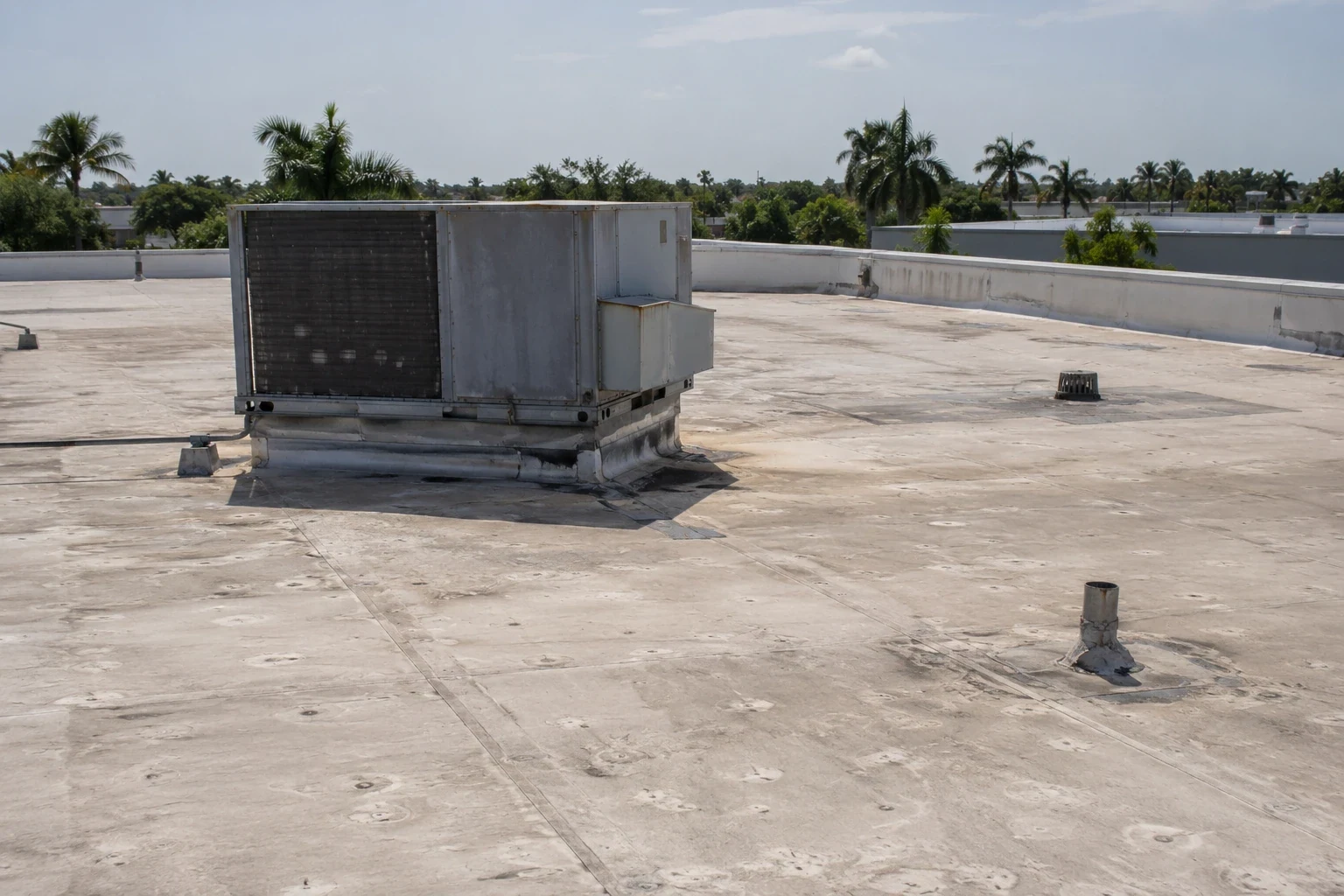
At closeout, identify which outlet or low area was corrected, what material was repaired, whether insulation was tested, and what remains open. Mark the roof map with collection points and discharge direction. Include before-and-after photos, completion date and the next observation needed. For multi-building portfolios, maintain separate drainage sketches so an outlet at one property is not assigned to another roof.
Send the Hialeah address, leak reports, prior drain work and approval contact. We will document the ponding extent, likely cause, tested materials and a repair scope that separates immediate maintenance from capital work. Retail buildings also need a section-by-section roof record, with each outlet and repair tied to the inspected address: shopping center roof records. The owner should leave with a clear answer on whether the problem is an outlet, roof plane, membrane detail or a combination requiring phased correction.
Questions
WHAT OWNERS ASK
Does every ponded area require a roof replacement?
No. First identify why water remains. A blocked outlet may need cleaning or repair, while a low roof plane or wet insulation can require a larger correction. We map the area and test suspect materials before recommending replacement.
How long should water remain on a flat commercial roof?
The inspection should record actual drainage performance and the time after a rain event, then compare it with the roof design and condition. The observed pond does not establish the cause by itself. We check outlets, slope, deflection and membrane stress before setting a repair.
Can a coating fix ponding water?
A coating may protect a suitable, dry substrate, but it does not change slope or remove wet insulation. We assess drainage and moisture first. If the roof plane needs correction, price that work separately from any restoration coating.
When should Hialeah drains be checked?
Before the mid-May to early-July stormiest period and after a major rain that leaves water standing. Check strainers, scuppers, overflow paths and debris, then record whether each area drains. Safe access and weather conditions still govern the inspection.
Related Roofing Work
Find where the water is stopping
Share the property address, photographs after rain, prior repairs and approval contact. We will map ponding, check drainage and set a repair boundary based on the roof condition.