
Commercial Hail Damage Roof Repair in Hialeah, FL
Roof Damage Repair
A hail report is a reason to inspect the roof, not a condition conclusion. Look for impact marks on exposed metal, damaged rooftop components, membrane fractures or fresh water entry, then compare each finding with nearby surfaces and prior records. South Florida's severe-weather hazards include hail, damaging thunderstorm winds, lightning and flooding. The inspection must still establish whether this building received damage. We document the roof section, impact evidence, surrounding materials and any immediate opening that needs protection.
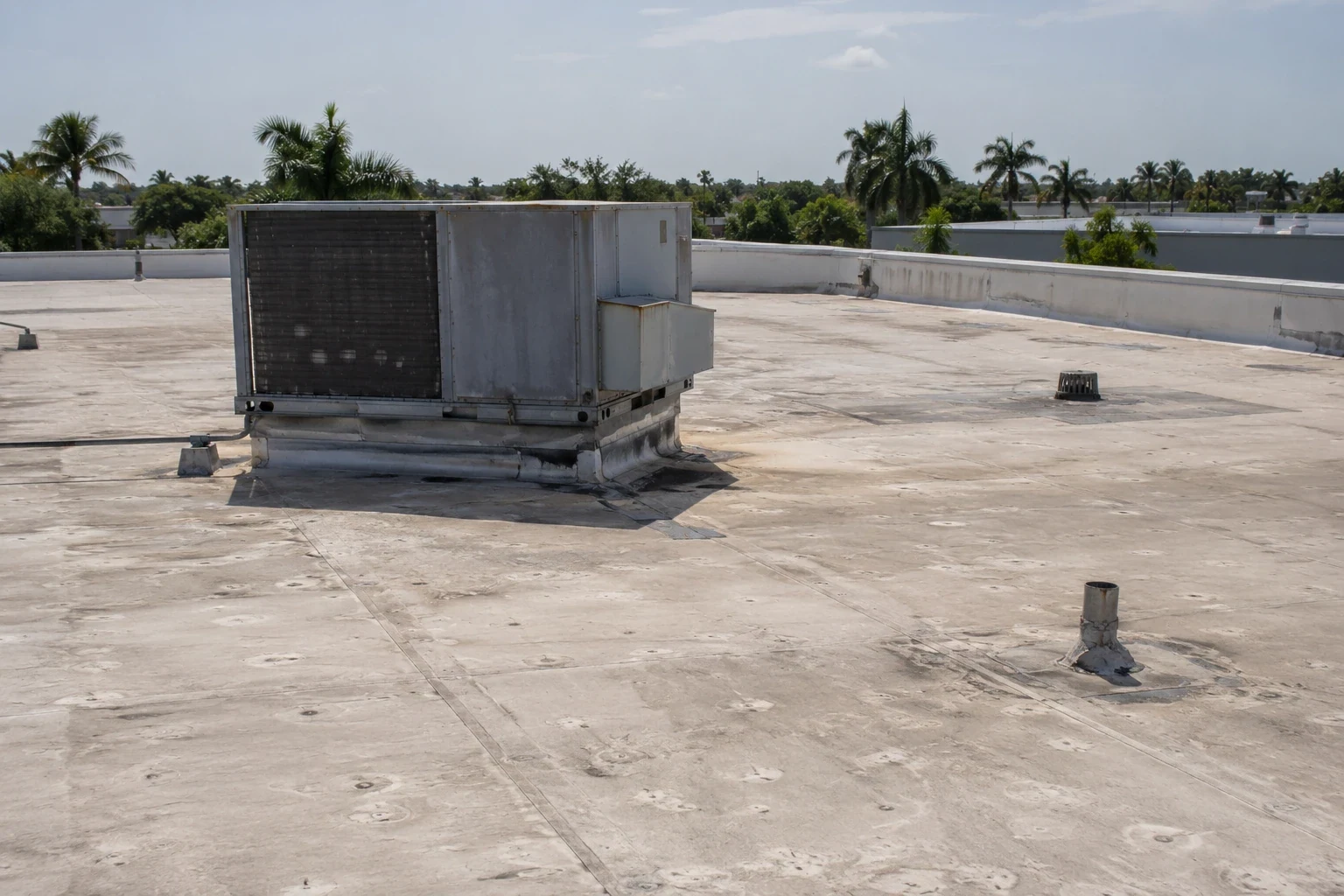
Westland Mall is a major retail district in Hialeah, while Hialeah Heights has extensive commercial and industrial designation. Neither location is evidence that a particular building experienced hail or has a specific roof assembly. We identify the actual membrane or metal system, inspect seams and penetrations, and check interior reports for water entry. If the surface is marked but remains intact, that differs from a puncture or seam failure. Our storm damage roof inspection sets out what is observed and what needs follow-up.
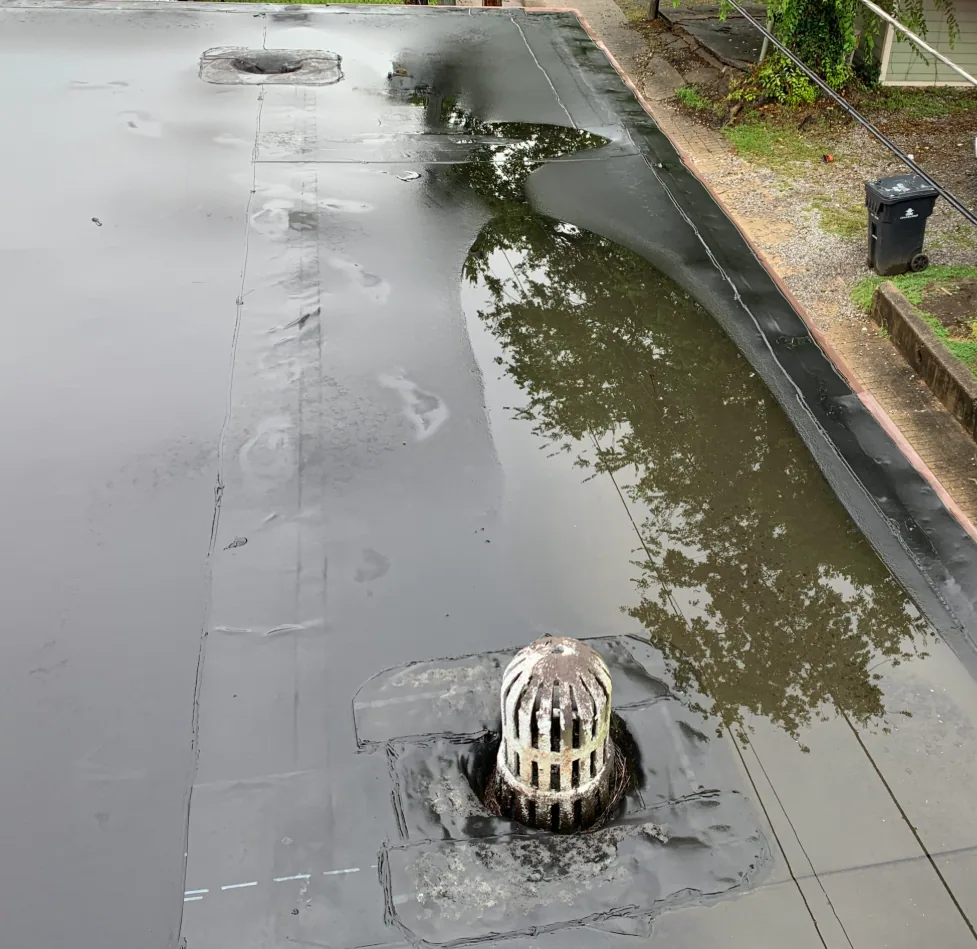
Separate impact evidence from ordinary wear
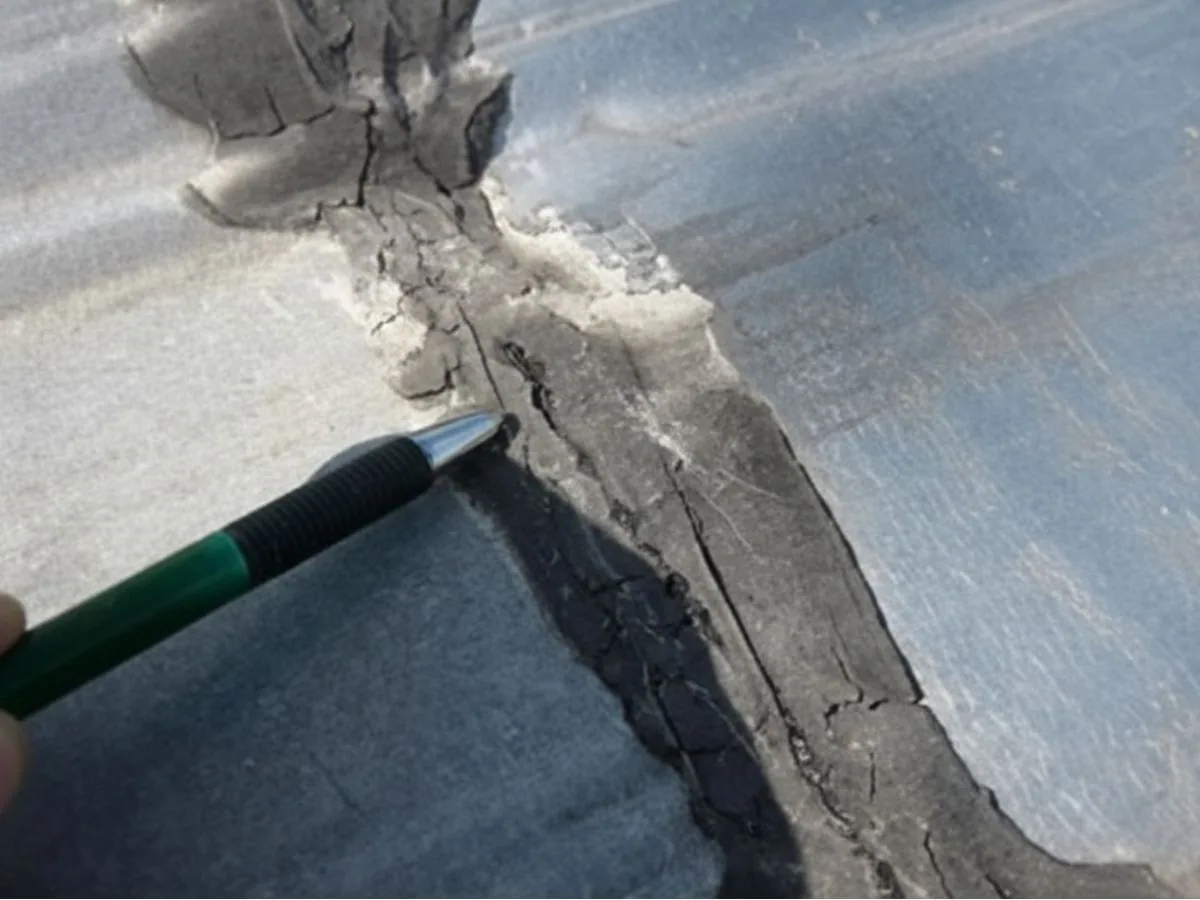
Inspect representative roof areas and vulnerable details: soft metal, flashings, rooftop units, skylight components, membrane field, perimeter metal and drains. Note dents, tears, fractures, loosened parts and any changes in surface condition. A dent in a component does not automatically prove the roof membrane has failed. Photograph similar areas in and out of the reported impact zone, then compare with maintenance history. If damage is concealed, state which test or opening would confirm it.
Water entry may not appear immediately after hail, especially where insulation or the deck holds moisture. We check seams, laps and details around each affected component and test suspect areas if necessary. A moisture survey can support the assessment, with field verification before the scope is set. For a localized puncture, membrane puncture repair can restore the opening after the damaged material and substrate are defined. If edge metal or attachment moved with accompanying wind, a wind damage survey can document those separate conditions.
Document conditions before temporary work
Photograph the roof before cleaning, patching or moving loose material when access is safe. Add a marked plan, location, date and wide-angle context so the report can be tied to the correct roof section. Temporary protection may be needed if hail opened the membrane, but label the covered area and preserve images of the original condition. We separate urgent leakage control from permanent repair. If the weather has not cleared, wait for safe access and avoid disturbing damaged components.
Westland Mall’s visitor activity and Hialeah Heights’ industrial site mix illustrate different access conditions, but the property contact must confirm actual operations at the building. We coordinate roof entry, staging, deliveries and any interior protection. Water after a hail event can also reveal blocked drainage or a pre-existing weak detail. Hialeah’s wet-season normal is 48.19 inches, so a temporary patch should preserve the water route. For a broader recovery scope, commercial roof repair can include related seams, edges and penetrations after inspection.
Inspect around Hialeah’s active storm periods
The stormiest wet-season stretch typically runs from mid-May through early July, and South Florida hazards include hail, damaging thunderstorm winds, lightning and flooding. After a confirmed local event, inspect once conditions permit. July and August heat index often reaches or exceeds 100°F, which affects safe access and repair timing. The greater tropical-storm and hurricane risk period begins in late August and lasts into mid-October. Keep temporary cover secure and check that debris has not blocked drains.
Miami-Dade lies within the High Velocity Hurricane Zone, and permit plans identify drains or scuppers, pressure zones and parapets. Product approvals and installation limits apply to roof systems selected for replacement. Hail evidence alone does not dictate a new assembly. We inspect the existing roof and distinguish damage that requires repair from a surface condition that does not compromise watertightness. A hurricane roof assessment addresses a different event and exposure profile. For a building in the Westland Mall district, that location helps route the work, while the roof survey determines the actual damage.
Keep the claim record tied to observed damage
Pricing depends on the number of affected areas, roof height, access, membrane or metal type, water entry, wet insulation, equipment details, temporary protection and approved repair extent. We show the impacted component and the work needed to restore it. If broader replacement is proposed, explain why localized repair cannot address the observed condition. Do not multiply one dent or mark into an unsupported roof-area quantity.
The report should separate new impact evidence from existing coating wear, corrosion, open seams or prior patches. Include photographs, measurement notes and any area not inspected. If a claim is being documented, retain the owner’s event information and distinguish it from the roofer’s field observations. A claim documentation service can organize roof findings and photos for review without promising an insurance outcome. A roof condition report makes the repair limit and remaining uncertainty clear for the approval contact.
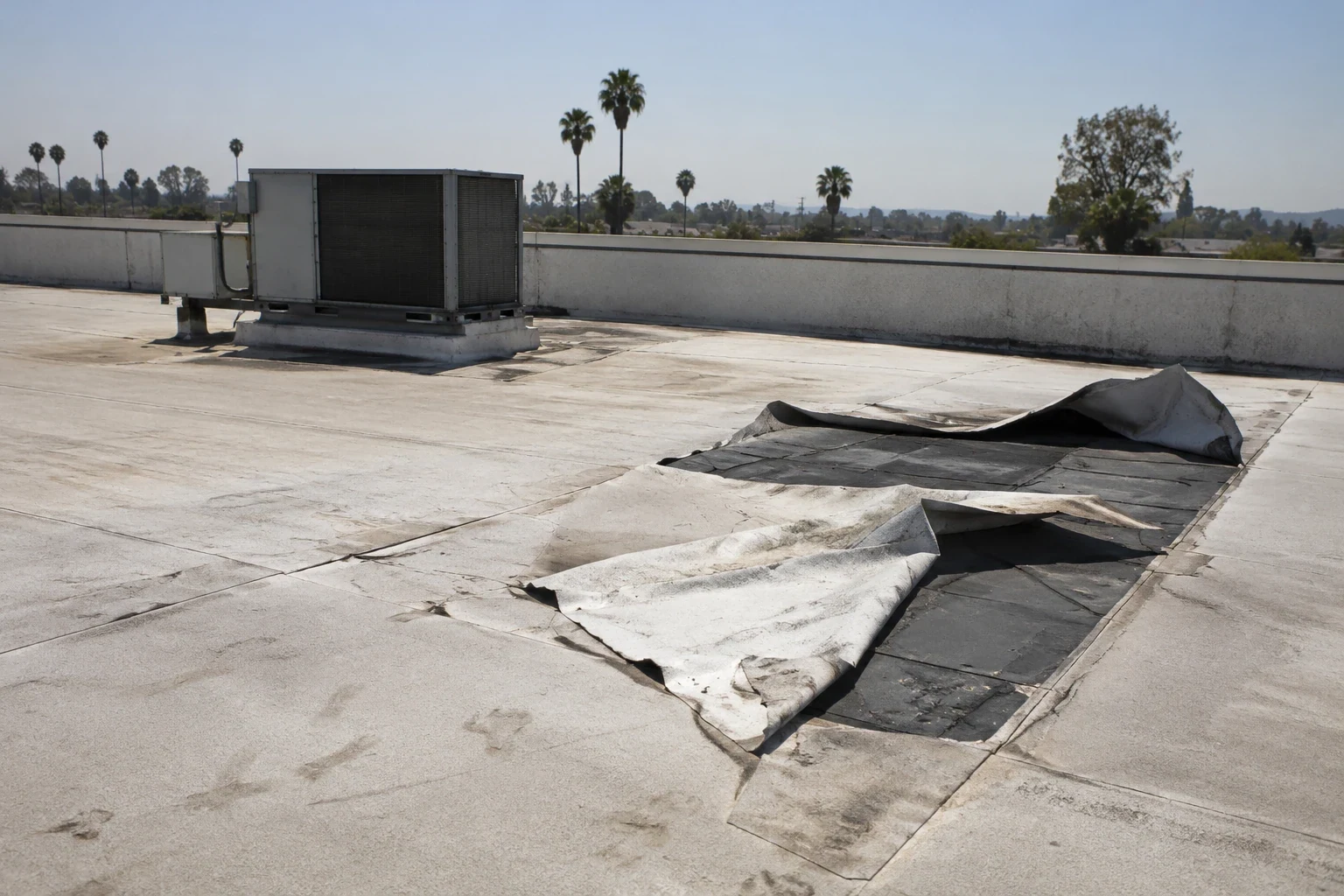
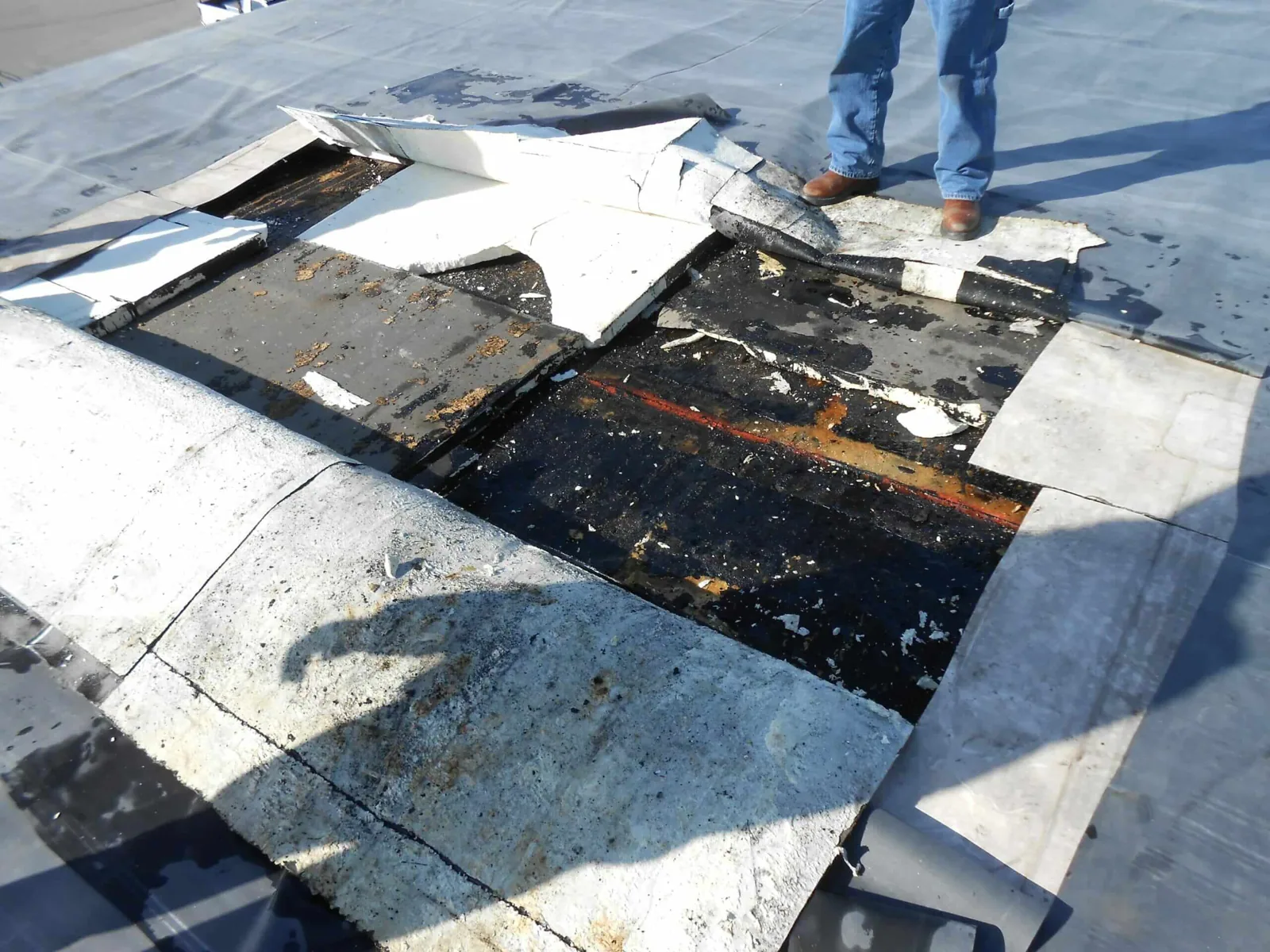
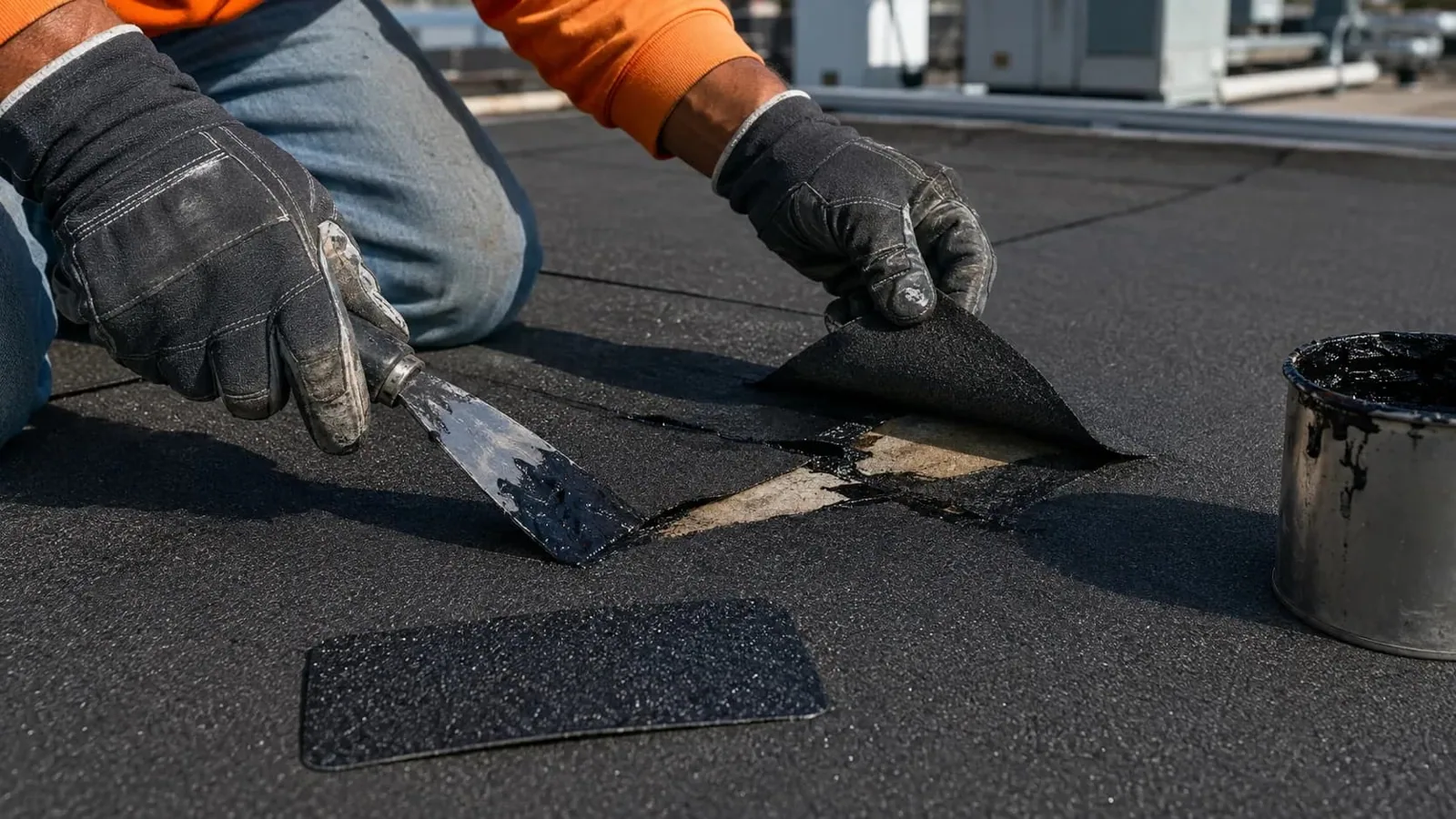
Return a baseline for the next storm
After repairs, photograph the finished detail, mark the repaired zone and list any areas not included. Keep the event date, inspection date and repair completion date separate. If a component was dented but not replaced because it remained sound, record that decision and any monitoring requirement. The owner can then compare a future storm inspection with the current baseline and avoid confusing earlier wear with new impact.
Hialeah’s Westland Mall retail area and Hialeah Heights industrial district are separate location records with separate properties. Keep the actual address and roof section in every report. A maintenance inspection can revisit exposed components, seams and drains before the next rainy period. Share the event details, building address, existing roof history and approval contact. We will return the visible findings, any verified moisture, a repair boundary and the next decision in plain terms.
Questions
WHAT OWNERS ASK
Does hail automatically require a roof replacement?
No. We inspect for actual membrane, flashing or component damage and check whether the roof remains watertight. A replacement recommendation needs evidence that damage is broad or the assembly cannot be restored with localized work.
What should be photographed after hail?
Capture close views of suspected impact and wider views that identify the roof section. Include metal, rooftop components, membrane and any new interior leak, and note the date and address. Photograph before temporary repairs when it is safe to do so.
Can old wear be separated from recent hail marks?
We compare exposed and sheltered areas, prior photographs, maintenance records and the physical condition of each component. The report states where timing is uncertain instead of assigning every mark to the latest event.
When are Hialeah hail inspections most relevant?
After a confirmed thunderstorm with hail, once the roof can be accessed safely. South Florida’s stormiest wet-season stretch runs mid-May through early July. Check the membrane, metal details and drainage, then record any temporary cover.
Related Roofing Work
Verify the roof before choosing repair
Provide the Hialeah address, event date, roof history, interior reports and approval contact. We will inspect the roof and distinguish documented hail damage from other conditions.