
Commercial Roofing at Hialeah Transfer Station, Hialeah, FL
Service Areas
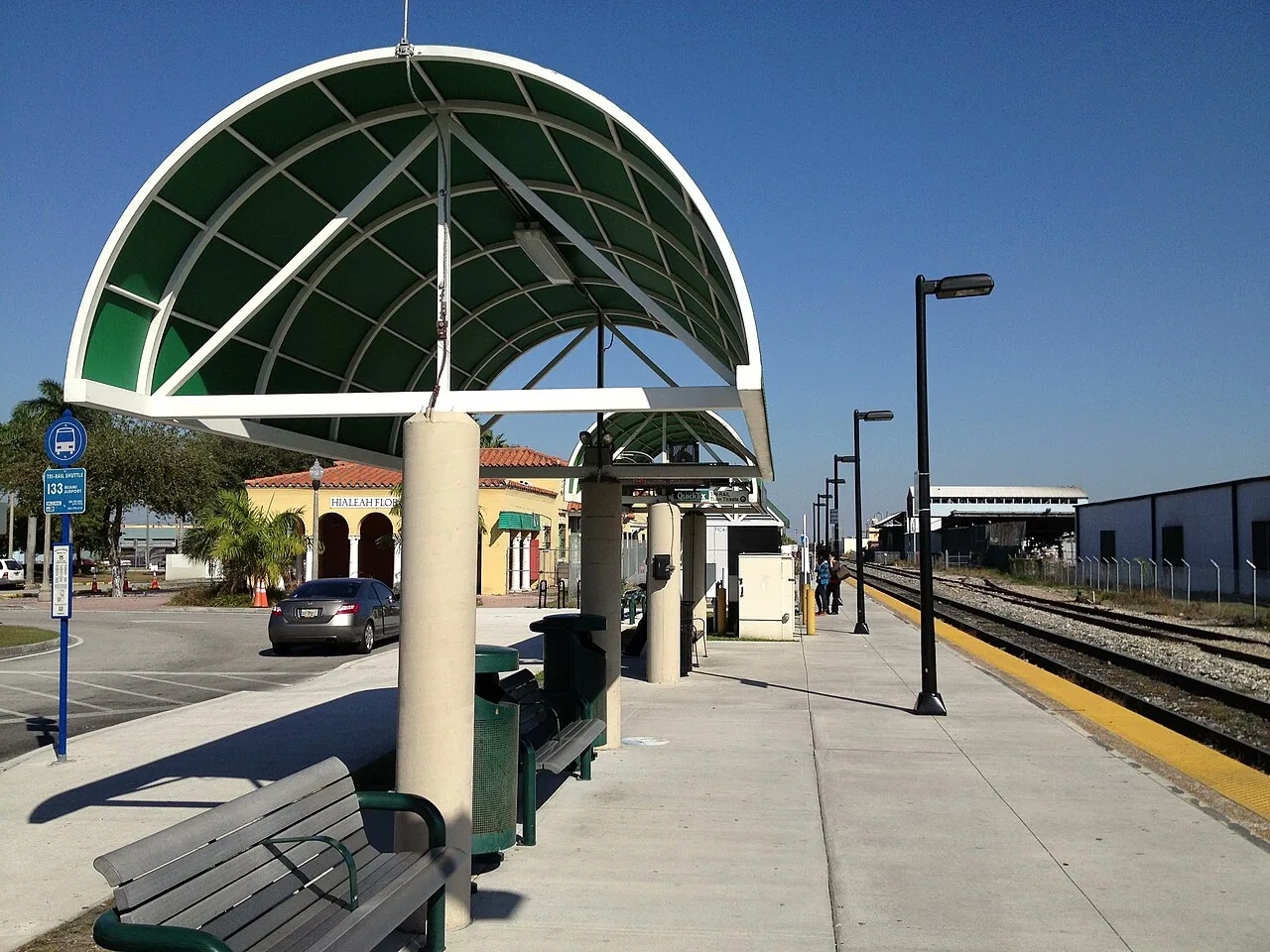
A commercial roof near Hialeah Transfer Station needs a parcel address and assigned building before repair or replacement is scoped. The station serves Tri-Rail and Metrorail, and the subdistrict includes parcels designated for transit-oriented redevelopment. We map roof sections, access and approvals by building, then coordinate work timing with the property's construction and operating contacts.
Hialeah's commercial and industrial economy includes service activity, distribution and light manufacturing. The operating use and roof assembly are confirmed at each address. We review plans and repair history, walk accessible areas, tag observed conditions and record the next decision beside the evidence for the property owner.


Review the parcel before setting the scope
We start with the street address, ownership contact, roof plan and current construction or tenant schedule, then map each roof section independently of the parcel's redevelopment boundaries. If a parcel contains more than one roof area, each section receives a reference point and a separate access note. We record gates, escorts, ladders, lifts, staging space and any route that must stay open. A drone roof survey can map visible conditions, while a building roof record ties findings to a marked section.
Hialeah connects to Tri-Rail and Metrorail, and the Transfer Station subdistrict covers designated redevelopment parcels around the station. That transit context makes work sequencing worth confirming with the property representative. The building contact confirms current occupancy, planned site work and who can approve a roof opening before materials are disturbed.
On the roof, we locate seams, penetrations, curbs, drains, scuppers, parapets and edge conditions. Each photograph shows enough surrounding detail to place the finding. If a roof area is locked or unsafe to reach, the report says what remains uninspected and how that gap affects the recommendation.
Trace water to a roof section
A ceiling mark near a station parcel is an interior symptom, not a repair location by itself. We compare the room report with roof details above and upslope, then look for open laps, failed flashing, ponding, blocked outlets and old patches. Water can travel beneath a membrane before it appears inside. We mark the suspected entry and identify whether moisture readings or a test opening would change the repair limit.
Hialeah's normal wet-season rainfall is 48.19 inches, with the most active storm period from mid-May into early July. Before that stretch, we check the drainage path from each inspected section to its outlet and note standing water or obstructions. A focused roof repair can address a measured outlet issue. The scope distinguishes that work from membrane repair so the owner can approve each item on its own evidence.
If the observed defect is limited and adjacent material remains sound, a targeted repair may contain the problem. Wet insulation, deteriorated deck or a failed transition can require a wider removal boundary. The crew documents the exposed layer, quantity and schedule effect before requesting approval to continue. That keeps a localized authorization from silently becoming a larger project.
Set a safe close point for every shift
South Florida's tropical threat season rises near the end of August and remains greater into the middle of October. Miami-Dade's High-Velocity Hurricane Zone rules can bring pressure-zone, drainage and parapet details into permit review. We document the existing edges and water route, then coordinate plan review when proposed work changes those details. Product-specific installation limits and approved project documents govern the selected assembly.
The July and August heat index in South Florida can pass 100 degrees, so we plan roof access and material handling for safe conditions. Work hours, lifting and material handling need to account for heat exposure as well as membrane conditions. Before an opening begins, we identify the area the crew can complete and secure during that shift. The daily log states what is watertight, where a temporary cover remains and who receives the weather update.
Owners comparing a repair with a coating restoration review need the same roof boundary and evidence for both choices. Existing layers, moisture, drainage, attachment and edge conditions affect suitability. We list confirmed work separately from concealed-condition allowances and show the next approval needed to change the plan.
Keep station-area properties distinct
An owner may coordinate visits across Hialeah without combining roof records. If facilities also manages a building near Hialeah Market Station or an address along the Hialeah industrial area, we schedule around each property's access contact and operating limits. Separate photos, roof plans, work authorizations and closeout files prevent an approval for one address from being applied to another.
A portfolio capital plan can show inspections, open tests, deferred repairs and pending decisions by address. It helps ownership group travel and reporting while retaining each building's own scope. The record identifies who approved temporary protection, who will review a change and which roof section needs the next visit.
Cost and timing reflect the roof assembly, removal depth, access equipment, tenant protection, disposal, testing and weather window. Where work overlaps redevelopment, the construction lead and property contact confirm a safe route and handoff. The proposal lists lift, escort, shutdown and restricted-area requirements with the contact who approves each.



Return a record ownership can act on
Closeout lists the Hialeah address, roof sections reached, materials installed, details repaired, tagged photographs and items deferred. It identifies temporary protection that remains and the person responsible for follow-up. If a test or construction handoff is still pending, the record states its location and the decision required before that area returns to the work plan.
For urgent leaks, crews can respond overnight, on weekends and over holidays. A temporary leak control can limit water entry while the permanent scope is reviewed. The record distinguishes approved permanent work from immediate protection and identifies the follow-up task. Share the address, roof plan, access contact and reported condition to set the first inspection boundary.
Questions
WHAT OWNERS ASK
Does the transfer station district designation tell you what roof is on a parcel?
No. We use the address, available plans and field observations to identify the assembly and its condition. The transit-oriented designation describes the redevelopment subdistrict, not the roof covering or the number of structures on a parcel. Any inaccessible or concealed area stays marked for inspection or testing before it enters the repair quantity.
Can roof work be coordinated with redevelopment activity near the station?
The site contact confirms construction phasing, access restrictions, deliveries and who can approve a roof opening. We then set the work boundary and handoff around those actual conditions. The assigned site contact approves entry into active work zones and any change to the roof scope.
What drainage details matter before Hialeah's rainy season?
We trace each section's runoff to its drain or scupper, check for blockage or a damaged connection and photograph the result. Hialeah's 48.19-inch wet-season normal and early-summer storm period make water paths a practical inspection item. The report separates routine cleaning from repairs that need a measured scope.
How do you price an uncertain roof repair?
The proposal separates visible, measured work from an allowance for layers that cannot be confirmed without an opening. If removal exposes wet insulation or deck damage, we document the layer and ask for approval before extending the boundary. Access, lift needs, staging, disposal and the hours available also affect timing and cost.
Related Roofing Work
Set the inspection by parcel and roof section
Share the Hialeah address, roof plan, access contact and reported condition. We will inspect reachable sections, document the work boundary and return the next approval in writing.