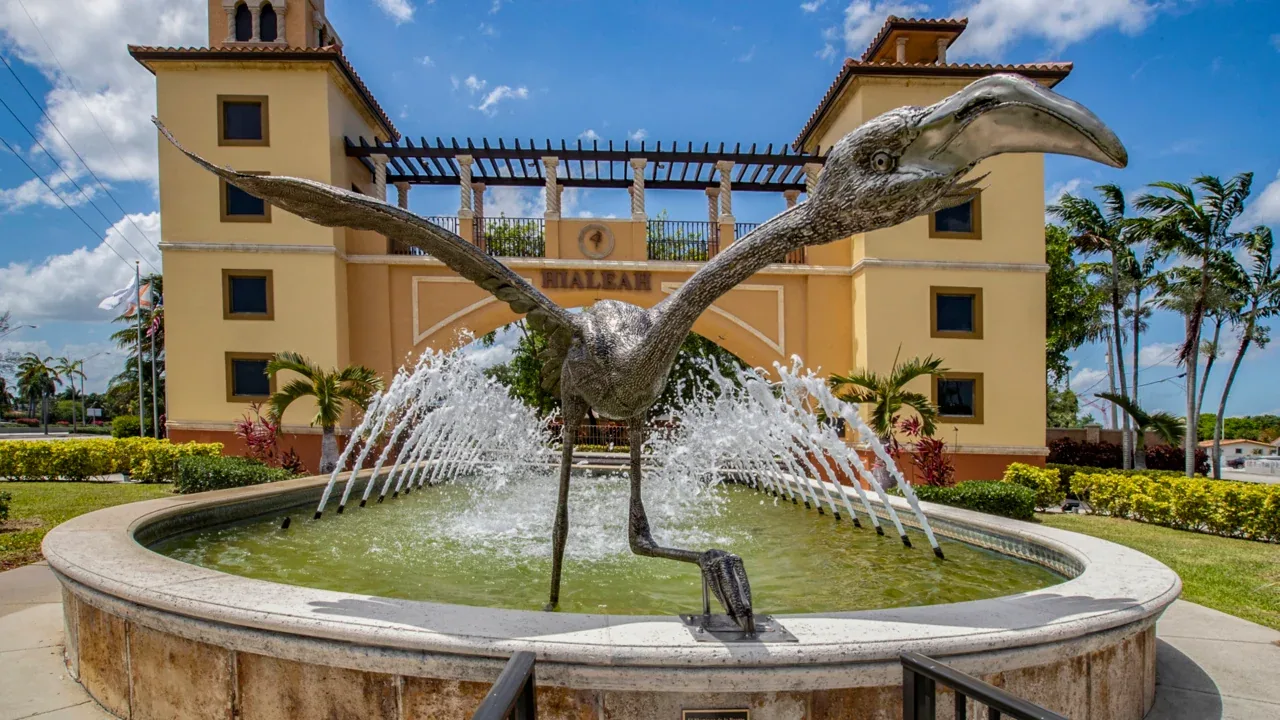

Carlisle SynTec Roofing in Hialeah, FL
Roofing Manufacturers
An invoice that says Carlisle does not tell us if the current roof is Sure-Seal EPDM, Sure-Weld TPO, Sure-Flex PVC or a FleeceBACK assembly. Years of patches, equipment changes and recover work can obscure the original specification. We identify the membrane and attachment in place, inspect seams and transitions, and test suspect insulation before recommending a repair. Hialeah Heights has substantial commercial and industrial designation, and West 49th Street is a major commercial corridor. We identify the installed assembly and confirm access at the building under review.
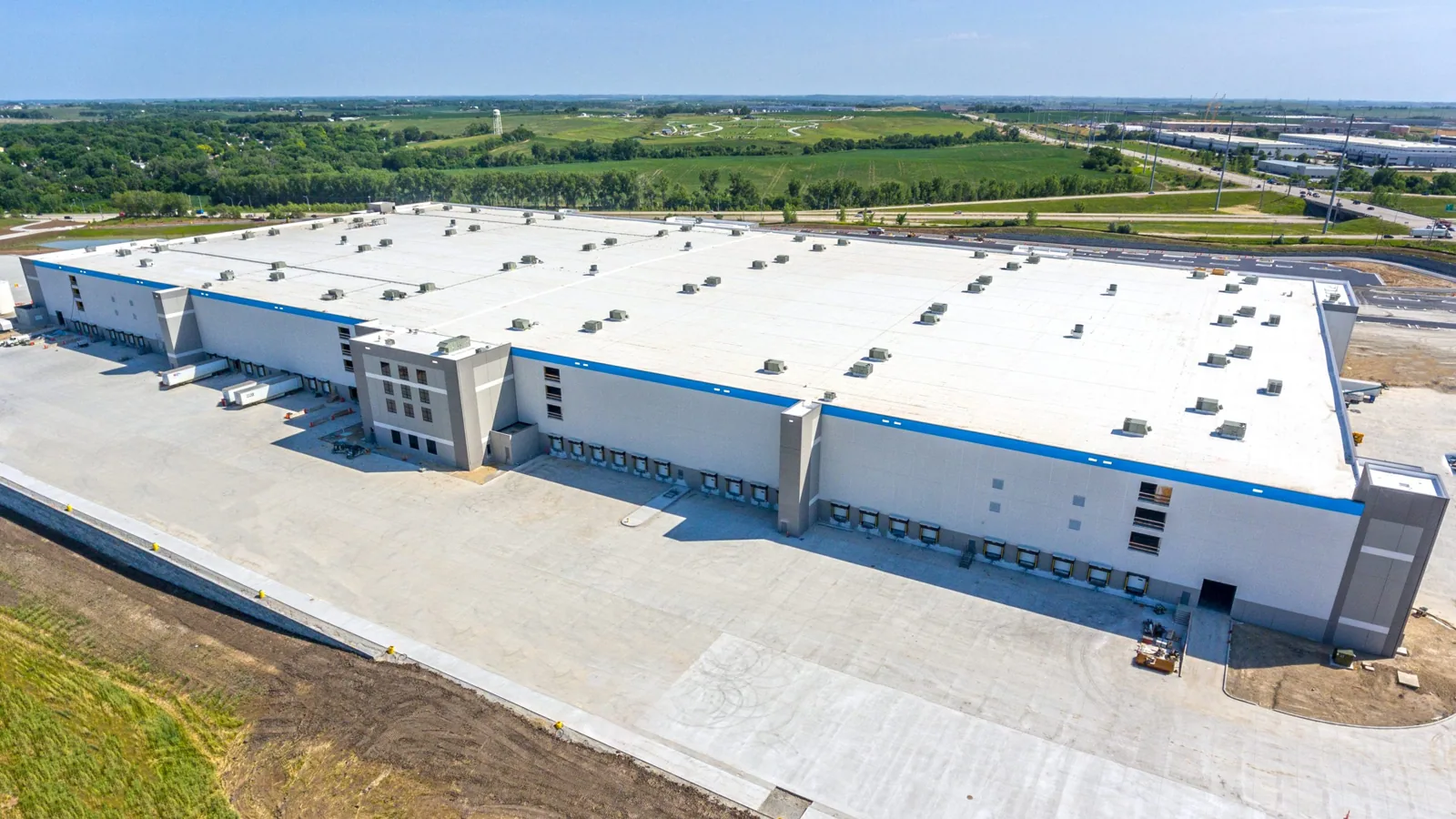
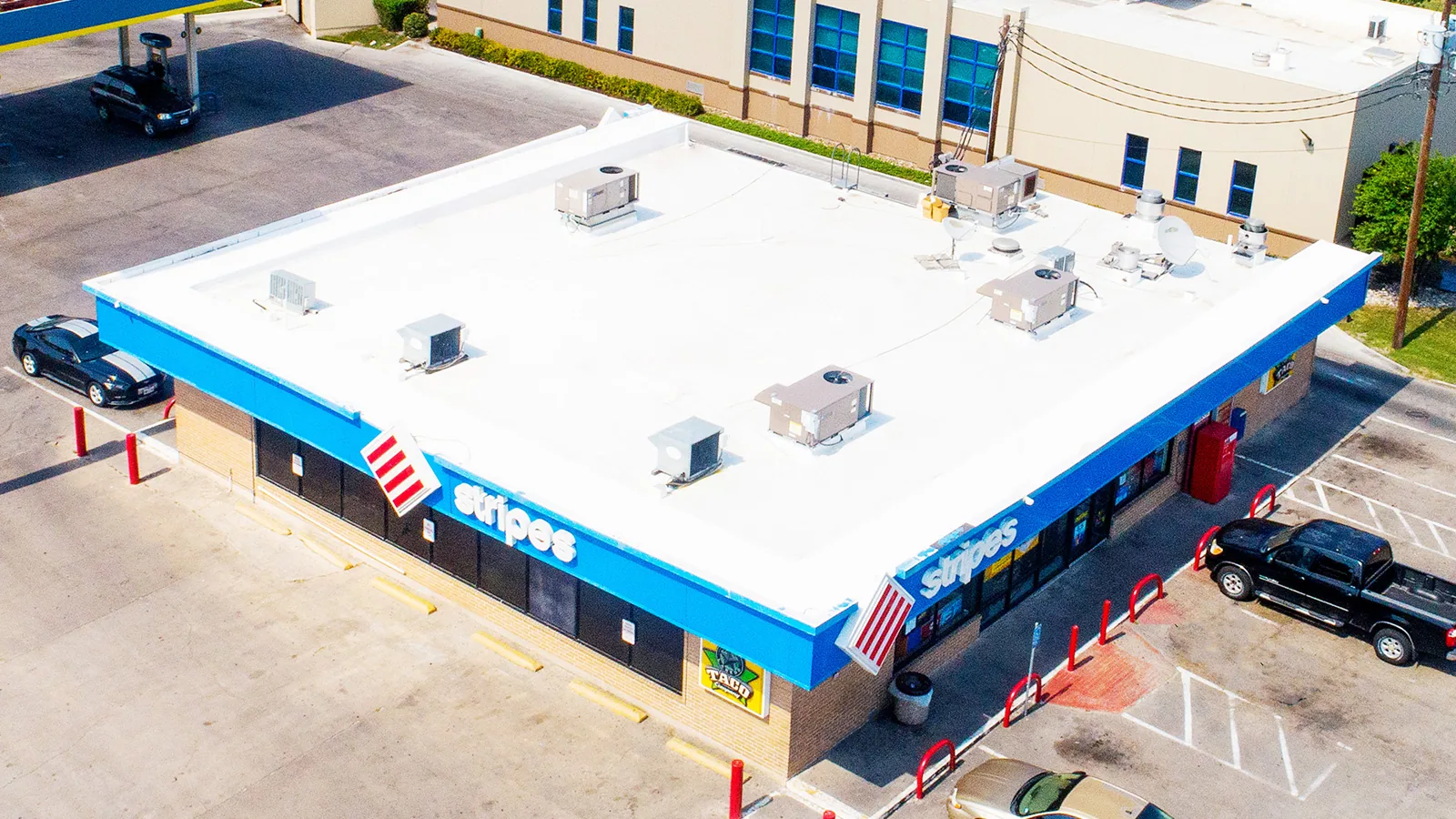
Carlisle SynTec’s commercial portfolio includes EPDM, TPO, PVC and fleece-backed single-ply systems, along with insulation, adhesives and accessories. Each material has its own seam method and repair products. We match the work to the installed membrane and approved detail, not just to a brand label. A commercial roof inspection identifies defects, moisture and the actual repair boundary before we price a system change.
Distinguish the Carlisle membrane families
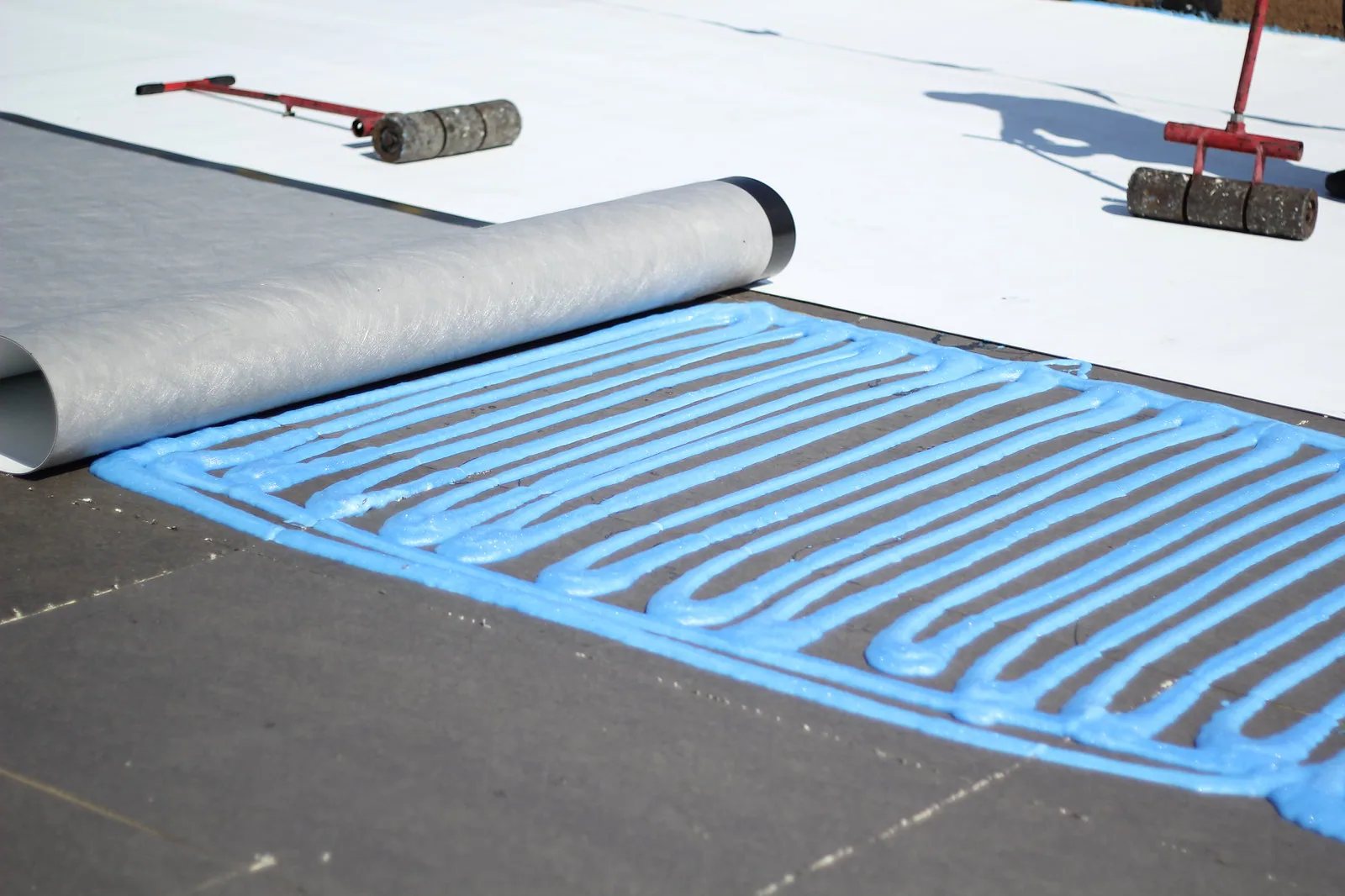
Sure-Seal is Carlisle’s EPDM line, a flexible rubber membrane commonly joined with compatible seam tape and adhesive. Sure-Weld is its TPO product family, and thermoplastic seams are heat welded. Sure-Flex is a PVC membrane family. FleeceBACK membranes add a fleece backing and can be used in specific adhered or recover assemblies. We verify the exact membrane marking, surface, backing and attachment because details and repair materials are not interchangeable across these families.
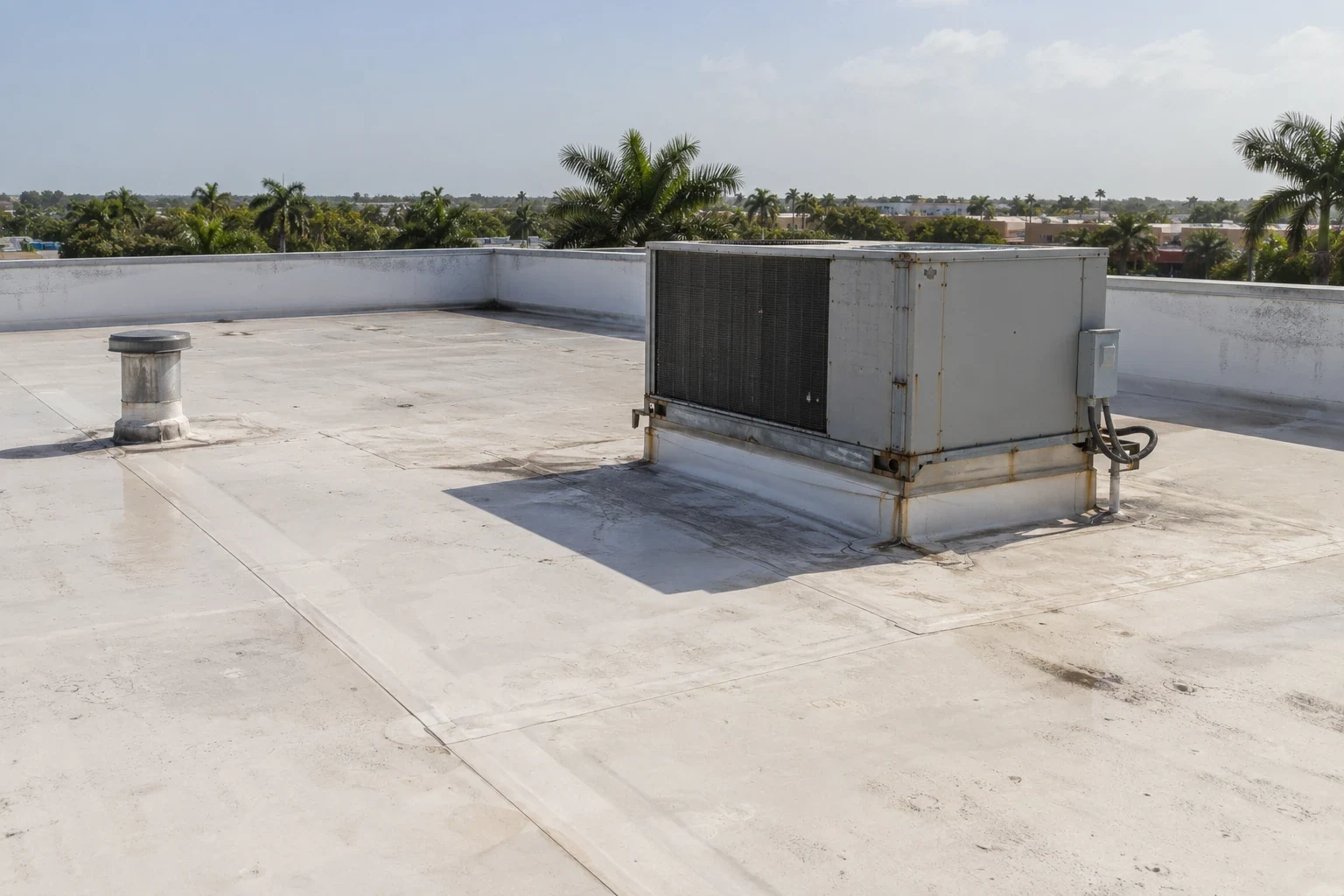
The roof beneath the membrane matters too. We inspect insulation, cover board, deck, drains, curbs and perimeter securement. A recover is considered only if the existing layers are suitable and dry, and if added height and transitions can be addressed. For an existing TPO section, compare its assembly with TPO roofing details; for a rubber sheet, review the system context in EPDM roofing. We identify the installed assembly by its membrane, attachment, substrate and compatible detail before specifying work.
Test the seam before ordering repair material
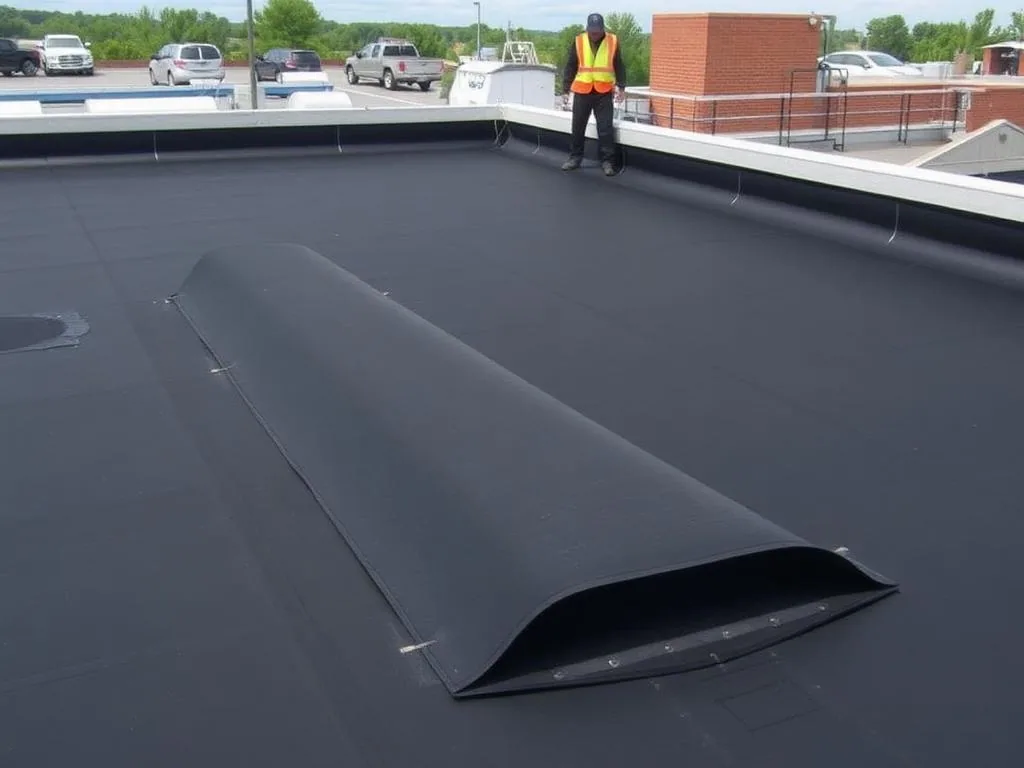
On EPDM, a peeled seam tape or failed adhesive needs a compatible repair approach and sound substrate. On TPO or PVC, probe a suspected weld, inspect corners and check the termination. Fleece-backed sheets call for attention to bond, backing and transitions as well as the exposed membrane. We record where the opening starts and ends, check moisture below it, and map affected details before cutting out material. If one seam is weak but the field remains dry, a local repair may preserve the surrounding roof.
Hialeah records a 48.19-inch normal for wet-season rain; drainage and seam reviews should be scheduled with the mid-May to early-July storm peak in view. A weak lap or drain interface may see repeated water exposure. Hialeah is in Miami-Dade County’s High Velocity Hurricane Zone, where roof plans need to account for drains or scuppers, pressure zones and parapets. Product approval and installation conditions depend on the chosen assembly. We document those conditions before replacement. A seam failure repair can correct a confirmed opening, while a moisture survey can help locate suspect insulation.
Rebuild each detail as part of the assembly
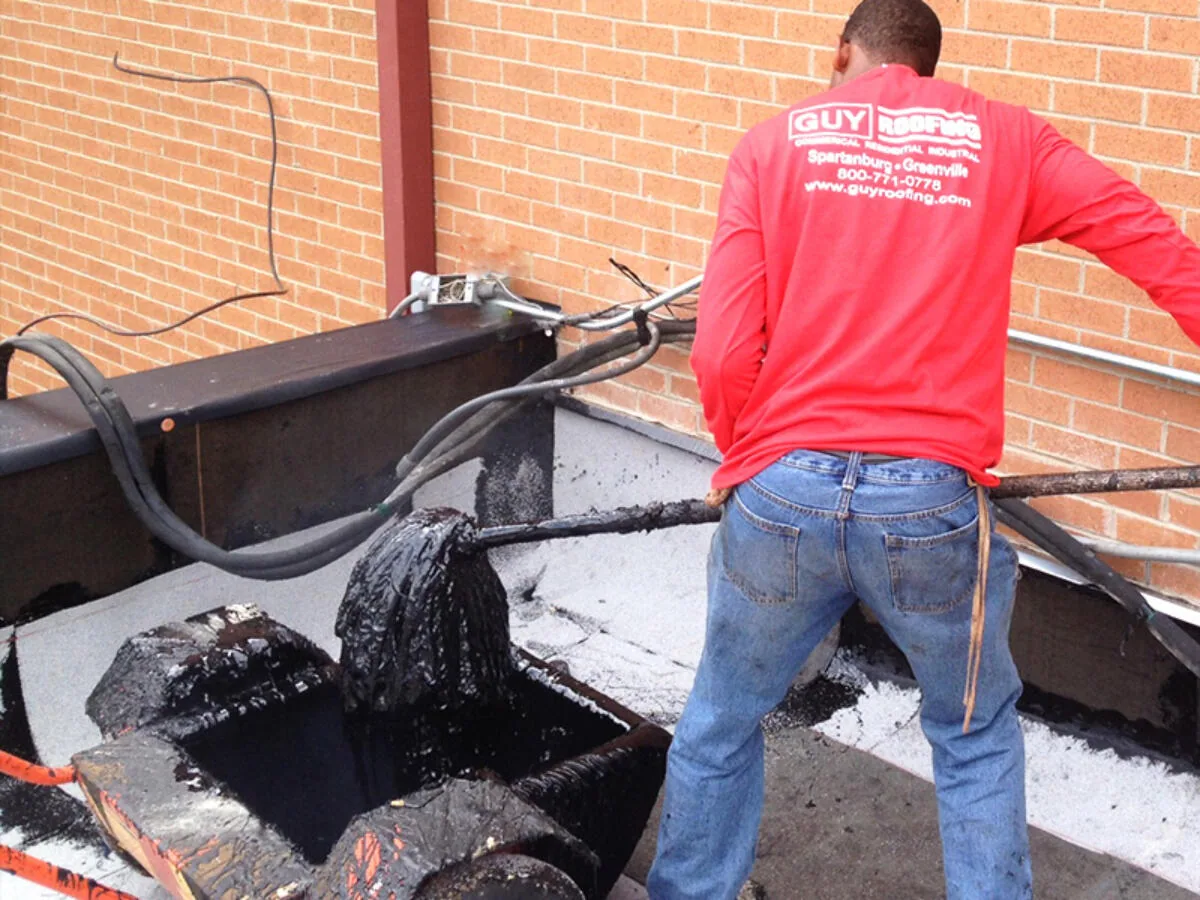
Every system has transitions at drains, walls, penetrations, curbs and roof edges. We inspect those points and verify which Carlisle flashing or accessory detail matches the membrane and substrate. If rooftop equipment has been replaced, examine the curb and adjacent sheet for later alterations. We prepare sound surfaces, remove failed material within the agreed limits, install the compatible repair and check the completed lap or weld. A patch should not bridge wet insulation or conceal a loose edge.
Staging and tie-in work need Hialeah weather in the plan. The stormiest rainy period is mid-May to early July, and summer heat can narrow safe rooftop hours. We limit exposed areas and define daily dry-in, drain access and weather holds. At a building near Hialeah Heights, the contact confirms loading access; along West 49th Street, the property contact confirms any customer-route protection. For building occupants, occupied-building reroofing provides a sequence based on the actual access plan.
Compare repair, recover and tear-off
The estimate changes with membrane family, seam length, repair area, moisture below the sheet, attachment type, perimeter details, access, drainage correction and disposal. A small EPDM seam repair differs from a fleece-backed recover or a full TPO tear-off. We list the existing layers, proposed assembly, insulation or deck replacement, and concealed conditions that could change quantities. If product documentation is missing, the inspection can identify the test or opening needed before a final system choice.
A roof's membrane family and attachment are confirmed through markings, records and field inspection before the estimate compares repair, recover or replacement. If the asset includes another manufacturer’s system, GAF commercial roofing offers a separate set of TPO, PVC and asphaltic options, while Johns Manville systems include single-ply and bituminous families. We compare assemblies only after recording the building’s deck and operating constraints.
Keep Carlisle system details in the file
Closeout should note the membrane family and product where identifiable, installation method, repaired seam or detail, date, moisture findings and sections excluded from work. Add photographs that locate repairs on the roof plan. If the work used a recover, record the condition of the underlying roof and the approval basis. This prevents a future service call from treating an EPDM patch and a TPO weld as the same detail.
Hialeah’s Palm Springs Mile and Westland Mall are major commercial areas, but roof records should follow the property address. A maintenance inspection can revisit the repaired seam, flashings, drains and perimeter before the next wet season. Share any Carlisle submittal, original roof plan, leak history and approval contact. We will verify the current system, document what it needs and provide a scoped repair, recover or replacement recommendation. The record should identify the next inspection date and any temporary patch that still needs review. Give the facility contact a copy of the annotated roof plan, repair limits and recommended observation date for future maintenance reviews.
Questions
WHAT OWNERS ASK
How can we tell which Carlisle membrane is on the building?
Look for product markings, project records and compatible accessories, then inspect the roof itself. Patches or recover layers may cover the original membrane. We document what is confirmed and test or open a small area if the assembly remains uncertain.
Can Carlisle EPDM and TPO use the same repair materials?
No. EPDM and TPO have different membrane chemistry and seam methods. We identify the roof and select compatible materials and details for that system. A repair product should not be chosen from the manufacturer name alone.
Is a FleeceBACK Carlisle roof always suitable for a recover?
The fleece backing is one system component, not proof that another layer can be installed. We check moisture, attachment, substrate, added height, drainage and the proposed assembly requirements before recommending a recover.
What weather period matters for Carlisle repairs in Hialeah?
Mid-May through early July is generally the stormiest wet-season stretch. Secure the roof at the end of each shift and keep outlets clear. July and August heat can limit safe work hours, while tropical risk rises later in the season.
Related Roofing Work
Identify the Carlisle system before repair
Send the Hialeah address, Carlisle product records, roof history and approval contact. We will inspect the membrane and details, then return repair, recover or replacement options tied to the building.