
Commercial Heat and UV Roof Damage Repair in Hialeah, FL
Roof Damage Repair
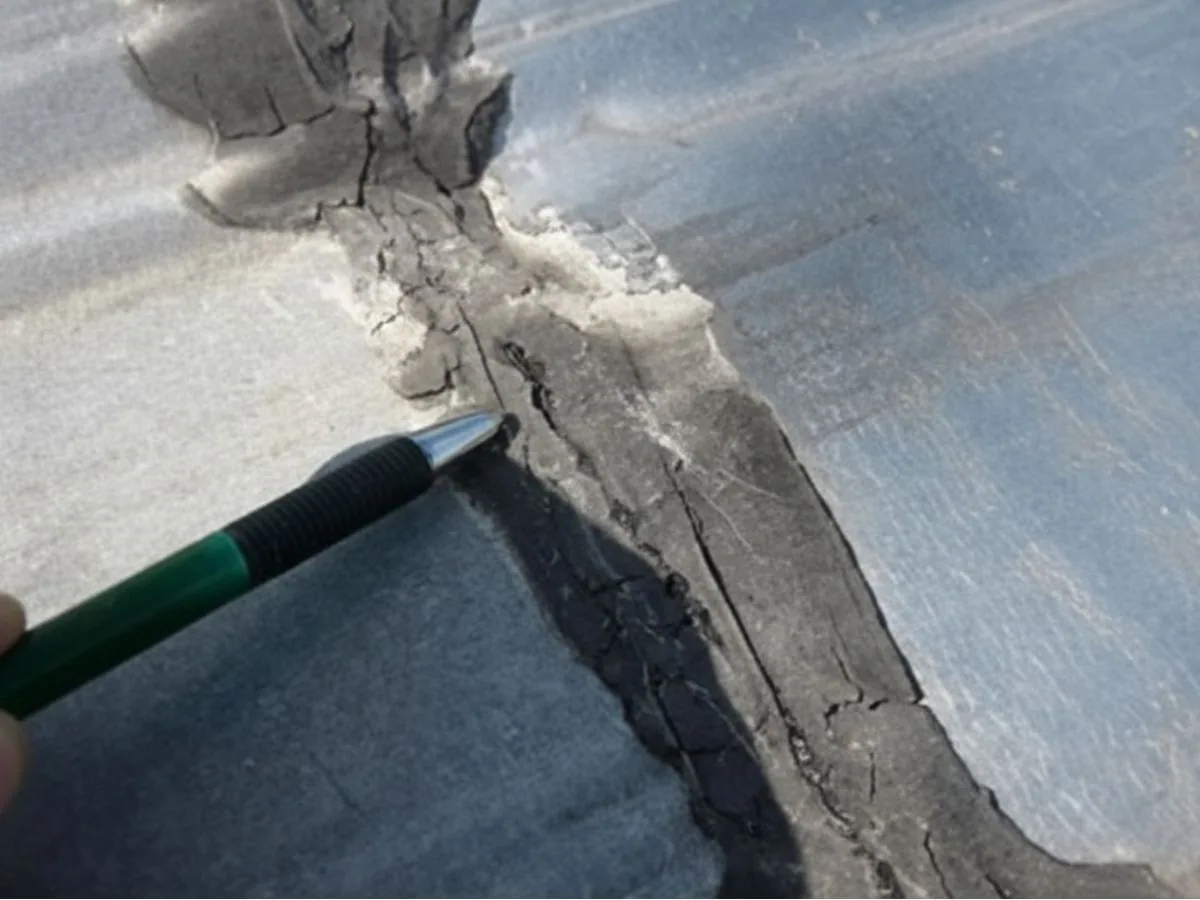
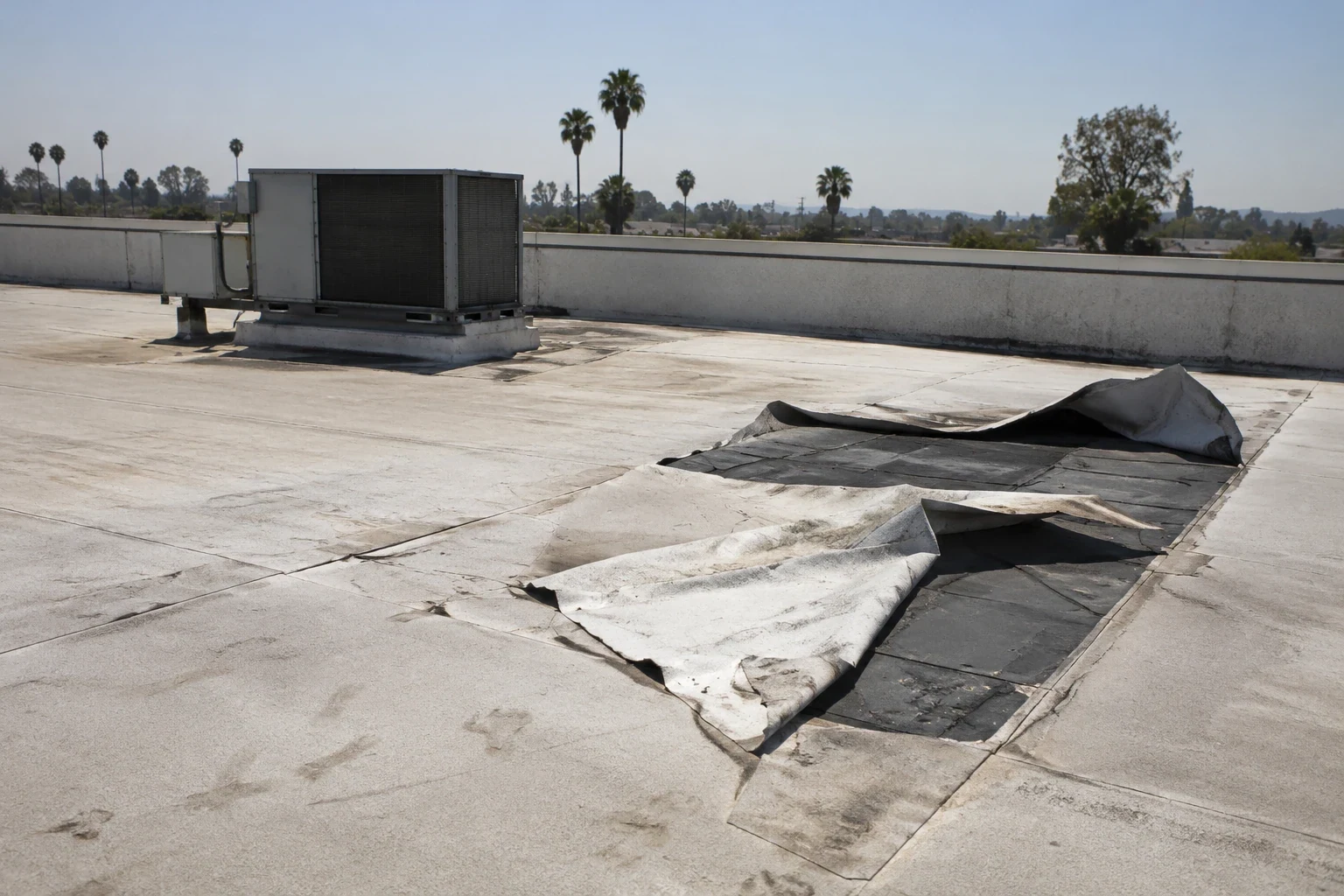
A surface that has become brittle, faded, cracked or difficult to weld needs a condition check before a coating or patch is specified. Hialeah’s strongest summer heat exposure falls in July and August, when heat index can top 100°F and stress both crews and rooftop materials. The actual roof temperature is not measured by that heat-index value; we inspect the material and detail in place. Hialeah Heights’ industrial and distribution properties and Palm Springs Mile’s commercial buildings occupy different settings, but roof condition is specific to each address.
We inspect low-slope and metal systems, repair them, replace them, recover or restore suitable assemblies, apply coatings and provide maintenance. The survey identifies the membrane type, surface condition, attachment, seams, flashings, drains and areas where moisture may be present. UV exposure can weather roof surfaces over time, but appearance alone does not establish loss of watertightness. A commercial roof inspection records what has degraded, which details remain sound and what work is supported.
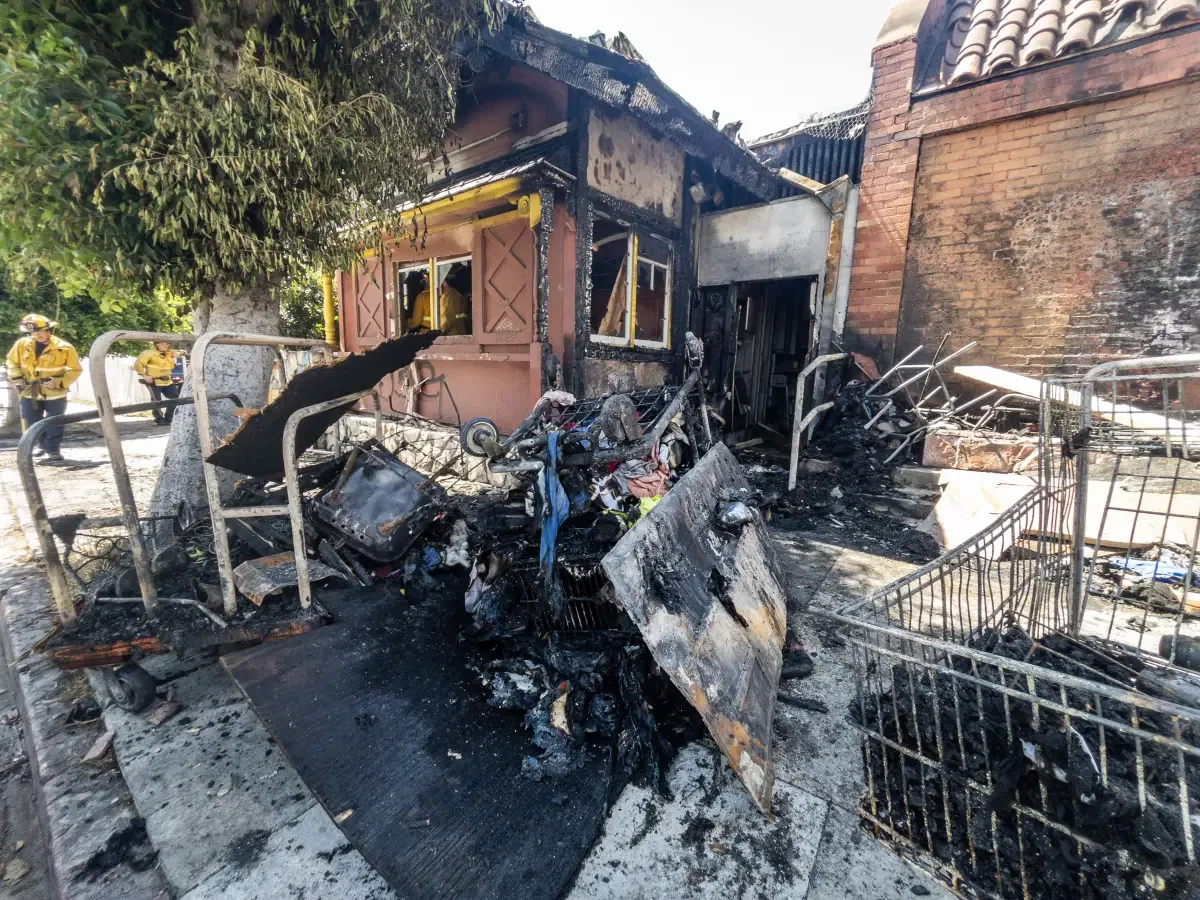
Compare the field surface with vulnerable details
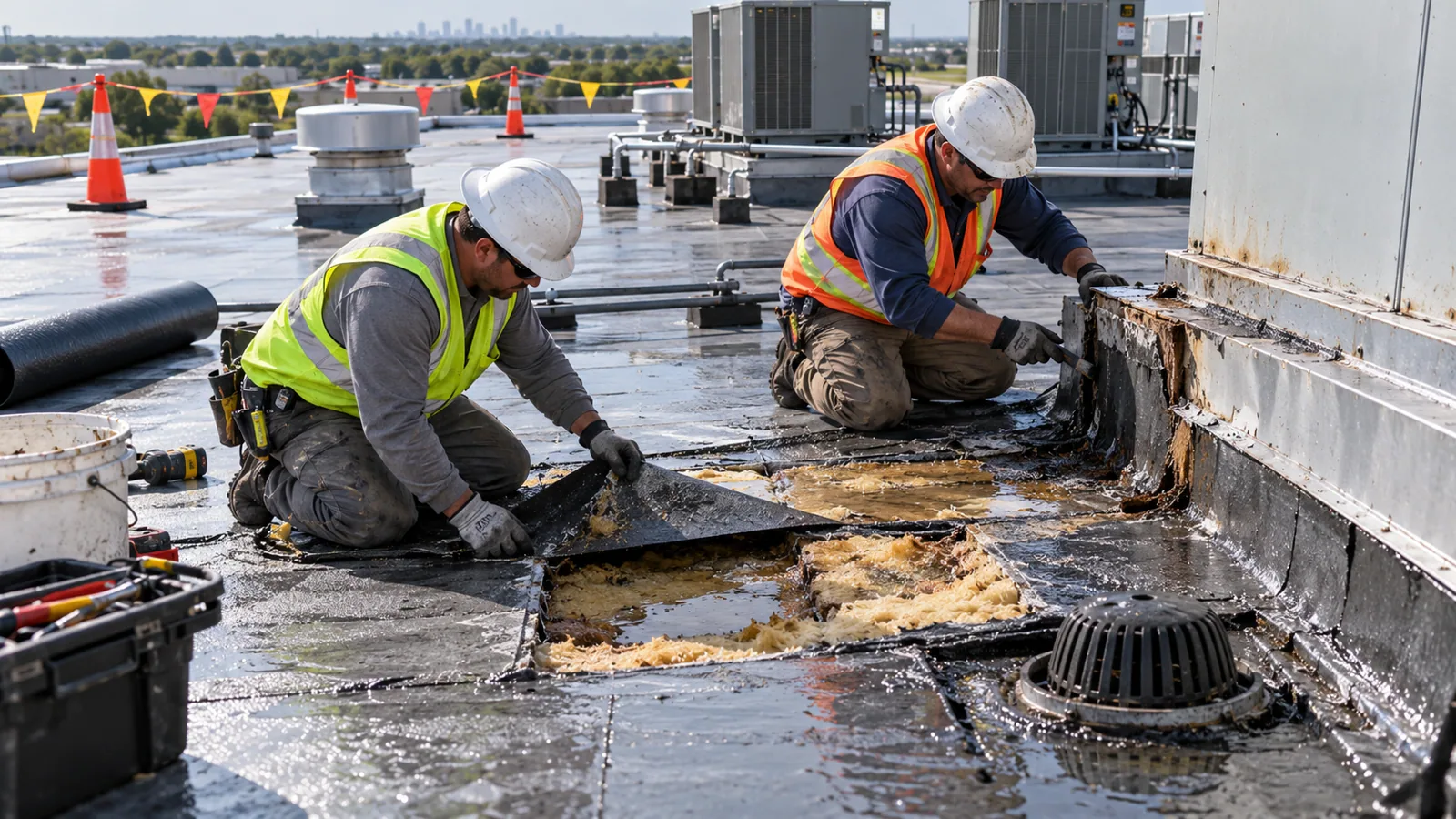
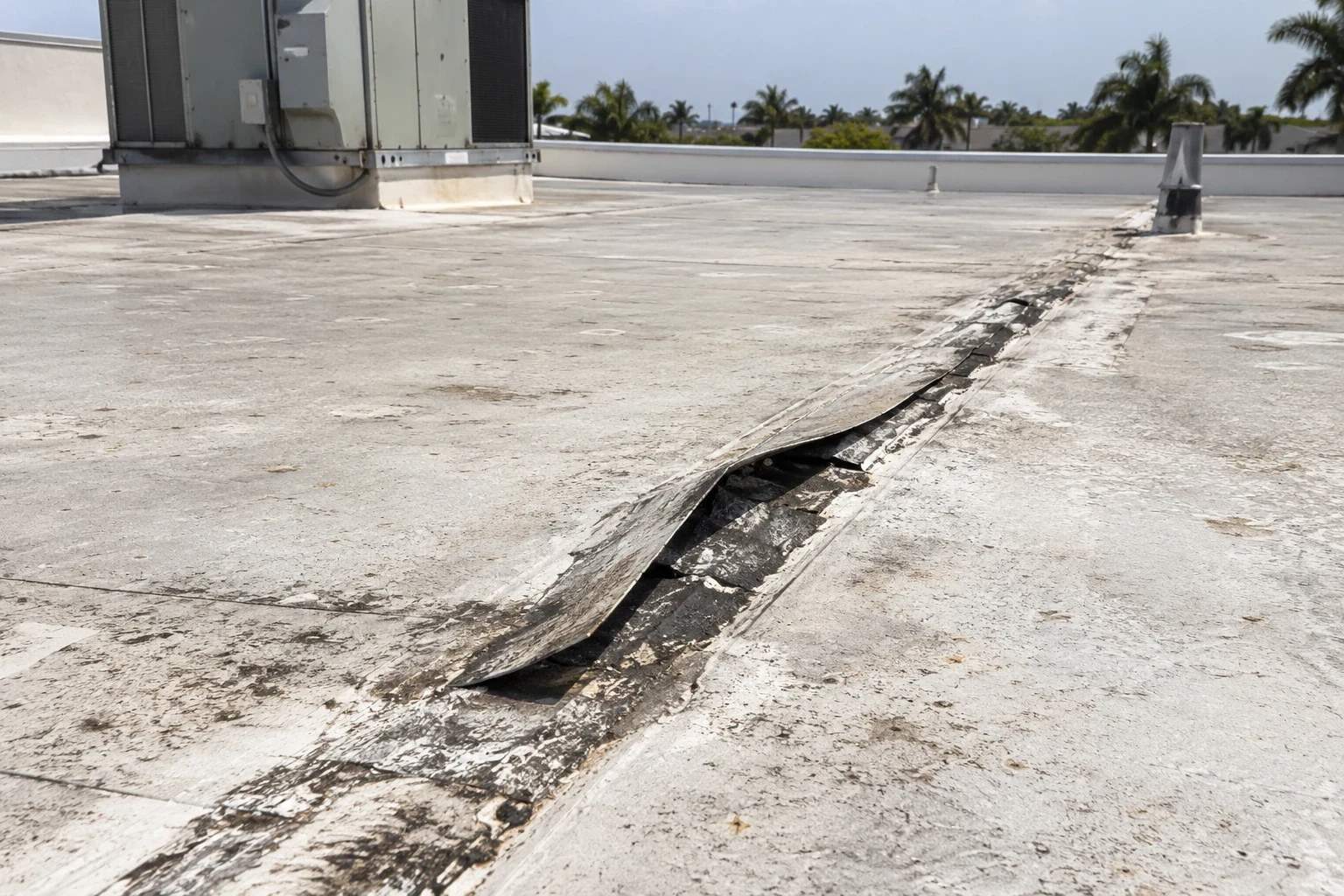
Check broad membrane areas for cracking, chalking, shrinkage, exposed reinforcement, blisters, loose seams and patch failure. Then inspect edges, penetrations, curbs and drain details, where movement or water can compound surface aging. Metal roofs need separate attention to fasteners, coatings, laps and corrosion. We document changes by roof section instead of describing the entire building with one condition label. Moisture testing can identify wet insulation beneath a surface that otherwise looks dry.
Work scheduled in July or August may face heat-index readings above 100°F, limiting the safe time available on an exposed roof. That is a crew-safety scheduling fact; it does not provide a roof-surface reading for the building. Rainfall over the wet season has a 48.19-inch normal for Hialeah; its stormiest weeks cluster from mid-May into early July. Cracks or open seams can admit water during repeated rain. A moisture survey can help locate suspect areas, while seam failure repair addresses a confirmed opening as a separate defect.
Choose repair, coating or replacement from the substrate
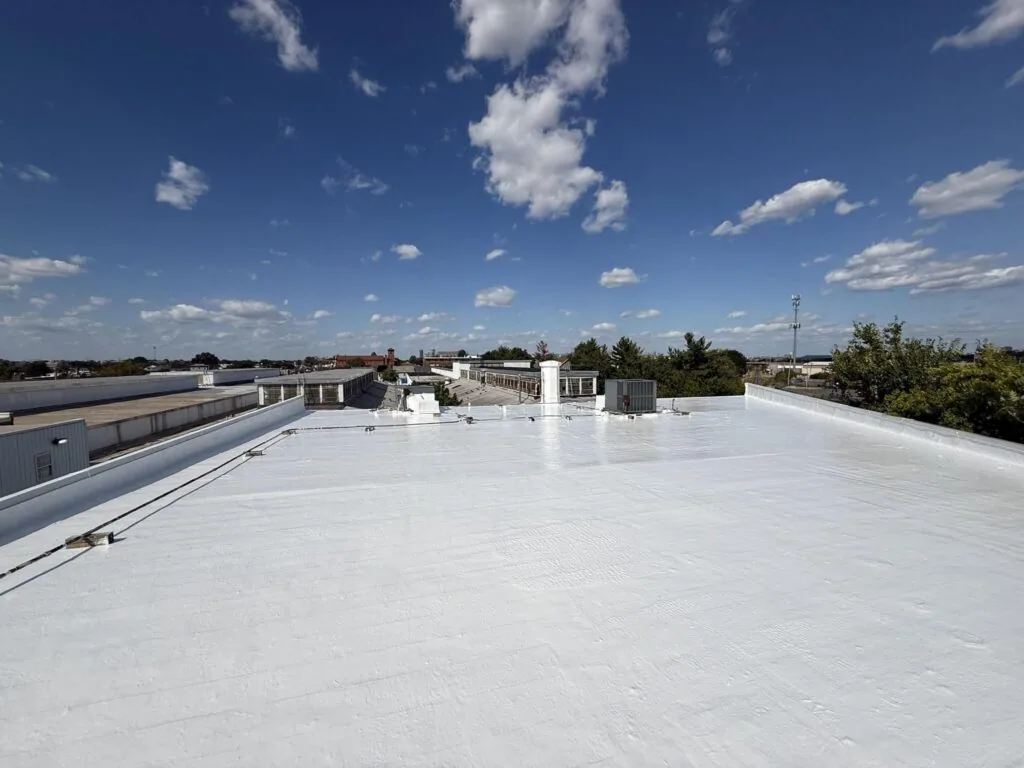
A coating can extend service where the existing substrate is sound, dry, properly prepared and compatible with the selected system. It cannot restore saturated insulation, reattach loose membrane or correct a failed drain. We check adhesion, detail condition, existing repairs and water flow before including a restoration option. Where cracks are isolated and underlying materials remain serviceable, localized repair may suffice. If deterioration spans roof sections or moisture is widespread, replacement may be the more defensible scope.
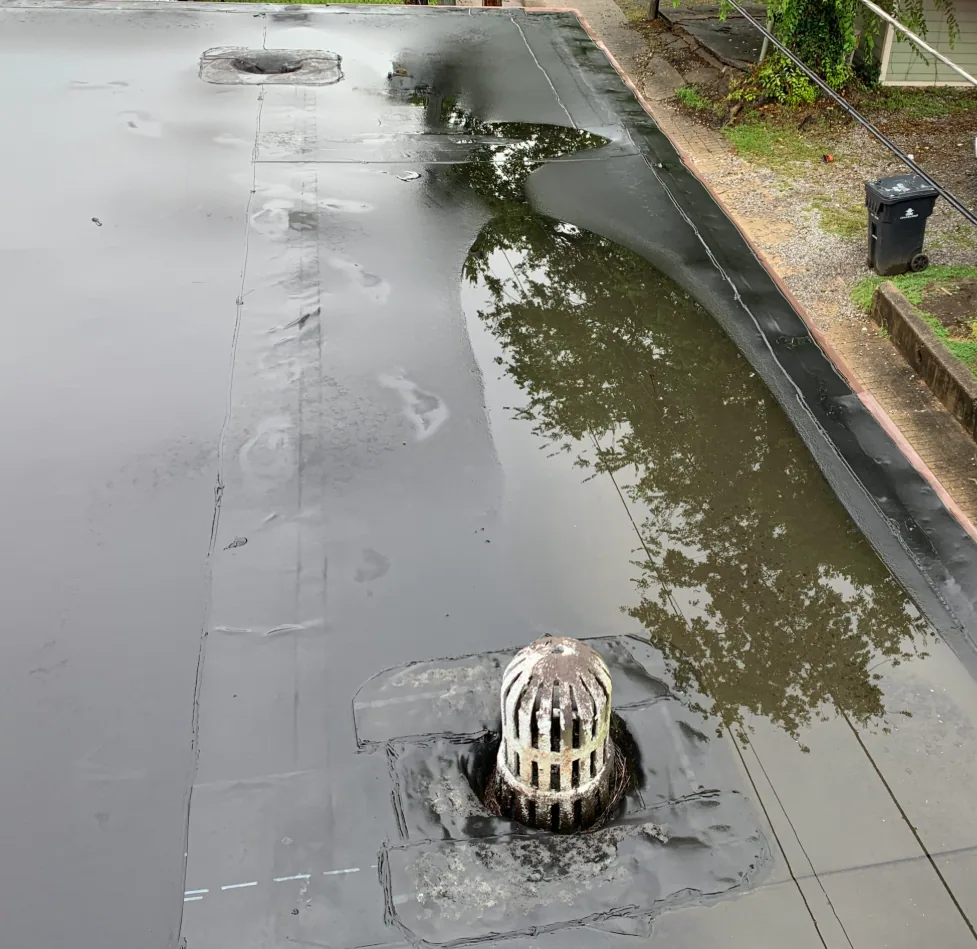
Hialeah’s West 49th Street corridor and Palm Springs Mile are major commercial areas; their names help locate a property, not determine whether its roof can be coated. We verify each building’s construction and project documents. A roof coating restoration assessment can document substrate readiness, while roof replacement planning addresses a system that can no longer be restored. If water collects at a low area, also evaluate ponding water roof repair before applying a surface treatment.
Set safe work windows around heat and rain
In midsummer, heat exposure can limit time spent on the roof and affect material handling. We plan work periods around safe conditions and manufacturer application limits, not only calendar availability. Hialeah’s stormiest rainy-season stretch spans mid-May into early July, which can reduce dry work opportunities. Late August through mid-October carries greater tropical risk. The sequence should maintain a watertight boundary and protect uncured or open details before crews leave.
The Hialeah industrial area and Westland Mall district have different operating patterns, from freight and service activity to retail access. The facility contact confirms the actual access, deliveries and occupied areas. If heat-related surface changes follow a known storm, separate storm impact from long-term weathering in the inspection. While impact marks are evaluated separately, this assessment covers broad surface aging and material condition. For work near Palm Springs Mile, we still confirm the specific property layout before staging.
Price the life left in each roof section
Cost drivers include roof area, surface preparation, number of details, repair volume, coating quantity, adhesion testing, moisture replacement, access and whether equipment must be protected or moved. Restoration requires time for cleaning and preparation; a poor substrate can make it unsuitable. Replacement cost changes with tear-off layers, deck repairs, attachment, drainage corrections and dry-in schedule. The estimate should show what is known and which test may affect final quantities.
A sectional condition map lets an owner repair the weakest zone now and budget the remainder separately, if adjacent areas are sound. Hialeah Heights has commercial and industrial land uses; its development facts do not establish a roof age. A roof capital plan can pair condition, serviceability and next review date. For water entry caused by heat-related shrinkage or a split, define immediate roof repair separately from restoration. Avoid using a coating recommendation to defer a repair that the underlying assembly cannot support.
Set a baseline for the next hot season
Closeout should record the roof system, section, date, surface preparation, repaired details, coating or membrane material if used, moisture findings and remaining limits. Photos should show both broad surface condition and close details. Identify the next observation interval or trigger, such as a new leak or storm. This gives facilities staff a baseline to compare as heat and rain continue to act on the roof.
Hialeah’s wet-season normal is 48.19 inches; combine that with summer heat when planning drain checks and roof observations. The Palm Springs Mile and West 49th Street corridors identify commercial areas, but each asset has its own exposure and maintenance history. A maintenance visit can reinspect seams, coatings and drains before the next rainy stretch. Provide the address, last roof project, known leaks and approval contact. We will document which sections can be repaired or restored, which need more testing and what should enter the capital queue.
Questions
WHAT OWNERS ASK
Does faded or chalky membrane mean the roof is failing?
Not by itself. We inspect flexibility, cracking, seams, adhesion, moisture and detail condition to determine whether the surface remains serviceable. Appearance can flag an area for evaluation, but the work recommendation follows the assembly findings.
Can a coating solve heat and UV damage?
It can be an option when the existing roof is dry, attached, compatible and properly prepared. Coating does not correct saturated insulation, failed seams or poor drainage. We check the substrate and details first, then show restoration and replacement options separately.
Does a 100-degree heat index mean the roof reached that temperature?
No. Heat index describes how hot conditions feel to people, not the measured surface temperature of a particular roof. We assess the actual membrane and its condition, while planning safe work hours around the local heat outlook.
When should Hialeah roofs be checked for heat-related wear?
Inspect before the wettest stretch and after roof work or a new leak, with attention to seams, exposed surfaces, flashings and drains. Mid-May through early July is stormiest, and summer heat can narrow the repair window.
Related Roofing Work
Separate weathering from roof failure
Send the property address, roof history, leak reports and approval contact. We will inspect the surface, details and moisture conditions and return repair, coating or replacement options.