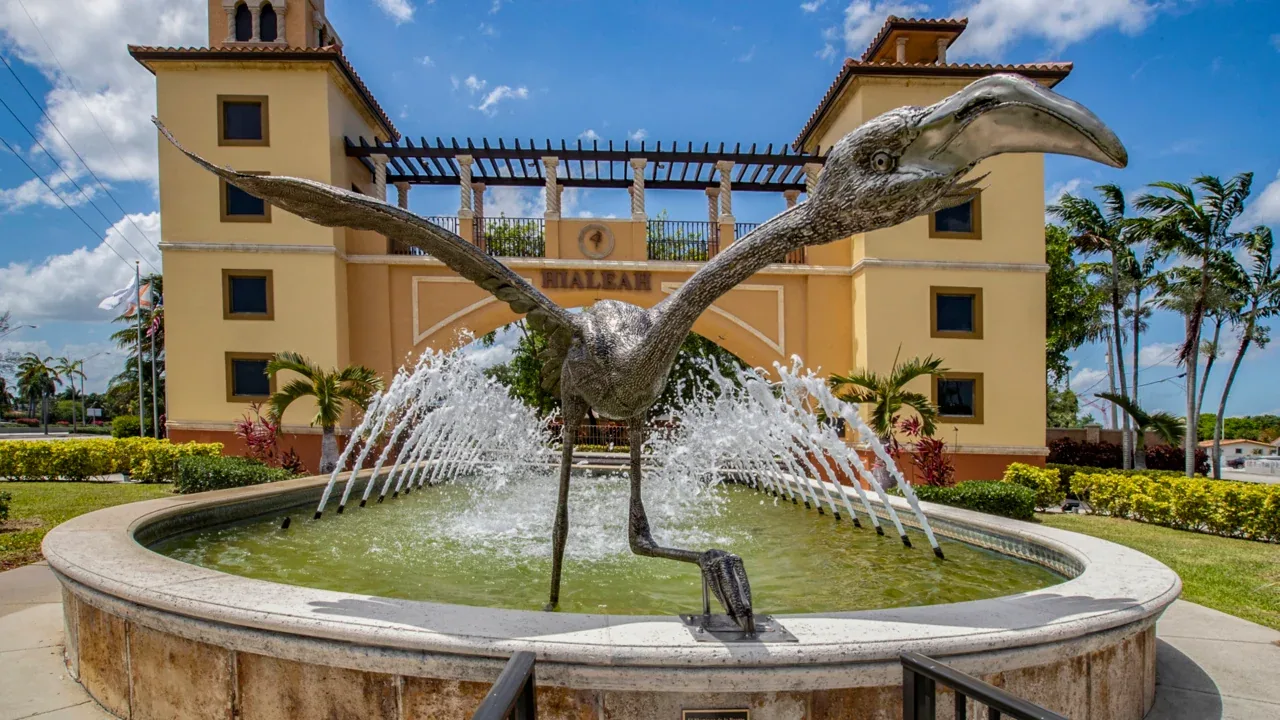

Government Building Roofing in Hialeah, FL
Property Types We Roof
A leak over a public counter or records room needs a documented response that preserves service access. We inspect the roof section, trace moisture and separate immediate protection from permanent repairs. Hialeah's transportation network includes the Palmetto Expressway, Turnpike and U.S. 27, while NW 107th Avenue connects Hialeah and Hialeah Gardens, with documented road and stormwater improvements. For a public building, the site team also defines visitor routes, purchasing rules and approval authority before the roof scope is bid.
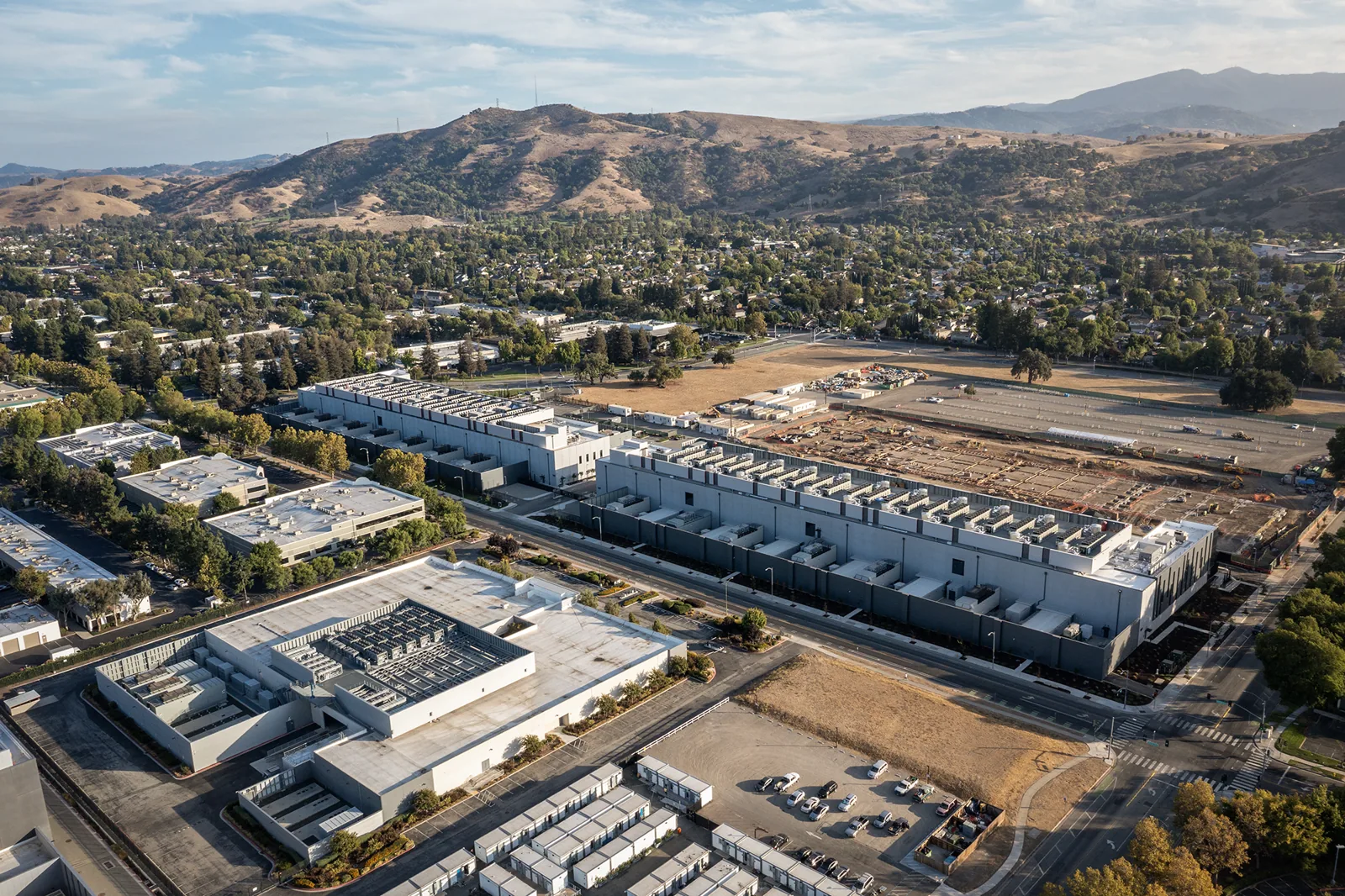
Record conditions for a public decision
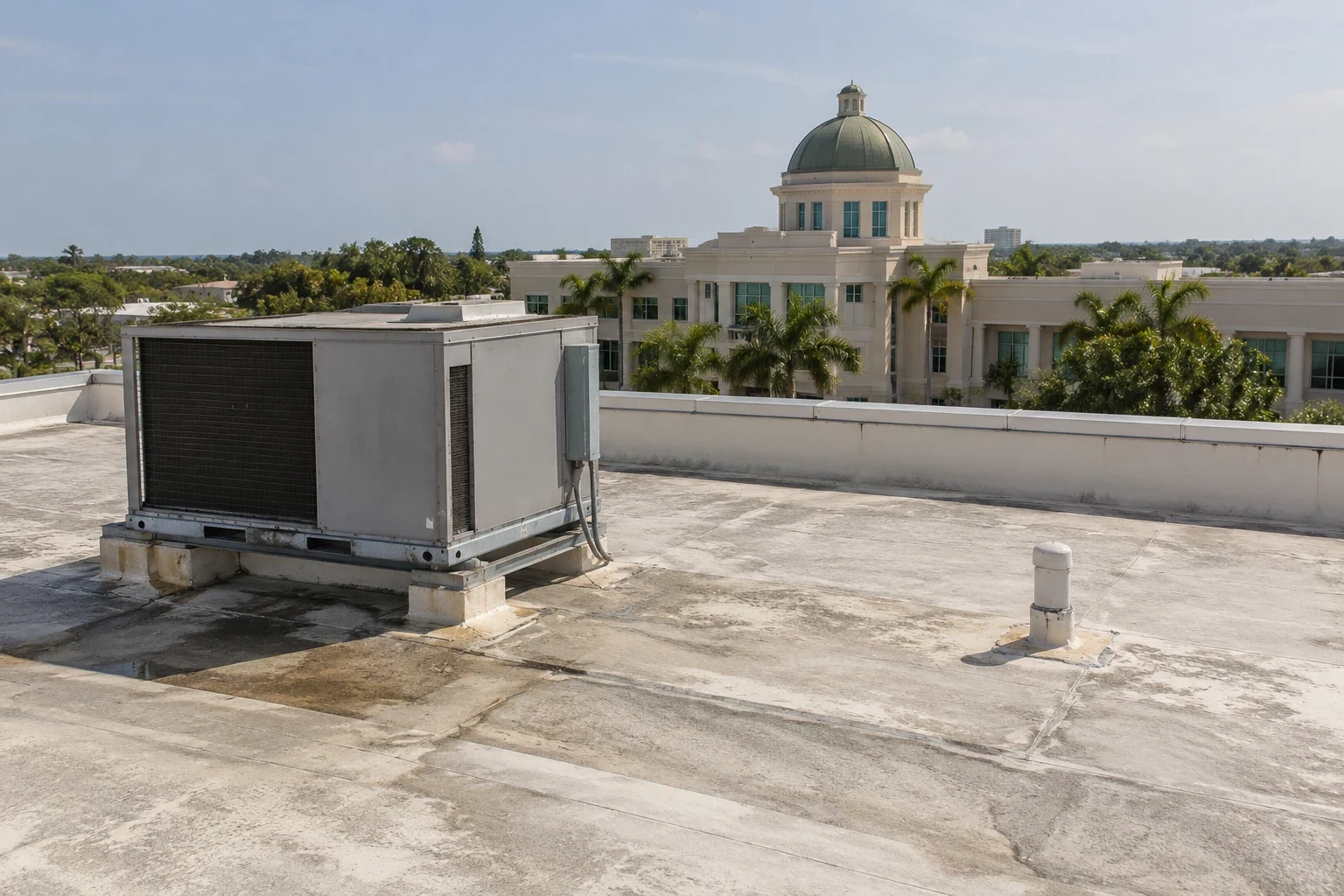
We locate the reported interior condition, inspect above and upslope, and map seams, penetrations, parapets, drains and metal edges. The file identifies which roof sections were reviewed, photos taken, test openings made and areas inaccessible during the visit. Public facilities may have offices, service windows, meeting rooms or storage, but the room use and security boundaries are confirmed with the building contact. The survey does not assume a roof type based on the agency or address.
For Hialeah roofing permits, plans identify drains or scuppers, pressure zones and parapets. We check those details against the proposed work and the product approval, then record any design question that still needs resolution. A roof inspection can support the initial scope; a school roofing plan may share public-occupancy controls, while a government facility's purchasing and security process follows its own rules.
Keep public service routes available
Before mobilization, we map visitor entrances, accessible paths, employee parking, public meeting schedules and service delivery routes. Material staging should not block an emergency exit or a customer counter. We coordinate any noise above public hearings or scheduled appointments and identify a contact who can approve a temporary door or parking change. If the roof hatch is inside a restricted office, access is agreed before the crew arrives.
Work is divided into roof sections that can be closed during the approved shift. We protect offices below tear-off, secure tools and materials, and maintain a public-facing route around the construction area. The agency may require a purchase order, safety submittal, insurance documents or inspection hold point before each phase. We align the field sequence with those approval gates. A office-building roof scope can share public-access concerns. A phased occupied-building reroof can support continued services, and drain and scupper work can be included when water discharge is part of the scope.
Tie work limits to local rain conditions
Hialeah's wet-season normal is 48.19 inches, and the stormiest window begins in mid-May and runs into early July. Public buildings cannot leave a service area exposed to roof water after crews depart. We check drainage before opening a section, maintain a secure temporary closure and confirm the building contact knows which rooms sit below active work. If a public counter or archive is at risk, the facility sets any temporary relocation or protective covering.
Heat and tropical conditions later in summer affect work windows and material handling. We plan the daily stop point around safe conditions and the ability to make the roof watertight. If a leak develops outside scheduled procurement, emergency roof repair can control immediate entry while the permanent scope moves through purchasing approval. The incident record should note interim protection and what remains for the next contract action.
Make the bid scope auditable
Cost depends on removal depth, wet insulation, deck repairs, roof area, penetrations, perimeter metal, drainage and access. Public project requirements can add survey documentation, site badging, submittals, inspection hold points, prevailing work windows or bid alternates. We list those requirements as separate line items or assumptions so procurement can compare equivalent work. Concealed conditions need a written measure-and-approve process rather than an open-ended allowance.
The NW 107th Avenue Hialeah corridor corridor has documented road and stormwater improvements; Hialeah's transit-oriented development areas include Hialeah Market and Transfer Station. The facility contact confirms the property's route, roof scope and procurement calendar. The agency contact confirms local traffic restrictions, service hours and bid milestones. A capital plan can align the current roof risk with the next appropriation cycle without implying that a budget has been approved.
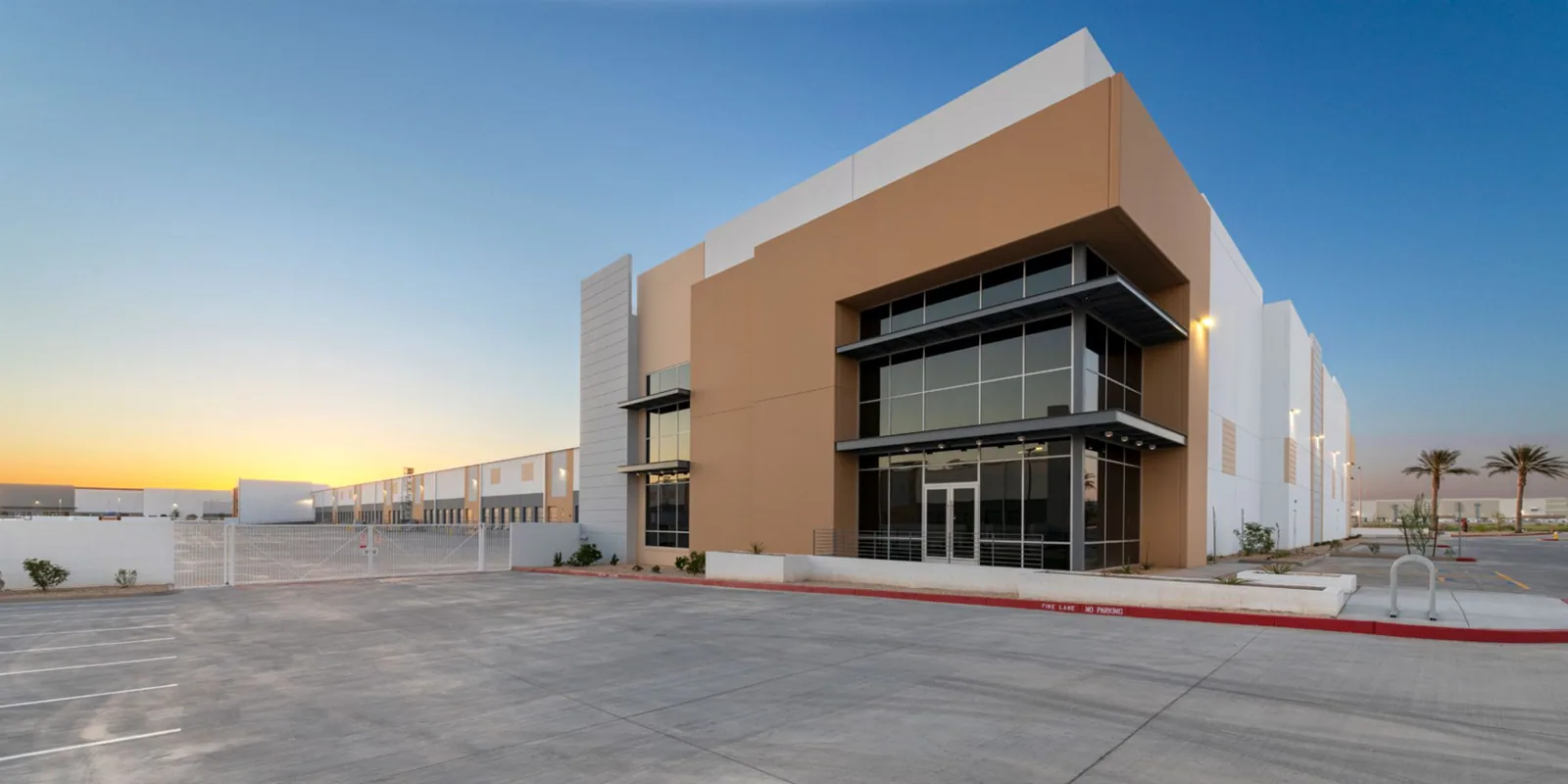
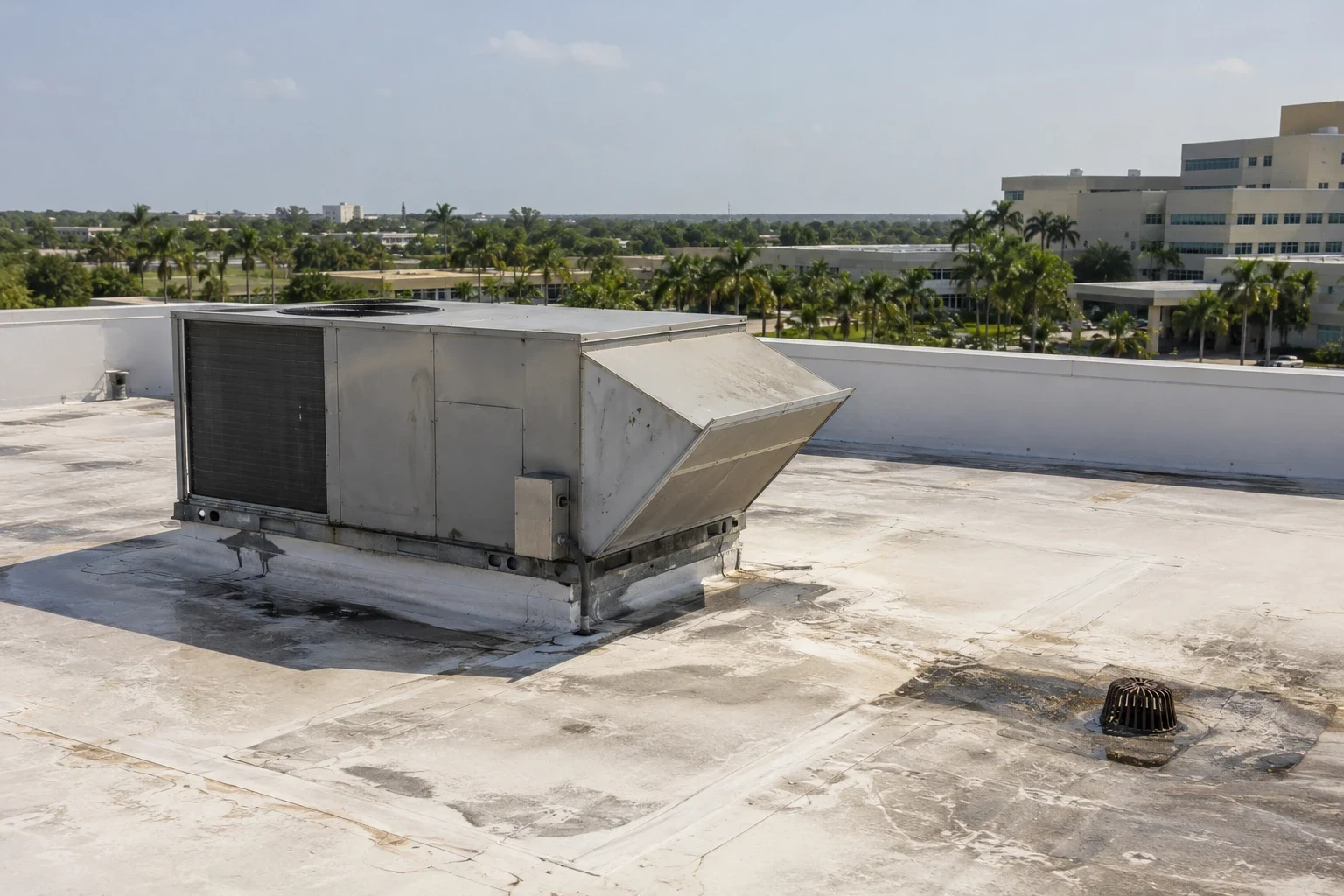
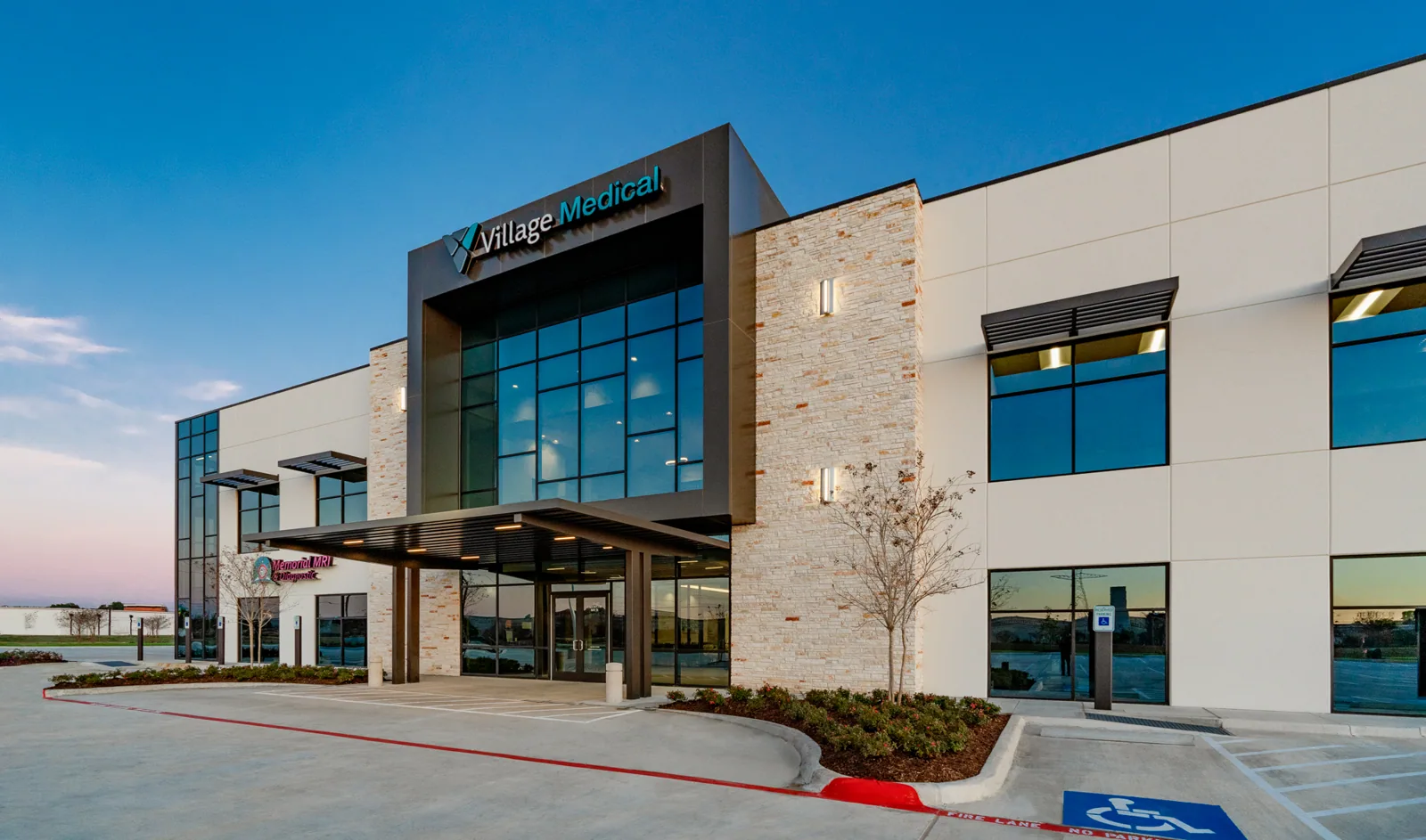
Return records the next administrator can use
Closeout includes installed materials, approved changes, inspection records, photographs, repaired areas and any work excluded from the contract. We note warranty documents supplied by the manufacturer without making claims about terms not included in the project. A marked roof plan gives future facility staff a usable reference for drains, penetrations and prior repairs. We also record items that need agency approval or follow-up funding.
Provide the facility address, roof plans, procurement schedule, access rules and the authorized approver. We will inspect the assembly and return a scope in a form the agency can review. Near NW 107th Avenue Hialeah corridor or Hialeah Market Station TOD, road work and transit circulation may matter to staging. The building manager confirms the actual service route, visitor path and work window.
We can submit a marked plan, photo log and scope narrative that show how each roof finding connects to a bid item. If the agency needs inspection hold points or a facility sign-off before concealment, those checks are listed in order. The procurement file can then preserve the test result, decision and completed detail alongside the payment record. We confirm the required format before mobilization.
Public meeting dates and fiscal cutoffs should be checked before the proposed start date is published.
Questions
WHAT OWNERS ASK
What should a government roof bid include?
The bid should define roof sections, assembly, removal, insulation, deck repairs, drainage, perimeter details, access controls and closeout records. We identify test areas and concealed-condition pricing, then state required approvals and inspection points. The agency can compare proposals against the same scope. Any alternate should name what changes and how the resulting roof detail differs.
Can public services continue during a reroof?
Usually, when visitor paths, accessible entrances and office protection are part of the sequence. We coordinate the calendar, barriers, deliveries and noise with the facility contact. Some rooms may need a temporary move during work overhead. The agency determines whether a service counter, meeting room or records function can be relocated.
How are roof changes documented for procurement?
We record the condition found, proposed change, cost basis and approval before extending the work. Photos and a marked plan identify the affected area. Concealed deck or insulation damage is measured and presented for authorization under the contract's process. That gives the purchasing file a direct link between field evidence and the approved change.
Do Miami-Dade wind requirements apply to a municipal roof?
The project must follow the applicable building code, product approvals and permit requirements for its location and assembly. Miami-Dade roof plans identify drains or scuppers, pressure zones and parapets, and approved products have configuration limits. We confirm the selected system and details with the project's design and permitting documents before installation.
Related Roofing Work
Prepare a public-building roof scope
Send the facility address, roof plan, bid schedule, access requirements and approval contact. We will document roof conditions and return an auditable work scope.