
Commercial Roofing for Insurance and Restoration Work in Hialeah, FL
Industries We Serve
After a storm or sudden leak, the first roofing decision is how to protect the building while preserving a clear record of what happened. We inspect the reported area, map visible conditions, separate emergency work from permanent repair and document each step for the property team. Hialeah Heights includes commercial and industrial activity, and Hialeah has direct access to Miami International Airport. Roof conditions still need to be confirmed at the insured address before a cause or repair scope is assigned.
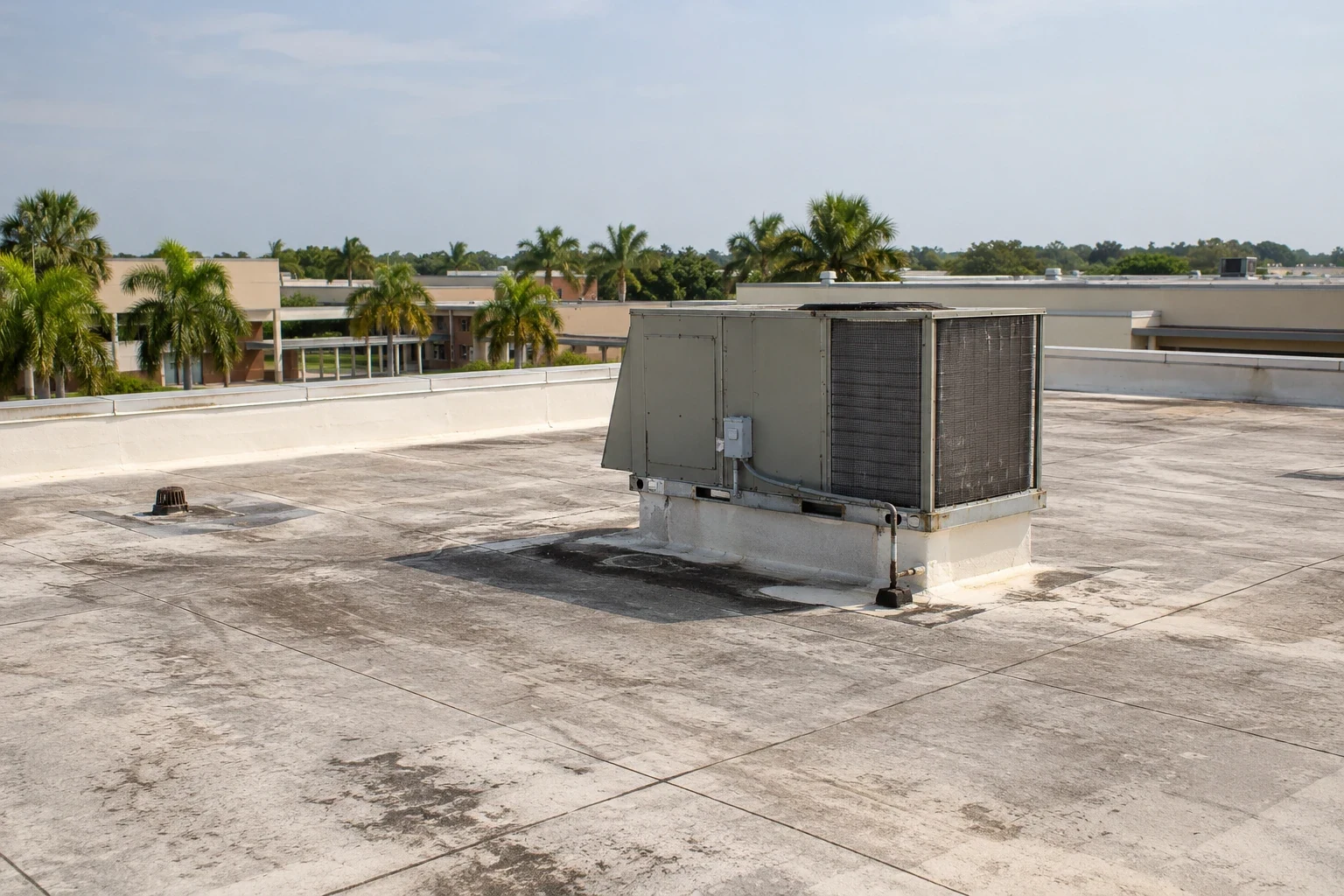
Build a roof record that others can follow
We label each observation by building, roof section, slope or grid reference, detail and date. The record can include overview and close-up photos, moisture readings where taken, interior reports, weather exposure and the temporary measures installed. We distinguish observed damage from pre-existing wear, inaccessible areas and questions that require further testing. That allows the adjuster, owner, restoration contractor and roofer to discuss the same location rather than a broad description such as “the north roof.”
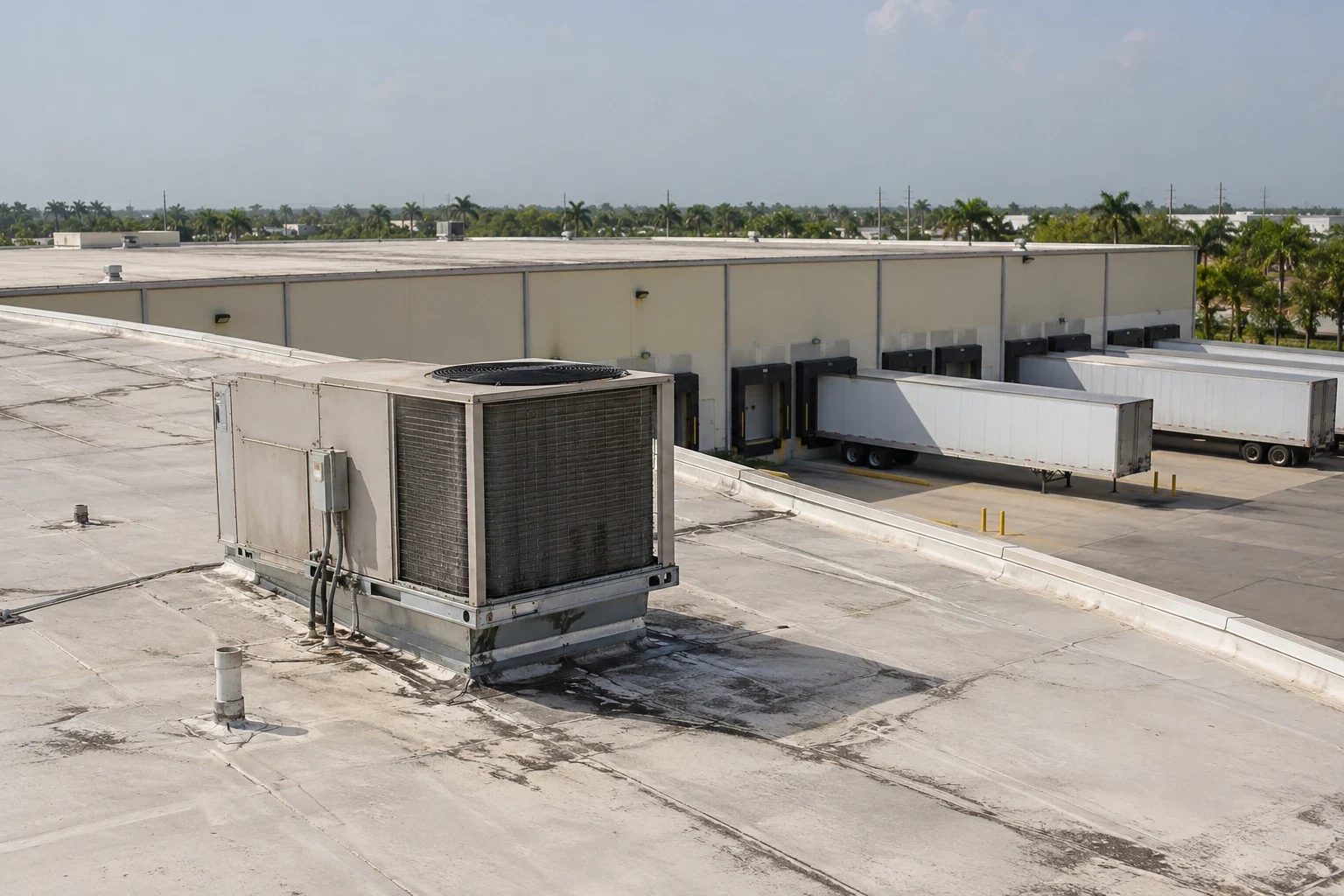
Hialeah has industrial property, and nearby Miami International Airport commercial areas include cargo warehouses, offices, hangars and maintenance shops. We arrange escort, roof access and interior coordination with the property contact before inspection. A roof condition report can preserve the baseline, while an owner's property manager or general contractor can coordinate site access and repair sequencing. Each deliverable states what was checked and what remains open.
Separate immediate protection from repair approval
Temporary work should control active water entry and leave the roof safe at the end of the shift. We identify the opening, secure a compatible temporary cover where appropriate, clear obstructed drainage when authorized and protect affected interior areas with the building team. The service record names the material, roof section, installation time and follow-up needed. Temporary measures are monitored and remain in place until the permanent repair is ready.
The property owner or authorized representative directs emergency access and claim communication. We can provide a roof emergency response and a separate permanent-repair estimate after conditions are understood. If a storm affected the Hialeah Heights area, we use the reported date to prioritize protection and compare timing with the roof conditions observed at the insured building.
Describe evidence before assigning the repair
A roof leak can follow wind-driven rain, a failed seam, puncture, open flashing, blocked drain or another pathway. Interior staining helps locate the symptom but does not by itself identify the roof opening or date of damage. We compare the reported timing with roof details, water paths, material condition and any available maintenance history. When several explanations remain possible, we state what additional inspection or testing would resolve the question.
Repair quantities are listed by section and detail, with removal, substrate exposure, replacement materials, tie-ins and disposal stated separately. We mark damaged insulation or deck only where inspection supports it and note areas concealed from view. A wind-damage assessment can record displaced or opened details, and an insurance claim support scope can organize roofing documentation for review. The carrier and policy determine coverage; the roofing scope describes building work.
Account for Hialeah's wet-season timing
Hialeah's wet season brings roughly 48 inches of normal rainfall, with the stormiest period running from mid-May into early July. A repair plan should identify how open sections will be closed each day, which drains must remain clear and who checks interior areas after rain. We set the work area to the portion the crew can protect and complete, then record the temporary closeout and any remaining exposure.
Hot, humid weather can affect crew hours and material handling, while a tropical system can change site access and the safe timing of roof work. The property contact confirms operating hours and shutdown needs; the roofer reviews forecast conditions and secures loose material. Wind and storm conditions guide the timing of stabilization and safe access, then the inspected roof details shape the permanent scope.

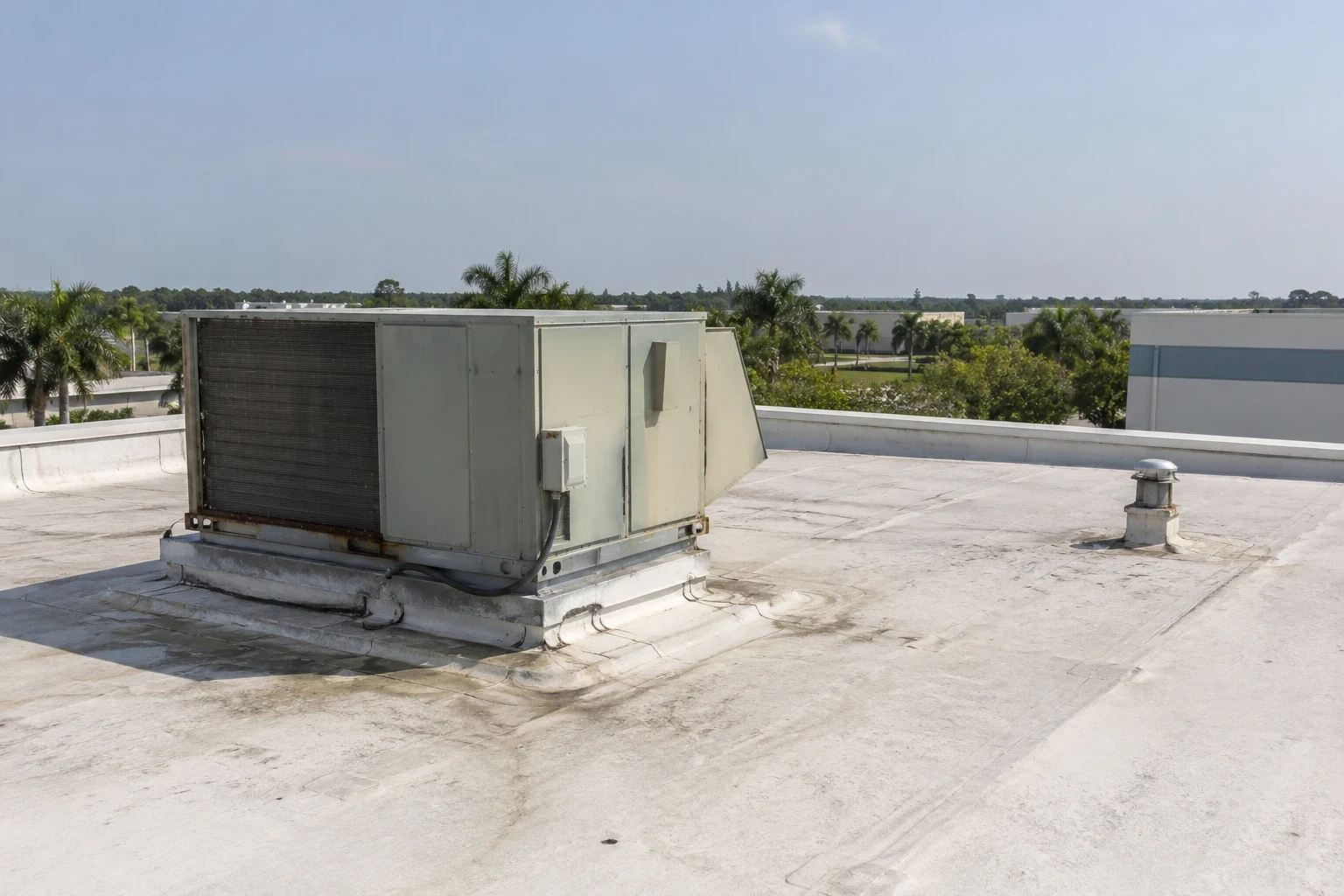
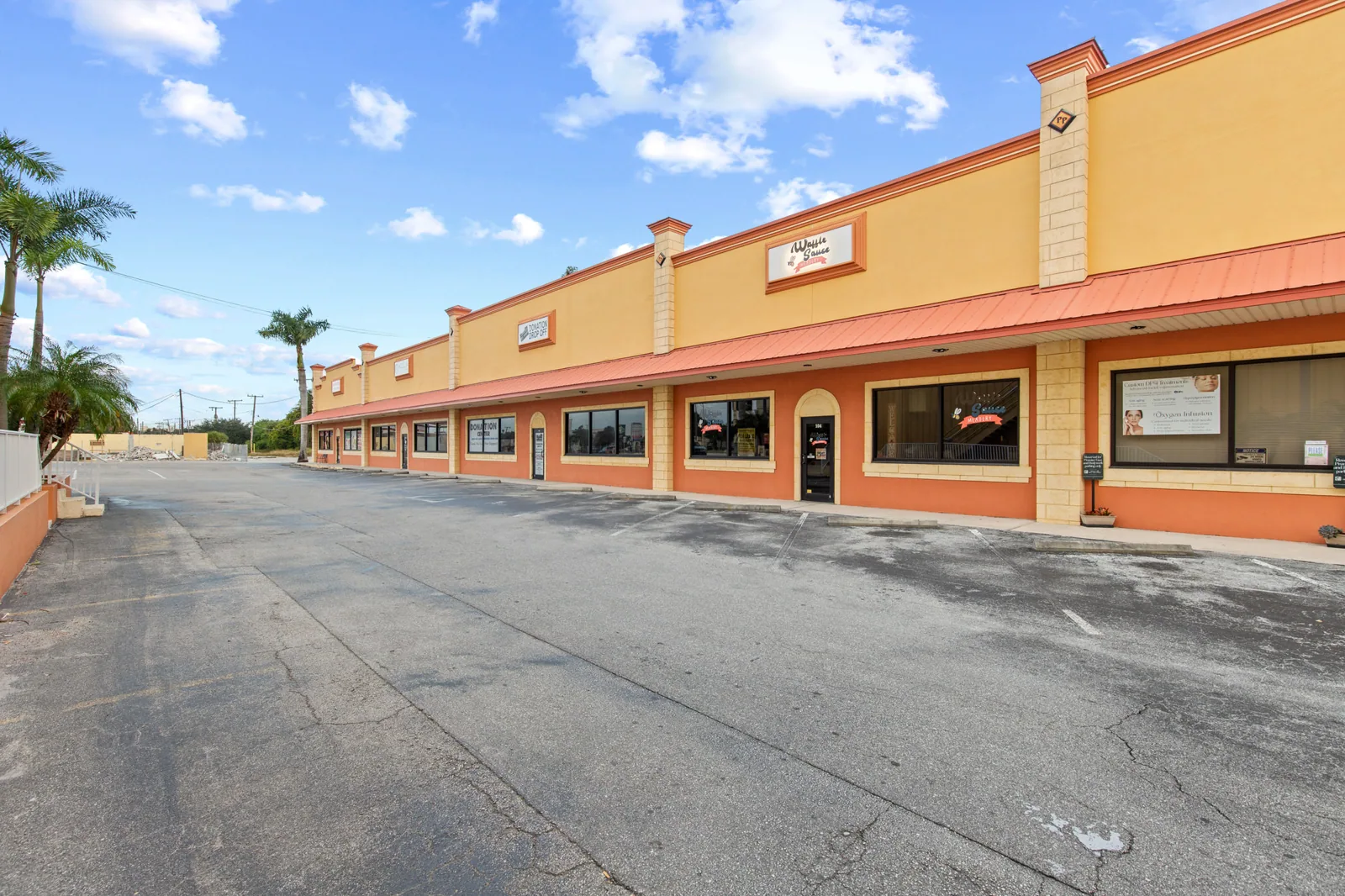
Present quantities and assumptions clearly
A useful estimate identifies the measured repair area, assembly where known, material and attachment approach, flashing and edge work, drainage work, access, interior protection and testing. It separates confirmed quantities from allowances for concealed conditions. If matching material is unavailable or an adjacent assembly needs a transition, the estimate explains the proposed detail and asks for direction before substitution. This gives the reviewer a scope that can be compared with the inspection record.
Cost and schedule can shift when access is limited, wet materials extend beyond the visible stain, deck replacement is needed, equipment restricts work or the building must remain occupied. We list those conditions and the approval step for added work. For multi-building losses, a multi-site roof program can keep addresses, priorities and repair status organized. The owner can review each building's facts independently rather than applying one roof finding across the portfolio.
Deliver the repair history with the completed roof
After authorized work, we provide before, during and after photos, a description of the completed repair, materials installed, tests performed and any item left open. We identify the roof section and detail in each record and explain if weather, access or an owner decision limited the work. The property manager can retain the closeout with future maintenance records and compare a later leak to the repaired location.
Share the reported date, building contact, interior observations, roof plans, prior service records and claim communication rules. We will inspect the site, protect active openings and return a documented scope for review. Hialeah names West 49th Street as a major commercial corridor, and Hialeah Heights has substantial commercial and industrial designation. The property contact confirms gate, loading and escort requirements for the specific address. Claim decisions remain with the insurer and policyholder; our record stays focused on roof evidence and work performed.
Questions
WHAT OWNERS ASK
Can a roofer determine whether storm damage is covered by insurance?
No. We can document roof conditions, describe repair work and provide measurements or photographs for the claim file. Coverage and claim decisions belong to the insurer under the applicable policy. If the cause is uncertain, our report identifies the observations and further review that may help resolve it.
What should we do before a roof inspection after a leak?
Protect people and contents below the leak, report the location and time, and contact the authorized building representative. Share roof access rules, prior repair records and any safety restrictions. Avoid disturbing damaged material unless needed to address an immediate hazard; the inspection can then record conditions before permanent work begins.
Can temporary roof work begin before the claim is decided?
It can when the property owner or authorized representative approves emergency protection. We document the location, action, materials and date, then provide a separate estimate for permanent repairs. The temporary measure is intended to manage active exposure and should be checked until the final scope is completed.
What if hidden damage appears during an approved repair?
We stop at the agreed scope boundary, protect the area and photograph the newly exposed condition. The owner and claim team receive a measured change proposal with the schedule effect. Added work proceeds after the person authorized under the contract approves it, except for immediate steps needed to keep the building protected.
Related Roofing Work
Document the roof condition and next repair step
Provide the reported date, site contact, roof plans and access rules. We will inspect, stabilize active exposure when authorized and return a roof-specific record and repair scope.